

Why Women Need a Weight Lifting Belt
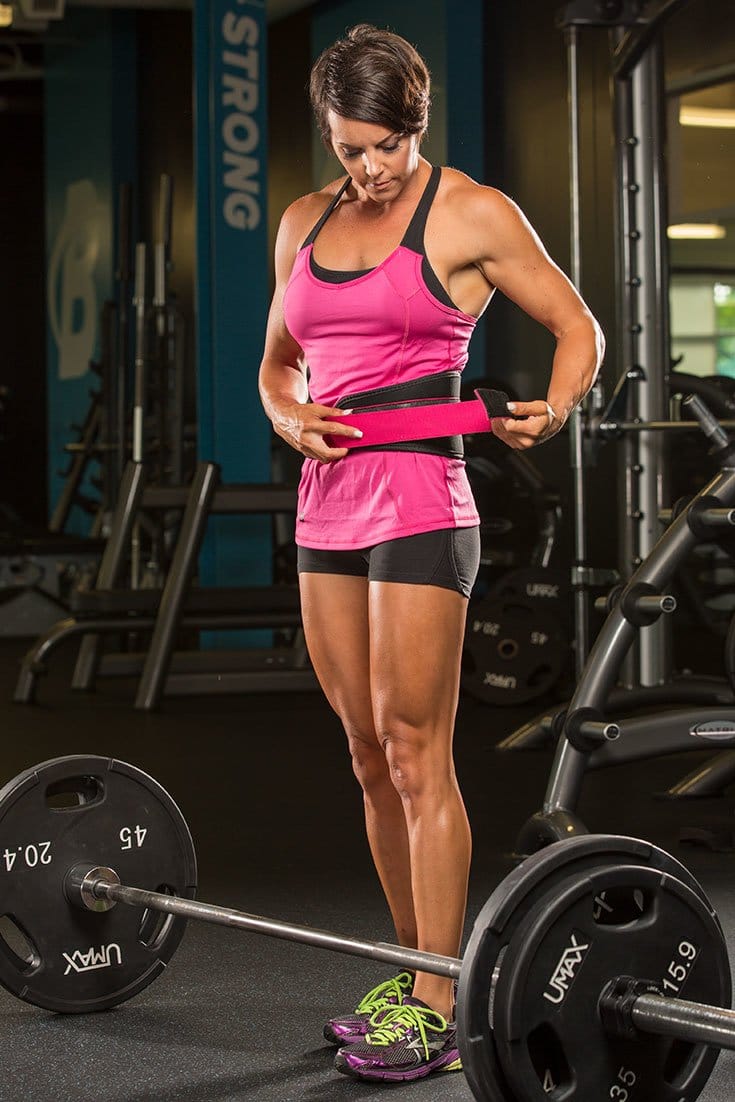
When it comes to weightlifting, safety should always be a top priority. This is especially true for female athletes, as they may face unique challenges in the weight room. One essential accessory for ensuring safety and proper form is a weight lifting belt. In this section, we'll discuss why women need a weight lifting belt and how it can benefit their training.
First and foremost, a female weight lifting belt provides crucial support to the lower back during heavy lifts. This support helps to stabilize the spine and reduce the risk of injury. Women, in particular, may be more susceptible to lower back injuries due to differences in pelvic structure and muscle imbalances. A well-fitted weightlifting belt can help to mitigate these risks and promote proper lifting technique.
Another reason women should consider using a weightlifting belt is to improve their overall performance. The belt allows for increased intra-abdominal pressure, which in turn helps to stabilize the core during heavy lifts. This stability can lead to improved lifting efficiency and potentially greater gains in strength and muscle mass. In addition, the use of a belt can help to reinforce proper form, which is essential for long-term progress and injury prevention.
Lastly, a ladies weightlifting belt can help to boost confidence in the gym. Many women may feel intimidated or unsure of themselves when lifting heavy weights, especially if they are new to the sport. Wearing a belt can provide a sense of security and reassurance, allowing women to focus on their lifts and push themselves to new personal bests.
In summary, a weightlifting belt is an essential accessory for women who are serious about their training. It provides critical support to the lower back, improves performance, and can help to boost confidence in the gym. As you explore the women's weightlifting belt guide and read women's weightlifting belt reviews, keep these benefits in mind and make an informed decision when choosing the best weight lifting belts for women.
Different Types of Weight Lifting Belts for Women
Different Types of Weight Lifting Belts for Women
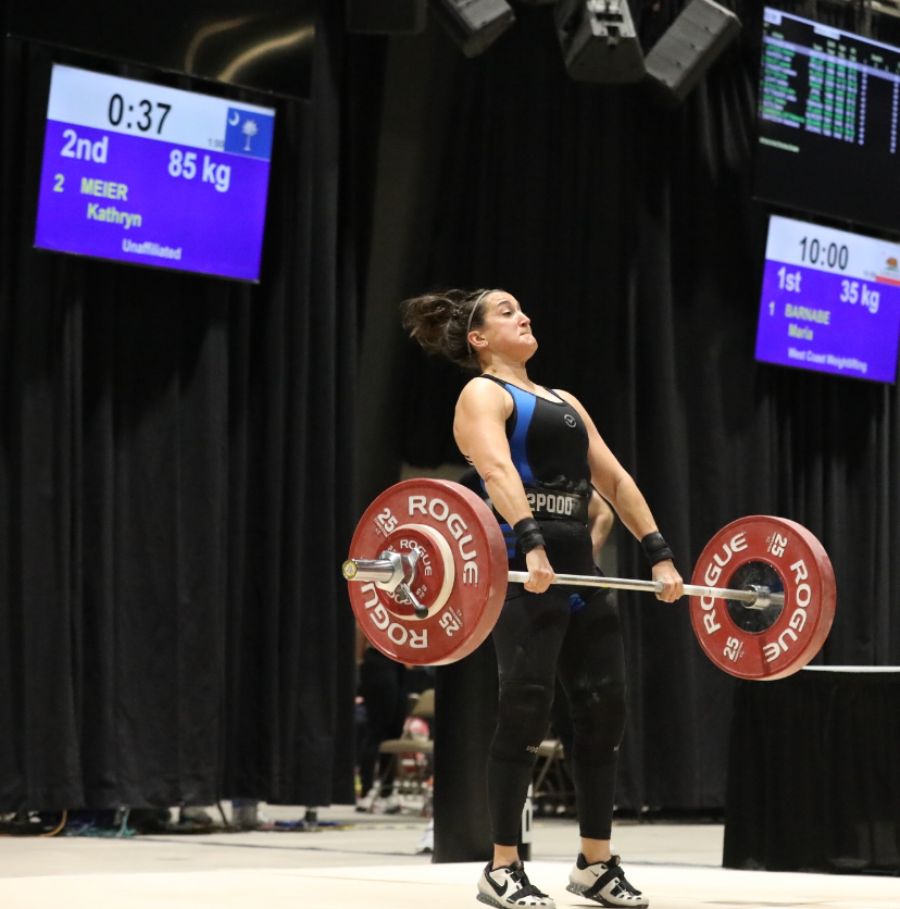
Now that we understand the importance of using a weight lifting belt, let's explore the different types available for female athletes. Each type of belt has its unique features and benefits, so it's essential to choose the one that best suits your needs and preferences. Here are the main types of women's weightlifting belts:
1. Leather Belts
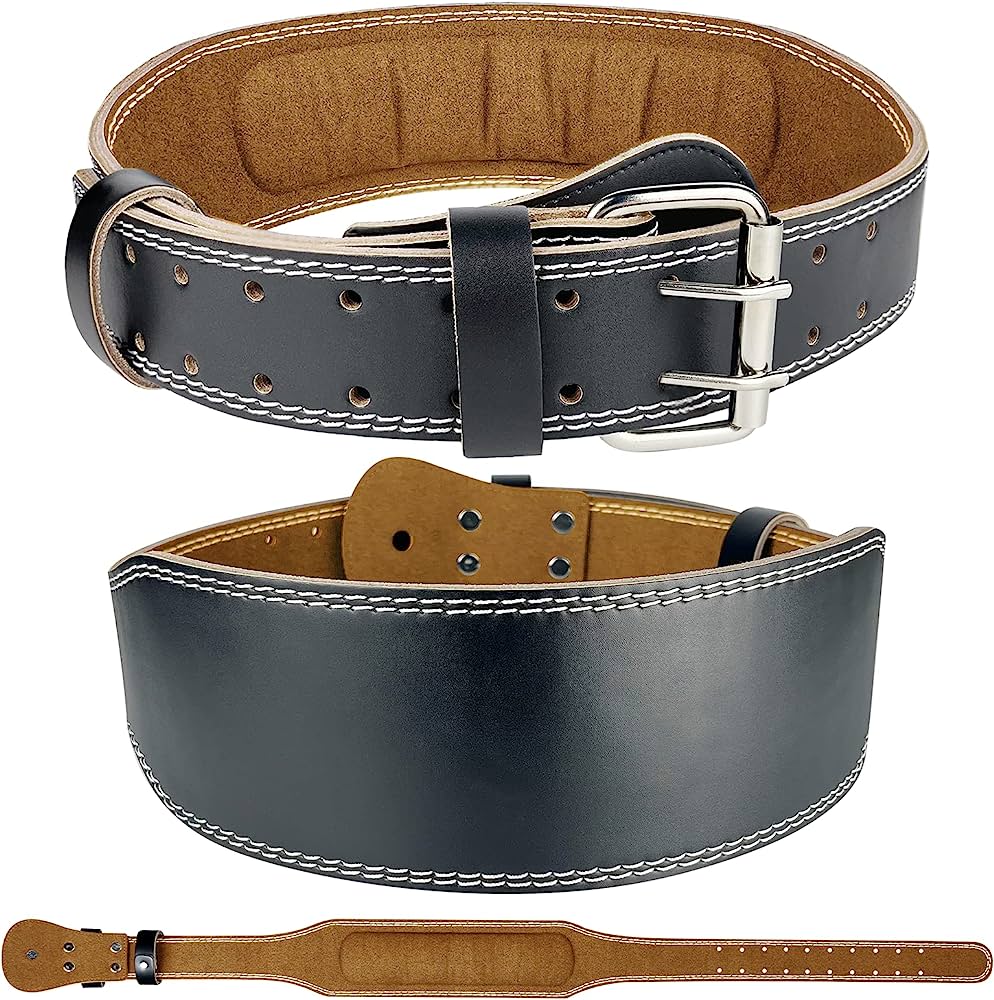
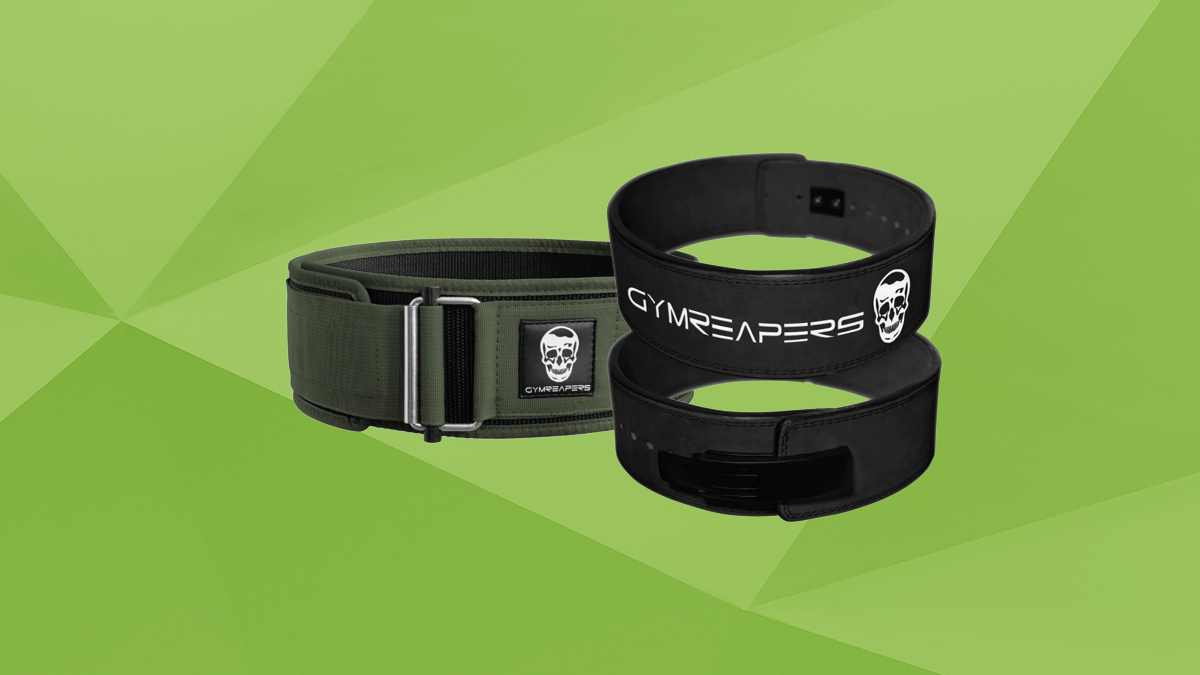
Leather belts are the most traditional and popular type of weightlifting belt. They are known for their durability and excellent support. These belts are typically made from high-quality leather, which provides a firm and secure fit around the waist. Leather belts are ideal for heavy lifts, such as squats and deadlifts, where maximum support is needed. However, they may be less comfortable and less flexible than other types of belts.
2. Nylon Belts
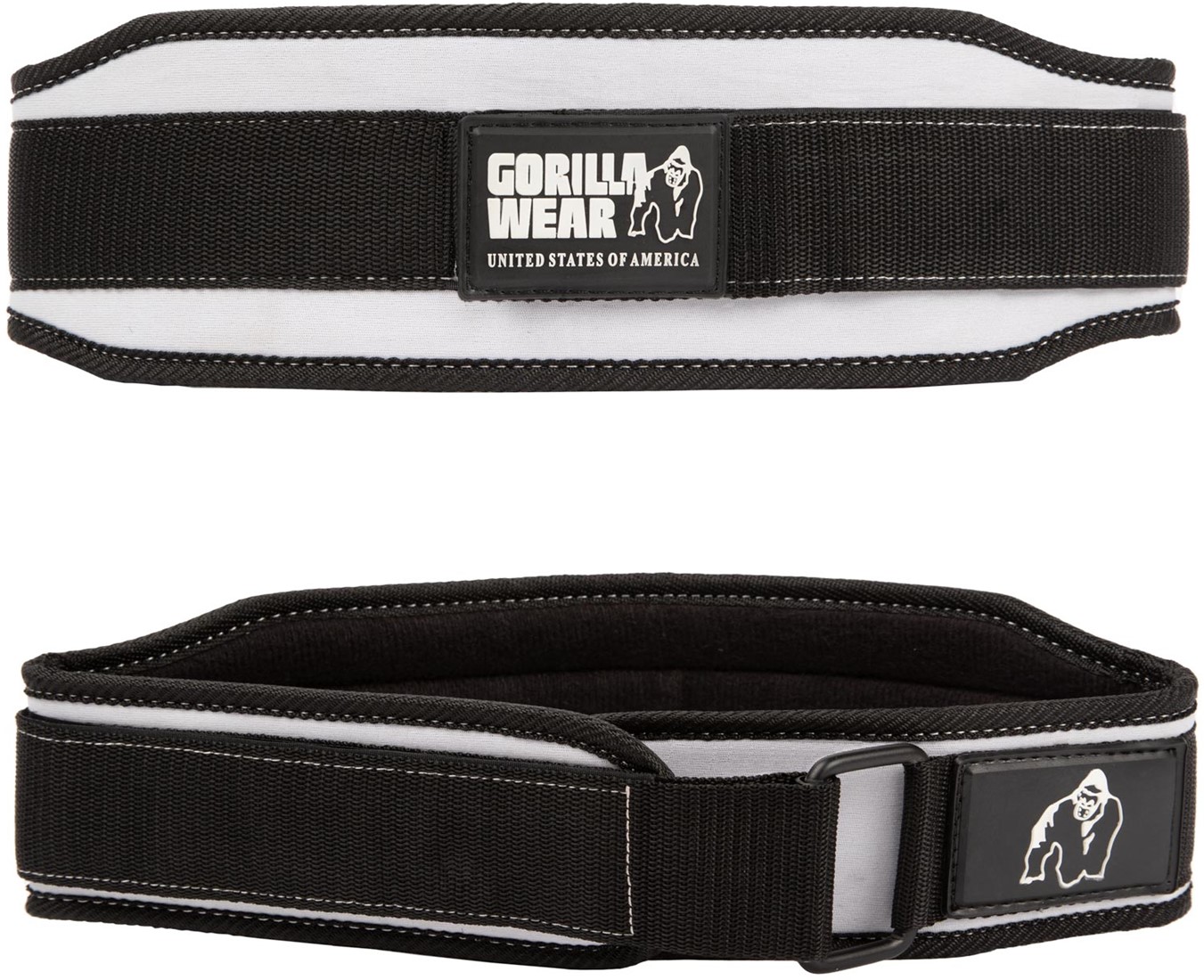
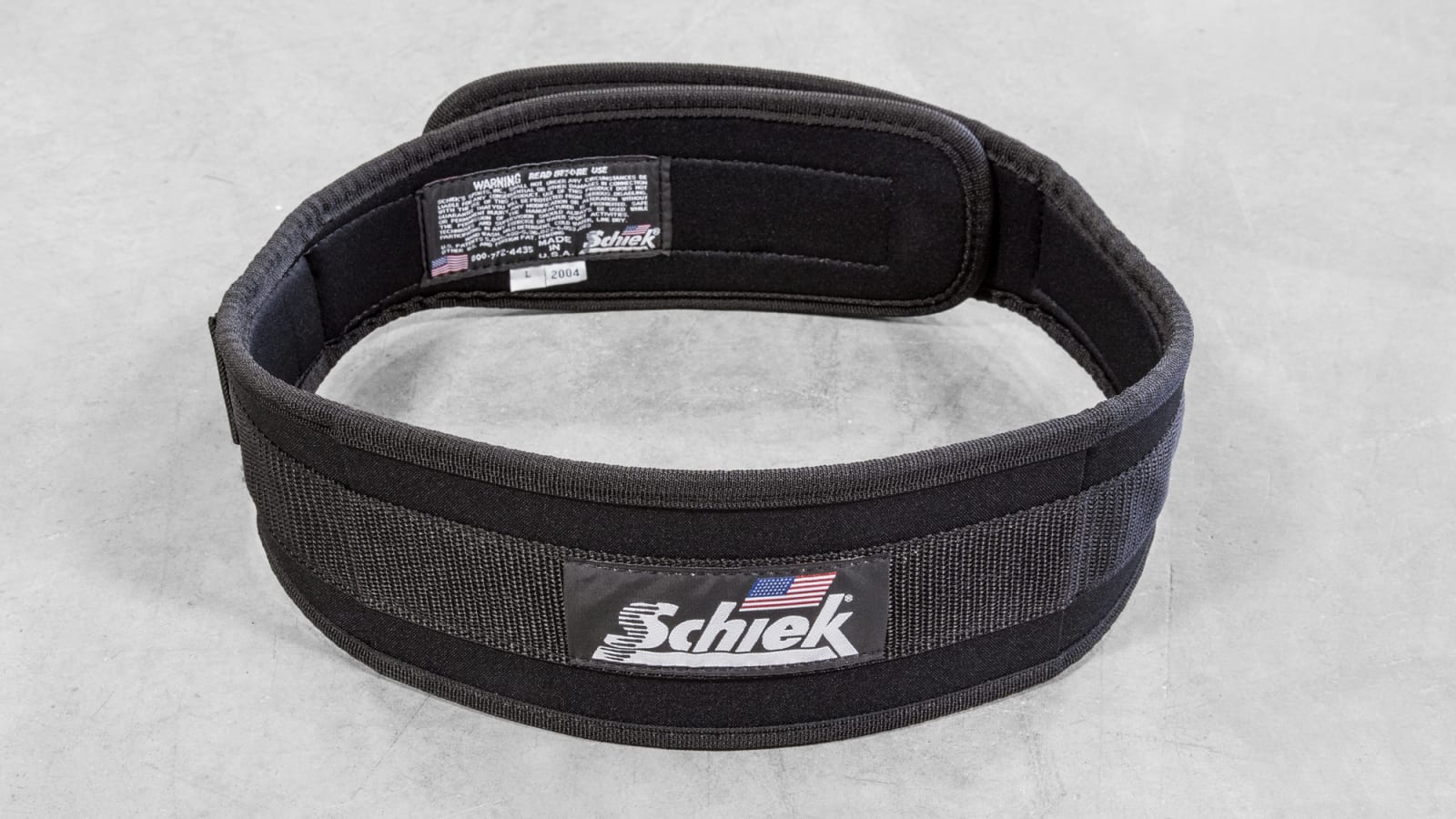
Nylon belts are a more modern and lightweight option compared to leather belts. They are made from durable nylon material, which offers a comfortable and flexible fit. Nylon belts are suitable for a variety of lifts and exercises, making them a versatile choice for women. However, they may not provide the same level of support as a leather belt, especially during heavy lifts.
3. Velcro Belts
Velcro belts are another lightweight and comfortable option for female weightlifters. These belts feature a Velcro closure system, which allows for easy adjustments and a secure fit. Velcro belts are ideal for beginners and intermediate lifters, as they provide adequate support and flexibility for most exercises. However, they may not be suitable for advanced lifters or those who require maximum support during heavy lifts.
4. Tapered Belts
Tapered belts are designed with a wider back and a narrower front, providing additional support to the lower back while allowing for more freedom of movement in the abdominal area. This design makes tapered belts a popular choice among female weightlifters, as they offer a comfortable and supportive fit without restricting mobility. Tapered belts can be made from leather, nylon, or a combination of materials.
5. Contoured Belts
Contoured belts are designed to follow the natural curve of a woman's body, providing a more comfortable and secure fit. These belts are typically made from leather or nylon and feature a curved shape that hugs the waist and lower back. Contoured belts are ideal for women who want a belt that provides excellent support without digging into their sides or hips.
In conclusion, there are various types of weightlifting belts available for women, each with its unique features and benefits. When choosing a women's lifting belt, consider factors such as comfort, support, durability, and flexibility. By selecting the right type of belt for your needs, you can enhance your weightlifting performance and ensure your safety in the gym.
The Importance of Wrist Wraps for Women in Weightlifting
While our main focus in this article is to help you find the best weight lifting belts for women, it's essential to discuss another crucial weightlifting accessory for female athletes - wrist wraps. Wrist wraps are often overlooked, but they play a significant role in ensuring weightlifting safety for women and enhancing their performance.
Wrist wraps are designed to provide support and stability to the wrists during heavy lifting. They help in reducing the strain on your wrists, preventing injuries, and allowing you to lift heavier weights with confidence. This is especially important for women, as they generally have smaller and more delicate wrists compared to men.
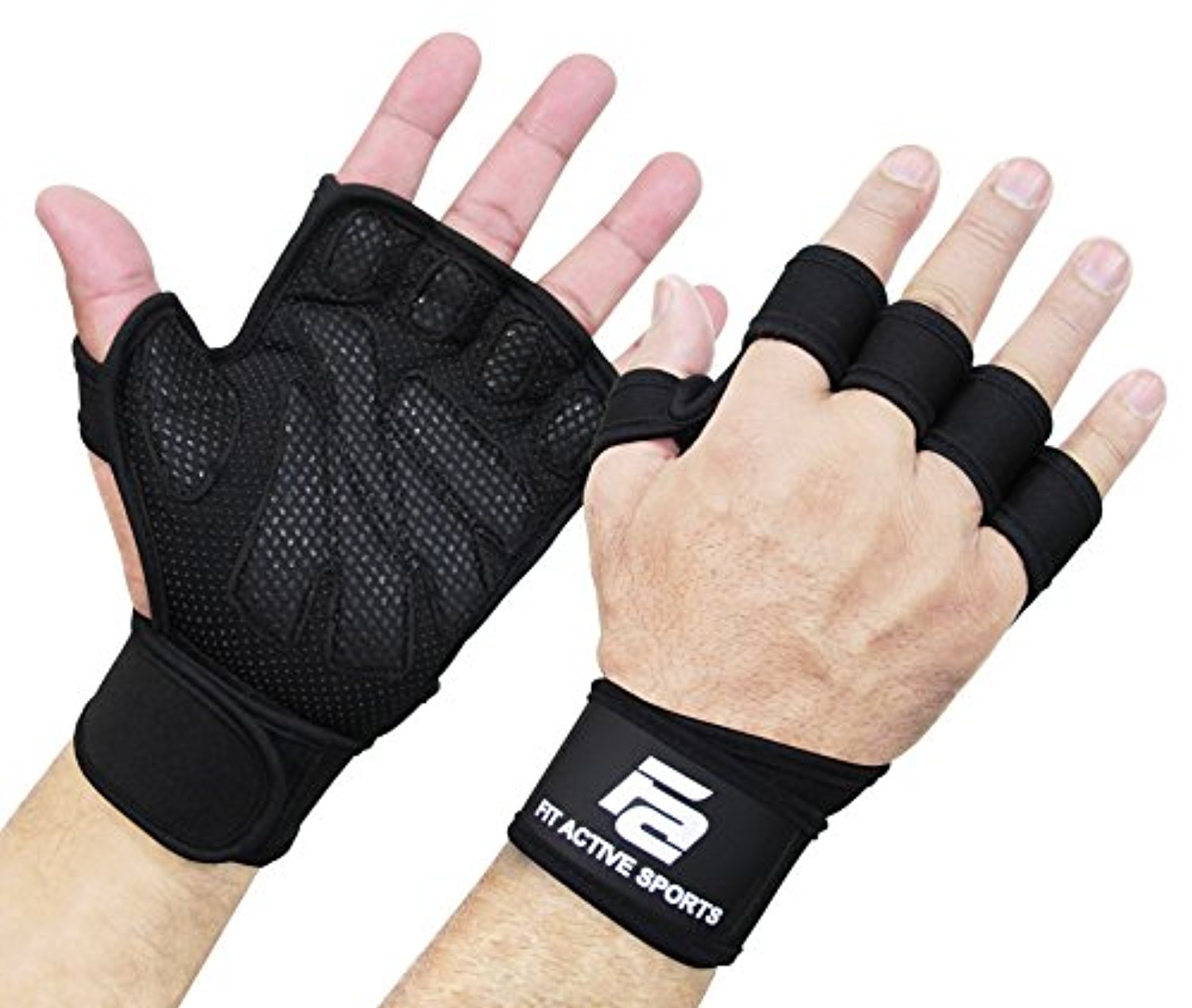
Using wrist wraps in conjunction with a ladies weightlifting belt can significantly improve your weightlifting experience. Here are some reasons why wrist wraps are essential for women in weightlifting:
- Prevent wrist injuries: Wrist wraps provide support and stability to your wrists, helping you maintain proper form and alignment during heavy lifts. This reduces the risk of sprains, strains, and other wrist injuries.
- Improve lifting performance: By providing additional support to your wrists, wrist wraps enable you to lift heavier weights and perform more repetitions. This can lead to faster progress and better results in your weightlifting journey.
- Boost confidence: Knowing that your wrists are well-supported can give you the confidence to push yourself harder during your workouts. This can lead to improved performance and faster progress.
- Enhance comfort: Wrist wraps can help alleviate discomfort caused by heavy lifting, allowing you to focus on your workout and perform at your best.
When choosing wrist wraps, look for ones that are made from high-quality materials, offer adjustable levels of support, and are comfortable to wear. Just like with weightlifting belts for female athletes, it's essential to read women's weightlifting belt reviews and wrist wrap reviews to find the perfect fit for your needs.
In summary, wrist wraps are an essential weightlifting accessory for women that can help prevent injuries, improve performance, and enhance comfort during heavy lifting. Don't forget to consider wrist wraps when looking for the perfect weightlifting belt for women and other weightlifting accessories.
Reviews of Women's Weight Lifting Belts
Reviews of Women's Weight Lifting Belts
Finding the perfect weightlifting belt for women can be a daunting task, given the numerous options available in the market. To help you make an informed decision, we have compiled a list of some of the best weight lifting belts for women based on customer reviews and expert opinions. These reviews will give you insights into the pros and cons of each belt, helping you choose the right one for your needs.
1. Harbinger Women's Nylon Weightlifting Belt
The Harbinger Women's Nylon Weightlifting Belt is a popular choice among female weightlifters, thanks to its lightweight design and comfortable fit. Many users appreciate the belt's 5-inch width, which provides ample support without restricting movement. The belt also features a heavy-gauge steel roller buckle, ensuring a secure fit during your workouts. Some users, however, have reported that the sizing runs small, so make sure to measure your waist accurately before purchasing.
2. Schiek Sports Model 2004 Women's Lifting Belt
The Schiek Sports Model 2004 Women's Lifting Belt is praised for its patented cone-shaped design, which follows the natural contours of the body, providing maximum support and comfort. Users also appreciate the dual closure system, which includes a slide bar buckle and a Velcro strap, allowing for a customized fit. Some users have reported that the belt can be bulky, but overall, the Schiek Sports Model 2004 is a top choice for female weightlifters.
3. Fire Team Fit Women's Weightlifting Belt
The Fire Team Fit Women's Weightlifting Belt is a versatile option suitable for various types of workouts, including weightlifting, CrossFit, and powerlifting. Users love the belt's contoured design, which provides excellent support without digging into the hips or ribs. The belt also features a Velcro strap for easy adjustments, ensuring a snug and secure fit. Some users have mentioned that the belt may not be suitable for heavy lifting, but it's an excellent option for beginners and intermediate lifters.
4. ProFitness Genuine Leather Workout Belt
The ProFitness Genuine Leather Workout Belt is a durable and stylish option for female weightlifters. Users appreciate the belt's high-quality leather construction, which provides excellent support and longevity. The double-pronged buckle ensures a secure fit, while the 4-inch width offers ample support without hindering movement. Some users have reported that the belt can be stiff initially, but it tends to soften and become more comfortable with use.
5. Element 26 Self-Locking Weightlifting Belt
The Element 26 Self-Locking Weightlifting Belt is a unique option that features a self-locking mechanism, ensuring a secure and comfortable fit during your workouts. Users love the belt's lightweight and low-profile design, which allows for a full range of motion. The belt is also made from high-quality materials, ensuring durability and longevity. Some users have mentioned that the sizing can be tricky, so be sure to consult the sizing chart before purchasing.
In conclusion, these women's weightlifting belt reviews should help you find the perfect weightlifting belt for your needs. Remember to consider factors such as comfort, support, durability, and adjustability when choosing a women's lifting belt. Happy lifting!
Tips for Using a Weight Lifting Belt Safely for Women
Tips for Using a Weight Lifting Belt Safely for Women
Now that you have chosen the perfect weightlifting belt for your needs, it's essential to learn how to use it safely and effectively. In this section, we will discuss some crucial tips for using a weight lifting belt safely for women.
1. Wear the belt correctly: To ensure maximum support and safety, it's vital to wear your weightlifting belt correctly. Position the belt around your natural waistline, which is typically the narrowest part of your torso, just above your hips. The belt should be snug but not too tight, allowing you to take a deep breath and brace your core muscles. 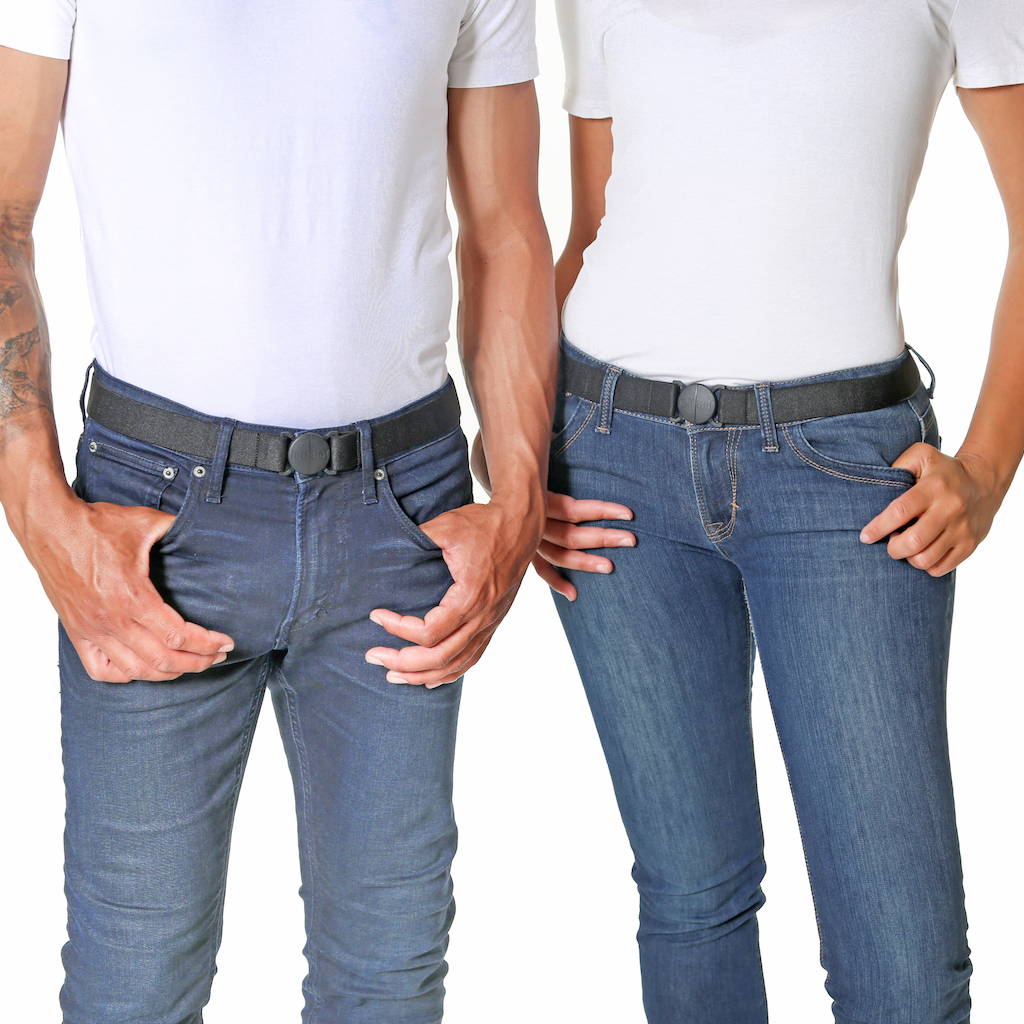
2. Use the belt for the right exercises: Weightlifting belts are designed to provide support during heavy compound lifts, such as squats, deadlifts, and overhead presses. Avoid using the belt for isolation exercises or exercises that don't require significant core stabilization, as it may hinder your natural movement and cause discomfort.
3. Don't rely on the belt for core strength: While a weightlifting belt can provide additional support during heavy lifts, it's essential not to rely on it as a substitute for core strength. Continue to train your core muscles through exercises like planks, leg raises, and Russian twists to maintain a strong and stable foundation for your lifts.
4. Gradually increase the weight: When using a weightlifting belt for the first time, start with lighter weights to familiarize yourself with the added support and stability. Gradually increase the weight as you become more comfortable and confident with the belt.
5. Listen to your body: Always pay attention to your body's signals and adjust the belt accordingly. If you feel any discomfort, pain, or difficulty breathing, loosen the belt or remove it altogether. Remember, safety should always be your top priority when weightlifting.
By following these tips, you can ensure that you're using your women's weightlifting belt safely and effectively, maximizing its benefits while minimizing the risk of injury. Remember, a weightlifting belt is a valuable accessory, but it's essential to use it correctly and in conjunction with proper lifting techniques and core strength training.
Conclusion: The Best Weight Lifting Belt and Accessories for Women
How to Choose the Right Size of Weight Lifting Belt for Women
How to Choose the Right Size of Weight Lifting Belt for Women
Now that you're familiar with the different types of weight lifting belts for women, it's crucial to find the perfect size to ensure maximum support, safety, and comfort during your workouts. Choosing the right size of a women's weightlifting belt involves taking accurate measurements, understanding sizing charts, and trying on belts for the best fit. Follow these steps to find the ideal size for your female weight lifting belt:
Step 1: Measure Your Waist
Begin by measuring your waist circumference at the level where you'll wear the belt, which is typically around the navel. Use a flexible measuring tape and ensure it's snug but not too tight. Record your measurement in inches or centimeters, depending on the sizing chart provided by the belt manufacturer.
Step 2: Consult the Sizing Chart
Refer to the sizing chart provided by the belt manufacturer to determine the appropriate size based on your waist measurement. Keep in mind that sizing may vary between brands, so always consult the specific chart for the belt you're considering. If your measurement falls between two sizes, it's generally recommended to choose the larger size for a more comfortable fit.
Step 3: Try on the Belt
When possible, try on the belt before purchasing to ensure it fits correctly. The belt should feel snug and secure around your waist without causing discomfort or restricting your breathing. When fastened, you should be able to fit one or two fingers between the belt and your body. If the belt is too tight or too loose, consider trying a different size or style.
Step 4: Test the Belt During a Workout
Once you've found a belt that fits well, test it during a workout to ensure it provides the necessary support and comfort. Perform various exercises, such as squats and deadlifts, to assess the belt's performance. If the belt feels uncomfortable or doesn't provide adequate support, consider trying a different size or style.
In summary, choosing the right size of a women's weightlifting belt is essential for optimal performance, safety, and comfort. By taking accurate measurements, consulting sizing charts, and trying on belts, you can find the perfect fit for your needs. Remember that the best weight lifting belts for women should provide excellent support without causing discomfort or restricting movement, so don't hesitate to try different sizes and styles until you find the ideal belt for your weightlifting journey.
Top 5 Best Weight Lifting Belts for Women
Now that you know how to choose the right size of a weight lifting belt for women, let's dive into our top 5 best weight lifting belts for women. These belts have been selected based on their design, materials, comfort, and support, as well as positive reviews from female weightlifters. Keep in mind that personal preferences may vary, so it's essential to find the belt that works best for you and your specific needs.
1. Rogue Women's 3" Nylon Weightlifting Belt
This belt is specifically designed for women, featuring a 3-inch width for optimal support and comfort. The Rogue Women's Nylon Weightlifting Belt is made from durable nylon and features a quick-release buckle for easy adjustments. Its lightweight design makes it an excellent choice for those new to weightlifting or those who prefer a more flexible belt. 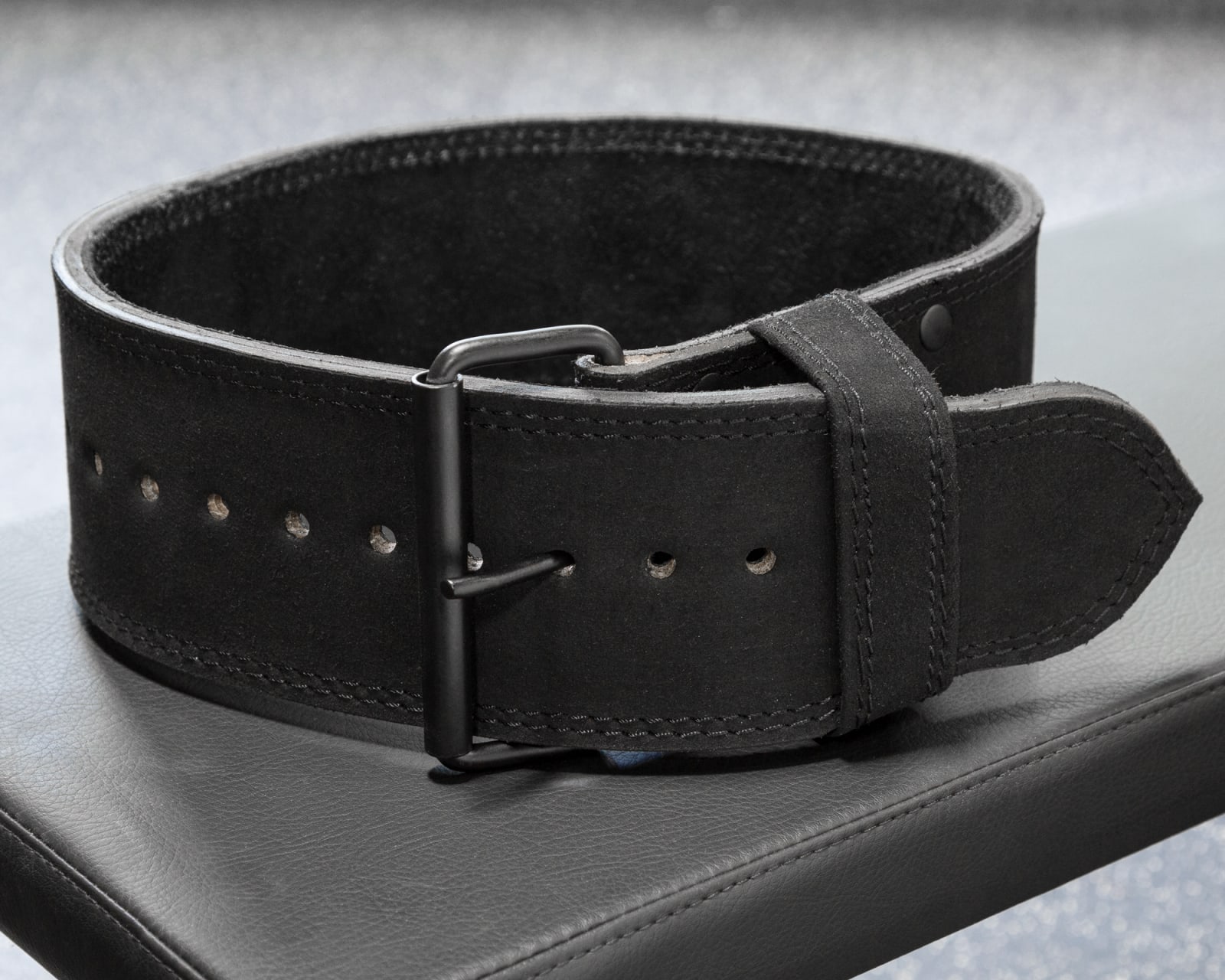
2. Schiek Sports Model 2004 Women's Lifting Belt
The Schiek Sports Model 2004 Women's Lifting Belt is a popular choice among female weightlifters, thanks to its contoured design and patented cone shape. This belt provides excellent support while allowing for a full range of motion during lifts. The belt is made from heavy-duty nylon and features a dual closure system for a secure fit. 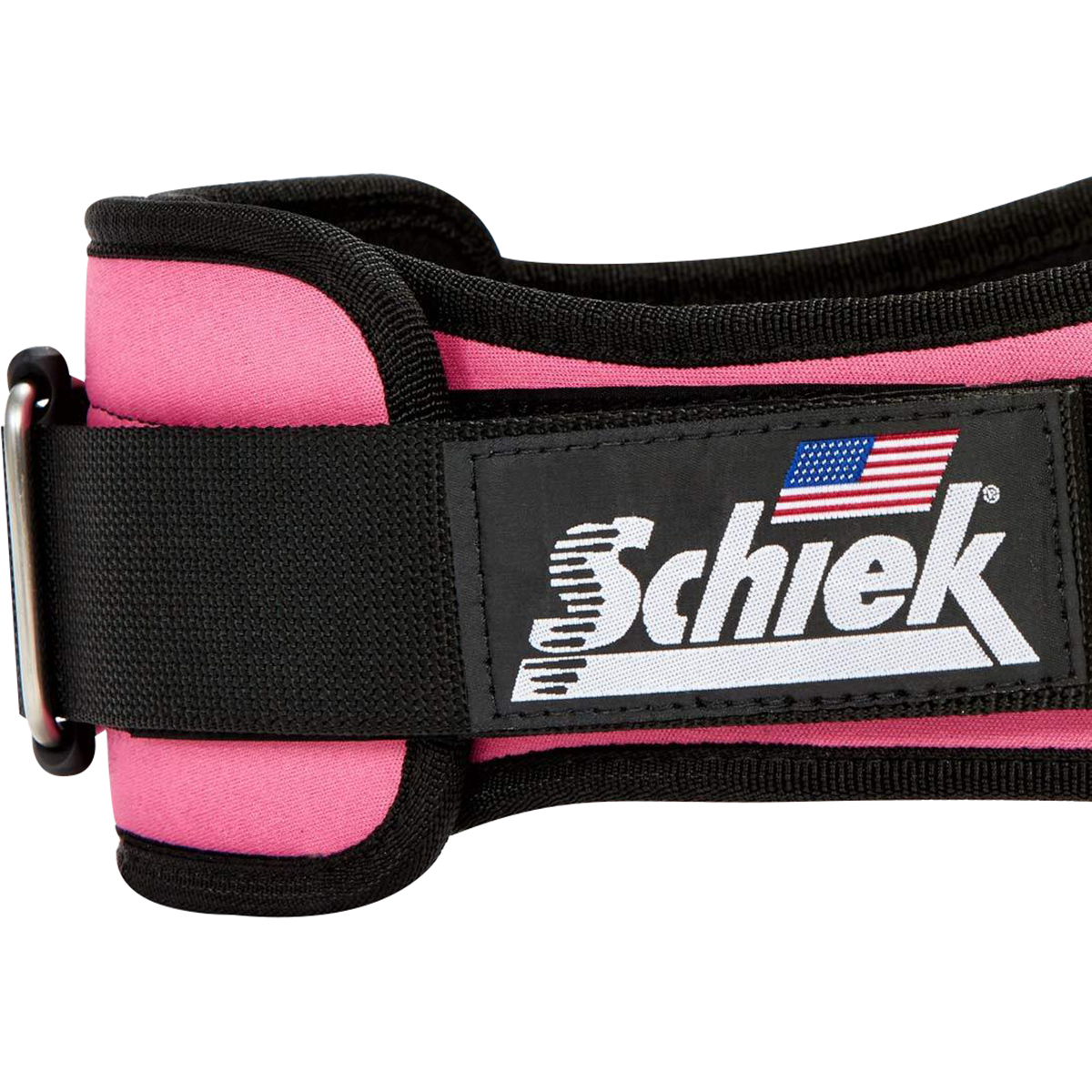
3. Eleiko Women's Weightlifting Belt
Eleiko is a well-known brand in the weightlifting world, and their Women's Weightlifting Belt is no exception. This belt is made from high-quality leather and features a single-prong buckle for easy adjustments. The 4-inch width provides excellent support, making it suitable for both beginners and experienced lifters.
4. Harbinger Women's Foam Core Lifting Belt
The Harbinger Women's Foam Core Lifting Belt is designed for comfort and support, featuring a foam core interior and a plush tricot lining. The 5-inch width provides excellent support, while the flexible design allows for a full range of motion. The belt is made from durable nylon and features a heavy-gauge steel buckle for a secure fit.
5. Inzer Advance Designs Forever Lever Belt
While not specifically designed for women, the Inzer Forever Lever Belt is a popular choice among female weightlifters due to its high-quality materials and excellent support. This belt is made from genuine leather and features a lever closure system for easy adjustments. The 4-inch width provides excellent support, making it suitable for both beginners and experienced lifters. 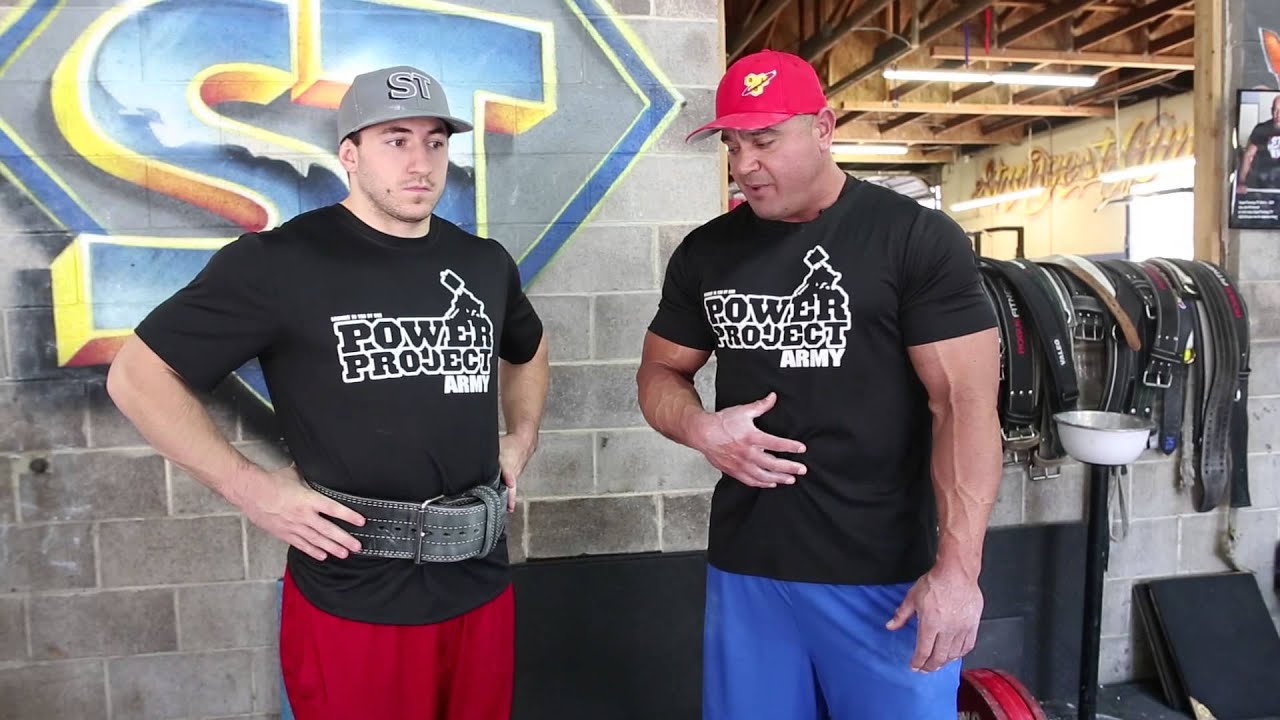
In conclusion, the best weight lifting belts for women should provide excellent support, comfort, and durability. The top 5 belts listed above have been chosen based on their design, materials, and positive reviews from female weightlifters. Remember to consider your personal preferences and needs when choosing a women's lifting belt, and don't hesitate to try different sizes and styles until you find the perfect fit for your weightlifting journey.
No comments yet. Be the first to share your thoughts!