
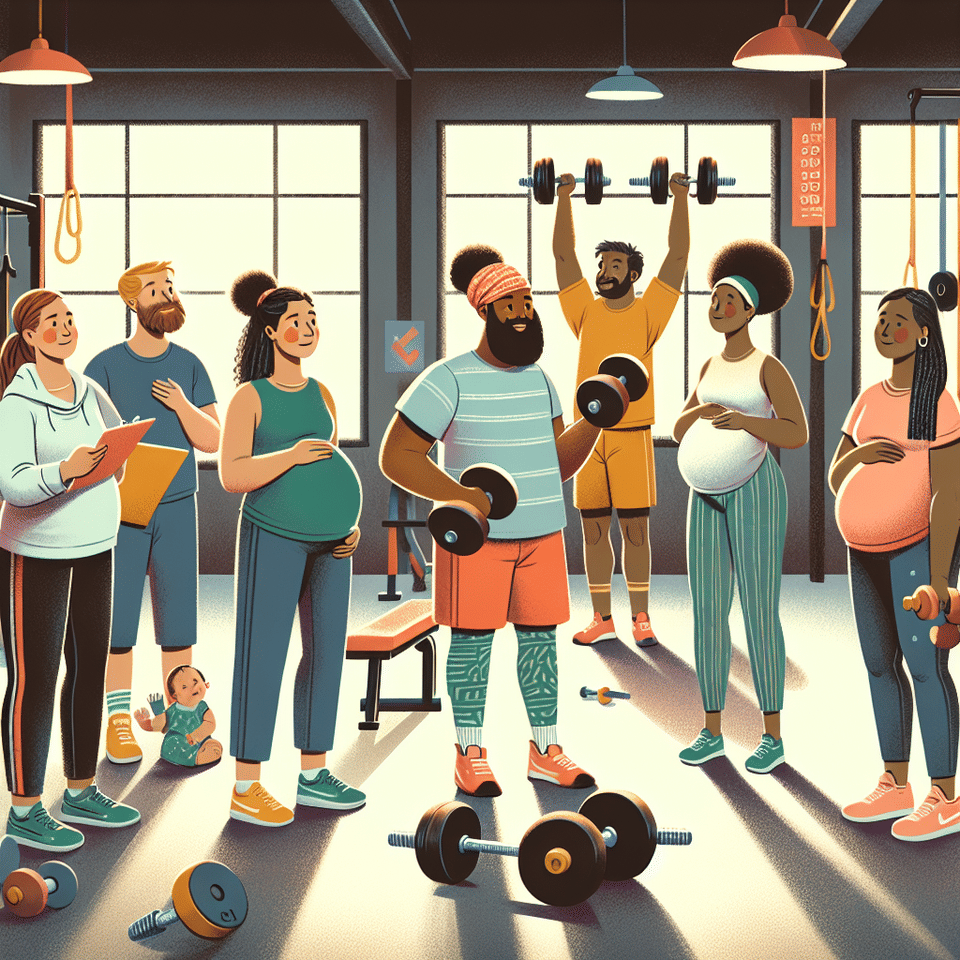

Embarking on the journey of pregnancy brings a whirlwind of emotions, questions, and sometimes fears. Among the myriad of considerations for expectant mothers is the question of whether or not to continue weightlifting. The fear that weightlifting might negatively affect pregnancy is common, but armed with knowledge and guidance, you can navigate this path safely and confidently.
The Interplay Between Weightlifting and Pregnancy
Understanding the relationship between weightlifting and pregnancy is crucial. It's a dance between maintaining strength and acknowledging the body's changing needs. Weightlifting can be beneficial during pregnancy, as it strengthens muscles, improves posture, and reduces discomfort. However, it's essential to approach this exercise regimen with an informed mindset.
To demystify this topic, we'll delve into how weightlifting impacts an expectant mother's body and address common misconceptions. For more detailed safety practices tailored to your pregnancy journey, explore our resources on safety tips and essential precautions.
Navigating First Trimester Concerns
The first trimester is a time of significant change as your body embarks on the miraculous process of growing new life. During these initial weeks, it's not uncommon for women to question if continuing their weightlifting routine is safe. The answer lies in customization and moderation.
For those who have been lifting weights prior to conception, it's generally safe to continue with some modifications. Familiarize yourself with trimester-specific guidelines that ensure your routine supports both you and your baby's health.
Listening to Your Body: Adjustments for Safe Lifting
Your body will give you signals that are too important to ignore. As your pregnancy progresses, physical changes may necessitate adjustments in your lifting technique or routine intensity. Embrace these changes by seeking out resources like our exercise modifications guide, which offers alternative exercises that are gentler yet effective.
Lift Smart, Mama!
- Consult Your Doctor - Begin any exercise regimen with your healthcare provider's approval, especially when expecting.

- Listen to Your Body - Tune into your body's signals and modify intensity accordingly to avoid overexertion.

- Focus on Form - Prioritize proper technique over the amount of weight to reduce the risk of injury.
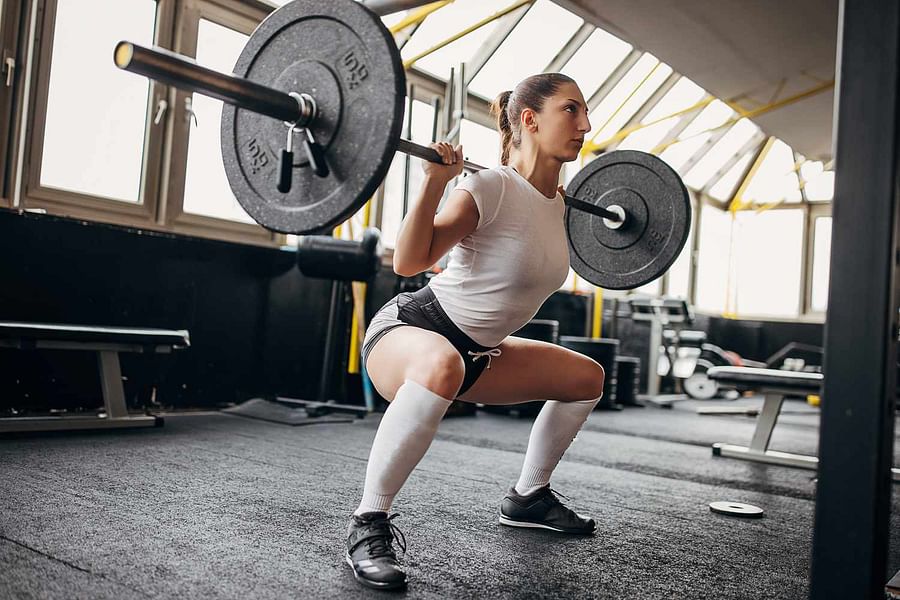
- Reduce Weight Load - Opt for lighter weights to maintain fitness without straining your changing body.
- Stabilize Your Core - Engage in exercises that strengthen your core to support your growing belly.
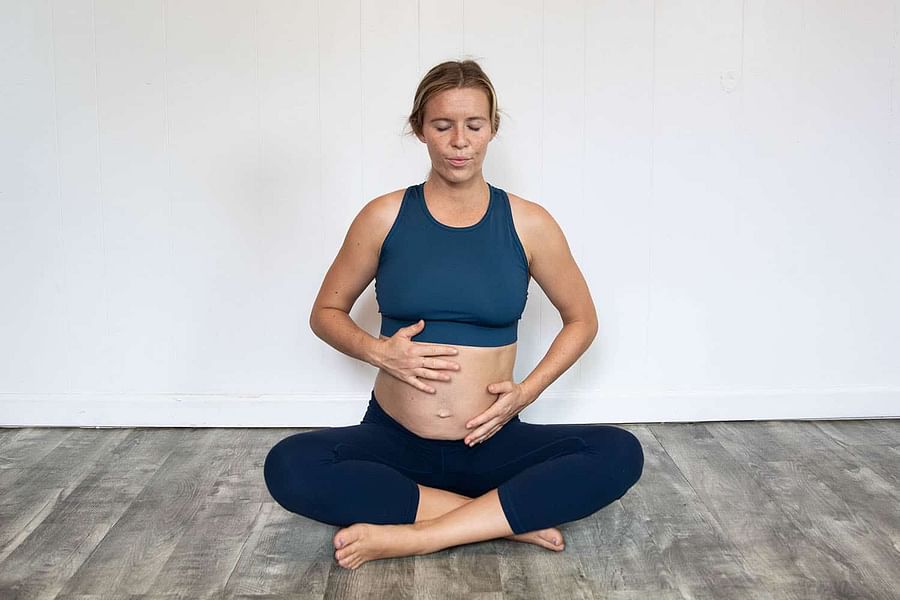
- Avoid Lying Flat - After the first trimester, skip exercises that require lying on your back to prevent pressure on your vena cava.
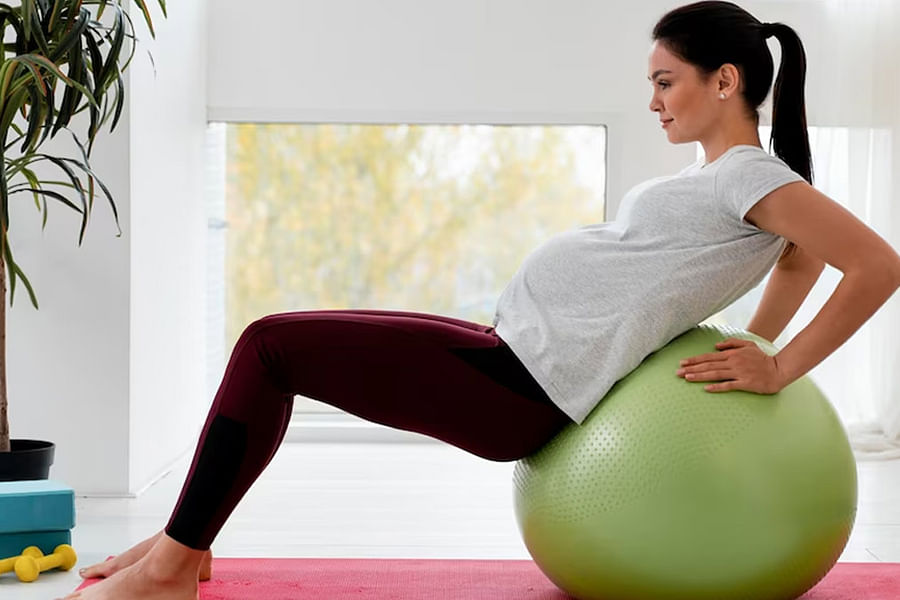
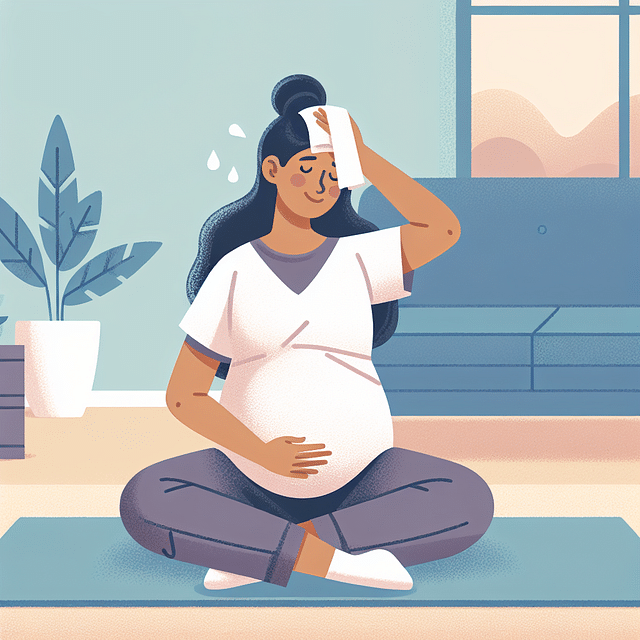
- Keep Cool - Ensure your workout environment is well-ventilated to prevent overheating, which can be risky during pregnancy.
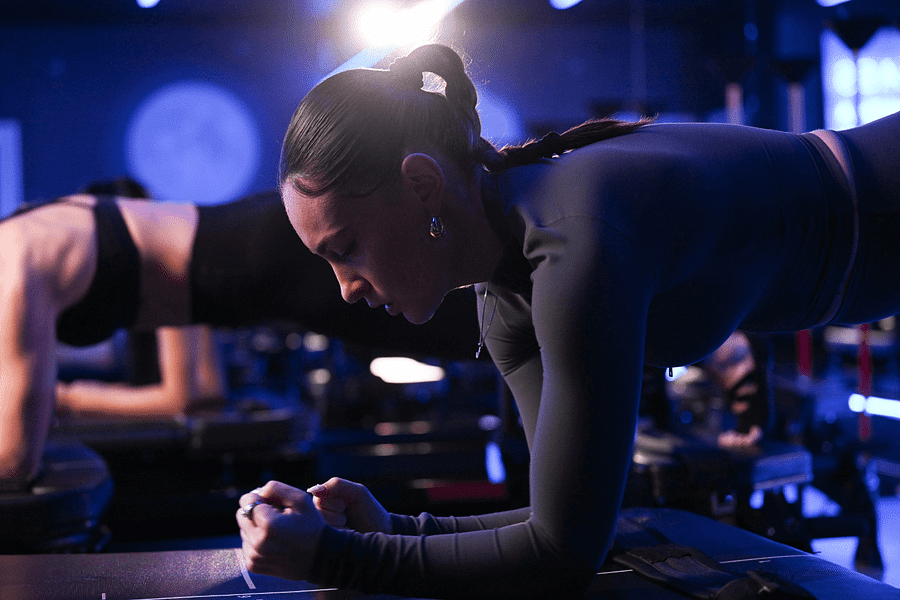
- Stay Hydrated - Drink plenty of water before, during, and after your workout to stay hydrated.
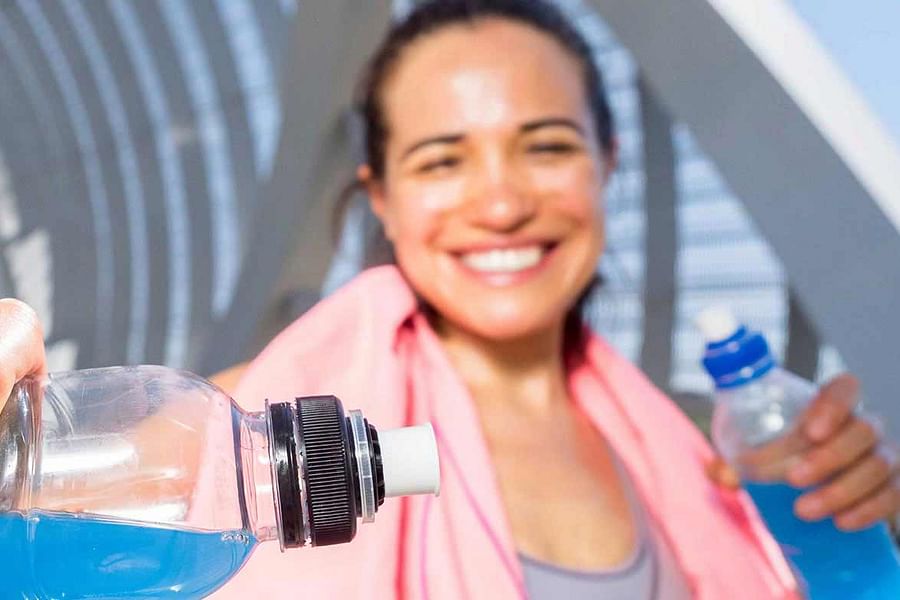
- Limit High-Impact Moves - Choose low-impact weightlifting routines to minimize joint stress and maintain balance.
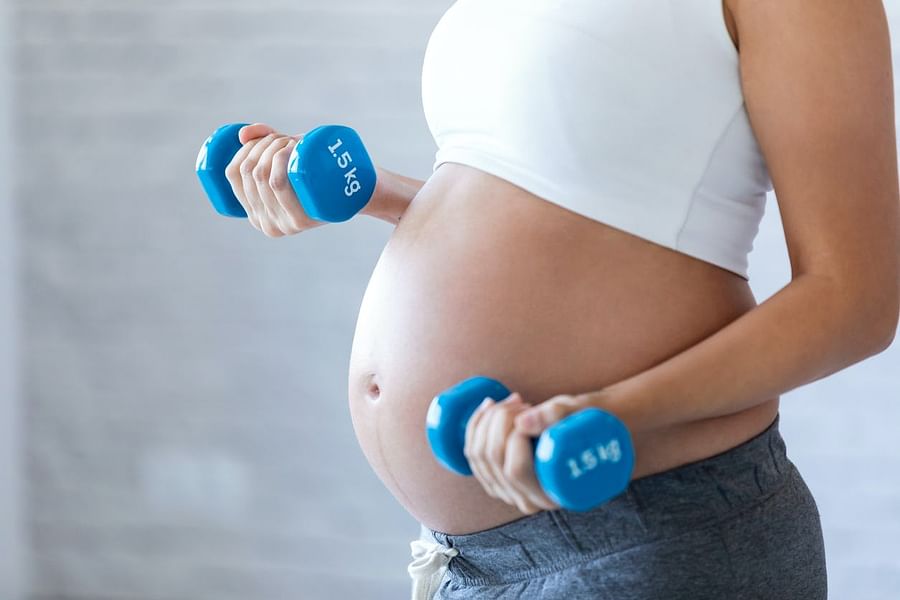
- Monitor Your Heart Rate - Keep your heart rate at a safe level to ensure you and your baby are getting enough oxygen.
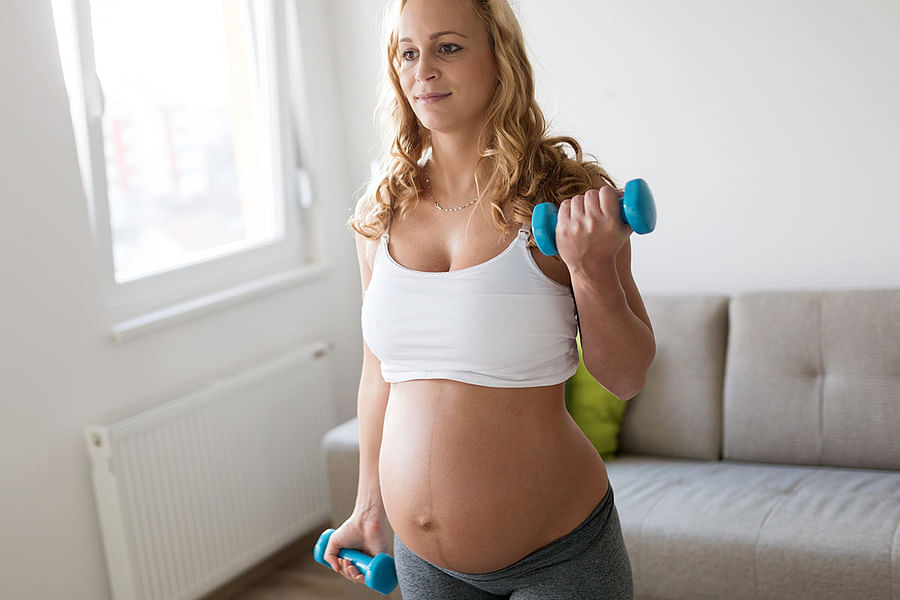
Remember that while some discomfort is normal during pregnancy, pain is not. If you experience any unusual symptoms while lifting weights, such as dizziness or contractions, it’s time to pause and consult with your healthcare provider.
What's Your Biggest Concern About Weightlifting During Pregnancy?
After reading about the common fears associated with weightlifting while expecting, we're curious to know what concerns you the most. Share your top worry with us!
To ensure you're using proper form that accommodates your growing belly and shifting center of gravity, consider using accessories like specialized weightlifting belts for pregnant women. These tools can offer support and help prevent injury.
In conclusion—well actually not quite yet! We've only just begun untangling the complexities surrounding weightlifting during pregnancy. Stay tuned as we continue to explore how strength training can be a powerful ally for expectant mothers when approached thoughtfully.
As we delve deeper into the topic, it's essential to understand that weightlifting during pregnancy should not be a one-size-fits-all approach. Every woman's body and every pregnancy is unique, and thus, requires a personalized touch. Here, we'll explore how to safely continue your strength training journey while expecting.
Modifying Your Weightlifting Routine for Each Trimester
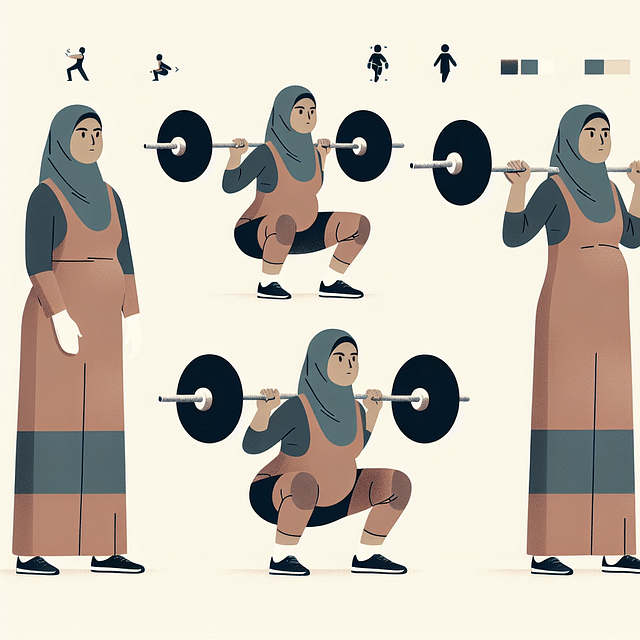
As your body changes, so should your workout routine. The first trimester might not necessitate significant changes, but as you progress, modifications become crucial for comfort and safety. For instance, swapping out flat bench presses with incline variations can reduce the strain on your back and accommodate your growing belly.
For more specific guidance, check out our Trimester-Specific Weight Lifting Guide for Expectant Mothers. It's packed with tips tailored to each stage of pregnancy.
The Role of Weightlifting Belts During Pregnancy
Using a weightlifting belt can provide additional support for your core and back. However, during pregnancy, traditional belts may not be suitable due to the pressure they exert on the abdomen. Fortunately, there are belts designed specifically for pregnant women that offer support without compromising safety or comfort.
To find the right belt for you, visit our comprehensive guide at Weight Lifting Belts for Pregnant Women: A Comprehensive Safety Guide.
Safeguard Your Bump: Top Picks for Pregnancy-Safe Weightlifting Belts
Pelvic Floor Considerations
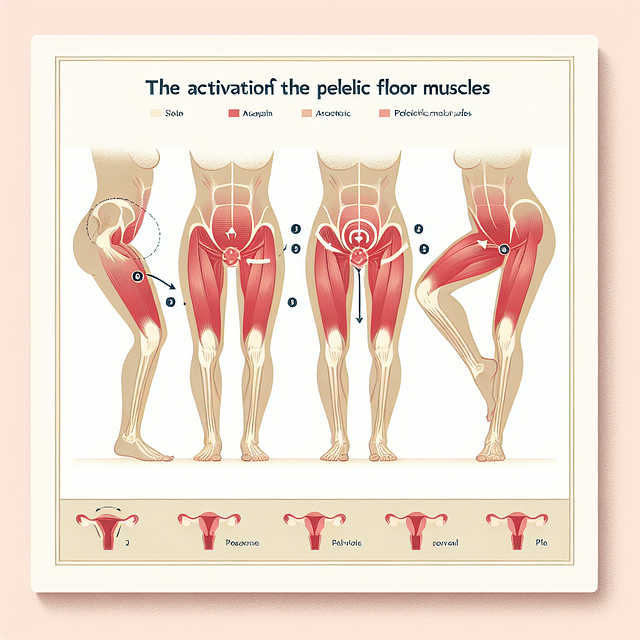
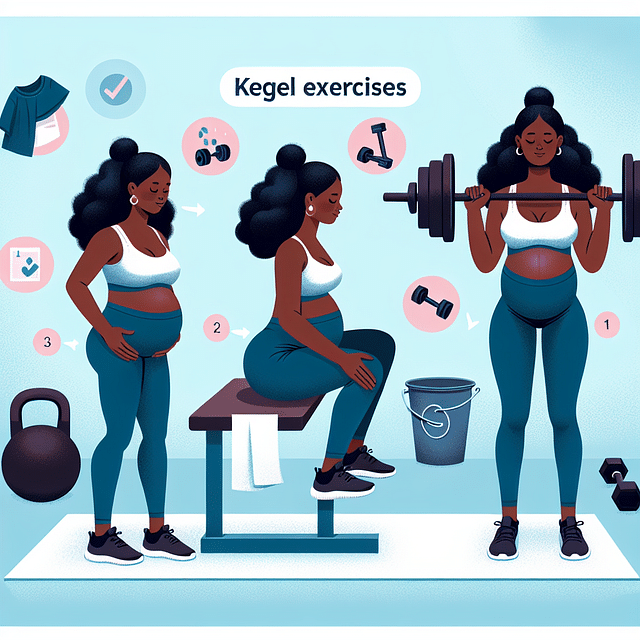
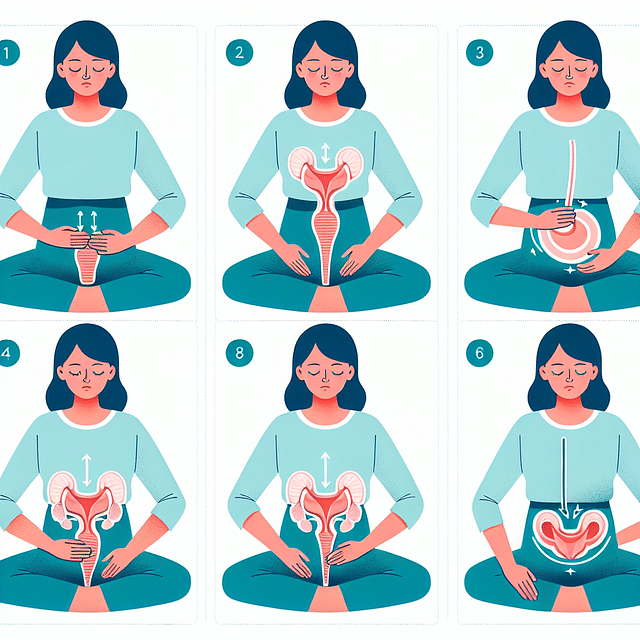
The pelvic floor muscles play a pivotal role during pregnancy and childbirth. Strengthening these muscles through appropriate exercises can be beneficial; however, heavy lifting without proper form or awareness can lead to unnecessary strain on these areas. Incorporating pelvic floor exercises into your routine can help maintain strength and prevent issues such as incontinence postpartum.
For detailed instructions on pelvic floor strengthening exercises suitable for weightlifters, take a look at our Pregnancy-Safe Weightlifting Exercise Modifications Guide.
Empowering Your Pregnancy: Pelvic Floor Strength for Weightlifters
Dispelling Myths: Can Weightlifting Cause Miscarriage?
A fear that haunts many is the myth that weightlifting could lead to miscarriage. Let's set the record straight—there is no conclusive evidence linking moderate weightlifting to miscarriages in healthy pregnancies. What matters most is listening to your body and consulting with healthcare professionals who understand your fitness lifestyle.
To further debunk common misconceptions about weightlifting and pregnancy, engage in our interactive content:
[quiz: Quiz on common myths about weightlifting during pregnancy]Maintaining an active lifestyle through weight training can actually provide numerous benefits during pregnancy—improved mood, better sleep patterns, increased stamina for labor, and quicker postpartum recovery are just a handful of potential perks.
Your Support Network Matters
Last but not least, surround yourself with a support network that includes healthcare providers knowledgeable about exercise during pregnancy as well as fellow lifting enthusiasts who have walked this path before you. Online forums and local fitness groups can be invaluable resources where you can share experiences and get advice.
If you're looking to connect with other expectant mothers who lift, join our community poll:
Did you continue weightlifting during pregnancy?
We're curious to hear about your experiences with weightlifting while expecting. Share your journey with us!
To sum up this empowering journey—yes, you can continue lifting weights while pregnant! With careful consideration of technique adjustments according to trimester changes, appropriate use of supportive accessories like specialized belts, attention to pelvic floor health, dispelling harmful myths with facts from reliable sources—you're setting yourself up for a strong and healthy pregnancy journey.
Before you go hoisting those dumbbells though—always remember that safety comes first! Take our Safety Practices for Weight Lifting During Pregnancy Quiz or explore our essential safety tips at Essential Safety Tips To Follow While Lifting Weights During Pregnancy. Your body will thank you today—and tomorrow!
No comments yet. Be the first to share your thoughts!