

Embracing the Weights: A Starter's Guide to Pregnancy Workout Safety
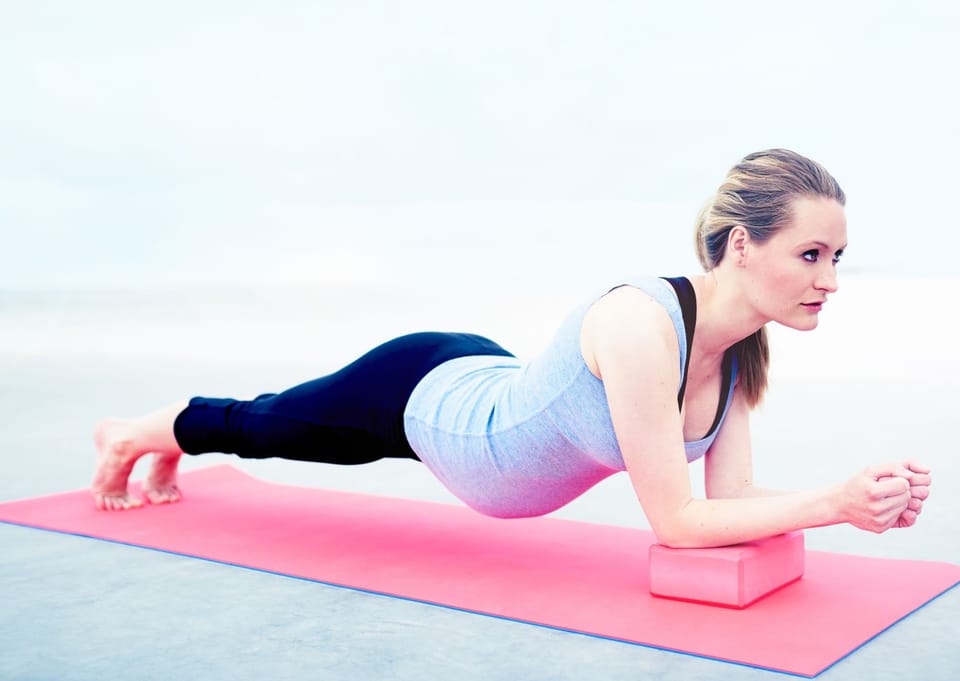
Picture this: You're an expectant mother, and you're standing in the gym, staring at the weights section with a mix of anticipation and trepidation. The question swirling in your mind is, "Can I continue my weightlifting routine while I'm pregnant?" The answer is a resounding yes, with a few caveats. Despite the fears and misconceptions, pregnant weight training can be a safe and beneficial part of your pregnancy journey. It's all about understanding your changing body, taking the right precautions, and knowing your limits. But remember, before you grab those dumbbells and start your pregnancy workout safety regime, it's crucial to consult with your healthcare professional. Ready to dive in? Let's debunk some myths and learn about the benefits of weightlifting during pregnancy.
The Pregnancy Transformation: How Your Body Adapts and What It Means for Your Gym Routine
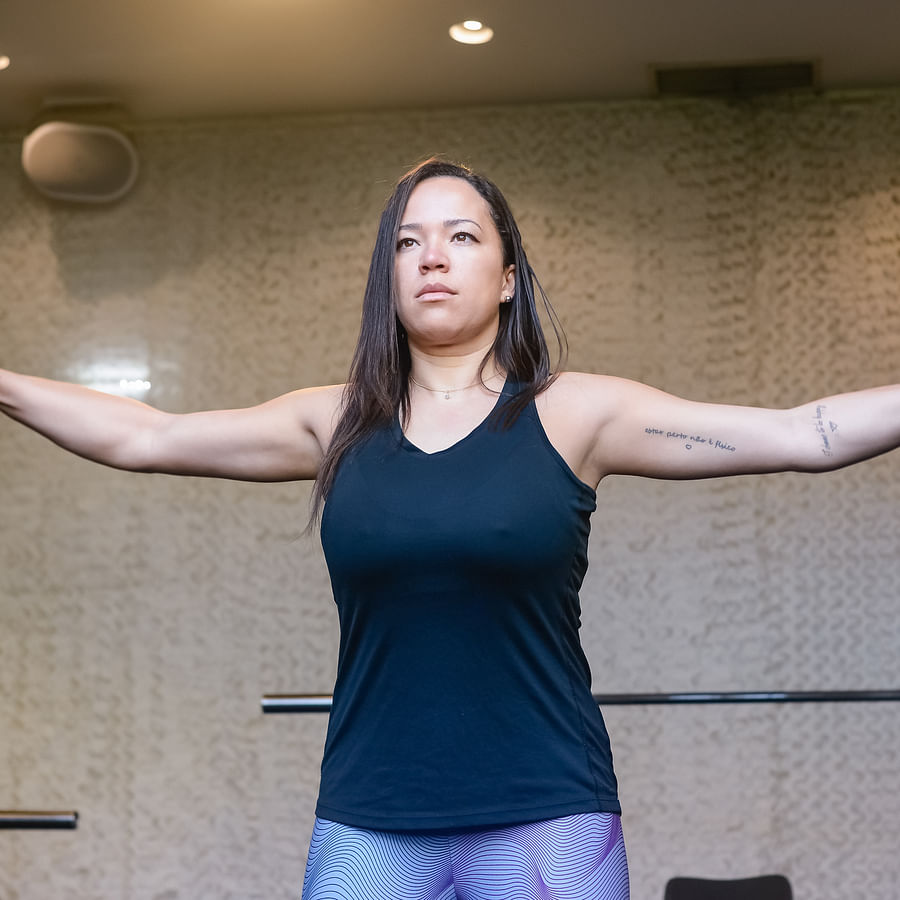
As an expectant mother, your body becomes a fascinating landscape of change. Your center of gravity shifts, making balance a new challenge. Hormonal changes are also at play, affecting your joints and ligaments, making them more flexible, but also more susceptible to injury. These changes aren't just curiosities - they're crucial to understand when it comes to pregnant weightlifting safety. It's like learning to navigate a whole new body while weight training whilst pregnant. But don't let this deter you from maintaining an active lifestyle. With the right precautions, weightlifting during pregnancy can be a safe and beneficial part of your pregnancy workout routine. After all, wouldn't it be empowering to be both a mom-to-be and a weightlifting pro?
Changes in the Body Across Different Stages of Pregnancy
Safety First: Essential Do's and Don'ts for Pregnant Weight Training
When it comes to pregnant weight training, safety should always be your top priority. It's all about embracing a delicate balance between maintaining fitness and protecting both you and your baby. Here's the golden rule: never lift weights that strain your body excessively. Instead, opt for lighter weights and focus on maintaining proper form. This approach minimizes the risk of injury and ensures you're working your muscles without overloading them.
It's also essential to listen to your body. If you feel discomfort, it's a clear signal to stop or modify what you're doing. Remember, pregnancy isn't a time for pushing boundaries or setting personal bests, but rather for maintaining health and wellbeing.
Want to ensure you're on the right track? Check out these safety precautions and proper weightlifting techniques to avoid injury. And if you're interested in other ways to stay fit and healthy during pregnancy, why not consider prenatal Pilates?
Now that we've discussed the safety measures and precautions, let's put them into a handy checklist. This will ensure a safe weight lifting routine during your pregnancy.
Great job on completing the checklist! Now, let's move on to recommended exercises and techniques that are suitable and beneficial during pregnancy.
Sculpting Strength Safely: Pregnancy-Friendly Weightlifting Techniques
As the belly grows, your workout needs to adapt. Let's dive into some pregnancy-safe gym workouts that not only keep you fit but also prepare your body for labor. The standing row, for instance, strengthens your back, helping counterbalance your shifting center of gravity. You can perform this on a low-impact cable machine using lighter weights.
How about squats? They're a fantastic way to strengthen your lower body and core, but as your belly grows, maintaining balance might be challenging. Try wall squats or plie squats, they offer added stability.
Remember, the golden rule of pregnant weight training is to listen to your body. If an exercise feels uncomfortable, modify it or switch to a different one. And always, always, keep your safety first. Need a visual guide? Check out this comprehensive safety guide designed specifically for expectant mothers.
Now that we've discussed the suitable exercises, let's delve into a detailed, trimester-specific guide for performing these safe weight lifting exercises during pregnancy.
Trimester-Specific Weight Lifting Guide for Expectant Mothers
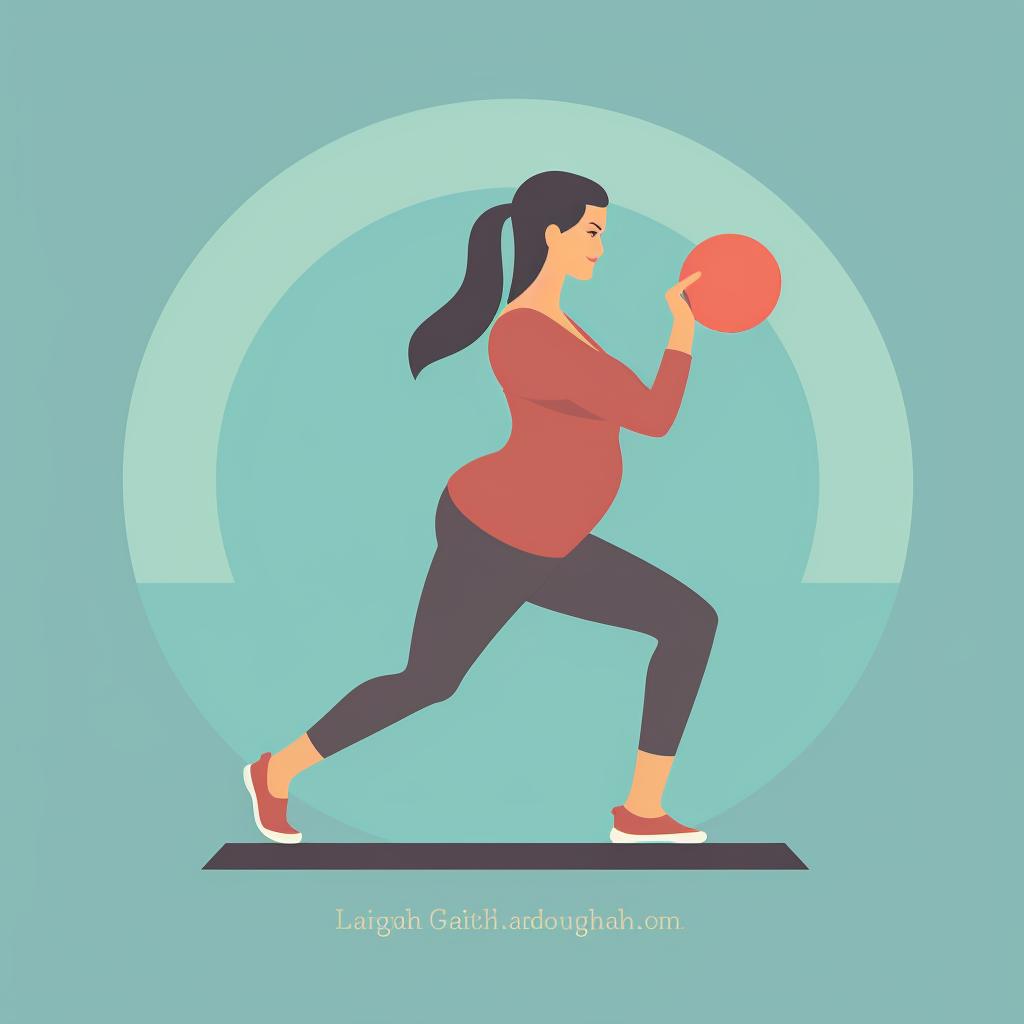


Learn more about Trimester-Specific Weight Lifting Guide for Expectant Mothers 👶 or discover other Club Lifted guides.
Remember, everyone's pregnancy journey is unique, so what works for one person might not work for another. The above guide is a general recommendation, but always listen to your body and consult with your healthcare provider. Let's now watch a video demonstration of these pregnancy-safe weight lifting exercises.
Now that we've gone through the step-by-step guide for performing safe weight lifting exercises during each trimester, let's look at a video demonstration. This video will help you visualize the exercises and perform them correctly.
After watching the video, you should have a better understanding of how to perform these exercises safely. But remember, it's essential to listen to your body and understand the signs of overexertion. In the next section, we will discuss what overexertion looks like and when to stop exercising.
Know Your Limits: Recognizing Overexertion and When to Pause Your Pregnancy Gym Workout
It's a beautiful dance, this pregnant weight training. But how can you tell when the music's too loud? Overexertion during pregnancy isn't a tango you want to engage in. Know the signs: shortness of breath, dizziness, palpitations, or any discomfort in your belly. These are your body's way of saying, "Hey, let's take a breather!"
Feeling unusually fatigued? That's another sign to dial it down. Remember, you're not just lifting for one anymore. Your body is already working overtime growing a tiny human. It's okay to take it easy.
And if you're unsure? Check out our tips to avoid injury when weightlifting or safety tips to remember when lifting weights. Safe weightlifting for expectant mothers is a marathon, not a sprint. Ready to lace up those shoes?
Signs of Overexertion in Pregnant Weightlifters
Now that we've discussed the signs of overexertion and when to stop exercising, let's address some frequently asked questions about weight lifting during pregnancy.
After going through these FAQs, why not test your knowledge with our interactive quiz on key safety practices while weight lifting during pregnancy?
Safety Practices for Weight Lifting During Pregnancy
Test your understanding of the safety practices and precautions for weight lifting during pregnancy.
Learn more about 🤰 Safety Practices for Weight Lifting During Pregnancy 🏋️♀️ or discover other Club Lifted quizzes.
The Final Lift: Concluding Thoughts on Safe Weightlifting for Expectant Mothers
And there it is, dear readers, our journey through the world of pregnant weight training and its nuances. We've elbowed our way through the misconceptions, embraced the bodily changes, and chalked our hands ready to take on those weights. But remember, every journey is unique. Your pregnancy workout safety is paramount, so always listen to your body and consult with your healthcare professional.
As you navigate your way through the gym, remember the pregnancy safe gym machines we discussed. Be mindful of your body's signals - it's the best guide you have.
And you, expectant mothers, are stronger than you think. Each lift, each squat, each step you take towards a healthier you is a victory. So, here's to you, the real heavy lifters. Carry on, but carry safe. If you want to know more about safe weightlifting, take a look at our safety tips and steps for safe lifting.

No comments yet. Be the first to share your thoughts!