
Setting up your lifting kit
Club Lifted Accessories works best as a sequence, not a scramble through settings. Do the minimum first: confirm compatibility, connect the core hardware, update only when needed, and test the result before adding optional features. That order keeps the task understandable and makes failures easier to isolate. After each step, pause long enough for the interface to finish syncing. Many setup problems are timing problems disguised as configuration problems. If the same step fails twice, record the exact error, restart the smallest affected piece, and retry before moving deeper.
The simplest way to use this section is to keep the setup small, verify each change, and record the stable configuration before adding optional accessories.
Choosing the right footwear
Stable footwear is the foundation of a safe lift. Without a solid base, force dissipates into the floor rather than driving the weight upward. Club Lifted accessories are designed to complement this stability, but your shoes must do the heavy lifting. Here is how to select a pair that meets pro weightlifter standards for safety and performance.
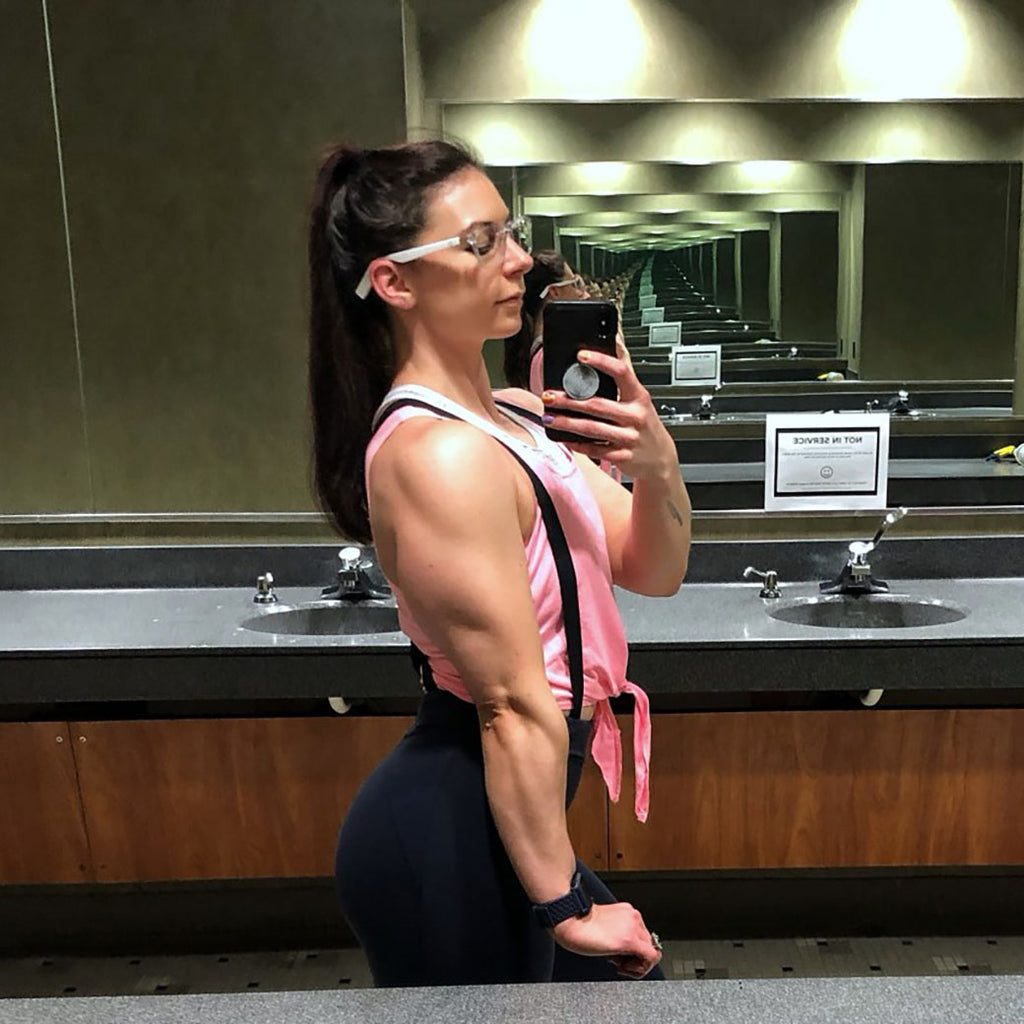
Avoid running shoes with soft, squishy foam. When you squat or deadlift, a soft sole compresses, making you unstable and increasing injury risk. Look for shoes with a rigid, non-compressible sole. This firmness ensures that every ounce of force you generate goes directly into moving the barbell.
Weightlifting shoes often feature an elevated heel, typically between 0.5 to 1 inch. This design helps those with limited ankle mobility achieve deeper squat positions while keeping the torso upright. If you have excellent mobility, a flat sole might feel more natural, but the heel lift remains a standard tool for maximizing leverage in Olympic lifts.
Your foot should not slide inside the shoe during heavy lifts. Look for models with secure closure systems, such as dual straps or laces. The fit should be snug but not painful. A secure midfoot prevents lateral movement, which is critical for maintaining balance under heavy loads and protecting your ankles.
Selecting the right shoe is not just about comfort; it is about biomechanics. By prioritizing stability, heel elevation, and lockdown, you create a reliable platform for your lifts. This foundation allows you to train harder and safer, ensuring that your Club Lifted accessories support a strong, confident performance.
Selecting belts and straps
Club Lifted Accessories works best as a clear sequence: define the constraint, compare the realistic options, test the tradeoff, and choose the path with the fewest hidden costs. That order keeps the advice usable instead of decorative. After each step, pause long enough to check whether the recommendation still fits the reader's actual situation. If it depends on perfect timing, unusual access, or a best-case budget, include a simpler fallback.
| Factor | What to check | Why it matters |
|---|---|---|
| Fit | Match the option to the primary use case. | A good deal still fails if it does not fit the job. |
| Condition | Verify age, wear, and service history. | Hidden condition issues erase upfront savings. |
| Cost | Compare purchase price with likely upkeep. | The cheapest option is not always the lowest-cost option. |
Checking gear for safety
Club Lifted Accessories works best as a clear sequence: define the constraint, compare the realistic options, test the tradeoff, and choose the path with the fewest hidden costs. That order keeps the advice usable instead of decorative. After each step, pause long enough to check whether the recommendation still fits the reader's actual situation. If it depends on perfect timing, unusual access, or a best-case budget, include a simpler fallback.
The simplest way to use this section is to write down the real constraint first, compare each option against it, and choose the path that still works outside ideal conditions.
Avoid Common Lifting Mistakes with Accessories
Even the best Club Lifted accessories can lead to injury if used incorrectly. The goal of a lift club is to feel safe while lifting heavier loads with proper form, not to rely on gear to compensate for weak technique. When accessories become a crutch, you risk undermining your progress and safety.
Over-Reliance on Gear
Straps and belts are tools, not substitutes for strength. If you cannot hold the weight without straps, your grip or back may be the limiting factor. Using heavy straps for every set prevents your forearms and core from developing the necessary endurance. Reserve them for your heaviest sets where grip failure would otherwise stop the lift.
Ignoring Range of Motion
Wearing a belt does not give you permission to cut corners on your squat depth or deadlift lockout. A Club Lifted belt supports your intra-abdominal pressure, but it does not extend your range of motion. Maintaining full depth ensures balanced muscle development and joint health. Shortening your reps to move more weight with a belt increases shear force on the spine.
Improper Fit and Tightness
A belt that is too loose offers no support, while one that is too tight restricts breathing and movement. Adjust your Club Lifted belt so you can take a deep breath and brace against the resistance. It should feel firm, not restrictive. Similarly, wrist wraps should support the joint without cutting off circulation. Test your setup with a warm-up set before loading the bar.
Skipping Warm-Ups
Accessories should not replace proper warm-ups. Dynamic stretching and light sets prepare your joints and nervous system for heavy loads. Jumping straight into max efforts with tight wraps or belts increases the risk of acute injury. Treat your accessories as the final layer of protection, not the first step in your routine.
Frequently asked: what to check next
Are Club Lifted accessories safe for heavy lifts?
Yes, provided you select gear rated for your specific load. The Lifting Club focuses on athleisure and culture, so their apparel is not designed for heavy lifting. For safety, pair their aesthetic with dedicated, certified weightlifting belts and straps that meet professional standards for tensile strength and durability.
Can I wear Club Lifted clothing while training?
Absolutely. Their Smart Fit line is designed to accommodate various physiques and allow for full range of motion. The fabric choice supports the "lifting lives" ethos by ensuring comfort and confidence during squats, lunges, and deadlifts without restricting movement or compromising hygiene.
How do I maintain Club Lifted gear?
Treat your Club Lifted items like high-quality streetwear. Wash them in cold water and hang dry to preserve the fit and elasticity. Avoid fabric softeners, which can break down the technical fibers over time, ensuring your gear lasts through many training sessions while maintaining its elevated look.
No comments yet. Be the first to share your thoughts!