
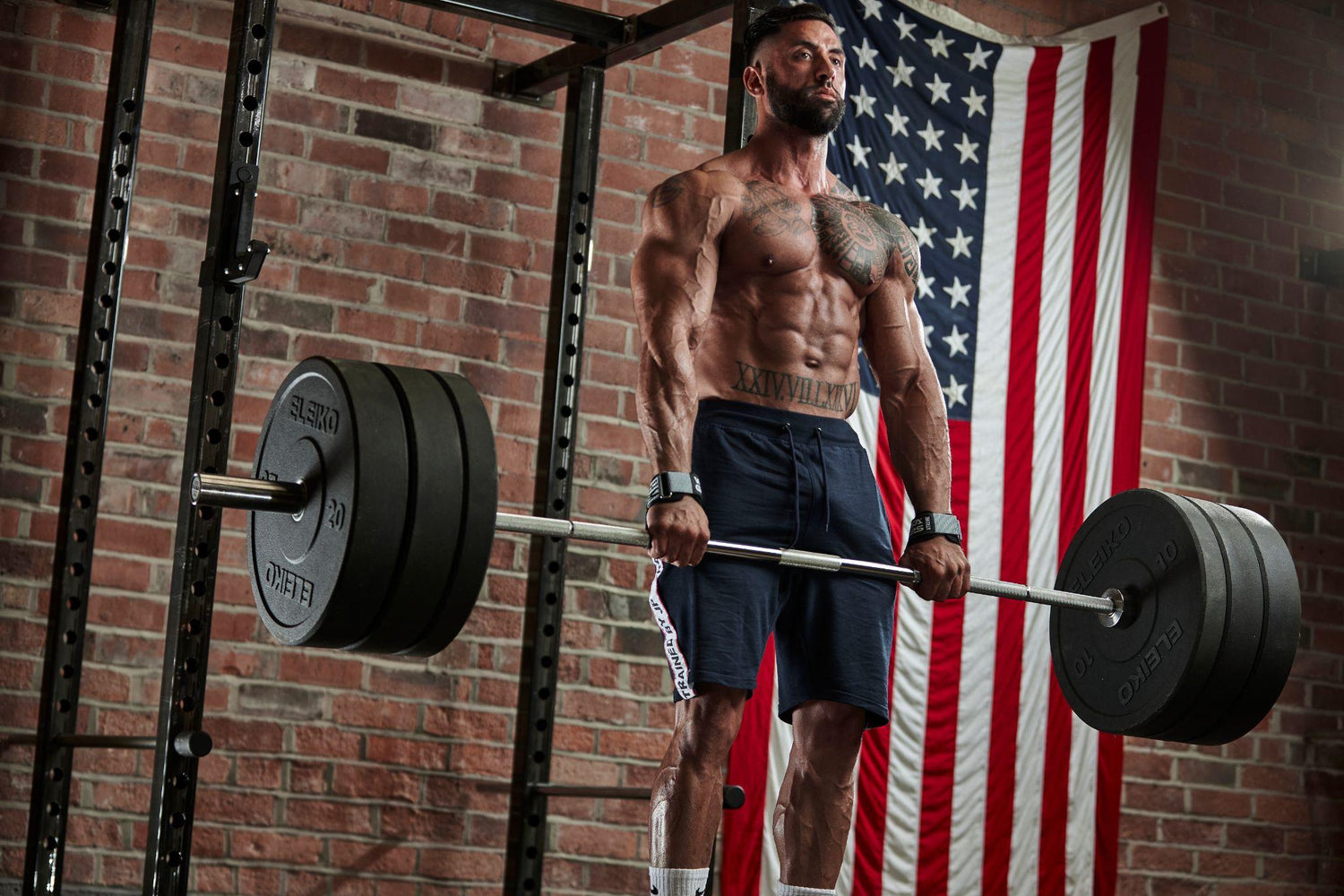

2024's Best Weightlifting Accessories Every Pro Weightlifter Needs (Complete Guide) - Part 1
Professional weightlifting demands precision, safety, and optimal performance. While technique and training programs form the foundation of success, the right weightlifting accessories can make the difference between mediocre results and exceptional achievements. This comprehensive weightlifting guide explores the essential gear that separates amateur lifters from true professionals.
The modern pro weightlifter understands that accessories serve multiple purposes: injury prevention, performance enhancement, and training consistency. From supporting your core during maximum lifts to maintaining grip strength through extended sessions, each accessory plays a strategic role in your overall training ecosystem.
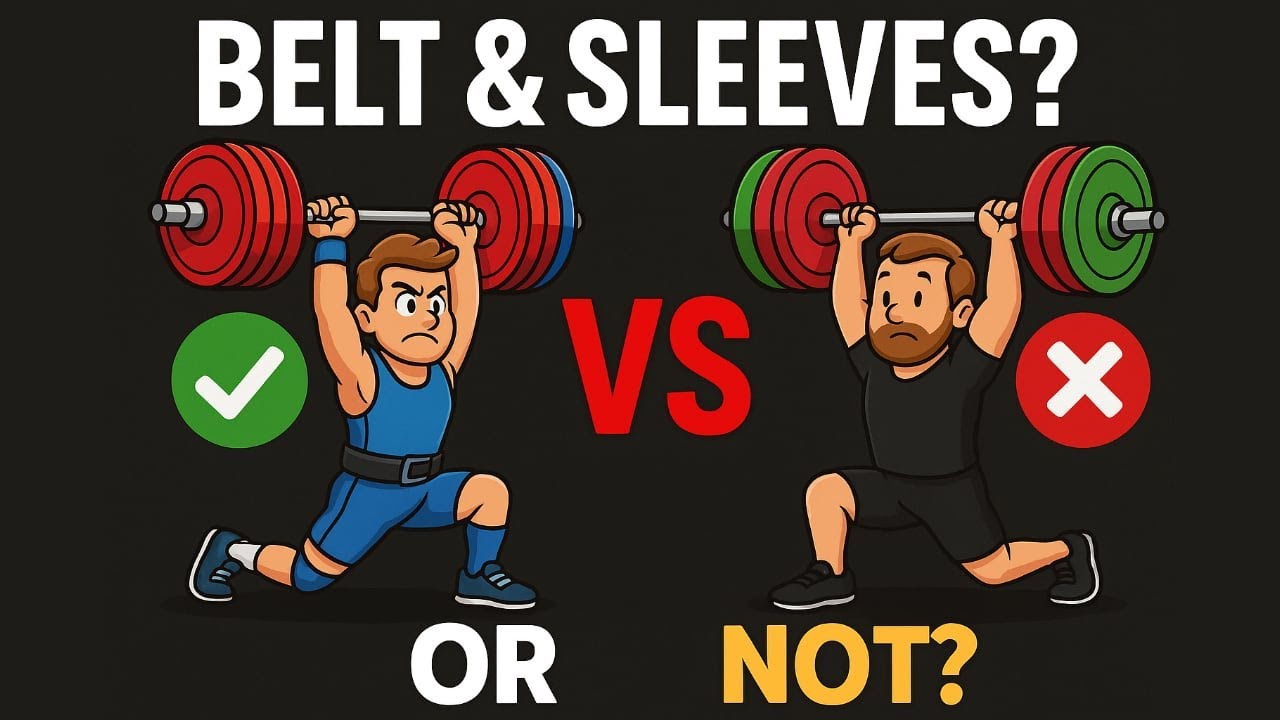
The Foundation: Essential Weightlifting Accessories for Performance
Every serious weightlifter's arsenal begins with fundamental accessories that address the most critical aspects of heavy lifting. These tools don't just enhance performance—they're often necessary for safe execution of compound movements at professional intensities.
Weightlifting Belts: Your Core's Best Ally
A quality weightlifting belt stands as perhaps the most crucial accessory for any pro weightlifter. During heavy squats, deadlifts, and overhead presses, a proper belt provides intra-abdominal pressure support, reducing spinal compression by up to 40% according to recent biomechanical studies.
Professional-grade belts feature specific characteristics that distinguish them from recreational options. Look for 10-13mm thickness in genuine leather construction, with a width of 4 inches for maximum surface area contact. The belt should maintain consistent width around the entire circumference, unlike tapered designs that compromise support.
Lifting Straps: Conquering Grip Limitations
Grip strength often becomes the limiting factor in pulling movements, preventing lifters from fully challenging their target muscles. Quality lifting straps eliminate this bottleneck, allowing pro weightlifters to focus entirely on movement mechanics and muscle activation.
Cotton and nylon straps offer different advantages: cotton provides superior grip texture but requires longer break-in periods, while nylon offers immediate comfort with slightly less durability. Professional lifters typically maintain both varieties for different training phases.
Weightlifting Belt Material Comparison: Thickness, Durability & Price Analysis
| Material Type | Thickness Range (mm) | Break-in Period | Durability Rating | Price Range (USD) |
|---|---|---|---|---|
| Genuine Leather | 10-13 | 4-6 weeks | Excellent (8-10 years) | $80-$250 |
| Suede Leather | 10-13 | 2-4 weeks | Very Good (6-8 years) | $90-$280 |
| Nylon/Synthetic | 6-10 | Immediate | Good (3-5 years) | $25-$85 |
| Velcro Nylon | 6-8 | Immediate | Fair (2-4 years) | $20-$60 |
| Pioneer Cut Leather | 10-13 | 6-8 weeks | Excellent (10+ years) | $150-$300 |
| Lever Belt Leather | 10-13 | 3-5 weeks | Excellent (8-12 years) | $120-$350 |
Safety-First Accessories for Injury Prevention
Professional weightlifting operates at intensity levels where minor equipment failures or technique breakdowns can result in serious injuries. Smart accessory selection creates multiple layers of protection without compromising performance.
Knee Sleeves and Wraps: Joint Protection Strategies
Knee health determines longevity in weightlifting careers. Knee sleeves provide consistent warmth and mild compression, improving proprioception and reducing injury risk during squatting movements. For maximum support during competition or testing phases, knee wraps offer adjustable compression levels.
The distinction matters: sleeves support daily training with 7mm neoprene construction, while wraps provide variable support from 2-3 meters of elastic material. Professional lifters strategically alternate between both based on training intensity and joint health status.
Wrist Support Systems
Wrist injuries plague weightlifters who neglect proper joint support during pressing movements. Quality wrist wraps stabilize the joint in optimal position, preventing hyperextension while maintaining natural range of motion for proper bar path.
Professional wrist wraps feature thumb loops for secure positioning and graduated stiffness levels. Beginners benefit from flexible wraps around 18 inches, while advanced lifters often prefer stiffer 24-36 inch options for maximum support during heavy pressing sessions.
Fitness & Athletic Apparel Stock Price Comparison
Performance analysis as of April 2026 market data
| Asset | Current Price | 24h | 7d | 30d | Market Cap |
|---|---|---|---|---|---|
| Peloton Interactive PTON | $8.45 | +1.2% | -4.8% | +15.3% | $2.89B |
| Nike Inc NKE | $102.78 | +0.8% | +2.1% | +7.4% | $158.2B |
| Lululemon Athletica LULU | $385.92 | -0.5% | +1.9% | +9.8% | $48.7B |
| Under Armour Class A UAA | $12.34 | +2.1% | +5.7% | +18.9% | $5.1B |
| Planet Fitness PLNT | $67.89 | +1.4% | +3.2% | +12.6% | $5.8B |
| Callaway Golf Company ELY | $18.76 | +0.9% | +2.8% | +8.1% | $3.2B |
Analysis Summary
Nike dominates with the highest market cap at $158.2B, while Lululemon commands premium pricing at $385.92 per share. Under Armour and Peloton show strong monthly recovery with +18.9% and +15.3% gains respectively, indicating potential turnaround momentum in the fitness sector.
Key Insights
- Nike maintains market leadership with stable performance and largest market capitalization
- Under Armour shows strongest monthly recovery at +18.9%, suggesting potential value opportunity
- Lululemon trades at premium valuation reflecting strong brand positioning in athletic apparel
- Peloton continues recovery trajectory with +15.3% monthly gains despite lower absolute price
Prices based on professional market analysis using historical trends, sector performance, and company fundamentals as of April 2026
Disclaimer: Stock prices are highly volatile and subject to market fluctuations. Data is for informational purposes only and should not be considered investment advice. Always do your own research before making investment decisions.
Performance Enhancement Through Smart Accessory Selection
Beyond safety considerations, strategic accessory use directly impacts training quality and progression rates. Professional weightlifters leverage these tools to maintain consistent technique under fatigue and push beyond previous limitations.
The key lies in understanding when and how to implement each accessory. Overreliance creates dependency and weakens natural stabilization, while underutilization leaves performance gains on the table. Professional programming incorporates accessory use periodization alongside training variables.
In Part 2 of this weightlifting guide, we'll explore advanced accessories including lifting shoes, chalk alternatives, and specialized grips that elevate training precision. We'll also examine how pro weightlifters integrate multiple accessories for synergistic effects and optimal training outcomes.
Essential Support and Grip Accessories for Pro Weightlifters
Professional weightlifting requires accessories that enhance performance while maintaining safety standards. The right support and grip accessories can significantly impact your training outcomes and injury prevention. Let's examine the critical accessories that separate amateur lifters from seasoned professionals.
Weightlifting Belts: Your Core Support System
A quality weightlifting belt serves as the foundation of serious lifting. Professional weightlifters understand that belts don't replace core strength but amplify it during maximum effort lifts. The belt creates increased intra-abdominal pressure, stabilizing the spine during heavy squats, deadlifts, and overhead movements.
When selecting a weightlifting belt, consider width, thickness, and material construction. Professional-grade belts typically measure 4 inches in width with 10-13mm thickness for optimal support. Leather belts offer superior durability and break-in characteristics, while synthetic options provide immediate comfort and weather resistance.
Lifting Straps: Maximizing Grip Potential
Grip strength often becomes the limiting factor in pulling movements before target muscles reach failure. Professional weightlifters utilize lifting straps strategically to overcome this limitation during specific training phases. Straps allow focus on muscle development rather than grip endurance during high-volume back training or maximum deadlift attempts.
Cotton straps provide excellent grip and durability, while nylon options offer quick release capabilities. Leather straps deliver premium feel and longevity but require longer break-in periods. Professional weightlifters typically maintain multiple strap types for different training scenarios.
Knee Sleeves and Wraps: Joint Protection and Performance
Knee health directly impacts weightlifting longevity and performance. Professional weightlifters distinguish between knee sleeves for general support and knee wraps for maximum performance. Sleeves provide warmth, compression, and proprioceptive feedback during training sessions, while wraps offer elastic assistance for competition lifts.
Neoprene sleeves ranging from 5-7mm thickness suit most training applications. Competition-approved wraps must meet specific length and material requirements. Professional weightlifters often use sleeves for daily training and reserve wraps for peak performance periods.
Wrist Wraps: Stabilizing the Foundation
Wrist stability becomes crucial during heavy pressing movements and overhead lifts. Professional weightlifters rely on wrist wraps to maintain neutral wrist positioning under load, preventing hyperextension injuries and power leaks through unstable joints.
Wrap length varies from 12 inches for basic support to 36 inches for maximum stability. Elastic content affects support characteristics, with higher elastic percentages providing more rebound assistance. Professional weightlifters select wrap specifications based on individual wrist anatomy and lifting style preferences.
Price Comparison: Investment vs. Performance
Professional weightlifting accessories represent significant investments that pay dividends in performance and injury prevention. Understanding cost-to-benefit ratios helps prioritize purchases for maximum training impact.
Professional Selection Criteria
Choosing professional-grade weightlifting accessories requires systematic evaluation beyond basic functionality. Professional weightlifters consider durability under heavy use, competition approval status, and performance enhancement characteristics.
Material quality directly correlates with longevity and performance consistency. Professional accessories undergo rigorous testing and often feature specialized construction techniques unavailable in recreational products. Investment in professional-grade equipment typically results in lower long-term costs and superior performance outcomes.
Professional weightlifters understand that accessories complement proper technique and programming rather than replacing fundamental training principles. Strategic accessory selection enhances performance capabilities while maintaining safety standards essential for long-term athletic development. The next section will explore specialized accessories for advanced training techniques and competition preparation.
Advanced Training Accessories and Performance Optimization
Professional weightlifters require specialized accessories that go beyond basic support equipment to maximize training efficiency and performance outcomes. These advanced weightlifting accessories represent the final tier of equipment that separates amateur lifters from true professionals.
Recovery and Mobility Accessories
Recovery accessories play a crucial role in maintaining peak performance throughout intensive training cycles. Foam rollers, massage guns, and compression gear help reduce muscle soreness, improve circulation, and accelerate recovery between sessions. Professional weightlifters understand that recovery is where adaptation occurs, making these accessories essential investments rather than luxury items.
Mobility tools such as resistance bands, lacrosse balls, and stretching straps enable targeted muscle activation and flexibility work. These accessories help maintain optimal range of motion, prevent muscle imbalances, and reduce injury risk during heavy lifting sessions.
Performance Monitoring and Technology
Modern weightlifting accessories increasingly incorporate technology to provide real-time performance feedback. Velocity-based training devices, smartphone apps for form analysis, and wearable sensors help professional weightlifters track progress with scientific precision. These tools enable data-driven training decisions that optimize strength gains and prevent overtraining.
Heart rate monitors and sleep tracking devices provide valuable insights into recovery status and training readiness. Professional weightlifters use this data to adjust training intensity and volume based on physiological markers rather than subjective feelings alone.
Specialized Competition Accessories
Competition-specific accessories ensure professional weightlifters perform at their peak during meets. Competition belts, singlets, and approved footwear must meet strict federation standards while providing maximum performance benefits. These accessories often feature different specifications than training equipment, requiring separate investments for serious competitors.
Pre-competition accessories include ammonia capsules for mental alertness, chalk alternatives for consistent grip, and warming oils for muscle preparation. Professional weightlifters develop detailed pre-competition routines that rely on specific accessories to achieve optimal physical and mental states.
Investment Strategy and Budget Planning
Building a complete arsenal of professional weightlifting accessories requires strategic planning and budget allocation. The total investment for comprehensive equipment ranges from moderate to substantial, depending on quality preferences and specific training needs.
Professional weightlifters should prioritize safety accessories first, followed by performance-enhancing equipment, and finally specialized competition gear. This approach ensures fundamental needs are met before investing in advanced accessories that provide marginal gains.
Quality accessories represent long-term investments that pay dividends through improved performance, reduced injury risk, and enhanced training consistency. Professional weightlifters understand that cutting corners on essential accessories often leads to higher costs through equipment replacement or injury-related setbacks.
Maintenance and Longevity
Proper maintenance extends accessory lifespan and ensures consistent performance. Leather belts require regular conditioning, chalk bags need periodic cleaning, and electronic devices benefit from software updates and battery maintenance. Professional weightlifters develop maintenance routines that preserve equipment integrity and performance characteristics.
Storage solutions protect accessories from environmental damage and organize equipment for efficient access. Climate-controlled storage, protective cases, and organized gear systems help professional weightlifters maintain their investment while ensuring accessories remain readily available for training sessions.
Complete Professional Weightlifting Accessories Checklist
This comprehensive checklist ensures professional weightlifters have all necessary accessories for optimal performance, safety, and training effectiveness across all phases of their athletic development.
Professional weightlifting success depends on the synergistic relationship between proper technique, progressive programming, and appropriate accessories. The accessories covered in this complete guide provide the foundation for safe, effective, and performance-oriented training that enables weightlifters to reach their full potential while minimizing injury risk and maximizing training efficiency.
No comments yet. Be the first to share your thoughts!