
Start with the right foundation
Use this section to make the Club Lifted decision easier to compare in real life, not just on paper. Start with the reader's actual constraint, then separate must-have requirements from details that are merely nice to have. A practical choice should survive normal use, maintenance, timing, and budget. If a recommendation only works in an ideal situation, call that out plainly and give the reader a fallback path.
The simplest way to use this section is to write down the must-have criteria first, then compare each option against those criteria before weighing nice-to-have features.
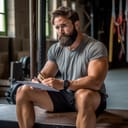
Select essential lifting accessories
A professional Club Lifted setup relies on gear that balances streetwear aesthetics with serious durability. The brand philosophy centers on elevated athleisure, meaning your accessories should look as intentional in the locker room as they are under the bar. Prioritize items that enhance safety and support long-term lifting habits without sacrificing style.
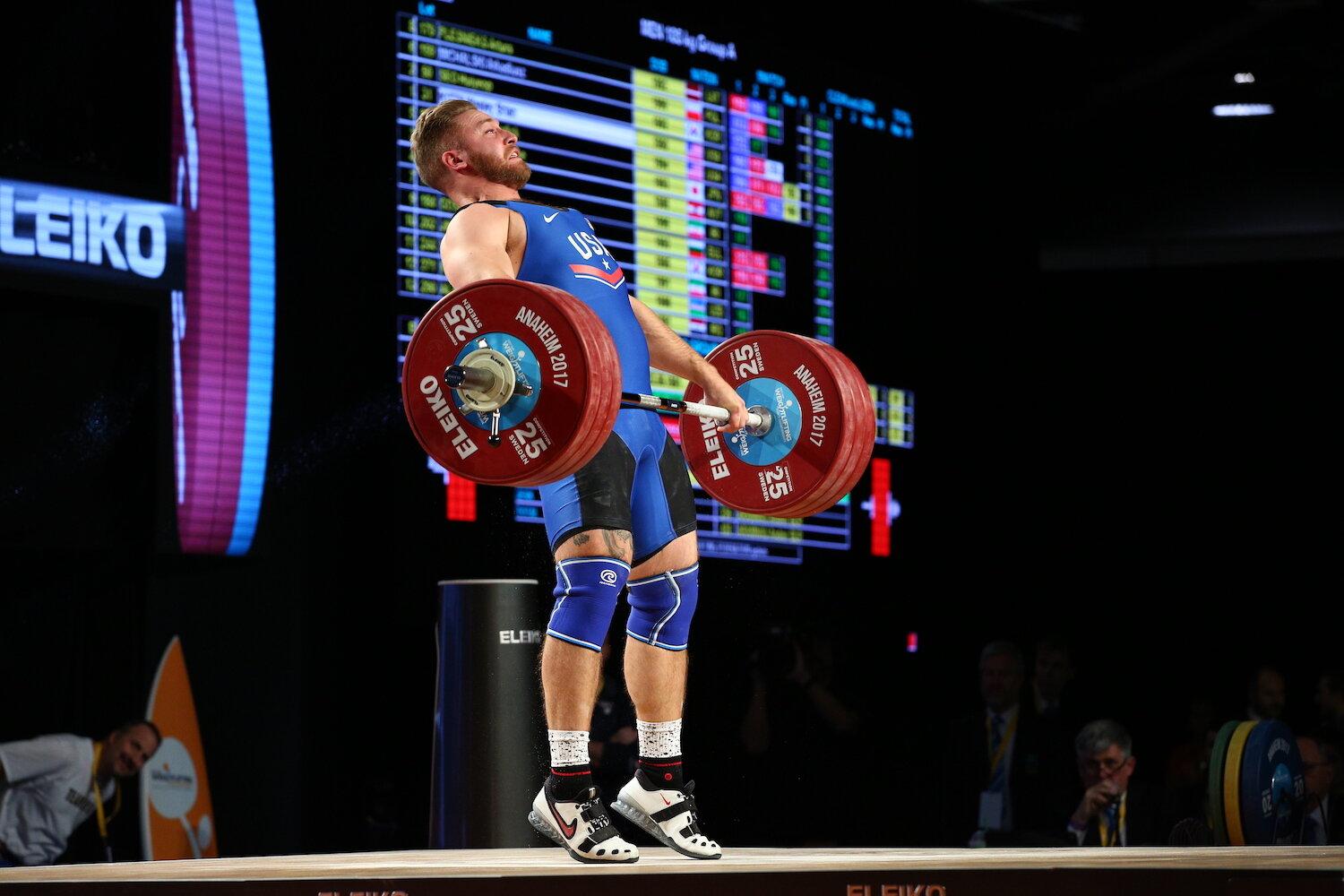
Invest in a high-quality lifting belt. It stabilizes the core during heavy compound movements like squats and deadlifts. Look for leather or durable nylon options that align with Club Lifted’s minimalist, functional design. A proper belt is not just safety gear; it is a foundational piece of your lifting identity.
Wrist wraps provide critical support for pressing movements, protecting joints from excessive strain. Choose wraps that offer firm compression without restricting blood flow. This accessory ensures your wrists stay aligned, allowing you to push heavier loads with confidence and reduced injury risk.
Lifting shoes with a raised, non-compressible heel improve squat depth and ankle mobility. Unlike running shoes, which absorb energy, lifting shoes transfer force directly into the ground. Opt for a sleek profile that fits the Club Lifted aesthetic while providing the stability needed for competitive-style lifts.
These three accessories form the core of a serious lifter’s kit. By focusing on durability and functional design, you build a setup that supports both performance and the brand’s culture of lifting lives beyond fitness. Avoid cheap, generic gear that compromises safety or style; your equipment should reflect the commitment you bring to the gym.
Apply safety protocols for heavy lifts
Use this section to make the Club Lifted decision easier to compare in real life, not just on paper. Start with the reader's actual constraint, then separate must-have requirements from details that are merely nice to have. A practical choice should survive normal use, maintenance, timing, and budget. If a recommendation only works in an ideal situation, call that out plainly and give the reader a fallback path.
-
Verify the basicsConfirm the core specs, condition, and fit before comparing extras.
-
Price the downsideLook for the repair, maintenance, or replacement cost that would change the decision.
-
Compare alternativesCheck at least two comparable options before treating one listing as the benchmark.
Maintain gear for longevity
Club Lifted accessories are built for high-intensity use, but their lifespan depends on how you care for them. Proper cleaning and storage prevent material degradation, maintain hygiene, and ensure that straps, bands, and apparel perform reliably for every session. Treat your gear like an extension of your training discipline.
Clean after every use
Moisture and sweat are the primary enemies of lifting gear. Wipe down resistance bands, straps, and handles with a damp cloth and mild soap after each workout. Allow them to air dry completely before storing them away. Never leave damp gear in a gym bag, as this promotes bacterial growth and weakens elastic fibers.
For apparel, wash inside out on a cold cycle. Avoid fabric softeners, which can coat technical fabrics and reduce breathability. Hang dry your Club Lifted pieces to maintain their shape and integrity. Machine drying can shrink materials and accelerate wear on seams.
Store in a cool, dry place
Heat and direct sunlight degrade rubber and elastic components over time. Store resistance bands and straps in a cool, dry location, away from direct sunlight. Avoid hanging bands by their center, as this can cause permanent stretching. Instead, coil them loosely or hang them by their ends.
Keep your gear organized in a dedicated gym bag or shelf. This prevents tangling and reduces the risk of accidental damage from heavy objects. A tidy storage system also makes it easier to inspect gear for signs of wear before each use.
Inspect for wear and tear
Regular inspections are a critical part of gear maintenance. Check straps for fraying, bands for cracks, and handles for loose components. Replace any item that shows signs of significant damage. Using compromised gear compromises safety and can lead to injury.
Keep a simple log of when you purchased each item and when you last inspected it. This helps you track the lifecycle of your gear and replace items before they fail. Proactive maintenance is cheaper and safer than dealing with equipment failure mid-set.
Common lifting mistakes to avoid
Even with the right gear, small errors in execution can derail progress or cause injury. At Club Lifted, we prioritize safety and durability over ego lifting. Avoid these frequent pitfalls to keep your training effective and sustainable.
Ignoring Proper Warm-ups
Jumping straight into heavy loads without preparing your muscles and joints increases injury risk. Spend five to ten minutes on dynamic movements like arm circles or light cardio to increase blood flow. This simple step primes your nervous system for the work ahead.
Using Worn-Out Equipment
Frayed straps, cracked collars, or slippery grips compromise your safety and performance. Inspect your gear before every session. If a piece shows signs of significant wear, replace it immediately. Relying on damaged equipment undermines the durability Club Lifted stands for.
Neglecting Form for Weight
Adding weight before mastering technique is the fastest way to plateaus and injuries. Focus on controlled movements and full range of motion. Proper form ensures the target muscles do the work, not your lower back or joints.
No comments yet. Be the first to share your thoughts!