

Get club lifted right
Before you load the bar, make sure your gear fits your body, not just your aesthetic. The "Lifting Club Collection" and similar athleisure lines prioritize style, but your training depends on function. If your clothes restrict your range of motion or your shoes slip, you are training with a handicap.
Check your footwear first. Weightlifting shoes need a hard, non-compressible sole and a secure heel lift. Running shoes compress under load, destabilizing your squat and deadlift. If you use flat shoes like Converse, ensure the sole is thin and rigid. Avoid cushioned soles that absorb force.
Verify your clothing allows full depth. Squats require hip and ankle flexibility. Tight waistbands or restrictive fabrics can limit your bottom position. Choose breathable, stretchable materials that move with your body. This isn't just about comfort; it's about safety and performance.
Finally, inspect your lifting belt. It should be snug but not restrict breathing. A belt that is too loose offers no intra-abdominal pressure support, while one that is too tight can cause dizziness. Adjust the strap so you can take a full breath and brace against it. Proper setup prevents injury before the first rep.
Work through the steps
Setting up your training space for peak strength requires more than just a barbell. You need to arrange your environment to support safety, efficiency, and proper form. Follow this sequence to build a setup that minimizes injury risk and maximizes your lifting potential.
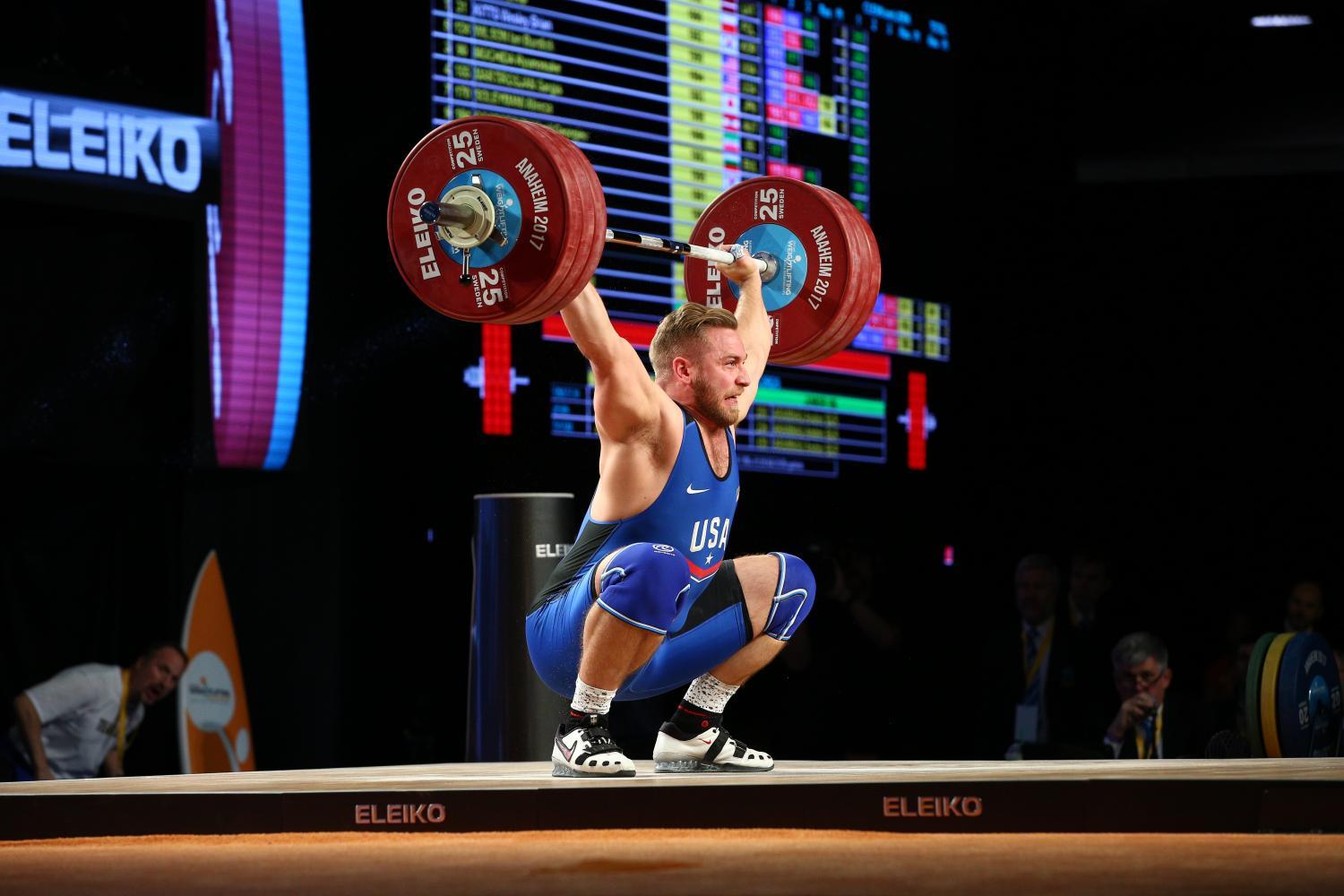
Start by positioning your lifting platform. Ensure it is level and flat to prevent barbell wobble during heavy lifts. Check the edges for any tripping hazards or loose mats. A stable base is the foundation of every successful lift.

Place safety bars or pins at the correct height for your squat and bench press needs. For Olympic lifts, ensure bumper plates are stored securely nearby. Keep collars and chalk within arm’s reach but out of the immediate lifting zone. This setup saves time and keeps your focus on the lift.
Set up your camera or phone to capture your full range of motion. Position the lens at eye level for squats and side-on for Olympic lifts. Ensure the lighting is bright enough to see joint angles clearly. This visual feedback is essential for self-correction and technique refinement.
Inspect the barbell sleeve for rotation smoothness and check the knurling for excessive wear. Ensure all plates are free of cracks and fit tightly on the bar. Tighten collars securely before every set. This final check prevents dangerous equipment failure during heavy loads.
Common mistakes that undermine your lifting performance
Even with the best gear, small technical errors can derail progress or cause injury. Fix these habits to keep your strength training safe and effective.
Gripping the bar too high
A common error is placing the hands too high on the knurling. This shifts the wrist into an awkward angle, reducing stability and increasing strain on the joint. Instead, position your hands so your forearms remain vertical under the bar. This alignment creates a solid foundation for the lift.
Arching the back excessively
Many lifters compensate for weak core engagement by over-arching their lower back during the clean or snatch. This puts unnecessary pressure on the lumbar spine. Focus on keeping your ribcage down and your core tight throughout the movement. A neutral spine protects your back and improves power transfer.
Dropping the hips too late
In the second pull, dropping the hips before fully extending the knees reduces explosive power. This "sitting" motion wastes momentum. Drive through your feet first, then drop your hips into the catch position. This timing ensures you generate maximum force from the ground up.
Using shoes with insufficient heel lift
Wearing flat-soled shoes for Olympic lifts can limit ankle mobility, forcing the knees to travel too far forward. This compromises balance and depth. Use weightlifting shoes with a raised heel to improve ankle dorsiflexion. This allows for a more upright torso and better bar path.
Club lifted: what to check next
We get asked about gear, safety, and how to actually use these tools in a real training session. Here are the practical answers to the most common questions from our community.
No comments yet. Be the first to share your thoughts!