
What a lift club actually is
A lift club is a dedicated group of people who gather to train with barbell compounds—squats, bench presses, and deadlifts. The term comes from the idea of lifting each other up, but in practice, it is simply a scheduled training session where members take turns spotting one another. This structure allows lifters to push closer to their maximum capabilities than they could safely manage alone.
It is important to distinguish this from the common usage of "lift club" in transportation or automotive contexts. In many regions, a lift club refers to carpooling arrangements for school runs or ridesharing. In golf, it can refer to a cart service. In strength training, however, the definition is strictly physical: it is a community-focused gym environment centered on progressive overload and safety.
The core mechanic is the rotation of spotters. One person performs the set while the others watch. Once the set is complete, the next person in line steps onto the platform. This cycle continues until every member has completed their prescribed volume. The atmosphere is typically collaborative rather than competitive; the goal is collective improvement, not individual ranking.
Joining a lift club provides immediate access to experienced spotters who understand proper form and technique. This shared knowledge base reduces the risk of injury and accelerates skill acquisition. Instead of guessing whether your squat depth is correct, you receive real-time feedback from peers who have likely made the same mistakes. This collective intelligence is the primary value proposition of the group.
The structure also enforces consistency. Because you have scheduled a time with specific people, you are less likely to skip the session. The social accountability mirrors the safety benefits; knowing others are waiting for you creates a reliable routine that supports long-term progress.
Prep your gear before the first session
Before you join the group, make sure you have the right equipment. A lift club is a shared transport arrangement, usually between parents who live in the same area. You need a vehicle that is safe, reliable, and comfortable for regular use.
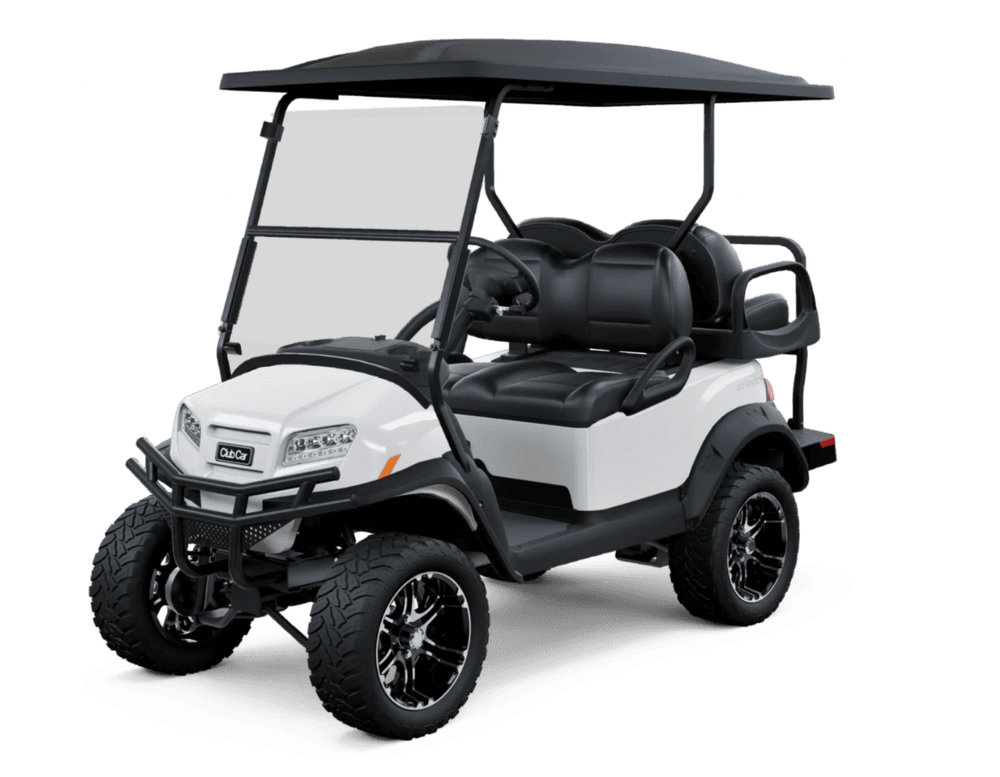
Start with the basics. Your car should be in good mechanical condition. Check the tires, brakes, and lights. A reliable ride keeps everyone safe on the road. If you need a lift kit for a golf cart or similar vehicle, check local regulations and safety standards first.
Consider comfort for the journey. Add extra seating if needed. Make sure there is enough space for all passengers and their belongings. A well-prepared vehicle makes the ride smoother and more enjoyable for everyone involved.
Essential lift club gear checklist
- Reliable vehicle in good condition
- Valid insurance and registration
- Extra seating or cargo space
- First aid kit in the car
- Emergency contact list for all members
- Clear communication plan for schedules
Learn the four main lifts
Most lift club sessions revolve around a core curriculum of four compound movements. These exercises build functional strength and teach you how to move heavy loads safely. Mastering these patterns is the foundation of the program.
Start with the bar resting on your upper back. Brace your core and push your hips back as you lower your body. Keep your chest up and knees tracking over your toes. Drive through your heels to return to the starting position.
Stand with the bar over your mid-foot. Hinge at the hips and grip the bar just outside your legs. Keep your back flat and engage your lats. Push the floor away with your feet to lift the weight until you are standing tall.
Hold the bar at shoulder height with a grip slightly wider than shoulder-width. Brace your abs and glutes to prevent your lower back from arching. Press the bar straight up until your arms are locked out, then lower it with control.
This is a two-part movement. First, pull the bar from the floor to your shoulders in a swift motion. Then, dip your knees slightly and drive the bar overhead while splitting your legs. Catch the weight with arms fully extended.
Follow safety protocols in the gym
A lift club relies on mutual trust and shared responsibility. When you enter a shared gym space, your primary obligation is to ensure that your actions do not endanger yourself or others. This means adhering to established safety protocols for spotting, racking weights, and respecting the physical boundaries of your training partners.
Spotting with intention
Spotting is not merely standing by; it is active engagement. If you are spotting a bench press or squat, keep your hands ready to assist but avoid touching the bar unless the lifter struggles. Communicate clearly before the set begins: confirm the weight, the number of reps, and the signal for help. A good spotter watches the lifter’s form and fatigue cues, stepping in only when safety is compromised.
Racking weights properly
Leaving weights on the bar or scattered on the floor creates hazards for everyone. After your set, always return plates to their designated storage areas. If you are using a rack, ensure the safety pins or bars are set at the correct height before you begin your lift. This simple step prevents accidents if you fail a rep, allowing the weight to fall safely onto the pins rather than onto your body.
Respecting shared space
Gym etiquette extends beyond your immediate workout area. Keep your gear contained within your designated zone. Wipe down equipment after use to maintain hygiene for the next user. Be mindful of your surroundings; do not swing heavy weights into adjacent stations or block pathways. Clear communication with those around you—asking to share a machine or giving a heads-up before dropping a weight—fosters a respectful and safe environment for all lift club members.
Common mistakes new lifters make
Joining a new gym environment brings excitement, but it also introduces specific risks if you aren't careful. The culture of a lift club can be intimidating, leading many beginners to make errors that compromise their safety and long-term progress.
Ego lifting
The pressure to impress peers often leads to lifting heavier weights than your technique can support. This is the fastest way to incur injury. In a group setting, your personal best is irrelevant if it costs you a month of training. Stick to weights that allow you to complete all reps with perfect form.
Skipping the warm-up
Cold muscles are prone to tears and strains. Many newcomers jump straight into their working sets, assuming their commute to the gym is sufficient preparation. Always dedicate five to ten minutes to dynamic stretching and light cardio. This increases blood flow and prepares your joints for the load you are about to place on them.
Ignoring technique for weight
It is tempting to rush through repetitions to finish a set quickly. However, speed without control creates momentum that takes the tension off the target muscles and places it on your connective tissues. Treat every rep as a deliberate movement. If you cannot control the weight on the way down, it is too heavy.
Poor communication
Lift clubs rely on shared equipment and space. A common mistake is failing to communicate your intentions. If you are resting, let the person behind you know. If you need a spot, ask clearly. Silent lifting leads to awkward collisions and wasted time. Clear communication keeps the session flowing and safe for everyone involved.
Neglecting recovery
New lifters often overtrain, believing that more time in the gym equals faster results. This leads to burnout and stalled progress. Your muscles grow during rest, not during the workout. Ensure you are getting adequate sleep and nutrition, and do not hesitate to take rest days when your body signals fatigue.
No comments yet. Be the first to share your thoughts!