

The shift toward eco-conscious lifting
Weightlifting is changing. In 2026, more lifters are looking at the environmental cost of their home gyms and local clubs. It is a overdue shift from focusing solely on PRs to considering the carbon footprint of the plates we drop.
For years, the industry has relied heavily on materials like steel, plastics, and rubber—all with significant environmental consequences. Manufacturing these items requires a lot of energy, and disposal is a huge problem. But now, we’re seeing a surge in demand for eco-friendly alternatives, and material science is finally offering some viable solutions.
Gyms are finally responding to lifters who want gear that matches their values. We are seeing a move away from disposable plastic accessories toward equipment built to last decades.
Why traditional gear is a problem
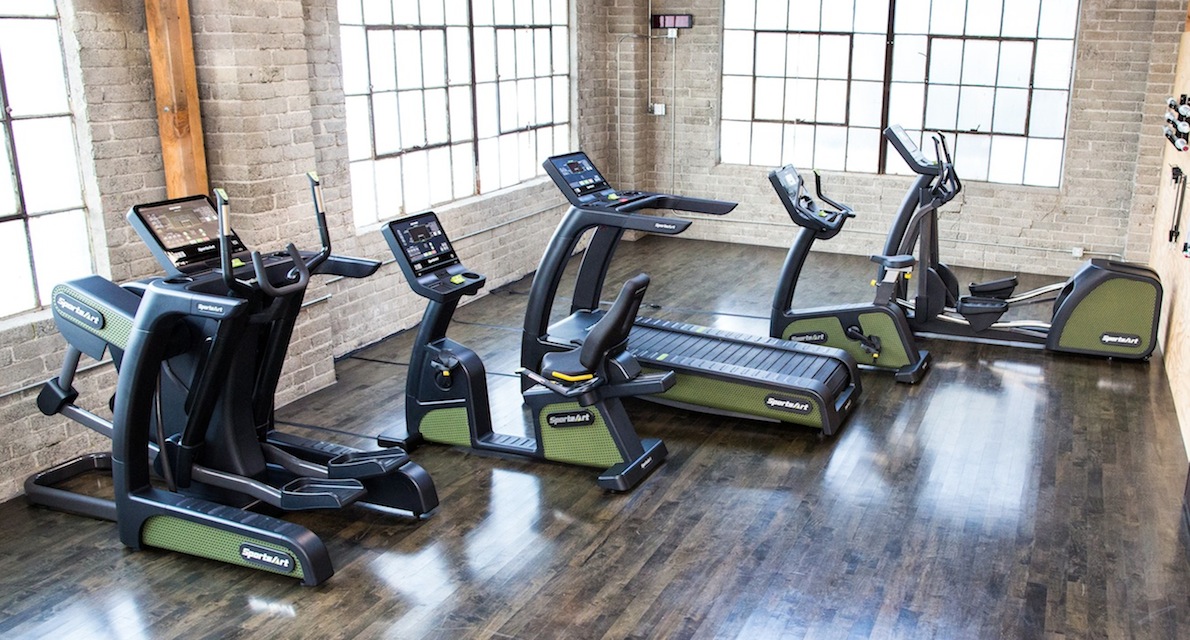
Let’s be honest: traditional weightlifting equipment isn’t exactly environmentally friendly. The production of steel, the backbone of most weights and machines, is incredibly energy-intensive and contributes significantly to carbon emissions. Mining the raw materials – iron ore, coal – also has a substantial ecological impact.
Plastics, commonly found in grips, upholstery, and machine components, are another major concern. Most are derived from fossil fuels and aren’t easily biodegradable. Rubber, used in flooring and bumper plates, often comes from unsustainable sources and poses recycling challenges. Getting rid of this stuff at the end of its life is a real headache.
FDA safety standards for exercise equipment have historically favored steel and dense plastics because their durability is well-documented. This made it harder for startups to introduce bamboo or recycled composites, as they had to prove these new materials wouldn't fail under heavy loads. It is a difficult balance between keeping lifters safe and reducing industrial waste.
Wood is a serious contender
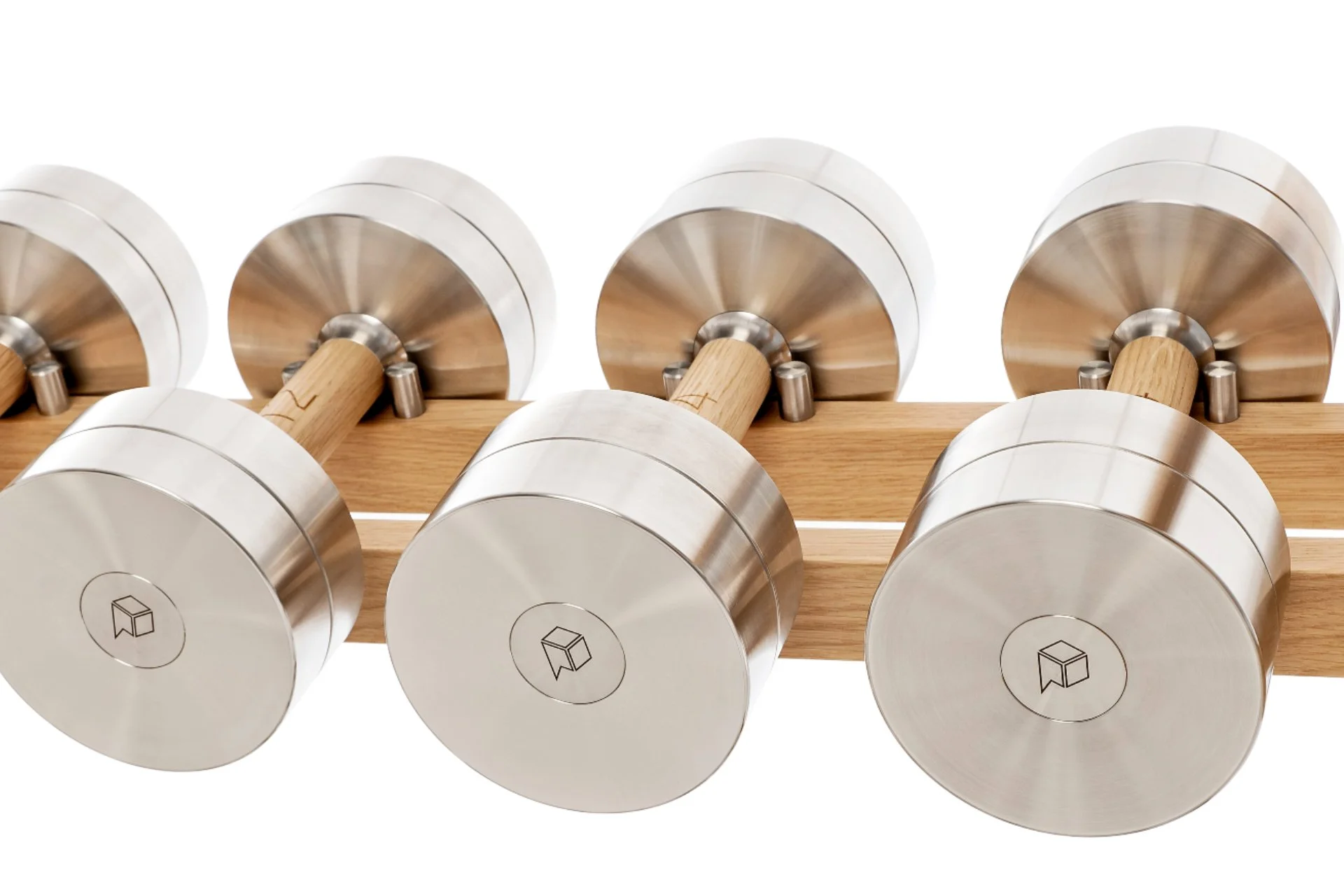
Wood might not be the first material that comes to mind when you think of heavy lifting, but sustainably sourced hardwoods are proving to be remarkably capable. Species like maple, oak, and beech offer excellent strength-to-weight ratios and can withstand significant stress. Plus, wood is a renewable resource, especially when sourced from responsibly managed forests.
Of course, there are valid concerns. Splintering and moisture resistance are often cited as drawbacks. However, modern wood treatments – like oil-based finishes and specialized coatings – effectively address these issues. These treatments enhance durability, protect against water damage, and create a smooth, safe surface.
I’ve seen some wooden power racks and squat stands that are genuinely impressive. They not only perform well but also add a unique aesthetic to a gym. The key is ensuring the wood is sourced from forests certified by organizations like the Forest Stewardship Council (FSC).
- I look for FSC-certified hardwoods like maple or beech to ensure the wood isn't coming from clear-cut old-growth forests.
- Look for hardwoods like maple, oak, or beech.
- Check for protective finishes that enhance durability and moisture resistance.
Recycled Rubber: From Tires to Training
The sheer volume of discarded tires is a global environmental problem. Fortunately, innovative companies are finding ways to transform this waste into valuable resources, including gym equipment. Recycled rubber is now commonly used in flooring, bumper plates, and even some weightlifting accessories.
The process involves collecting used tires, shredding them into small granules, and then bonding these granules together using adhesives. This creates a durable, shock-absorbing material that’s ideal for gym environments. It’s a fantastic way to divert waste from landfills and reduce the demand for virgin rubber.
Recycled rubber offers several benefits: excellent shock absorption, high durability, and a relatively low cost. However, there are potential drawbacks. Some recycled rubber products can emit a slight odor, and there’s a possibility of off-gassing (release of volatile organic compounds). Look for products that are certified to meet low-VOC standards.
Bio-Based Plastics & Composites
Bio-based plastics and composites represent a really exciting frontier in sustainable gym equipment. These materials are derived from renewable sources like hemp, flax, and agricultural waste – think corn stalks or sugarcane bagasse. They offer a potential alternative to traditional petroleum-based plastics.
The production process typically involves extracting fibers or starches from the plant material and then combining them with a binding agent to create a strong, durable material. These materials can be molded into various shapes, making them suitable for dumbbells, kettlebells, grips, and other accessories.
While still relatively new to the weightlifting world, bio-based plastics and composites offer several advantages: reduced reliance on fossil fuels, lower carbon footprint, and potential biodegradability. The strength and flexibility are improving rapidly, but it’s still early days. I'm watching this space closely.
- Hemp-based composites are now strong enough for high-friction areas like knurled grips and handles.
- Flax fibers can be used to reinforce bio-plastics in dumbbells.
- Agricultural waste products offer a sustainable source of raw materials.
Eco-Friendly Gym Equipment Comparison - 2026
| Material | Strength & Durability | Environmental Impact | Cost | Aesthetics & Feel |
|---|---|---|---|---|
| Wood | Good for moderate loads, susceptible to wear | Renewable resource, low carbon footprint if sustainably sourced | Can be higher depending on wood type and treatment | Warm, natural look and feel; requires regular maintenance |
| Recycled Rubber | Excellent for impact absorption and high loads | Reduces landfill waste, lower energy consumption in production | Generally moderate; varies with composition and processing | Industrial aesthetic; can be textured or colored |
| Bio-Based Plastics | Variable; improving with new formulations, generally suitable for lower-impact equipment | Reduced reliance on fossil fuels, potential for compostability (depending on plastic type) | Currently tends to be higher than conventional plastics | Wide range of colors and finishes; can mimic other materials |
| Steel (Recycled) | Very High - Industry Standard | Significant energy savings compared to virgin steel production | Competitive; dependent on market fluctuations | Modern, industrial look. Requires protective coatings |
| Cork | Good for flooring and some padding applications | Highly renewable, harvested without harming the tree | Moderate; processing can require energy | Unique texture and appearance; provides cushioning |
| Bamboo | Moderate strength, good tensile strength | Rapidly renewable, fast-growing resource | Moderate; can be comparable to some hardwoods | Light, natural appearance; often used for handles or accents |
Qualitative comparison based on the article research brief. Confirm current product details in the official docs before making implementation choices.
Brands Leading the Charge
Several companies are already making significant strides in sustainable weightlifting equipment. Repurpose Fitness, for example, focuses on creating gym equipment from recycled materials, including plastic waste. They’ve got a line of durable, eco-friendly dumbbells and kettlebells.
EcoFit Equipment specializes in wooden racks and stands. They use hardwoods and non-toxic finishes to build gear that looks better in a home garage than industrial steel.
PRx Performance is incorporating more sustainable practices into their manufacturing processes, focusing on reducing waste and using recycled materials where possible. They don’t market themselves solely as eco-friendly, but they’re making positive changes. It's about finding companies that are genuinely committed, not just engaging in greenwashing.
The real cost of green gear
A common misconception is that eco-friendly gym equipment is automatically more expensive. While some sustainable options may have a higher upfront cost, it’s important to consider the long-term value. Durable, well-made equipment will last longer, reducing the need for frequent replacements.
The price gap is also narrowing as demand for sustainable products increases and manufacturing processes become more efficient. You can often find recycled rubber flooring at comparable prices to traditional vinyl flooring. Wooden equipment might be slightly more expensive initially, but its longevity and aesthetic appeal can justify the investment.
Furthermore, government incentives and tax breaks may be available for purchasing sustainable products in some regions. It’s worth researching local programs to see if you can offset some of the costs. Don't automatically assume 'eco-friendly' equals 'expensive'.

No comments yet. Be the first to share your thoughts!