

Beyond the barbell
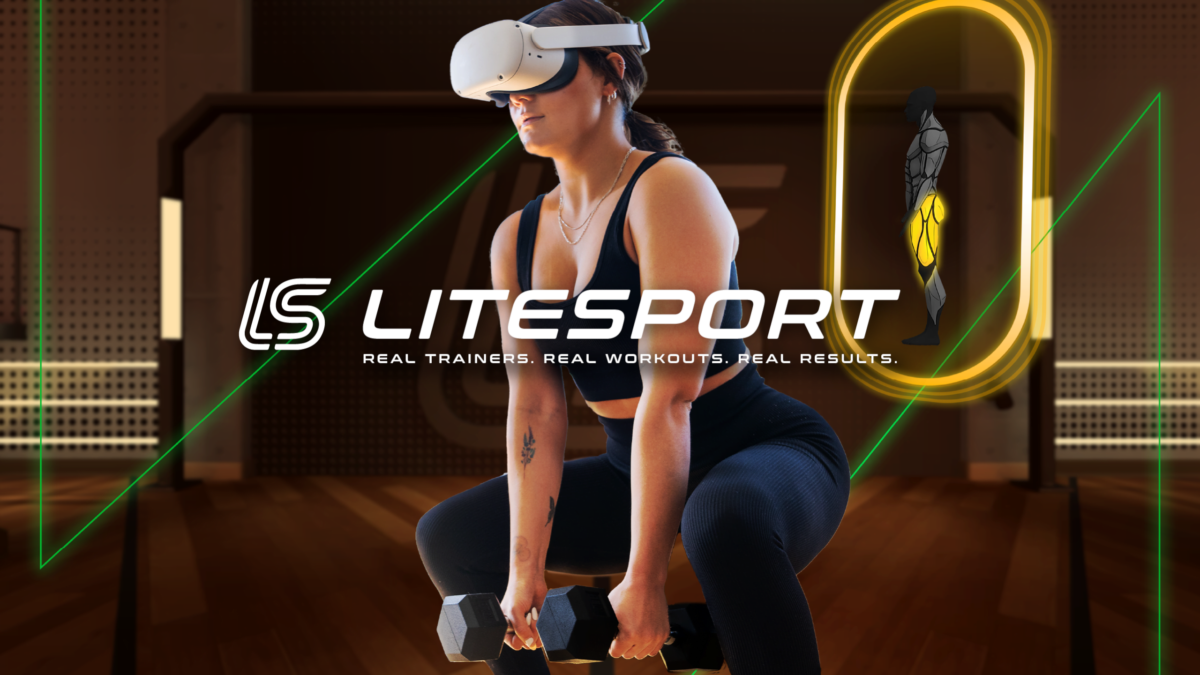
Weightlifting has long been defined by the feel of cold steel in your hands, the strain of a heavy squat, and the focused intensity of pushing your limits. But in 2026, that definition is expanding. Hybrid training – the strategic combination of traditional weightlifting with virtual reality (VR) fitness – is rapidly gaining momentum, and for good reason. It’s not about replacing the iron, it's about augmenting it.
For years, lifters have faced familiar roadblocks: plateaus where progress stalls, the mental monotony of repetitive workouts, and the ever-present risk of injury. These aren’t flaws in the training itself, but inherent limitations of a purely physical approach. VR offers solutions, providing novel stimuli, a gamified experience, and opportunities for movement patterns difficult to replicate in a traditional gym setting.
The appeal isn’t just novelty. As VR technology becomes more sophisticated, its ability to improve strength, conditioning, and even technique is becoming increasingly clear. We're seeing a shift from VR being considered a fun add-on to a legitimate training tool, capable of enhancing performance for serious athletes. This guide, from Club Lifted, will explore how to effectively integrate VR into your weightlifting routine.
This isn't a fad. It’s a logical evolution of training, leveraging technology to address the challenges lifters have faced for decades. The key is understanding how to blend the best of both worlds – the tangible benefits of real weight with the innovative potential of virtual reality – to unlock a new level of performance.
The strength foundation
Before you start incorporating VR into your routine, a solid foundation of strength is absolutely essential. You can’t effectively supplement what you don’t have. A dedicated strength block, lasting 4-6 weeks, is the perfect starting point. This block should prioritize building maximal strength in the core lifts.
Catalyst Athletics’ Basic Strength Cycle provides a useful framework. The focus is on pushing squat, pull, and pressing strength while maintaining regular exposure to the classic Olympic lifts. This isn’t about maxing out every session; it’s about consistent, progressive overload.
Here’s a sample strength-focused block structure:
Squats: 3-5 sets of 3-5 reps. Focus on maintaining perfect form and gradually increasing weight each session. Prioritize depth and stability. Deadlifts: 1-3 sets of 3-5 reps. Emphasize proper technique and avoid ego lifting. Bench Press: 3-5 sets of 3-5 reps. Control the descent and explosive ascent. Overhead Press: 3-5 sets of 3-5 reps. Maintain a stable core and avoid excessive arching of the back. Rows (Barbell or Dumbbell): 3-4 sets of 6-8 reps. Focus on squeezing the shoulder blades together.
- Rep Ranges: 3-5 reps for strength, 6-8 reps for hypertrophy.
- Progression: Increase weight when you can successfully complete all sets and reps with good form.
- Form is King: Prioritize proper technique over lifting heavy weight. This is non-negotiable.
VR Fitness Platform Comparison for Weightlifting Support (2026)
| Platform | Movement Variety (Relevance to Weightlifting) | Haptic Feedback (Impact on Form/Feel) | Social Interaction | Wearable Integration |
|---|---|---|---|---|
| Supernatural | Moderate. Focus on broad movements, some squatting and reaching. Limited direct weightlifting simulation. | Good. Provides subtle resistance cues, but not specifically tailored to heavy lifting. | Yes. Competitive leaderboards and coach-led sessions. | Yes. Heart rate monitor integration common. |
| FitXR | High. Offers boxing and dance classes with dynamic movements that can complement weightlifting training. Squats, lunges, and upper body work are present. | Medium. Haptic feedback primarily focused on impact sensations; less useful for nuanced form correction. | Yes. Group classes and individual challenges. | Yes. Compatible with many fitness trackers. |
| Les Mills Bodycombat | Higher. Designed around martial arts movements, building explosive power and core stability – beneficial for weightlifting. | Medium. Haptic feedback simulates impact, but doesn’t provide detailed feedback on weight distribution or form. | Yes. Virtual instructors and class-based competition. | Yes. Integrates with popular heart rate monitors. |
| Holofit | Moderate. Offers rowing, cycling, and other cardio options, with some potential for incorporating lower-body focused movements. | Lower. Primarily visual and auditory feedback; limited haptic response. | Yes. Multiplayer modes and virtual environments. | Yes. Supports Bluetooth heart rate monitors and other sensors. |
| Liteboxer VR | Low. Primarily focused on boxing training. Limited applicability to traditional weightlifting movements. | High. Haptic feedback is central to the experience, simulating impact and resistance. | Yes. Competitive scoring and challenges. | Yes. Heart rate monitoring integration. |
| Beat Saber (with modding) | Variable. Base game limited, but modding community creates custom maps with weightlifting-inspired movements. | Low. Minimal haptic feedback beyond basic controller vibrations. | Yes. Multiplayer options available. | No. Limited wearable integration without third-party tools. |
Qualitative comparison based on the article research brief. Confirm current product details in the official docs before making implementation choices.
Integrating VR: Weekly Schedule Ideas
Now for the exciting part: combining the real and the virtual. The key is to strategically integrate VR workouts without compromising your strength gains. Here are a few sample weekly schedules, tailored to different experience levels.
Beginner (1-6 months of weightlifting experience): 2 traditional lifting sessions (full body) + 2-3 VR sessions (30-45 minutes each). Focus on mastering fundamental movement patterns in both environments. VR sessions can emphasize cardio and light resistance exercises. Intermediate (6 months - 2 years of weightlifting experience): 3 traditional lifting sessions (split routine – upper/lower or push/pull/legs) + 1-2 VR sessions (45-60 minutes each). Incorporate more challenging VR workouts and focus on improving coordination and proprioception. Advanced (2+ years of weightlifting experience): 3-4 traditional lifting sessions (specialized routine) + 2-3 VR sessions (60+ minutes each). Use VR for accessory work, skill refinement, and active recovery. Experiment with different VR platforms and workout styles.
Periodization is important for VR workouts too. Don't just do the same routine every session. Vary the intensity, volume, and movement patterns. One week might focus on high-intensity interval training (HIIT) in VR, while the next might prioritize lower-intensity, longer-duration workouts. Deload weeks, where you reduce both traditional lifting and VR volume, are crucial for recovery and preventing overtraining.
Listen to your body. If you're feeling fatigued or sore, don't push yourself too hard. Adjust the schedule as needed. Recovery is just as important as training.
VR for Accessory Work & Skill Refinement
VR isn’t just about cardio or filling gaps in your schedule. It can be a powerful tool for improving specific aspects of your weightlifting performance. The unique environment forces you to rely on your body awareness and technique, as there’s no external load to mask flaws.
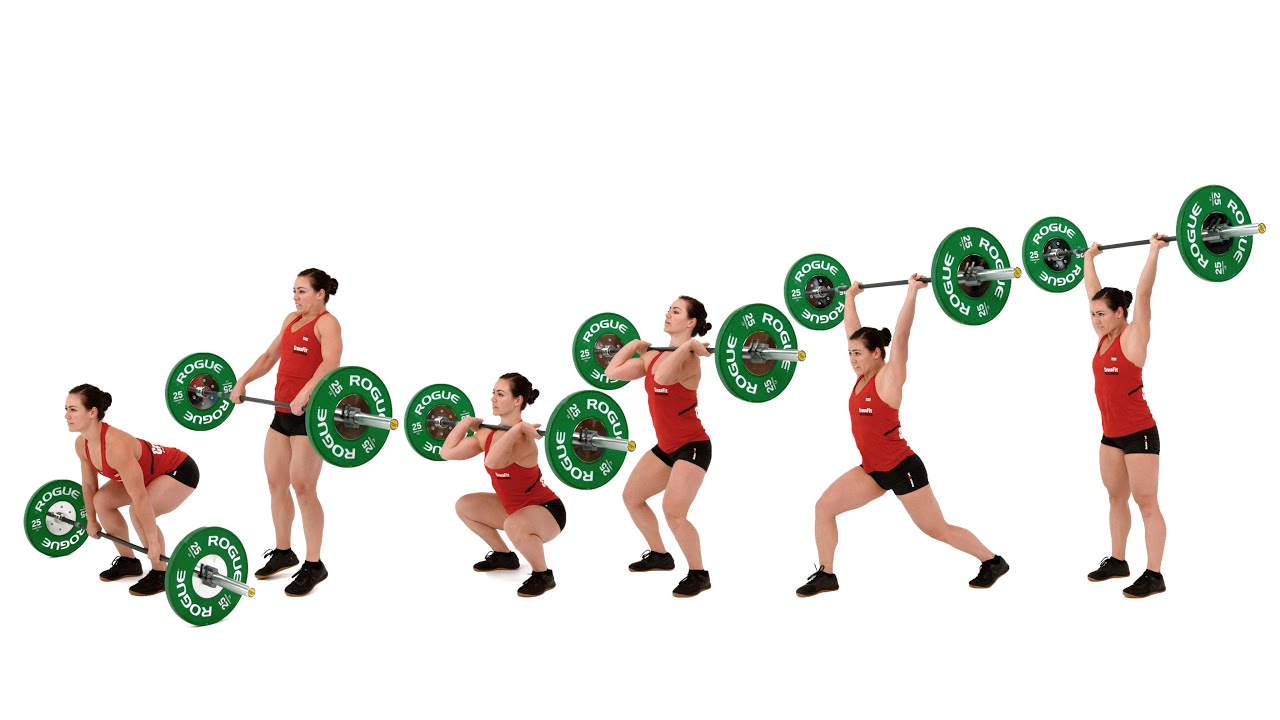
For example, VR can significantly enhance coordination and proprioception – your sense of body position in space – which are crucial for Olympic lifts like the snatch and clean & jerk. The dynamic movements and need for precise timing in VR translate directly to these complex lifts. It’s a safe way to practice movement patterns without the risk of injury from heavy weight.
VR is also excellent for mobility work and prehab exercises. Many VR platforms offer guided stretching routines and exercises designed to improve range of motion and prevent injuries. Furthermore, the immersive environment can be used for visualization and mental rehearsal of lifts. Repeatedly visualizing a successful lift can improve your confidence and technique.
The absence of external load in many VR exercises forces you to focus on technique. You can’t rely on brute strength to compensate for poor form. This heightened awareness can carry over to your traditional lifting, helping you refine your technique and lift more efficiently.
Injury Prevention in the Hybrid World
Combining traditional weightlifting and VR training introduces unique injury risks. It’s essential to be aware of these risks and take steps to mitigate them. Overuse injuries are a concern with VR, particularly in the wrists, elbows, and shoulders. Repetitive movements in VR, even without external load, can lead to strain.
The transition between virtual and real-world loads can also be problematic. Your body needs time to adjust to the different demands. Don't jump into a heavy squat session immediately after a high-intensity VR workout. Allow for adequate recovery time.
Proper warm-up and cool-down routines are crucial. Before each workout, whether it’s traditional lifting or VR, perform dynamic stretches and mobility exercises. After each workout, cool down with static stretches. Always adhere to Club Lifted’s safety guidelines for weightlifting, even when incorporating VR.
Listen to your body. Pain is a signal that something is wrong. Don't ignore it. If you experience any pain, stop the exercise and consult with a healthcare professional. Prioritize recovery and adjust your training accordingly.
Gear Up: Optimizing for Both Worlds
To get the most out of hybrid training, you’ll need the right gear. For traditional weightlifting, invest in quality shoes with a stable base, a lifting belt for heavier lifts, and wrist wraps for support. These are non-negotiable for safety and performance.
For VR, a comfortable headset is paramount. The Meta Quest 3 is a popular choice, but other options are available. A sweat-resistant face cover is essential for hygiene and comfort. Motion controllers are also necessary for interacting with the virtual environment.
Create a safe and clear VR play space. Remove any obstacles that could cause you to trip or fall. Ensure you have enough room to move freely without hitting anything. A well-lit space is also important for optimal tracking.
Future innovations in VR gear could further enhance the hybrid training experience. Haptic suits, which provide full-body feedback, are currently under development and could eventually allow you to feel the resistance of weights in VR.
Injury Prevention for Hybrid Training
- Warm-up Thoroughly - Prepare your body for both physical demands. Include dynamic stretching and light cardio before lifting, and incorporate VR-specific movements to activate relevant muscle groups.
- Progress Gradually - Don’t increase weight or VR intensity too quickly. A common recommendation is the 10% rule – avoid increasing either by more than 10% per week.
- Listen to Your Body - Pay attention to pain signals. Hybrid training introduces novel stressors; don’t push through discomfort. Rest or modify exercises when needed.
- Prioritize Recovery - Adequate sleep (7-9 hours), nutrition, and active recovery (like foam rolling with a RumbleRoller or light cardio) are crucial for repairing muscle tissue and preventing overtraining.
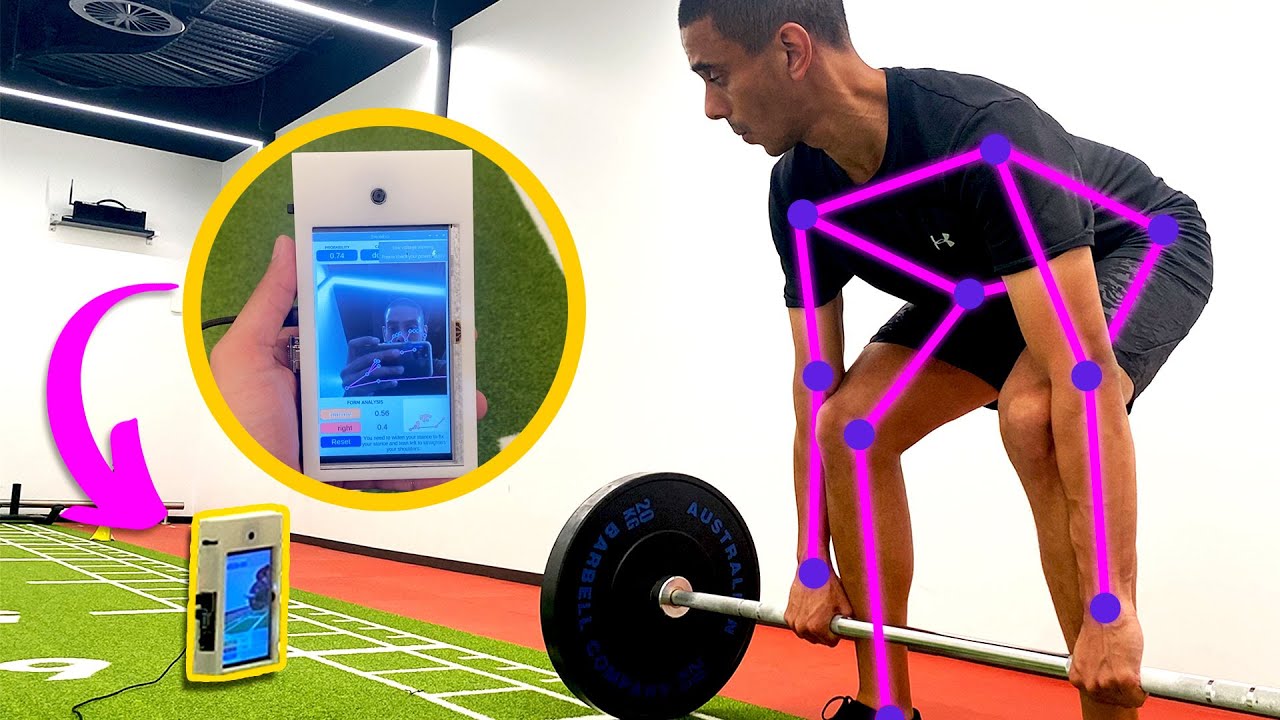
- Maintain Good Form - Proper technique is paramount in both traditional lifting and VR workouts. Consider recording yourself lifting to analyze form, and utilize VR systems that offer form feedback (like Supernatural).
- Adjust VR Settings - Customize VR workout intensity and environment to match your fitness level. Start with lower difficulty settings and gradually increase as you adapt. Ensure adequate play space to avoid collisions.
- Stay Hydrated - Dehydration can impair performance and increase injury risk. Drink plenty of water before, during, and after both traditional lifting sessions and VR workouts. Consider electrolyte replacement with products like Nuun tablets.
What's the biggest challenge you face when integrating VR into your weightlifting routine?
Hybrid training is gaining traction in 2026, but it comes with its own set of hurdles. We want to hear from the Club Lifted community -- what obstacle stands in your way the most when trying to combine VR workouts with traditional iron? Vote below and share your experience in the comments!
No comments yet. Be the first to share your thoughts!