

The problem with bad form
Weightlifting is about pushing physical limits, but bad form stops progress. Injury rates stay high because technique slips, whether you are a beginner or have been under the bar for a decade. Most of these injuries come down to repeatable mechanical errors.
The traditional solution – consistent coaching – is often inaccessible. Qualified weightlifting coaches are not evenly distributed, and even when available, regular one-on-one sessions can be prohibitively expensive. Self-assessment, relying on mirror work or video recording, is better than nothing, but it’s fundamentally limited. We’re all prone to biases in how we perceive our own movements, and often lack the expertise to identify subtle flaws.
This is where the need for a more objective and accessible form analysis solution becomes clear. Organizations like OSHA provide guidelines for safe manual lifting – emphasizing keeping the load close to the body, avoiding twisting, and maintaining a neutral spine. However, these guidelines are geared towards general labor, not the complex, dynamic movements of Olympic weightlifting or powerlifting. The stresses and demands are simply different, requiring a more nuanced understanding of biomechanics.
The problem isn’t just about preventing acute injuries; it’s about long-term joint health and maximizing performance. Incorrect form can lead to chronic pain, reduced efficiency, and ultimately, plateaus in progress. We need tools that can provide consistent, detailed feedback on technique, and that’s precisely what AI-powered form analysis promises to deliver. It’s not a replacement for coaching, but a powerful supplement that can help more people lift safely and effectively.
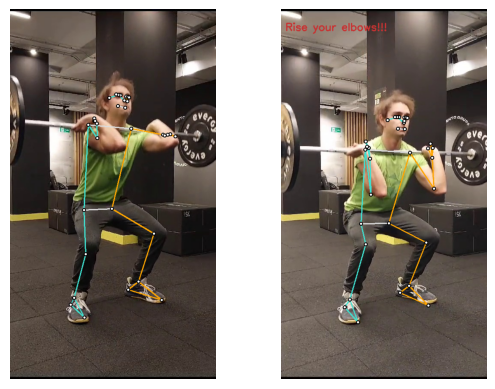
How sensors track movement
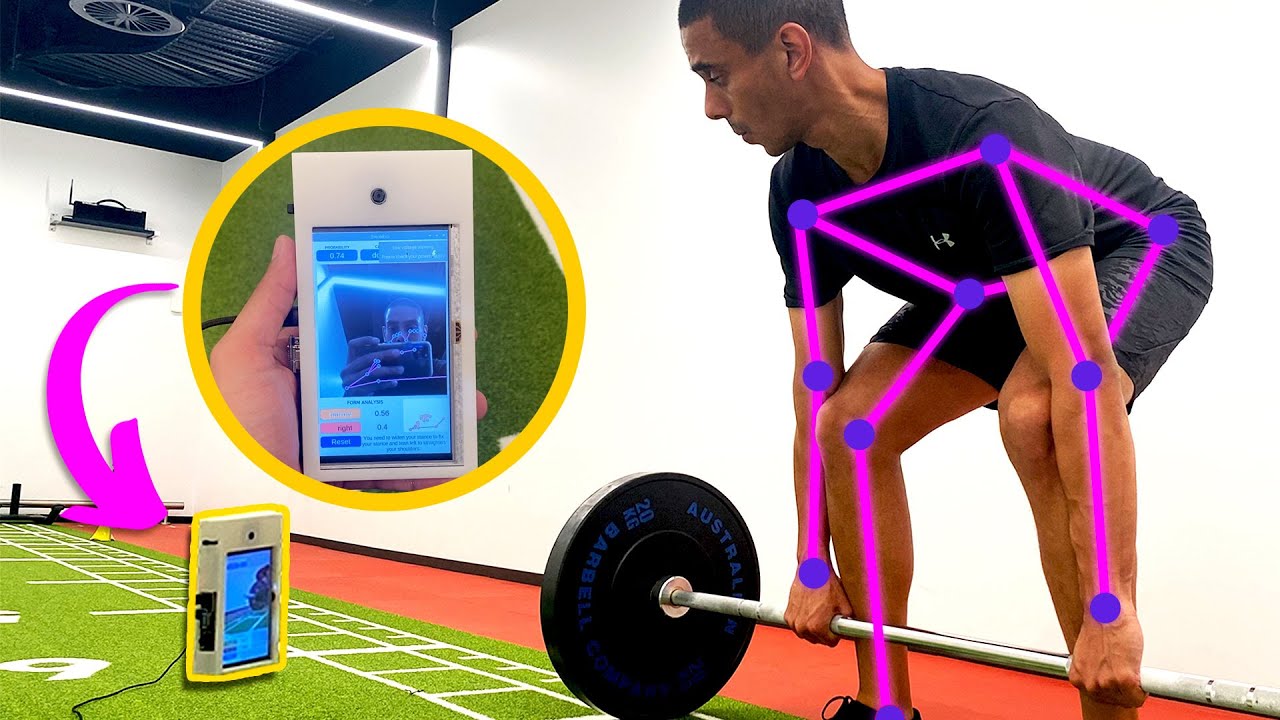
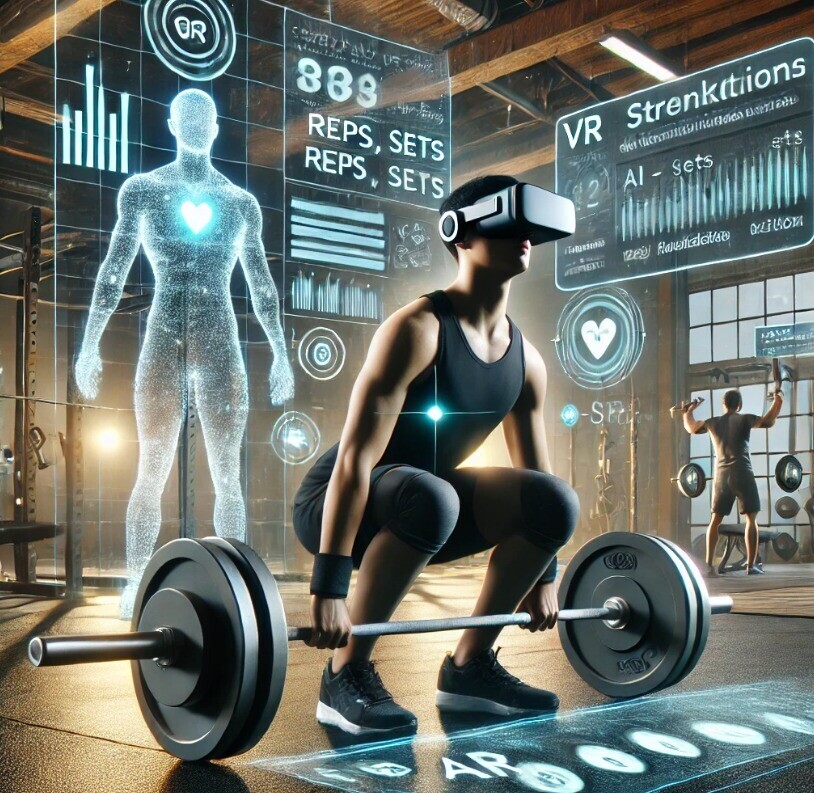
At the heart of this revolution is a convergence of sensor technologies and artificial intelligence. These systems aren’t just "watching" you lift; they're collecting a wealth of data from multiple sources, then processing it using sophisticated algorithms. The most common approach relies on camera-based motion capture, using computer vision to track the movement of key joints and body segments.
However, cameras alone aren’t enough. They struggle with occlusion – when one body part blocks the view of another – and can be affected by lighting conditions. That’s where inertial measurement units, or IMUs, come in. These small sensors, often embedded in wearables like straps or clothing, measure acceleration and angular velocity, providing a precise record of movement in three dimensions. This data complements the visual information from cameras, filling in the gaps and increasing accuracy.
Some of the more advanced systems are even incorporating force plates into the mix. These platforms measure the ground reaction force during a lift, providing valuable insights into power output, balance, and force distribution. Combining data from cameras, IMUs, and force plates – a process called sensor fusion – creates a comprehensive picture of the lifter's movement.
The real challenge isn't just collecting this data, but processing it in real-time. The algorithms need to filter out noise, compensate for individual variations in body size and shape, and identify subtle patterns that indicate form flaws. This requires significant computational power and sophisticated AI models, but advancements in edge computing are making it increasingly feasible to perform this analysis on the device itself, rather than relying on cloud processing.
- Cameras track joint angles and how body segments move through space.
- IMUs measure acceleration and rotation in three dimensions to fill in visual gaps.
- Force plates check ground reaction and how you distribute your weight during the pull.
Getting specific with feedback
Early form analysis apps often provided binary feedback: 'good' or 'bad'. While better than nothing, this is a gross oversimplification. The beauty of AI-powered systems is their ability to provide granular feedback, pinpointing exactly what needs to be adjusted. We’re talking about precise measurements of joint angles – hip flexion, knee valgus, shoulder internal rotation – and detailed analysis of bar path deviations.
AI can also analyze velocity profiles, identifying points in the lift where speed is lost or acceleration is inconsistent. This level of detail is simply impossible for a human coach to consistently provide, even with years of experience. Imagine knowing, for example, that your bar speed drops by 10% at the midpoint of your clean, and being able to immediately address the issue.
This granular data unlocks the potential for truly personalized training plans. Instead of following a generic program, lifters can receive recommendations tailored to their individual biomechanics and weaknesses. The AI can identify muscle activation patterns – are you recruiting the right muscles at the right time? – and suggest exercises to address imbalances. It’s about optimizing movement, not just increasing weight.
Furthermore, AI isn’t limited to identifying errors; it can also highlight areas of strength. Recognizing correct movement patterns reinforces good habits and helps lifters build confidence. It’s a holistic approach to technique improvement, driven by data and focused on individual needs. Club Lifted believes this is the future of safe and effective weightlifting.
Current Players and Approaches
The market for AI-powered form analysis is still nascent, but it's rapidly evolving. Several companies are already making significant strides in this space, each with their own unique approach. Forme Life, for example, offers a complete smart mirror system with built-in sensors and AI-powered feedback, targeted towards home workouts and personal training. Their system focuses on a broad range of exercises, not just weightlifting.
Beyond Forme, companies like Kinetiq are developing systems specifically for barbell lifts, utilizing IMU-based sensors attached to the bar itself. This allows for highly accurate tracking of bar path and velocity. Others, like MoveStrong, are integrating AI into their smart gym equipment, providing real-time feedback on form during exercises performed on their machines.
There’s also a growing number of smartphone apps that claim to analyze form using only the device’s camera. While these are generally less accurate than systems with dedicated sensors, they offer a more affordable and accessible entry point. Many of these apps are focusing on specific lifts, like the squat or deadlift, to improve accuracy within a limited scope.
Integrations with existing fitness platforms are also starting to emerge. Some companies are partnering with popular apps like Trainerize or TrueCoach, allowing coaches to access AI-powered form analysis data directly within their existing workflows. As the technology matures, we can expect to see even tighter integration with the broader fitness ecosystem.
AI-Powered Form Analysis Tools: A Comparative Overview (Late 2024)
| Company Name | Primary Focus | Data Sources | Key Features | Platform Integration |
|---|---|---|---|---|
| MoveStrong | General Strength & Rehabilitation | Camera (Smartphone/Tablet) | Rep Counting, Range of Motion Assessment, Velocity Tracking, Form Feedback (basic) | Limited – API access available for custom integrations |
| Gymshark Training App (with AI features) | General Fitness/Strength | Camera (Smartphone) | Repetition tracking, Form scoring (limited lifts), Basic movement analysis | Gymshark ecosystem, potential for future integrations with other fitness apps |
| Forme Life | Home Gym/Full Body Strength | Integrated Camera System (proprietary hardware) | Comprehensive 3D motion capture, Real-time feedback, Personalized workout plans, Strength curve analysis | Limited – Primarily designed for use with Forme Life equipment |
| Kinetisense | Strength & Conditioning, Rehabilitation | Depth Camera (Intel RealSense) | Skeletal tracking, Joint Angle Measurement, Velocity/Power Analysis, Asymmetry Detection | TrainingPeaks, Excel export, potential for custom API development |
| Exer | Olympic Weightlifting/Powerlifting | Camera (Smartphone/Tablet) | Bar Path Analysis, Joint Angle Tracking, Velocity Profiling, Form Error Detection | TrueCoach, Trainerize, API access for developers |
| Tempo Studio | Home Strength Training | Integrated Camera System (proprietary hardware) | 3D Motion Capture, Form Guidance, Weight Recommendations, Progress Tracking | Tempo ecosystem – limited external integration |
Qualitative comparison based on the article research brief. Confirm current product details in the official docs before making implementation choices.
Why 2026 is the turning point
By 2026, the hardware will finally catch up to the software. Mobile processors are now fast enough to handle real-time skeletal tracking without lag, and sensors have shrunk enough to fit into standard knee sleeves or wrist wraps without feeling bulky.
Third, AI algorithms are constantly improving, thanks to advancements in machine learning and deep learning. By 2026, we can expect to see systems that are significantly more accurate and reliable than those available today. This will enable real-time feedback during lifts, providing immediate corrections and preventing form breakdown.
Imagine a "smart barbell" equipped with embedded sensors and AI. It could provide haptic feedback – subtle vibrations – to guide your movement, alerting you to form flaws as they occur. Or a squat rack with integrated sensors that automatically adjusts the safety pins based on your predicted range of motion. These scenarios, once the realm of science fiction, are becoming increasingly realistic.
The cost of these technologies will also likely decrease, making them more accessible to a wider range of lifters. As AI-powered form analysis becomes more commonplace, it will fundamentally change the way we approach weightlifting, prioritizing safety, efficiency, and personalized training.
Safety First: Reducing Injury Risk
The primary benefit of AI-powered form analysis is, without question, injury prevention. By identifying and correcting form flaws before they lead to pain or injury, these systems can help lifters stay healthy and continue making progress. Referring back to OSHA guidelines, while they don’t directly apply to the complexities of weightlifting, the underlying principle of minimizing strain and maintaining proper biomechanics remains paramount.
AI can help lifters stay within safe movement parameters by providing real-time feedback on joint angles, spinal alignment, and load distribution. For example, it can alert you if your lower back is rounding during a deadlift, or if your knees are caving in during a squat. These are common form flaws that can significantly increase the risk of injury.
Beyond identifying errors, AI can also personalize warm-up and cool-down routines based on individual biomechanics. If the system detects limited ankle mobility, for example, it can recommend specific stretches to improve range of motion. This proactive approach to injury prevention is a game-changer.
It’s important to remember that AI is not a substitute for common sense. Lifters should always listen to their bodies and stop if they experience pain. However, AI can serve as a valuable tool for identifying potential problems before they escalate into serious injuries. Club Lifted advocates for a layered approach to safety, combining AI insights with expert coaching and mindful lifting practices.
Where coaches fit in
A common concern is that AI will eventually replace human coaches. I strongly disagree. While AI can automate certain aspects of form analysis, it cannot replicate the nuanced understanding, intuition, and motivational skills of a skilled coach. Instead, AI will augment their abilities, freeing them up to focus on the more complex aspects of training.
Coaches can use AI data to gain a deeper understanding of their athletes' strengths and weaknesses, allowing them to create more effective and personalized training programs. They can use the data to identify specific areas for improvement, and track progress over time. It’s about leveraging technology to enhance, not replace, human expertise.
The role of the coach will evolve from being a primary source of technical instruction to being a facilitator of learning and a source of motivation. They will help athletes interpret the AI data, set realistic goals, and overcome mental barriers. Human connection and personalized guidance will remain essential components of the coaching process.
Ultimately, the best results will come from a collaborative approach, combining the objective insights of AI with the subjective expertise of a human coach. It’s a partnership that has the potential to unlock new levels of performance and safety in weightlifting.
Ethical Considerations and Data Privacy
As with any emerging technology, there are ethical considerations and potential downsides to address. Data privacy is a major concern. These systems collect sensitive information about our movements and biomechanics, and it’s crucial that this data is protected from unauthorized access and misuse. Companies developing these technologies must prioritize data security and transparency.
Another concern is accessibility. If AI-powered form analysis tools are only available to those who can afford them, it could exacerbate existing inequalities in the sport. We need to ensure that these technologies are accessible to lifters of all backgrounds and income levels. Open-source initiatives and affordable subscription models could help bridge this gap.
Finally, we need to be aware of the potential for bias in AI algorithms. If the algorithms are trained on biased data, they may perpetuate existing stereotypes or discriminate against certain groups of people. It’s essential to ensure that the data used to train these algorithms is diverse and representative of the population as a whole.
The future of AI-powered form analysis is bright, but it’s crucial that we address these ethical considerations proactively. By prioritizing data privacy, accessibility, and fairness, we can ensure that this technology benefits everyone involved in the sport of weightlifting.
No comments yet. Be the first to share your thoughts!