
The Shift: From Volume to Vitality
For decades, weightlifting wisdom focused on volume: push harder, lift heavier, endure pain. This often led to overtraining, plateaus, and injuries. Athletes chased small gains while damaging their bodies' ability to adapt.
A new philosophy, 'Recovery-First Training,' is emerging. It prioritizes rest and regeneration as the main drivers of progress, not just an afterthought. This isn't about being less intense; it's about working with your body. Adaptation happens during recovery, not during the lift.
By 2026, elite athletes across strength sports are adopting these principles. Pro weightlifters and top competitors recognize that sustainable performance requires a mindset shift. Effective recovery is the ultimate performance enhancer, promoting longevity and consistency over short-term intensity.
Athlete Examples: The 2026 Trendsetters
The shift towards recovery-first training isn’t just theoretical; it’s being actively implemented by some of the most successful athletes in the world. Consider powerlifter Jamal Browner. Known for intense volume, Browner reduced his weekly training frequency by 20% and added daily 30-minute zone 2 cardio. He reports less joint pain and consistent strength gains.
Olympic weightlifter Hampton Morris dedicates two days weekly to active recovery: mobility work, lymphatic drainage massage, and cold water immersion. He says this allows higher training intensity without plateaus. His coach, Mike Conroy, stresses listening to the body and adjusting training based on recovery metrics.
Strongman Luke Stoltman changed his nutrition. He optimizes protein intake around training (50-60g within an hour post-workout) and aims for 8-9 hours of sleep nightly. Stoltman credits these changes with better muscle recovery and less fatigue. He uses a sleep tracker to monitor sleep stages.
These athletes strategically integrate recovery into their plans. Prioritizing recovery shows intelligent training, not weakness.
Measuring Recovery: Beyond Soreness
Athletes have long used Delayed Onset Muscle Soreness (DOMS) to gauge recovery. However, DOMS is unreliable: it's often delayed, varies individually, and doesn't always reflect true recovery status. Not being sore doesn't guarantee full recovery, and vice versa.
More objective recovery measures are now available. Heart Rate Variability (HRV), the variation in time between heartbeats, indicates nervous system function. Lower HRV suggests stress, while higher HRV signals better recovery. Resting Heart Rate (RHR) also offers insights; an elevated RHR can signal fatigue.
Wearable devices provide sleep tracking data. Monitoring sleep duration, stages (deep, REM), and disturbances reveals overnight recovery. Blood biomarkers like cortisol and creatine kinase offer more detail but are less practical for most lifters due to cost and the need for professional interpretation.
Combining these metrics helps athletes and coaches make data-driven decisions on training load, recovery strategies, and program design.
Recovery Metric Comparison for Weightlifting
| Metric | Cost | Ease of Use | Data Type | Insight Quality |
|---|---|---|---|---|
| Heart Rate Variability (HRV) | Moderate | Moderate | Physiological | Potentially High - Requires consistent baseline |
| Resting Heart Rate (RHR) | Low | Easy | Physiological | Basic Trend Indicator |
| Sleep Tracking | Low to Medium | Easy | Behavioral & Physiological | Good for identifying patterns, less precise day-to-day |
| Subjective Soreness (Rating Scale) | Low | Easy | Perceived | Useful for relative comparison, prone to bias |
| Workout Performance (Weight/Reps) | Low | Easy | Performance-Based | Directly tied to training, but doesn't explain *why* |
| Readiness Questionnaires | Low | Easy | Subjective & Behavioral | Quick check-in, relies on honest self-assessment |
| Perceived Stress Scale | Low | Easy | Psychological | Highlights mental fatigue impact |
Qualitative comparison based on the article research brief. Confirm current product details in the official docs before making implementation choices.
Active Recovery: More Than Just Stretching
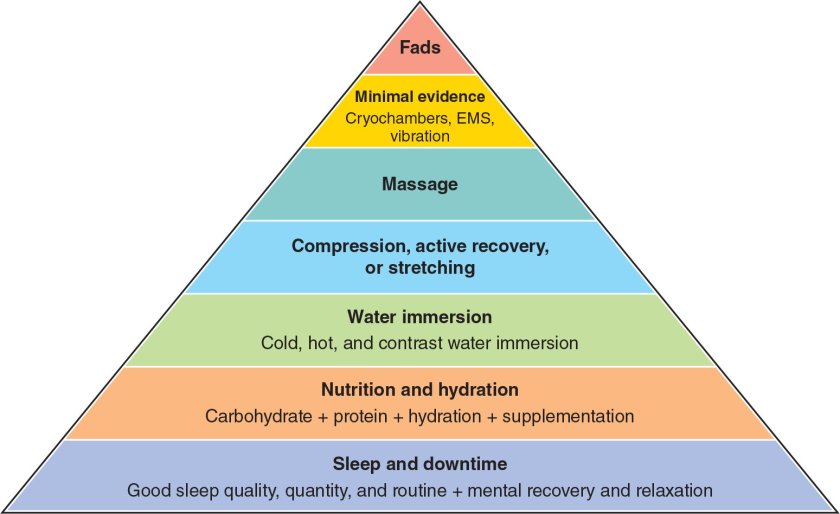
Active recovery promotes blood flow, reduces inflammation, and removes metabolic waste. Low-intensity cardio, or zone 2 training (brisk walking, easy cycling, swimming), increases circulation without significant stress.
Foam rolling and massage release muscle tension, improve flexibility, and reduce soreness. Contrast therapy (alternating hot and cold) further reduces inflammation and promotes healing, such as a hot shower followed by a cold plunge.
Mobility work improves range of motion and joint health, preventing injuries and optimizing movement. Lymphatic drainage helps remove toxins; gentle movement, massage, and hydration support this function.
Approach active recovery with intention, focusing on promoting the body's natural healing processes, not working through pain.
Nutrition for Recovery: Fueling the Rebuild
Adequate nutrition supports recovery. Protein is essential for muscle repair and growth; aim for 1.6-2.2g per kg of bodyweight daily, spread throughout the day. Consuming protein within an hour post-workout significantly enhances recovery.
Replenish carbohydrates after intense training to restore glycogen stores for future workouts. Prioritize complex carbs like whole grains, fruits, and vegetables. Healthy fats are vital for hormone production and overall health.
Micronutrients like magnesium, zinc, and vitamin D are vital for recovery. Magnesium supports muscle and nerve function, zinc aids immune function and tissue repair, and vitamin D impacts bone health and inflammation. Hydration is critical; dehydration impairs recovery and performance.
Some athletes use recovery supplements like tart cherry juice for its anti-inflammatory properties. Individual results vary, so consult a healthcare professional before starting any new regimen.
Sleep: The Ultimate Recovery Tool
Sleep is arguably the most underrated recovery tool. During sleep, the body repairs tissues, synthesizes proteins, and regulates hormones essential for recovery. Insufficient sleep can impair muscle growth, increase cortisol levels, and compromise immune function. Aim for 7-9 hours of quality sleep per night.
Creating a consistent sleep schedule is crucial. Going to bed and waking up around the same time each day, even on weekends, helps to regulate your body’s natural sleep-wake cycle. Optimizing your sleep environment is also important – ensure your bedroom is dark, quiet, and cool.
Limiting screen time before bed is essential, as the blue light emitted from electronic devices can interfere with melatonin production. Managing stress through techniques like meditation or deep breathing can also improve sleep quality. Sleep tracking devices can be helpful for monitoring your sleep patterns and identifying areas for improvement.
Prioritizing sleep isn’t always easy, but it’s a non-negotiable component of a recovery-first training approach. It’s often the biggest challenge for athletes to overcome, but the benefits are undeniable.
Recovery Gear Roundup: Worth the Investment?
The market is flooded with recovery-focused products, promising to accelerate healing and reduce soreness. But are they all worth the investment? Massage guns, like the Theragun Pro ($599) or Hypervolt 2 ($299), can be effective for releasing muscle tension and improving blood flow, but they're not a substitute for professional massage. They are most useful for targeted muscle work.
Compression boots, such as the Normatec 3 ($1,699), use pneumatic compression to promote circulation and reduce swelling. While expensive, many athletes swear by them for post-workout recovery. Foam rollers, ranging in price from $20 to $100, are a more affordable option for self-myofascial release. Sleep masks ($15-30) can block out light and improve sleep quality, while HRV monitors, like the Whoop Strap ($330/year), provide valuable insights into your body’s recovery status.
Blue light glasses ($20-50) can filter out blue light emitted from electronic devices, potentially improving sleep. It’s important to note that the effectiveness of these products can vary depending on individual needs and preferences. Not everything will work for everyone.
When considering recovery gear, prioritize products that address your specific needs and budget. Start with the basics – adequate sleep, proper nutrition, and consistent active recovery – before investing in expensive gadgets. Ultimately, the most effective recovery tool is consistency and listening to your body.
Featured Products
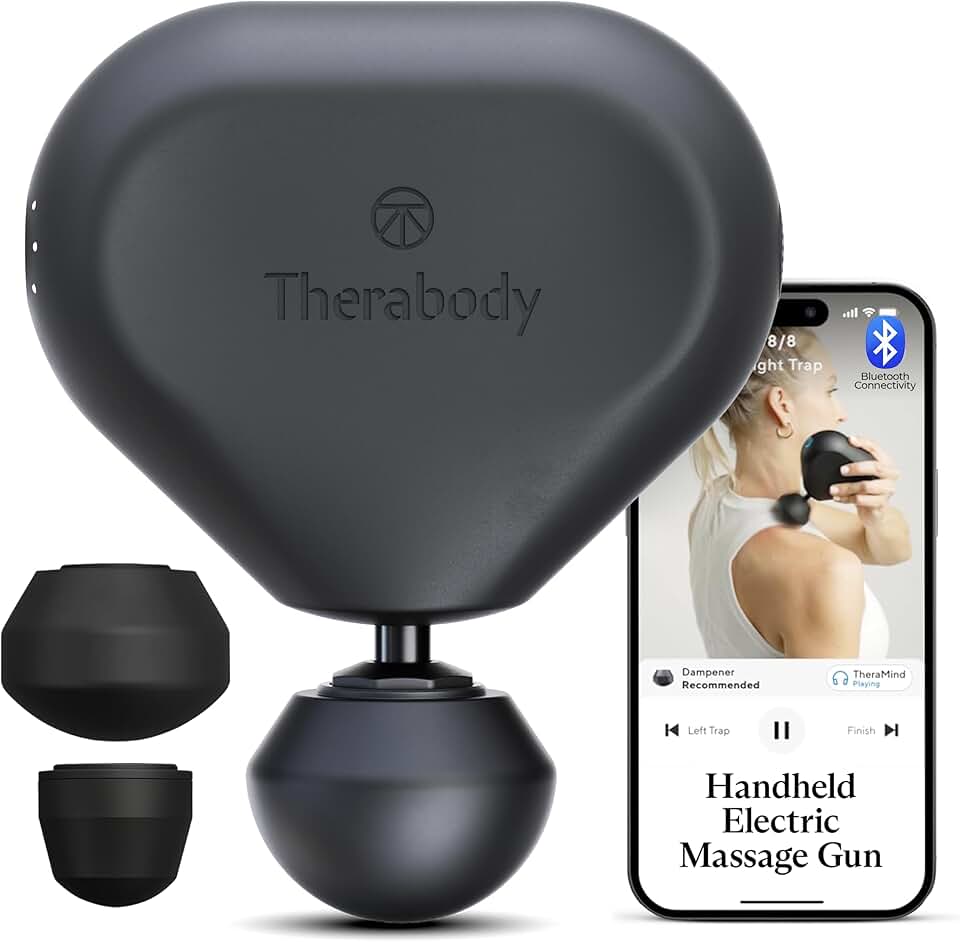
Ultra-portable massage gun · Fast, effective pain and tension relief · Travel essential
This ultra-portable massage gun provides fast and effective pain relief, making it an essential tool for athletes on the go.
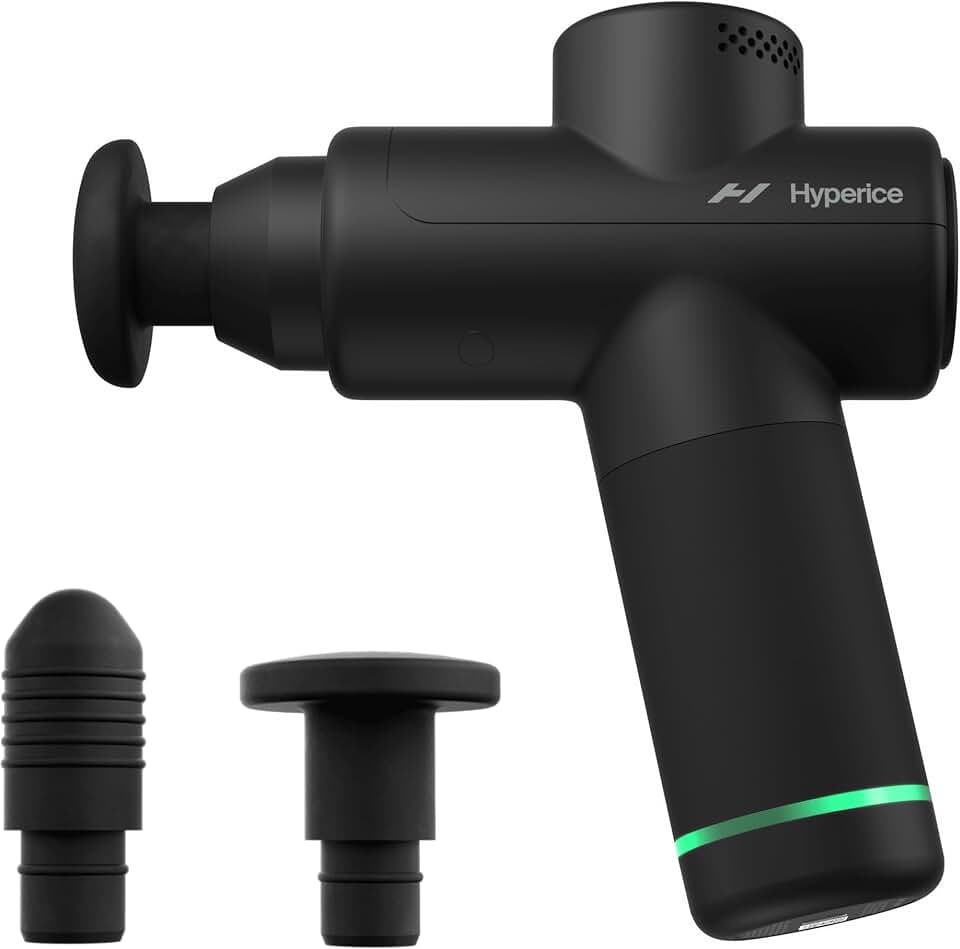
Quiet Glide Technology · Handheld percussion massage gun · 3 speeds and 2 interchangeable heads
The Hypervolt Go 2 uses quiet technology to relieve sore muscles and stiffness, offering customizable massage with its multiple speed and head options.

Muscle stimulator with TENS kit · 6 programs · Facilitates and improves muscle performance
This muscle stimulator aids in muscle recovery and performance enhancement through its six specialized programs, including TENS therapy.
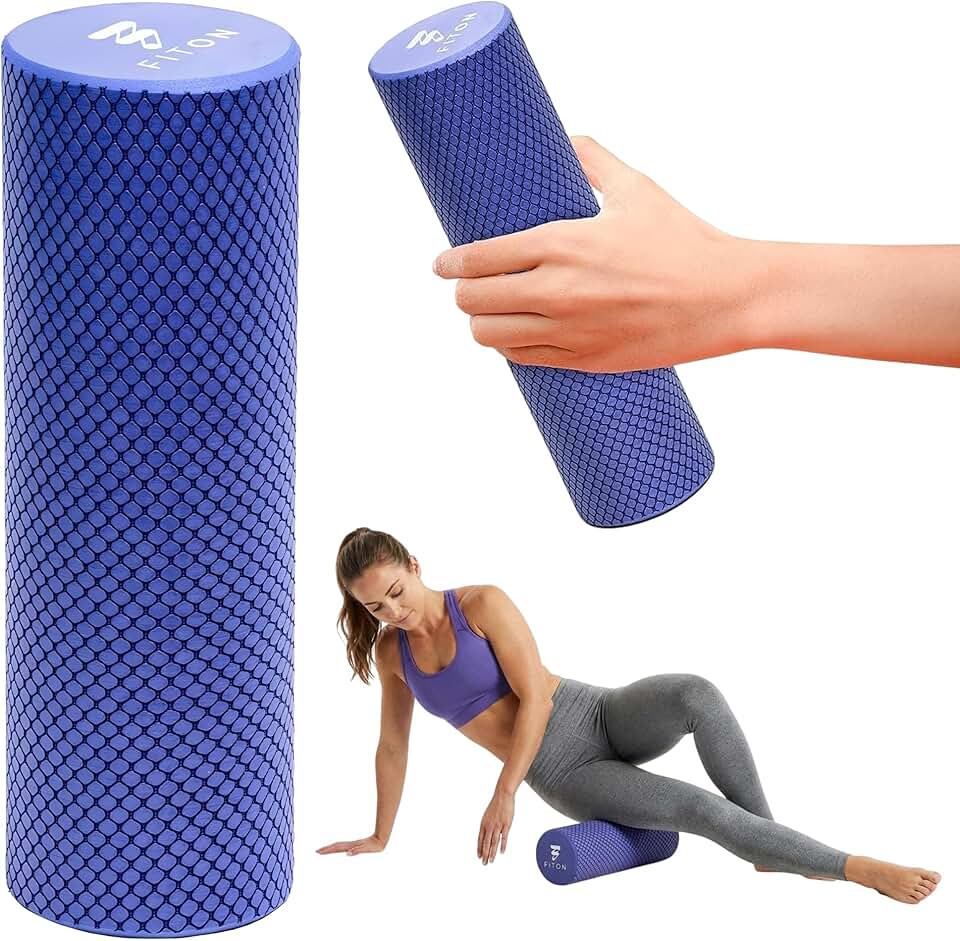
High-density foam roller · Compact and portable · Deep tissue relief for back, neck, and legs
The FitOn Foam Roller offers deep tissue relief for sore muscles in the back, neck, and legs, in a compact and portable design for convenient use.

Maximum blackout sleep mask · Adjustable with detachable eye cups · Zero eye pressure for all sleep positions
Achieve deeper sleep with the Manta Original Sleep Mask, designed for complete blackout and zero eye pressure, ideal for travelers and shift workers.
As an Amazon Associate I earn from qualifying purchases. Prices may vary.
No comments yet. Be the first to share your thoughts!