

The emerging VR weightlifting space
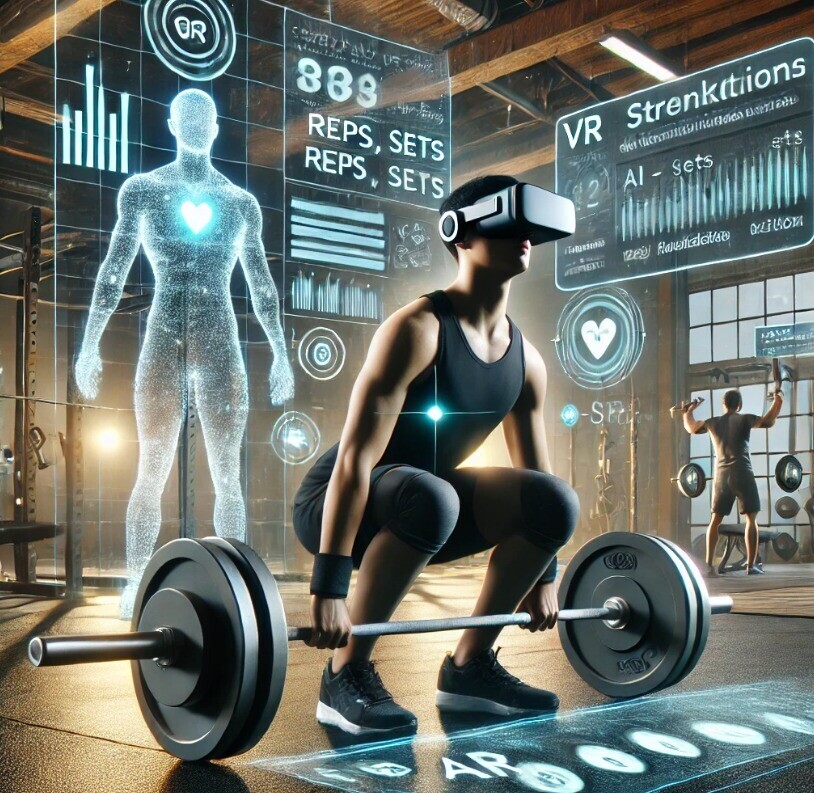
Virtual reality is rapidly changing how we approach fitness, and weightlifting is no exception. Early adopters are experimenting with VR setups to augment or even replace traditional gym workouts. We're seeing a growing number of companies developing both the hardware and software necessary to make this a viable option for serious lifters.
Currently, the hardware side consists primarily of VR headsets like the Meta Quest 3 or the HTC Vive series. These provide the visual immersion. Some are beginning to incorporate haptic suits or individual haptic feedback devices—gloves or wristbands—to simulate the sensation of weight and resistance. Software ranges from simple weightlifting simulations integrated into broader fitness platforms like Supernatural to more dedicated VR weightlifting applications.
Training in environments impossible in the real world is a draw, but the novelty brings specific safety risks. Virtual experiences don't negate physical physics. We have to understand these hazards to stay safe.
I think it's easy to get caught up in the hype surrounding new tech, but with VR weightlifting, a cautious and informed approach is paramount. It’s not simply about replicating the gym experience; it’s about creating a safe and effective workout within a fundamentally different environment.
Real risks in virtual environments
Let’s be blunt: VR doesn’t eliminate the risk of weightlifting injuries; it alters them. The same principles of biomechanics still apply, and poor form or overexertion can lead to muscle strains, sprains, and other common weightlifting injuries. However, VR introduces new hazards related to the disconnect between the virtual and real worlds.
A significant concern is collisions with real-world objects. Fully immersed in a virtual environment, it’s easy to forget your physical surroundings. This can result in bumping into furniture, walls, or even other people. Another risk is overexertion. The lack of real weight can create a false sense of security, leading individuals to attempt lifts that are beyond their current capabilities.
OSHA provides guidelines for manual lifting limits based on weight and posture to prevent injury. In VR, these limits are easier to ignore. Because your sense of body position is altered, you might not feel the fatigue or pain that usually tells you to stop.
It’s easy to imagine someone attempting a virtual 300-pound squat, feeling relatively little resistance, and then experiencing delayed-onset muscle soreness or even injury the next day. This isn’t about the weight being "fake’; it’s about the body’s response to a perceived load that doesn"t accurately reflect the physical stress.
- Muscle strains and sprains
- Collisions with real-world objects
- Overexertion and fatigue
- Delayed-onset muscle soreness
The problem with proprioception
Proprioception is your body’s ability to sense its position and movement in space. It’s a complex system relying on sensory receptors in your muscles, tendons, and joints. This sense is absolutely fundamental to safe and effective weightlifting – it’s how you maintain proper form and control the weight.
Virtual reality fundamentally disrupts proprioception. When lifting a virtual weight, your brain receives conflicting signals. Your muscles aren’t experiencing the actual load they would with a physical barbell, but your visual system is telling you that you are lifting something heavy. This disconnect can lead to inaccurate motor control and an increased risk of injury.
Translating real-world physics into a virtual environment is incredibly challenging. Developers strive to create realistic simulations, but there’s always a degree of approximation. The lack of true resistance, even with haptic feedback, means your body isn’t receiving the same sensory information it would during a traditional lift. This can lead to improper form, as your muscles aren’t being challenged in the same way.
I believe understanding this disconnect is the first step toward safer VR weightlifting. It’s not enough to simply see yourself lifting a weight; your body needs to feel it, or at least receive a convincing approximation of that feeling. Without that, you’re essentially training your brain to perform movements based on inaccurate sensory input.
Haptic feedback limits
Haptic technology aims to bridge the proprioceptive gap by providing tactile feedback that simulates the sensation of weight and resistance. This ranges from simple vibrations to more sophisticated force-feedback systems and even full-body exoskeletons.
Vibration-based haptics, commonly found in controllers, can provide some level of immersion, but they’re limited in their ability to accurately replicate the feel of weight. Force-feedback devices, like haptic gloves, apply resistance to your movements, offering a more convincing simulation. Exoskeletons, while still in early stages of development, have the potential to provide the most realistic experience by actively resisting your movements.
However, current haptic technology isn’t a perfect substitute for real weight. The range of force and the fidelity of the feedback are often limited. Furthermore, the technology can be expensive and bulky, making it inaccessible to many users. It’s also important to note that haptic feedback doesn’t address the issue of proprioceptive drift – the gradual loss of awareness of your body’s position in space.
Haptic tech isn't a magic fix. It helps with immersion, but it doesn't replace standard safety habits.
- Vibration-based haptics in controllers provide limited resistance.
- Force-feedback devices like gloves offer more realistic simulation.
- Exoskeletons have the most potential but remain expensive and bulky.
Haptic Feedback Technology Comparison for VR Weightlifting
| Technology | Realism of Resistance | Coverage | Cost | Key Advantages | Limitations |
|---|---|---|---|---|---|
| Vibration | Low | Localized (hands, controllers) | Lowest | Simple implementation, widely available, enhances impact sensations. | Limited ability to simulate weight or sustained force; can be distracting. |
| Force Feedback Gloves | Moderate | Hands and fingers | Moderate | Improved grip sensation, some resistance simulation, allows for nuanced interaction. | Can be bulky, limited force range, may not fully replicate lifting feel. |
| Haptic Suits | Good | Upper body, potentially full body | High | Wider range of sensations, potential for simulating muscle load and impact, immersive experience. | Significant cost, can be restrictive, potential for overheating, calibration challenges. |
| Exoskeletons | Highest | Full body or targeted limbs | Very High | Most realistic resistance, supports proper form, can provide active assistance or resistance. | Very expensive, complex setup and maintenance, potential for mechanical failure, requires careful safety protocols. |
| Vibration + Positional Tracking | Low-Moderate | Localized (hands, controllers, potentially feet) | Low-Moderate | Affordable, enhances basic interaction, provides some sense of impact. | Limited resistance simulation, relies heavily on visual cues, can feel disconnected. |
| Haptic Vests | Moderate | Torso | Moderate | More affordable than full suits, provides localized resistance and impact feedback, good for simulating core engagement. | Limited coverage, may not fully replicate the feeling of lifting heavy weights. |
Qualitative comparison based on the article research brief. Confirm current product details in the official docs before making implementation choices.
Designing safer virtual gyms
The responsibility for weightlifting safety in VR doesn’t solely rest on the user. VR gym developers play a crucial role in creating environments that minimize risk. This starts with careful consideration of the virtual space itself.
Adequate space is paramount. The virtual gym should be designed to accommodate a full range of motion for all exercises, and users should be prompted to clear a sufficient physical space before starting their workout. Clear boundaries are also essential. Visual cues, like walls or barriers, can help prevent users from accidentally walking into real-world objects.
Realistic physics are vital. The virtual environment should simulate gravity and momentum accurately, even if the weight feels different. Visual cues can also help. For example, a virtual mirror can allow users to monitor their form, and warning indicators can alert them if they’re about to perform a dangerous movement.
Customizable settings are also important. Users should be able to adjust the weight, resistance, and exercise difficulty to match their fitness level. The ability to create "safe zones"—areas where certain movements are restricted—could further enhance safety. I think developers should prioritize user control and customization.
- Clear a sufficient physical space before starting.
- Use visual cues to define boundaries.
- Simulate realistic physics.
- Offer customizable settings for weight and difficulty.
AI coaching and form feedback
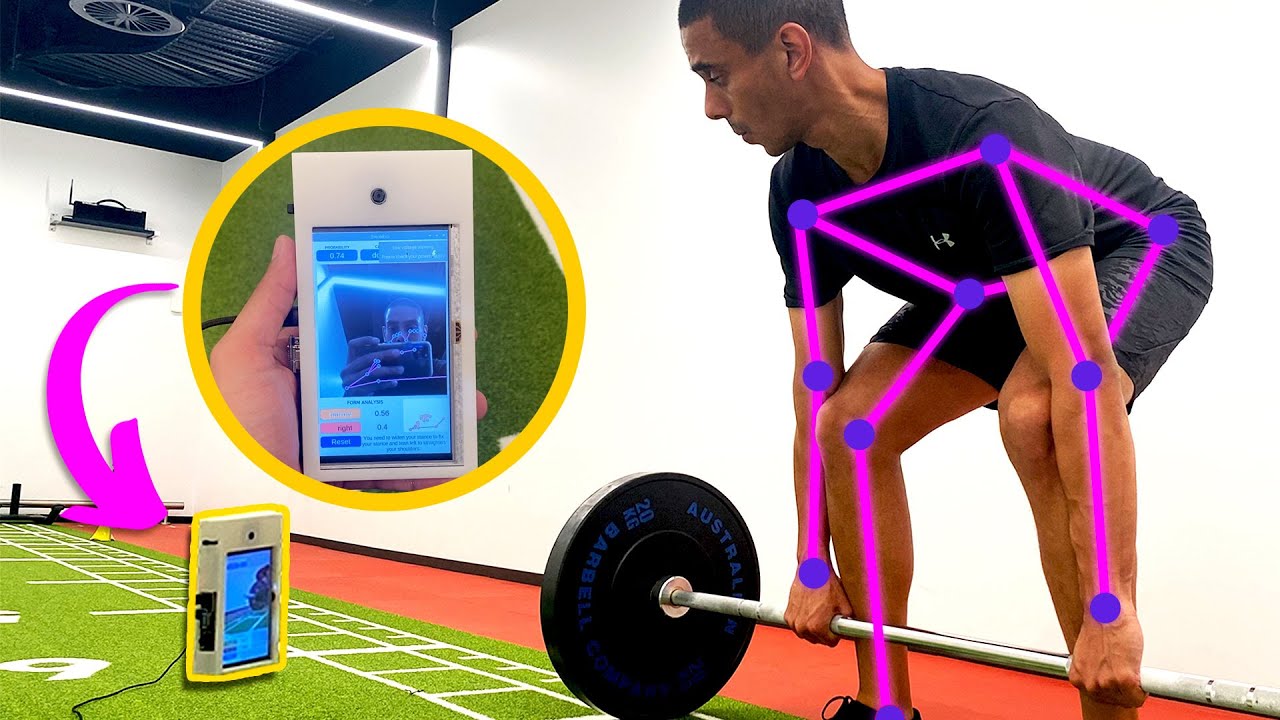
One of the most promising applications of VR in weightlifting is AI-powered form correction. By analyzing a user’s movements in real-time, AI can identify potential errors and provide feedback to prevent injury. This could involve visual cues, audio prompts, or even haptic feedback.
However, accurately tracking human movement in VR is a significant challenge. Current tracking technology isn’t perfect, and the AI algorithms need to be sophisticated enough to distinguish between intentional variations in form and actual errors. The accuracy of this feedback is crucial; incorrect guidance could be more harmful than no guidance at all.
There are also ethical considerations to keep in mind. Should we rely on AI to dictate our fitness routines? What happens when the AI makes a mistake? It’s important to remember that AI is a tool, not a replacement for human expertise. It should be used to augment coaching, not to replace it.
I'm interested to see how AI will evolve in this space, but I think it's crucial to approach it with a healthy dose of skepticism and a commitment to transparency. Users should understand how the AI is working, what data it's using, and what its limitations are.
Progression and user responsibility
Ultimately, weightlifting safety in VR comes down to user responsibility. VR gyms are not a substitute for proper training, awareness, and common sense. Just because you’re in a virtual environment doesn’t mean you’re immune to injury.
A gradual progression is essential. Start with lighter weights and simpler exercises, and gradually increase the intensity as your fitness improves. Don’t try to lift too much too soon, even if it feels easy in VR. Pay close attention to your body and listen to your limits. If you feel any pain, stop immediately.
It's important to remember that VR doesn’t make you stronger—it’s still you doing the work. Don’t let the immersive experience trick you into thinking you’re capable of more than you are. Maintain a healthy skepticism and prioritize safety above all else.
VR gyms are a new and exciting development, but they’re not without risk. By taking responsibility for your own safety and following these guidelines, you can enjoy the benefits of virtual reality weightlifting while minimizing the potential for injury.
No comments yet. Be the first to share your thoughts!