

Moving past intuition
For decades, weightlifting has been guided by feel. Experienced lifters develop an intuitive sense of what weight to use, how many reps to perform, and when to back off. This isn’t useless, of course. It’s built on years of experience and body awareness. But relying solely on that intuition has a ceiling. As we get stronger, progress slows, and the margin for error shrinks.
The problem with relying on Rate of Perceived Exertion (RPE) – how hard something feels – is its subjectivity. Stress, sleep, and even the day’s weather can skew your perception. What feels like an 8 out of 10 on a good day might be a 6 on a bad one, leading to inconsistent training. Objective data cuts through that noise. It provides a clear picture of your physiological state, revealing whether you’re truly recovered, pushing too hard, or leaving gains on the table.
We’re at a point where the tools to collect this data are becoming increasingly accessible. What once required lab coats and expensive equipment is now available on your wrist or even through your smartphone. This isn't about abandoning feel entirely, but about augmenting it with information. It's about making smarter, more informed decisions to optimize your weightlifting workouts and accelerate your progress.
The coach on your wrist
Wearable fitness trackers and smartwatches have evolved beyond simple step counters. They now offer a wealth of data relevant to weightlifting performance. Heart Rate Variability (HRV) is arguably the most valuable metric. It measures the variation in time between heartbeats, offering insight into your autonomic nervous system. Lower HRV generally indicates stress, fatigue, or illness, suggesting a need for reduced training volume or an extra rest day.
Sleep data is just as useful. If you aren't getting enough deep sleep, your testosterone and growth hormone levels drop. Most watches now break down your REM and deep cycles. I also watch my resting heart rate (RHR); if mine stays five beats higher than usual for two days, I know I'm overreaching.
Several devices stand out. The Whoop strap is specifically geared towards athletes, focusing heavily on HRV and recovery metrics. It requires a monthly subscription. Garmin watches, like the Forerunner series, offer a broader range of features, including GPS tracking and advanced training metrics. Apple Watches provide a good balance of features and convenience, but their HRV data is sometimes considered less accurate than dedicated HRV monitors. It's important to read independent reviews—DC Rainmaker (dcrainmaker.com) is a particularly reliable source—before investing in a device.
Recovery scores, often provided by the device’s app, attempt to synthesize these metrics into a single number. While convenient, treat these scores as guidance, not gospel. They’re algorithms, and algorithms aren’t perfect. Use the underlying data to make your own informed decisions.
Wearable Device Comparison for Weightlifting - 2026
| Device | HRV Tracking Accuracy | Sleep Stage Analysis | Battery Life (Typical Use) | Weightlifting Focus |
|---|---|---|---|---|
| Whoop 4.0 | High - Focus on recovery and strain; utilizes a proprietary algorithm. | Detailed - Stages include Light, Deep, REM, and recovery. | 5-7 days | High - Designed specifically for athletes, strong emphasis on recovery metrics. |
| Garmin Forerunner 965 | Medium - Good accuracy, integrates with Firstbeat Analytics. | Advanced - Includes Pulse Ox and sleep score; detailed stage breakdown. | Up to 31 hours (GPS mode), up to 21 days (smartwatch mode) | Medium - Versatile for multiple sports, provides useful data but not solely focused on lifting. |
| Apple Watch Series 10 (Projected) | Medium - Accuracy improving with each generation, relies on photoplethysmography. | Comprehensive - Detailed sleep stages with respiratory rate tracking. | 18-36 hours | Low - General wellness tracker; limited specific metrics for weightlifting beyond heart rate. |
| Fitbit Sense 2 | Low - HRV data available, but accuracy can be variable. | Basic - Sleep stages (Light, Deep, REM) and sleep score. | 6+ days | Low - Primarily focused on general health and fitness, limited weightlifting specific features. |
| Polar Vantage V3 | High - Utilizes Polar's proprietary optical heart rate technology and sleep tracking algorithms. | Detailed - Sleep Plus Stages provides insights into sleep quality and quantity. | Up to 7 days | Medium - Geared towards endurance athletes, but offers HRV and recovery data relevant to strength training. |
| Oura Ring Gen3 | Medium - HRV tracking is a core feature, focusing on readiness. | Detailed - Tracks sleep stages, body temperature, and resting heart rate. | Up to 7 days | Medium - Focus on recovery and sleep, useful for understanding overall readiness for training. |
Illustrative comparison based on the article research brief. Verify current pricing, limits, and product details in the official docs before relying on it.
Force Plates & Movement Analysis
Force plates measure the ground reaction forces (GRF) exerted during movement. This data reveals a surprising amount about your technique, imbalances, and power output. For example, a significant difference in GRF between your left and right legs during a squat indicates a strength or stability imbalance. Force plates can also quantify your rate of force development (RFD), a key indicator of explosive power.
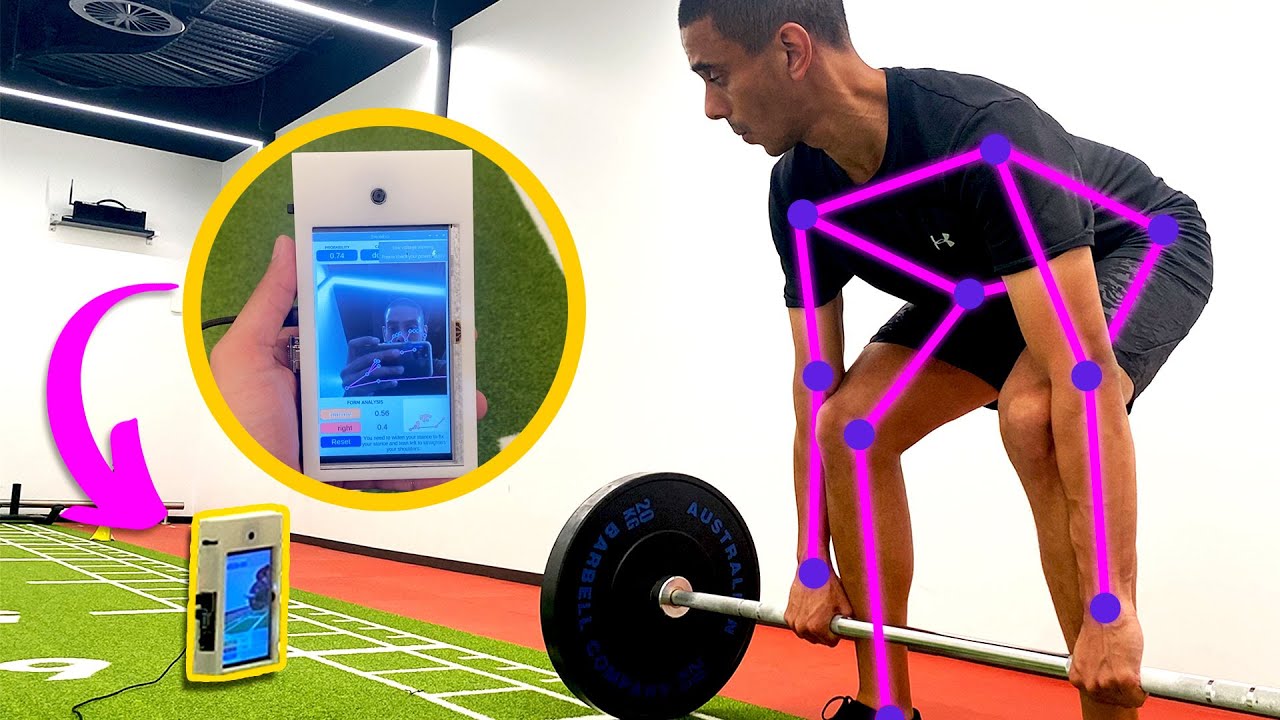
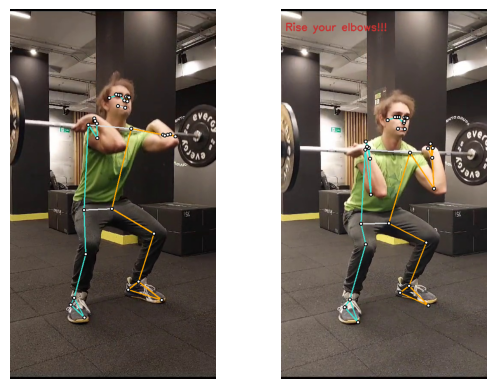
The cost and accessibility of force plates are the main barriers to entry. High-quality, laboratory-grade force plates can cost several thousand dollars. However, more affordable options are emerging, geared towards home gyms. Even then, they represent a significant investment. Motion capture technology offers a more accessible alternative. Smartphone-based apps, like Coach's Eye, allow you to record your lifts and analyze your form frame by frame.
More advanced motion capture systems, using multiple cameras and sensors, provide a 3D analysis of movement. These are typically found in research labs or high-end training facilities. While not as precise as force plates, motion capture can identify technical flaws and provide visual feedback on your form. This technology is becoming increasingly popular, but remains less accessible for the average lifter, though the price is decreasing.
Speed is the best metric for intensity
Traditional weightlifting often relies on percentages of your one-rep max (1RM). Velocity Based Training (VBT) takes a different approach, using bar speed to auto-regulate your training. The principle is simple: as fatigue accumulates, bar speed decreases. By monitoring velocity, you can determine when you’ve reached your optimal training intensity and avoid overtraining.
VBT can help you maximize strength gains by ensuring you’re consistently training at the right intensity. If your velocity drops significantly below a predetermined threshold, it’s a sign to reduce the weight or end the set. Conversely, if your velocity is higher than expected, you might be able to increase the weight. This auto-regulation capability is a major advantage over traditional percentage-based training.
Several devices are used for VBT. Linear position transducers (LPTs), like those from GymAware, attach to the barbell and directly measure its velocity. These are highly accurate but also expensive. Smartphone apps, like Bar Velocity, estimate velocity using the phone’s accelerometer. While less precise than LPTs, they offer a more affordable entry point. Interpreting velocity data requires understanding your velocity-load profile—the relationship between weight and velocity for each lift.
A common guideline is to aim for a velocity of 0.3-0.5 meters per second for strength training. Significant velocity loss (e.g., a 20% drop from your baseline) is a sign of fatigue. It’s important to establish a baseline for each lift and track your velocity over time to identify trends and adjust your training accordingly.
Subjective Data Still Has Value
Data is powerful, but it’s not the whole story. Subjective factors – how you feel – still matter. Mood, energy levels, soreness, and even motivation can all influence your performance. Ignoring these signals can lead to burnout or injury. It’s crucial to integrate subjective data with objective data to create a more holistic training plan.
For example, your HRV might indicate you’re well-recovered, but if you’re feeling unusually fatigued or stressed, it’s wise to err on the side of caution. Similarly, if you’re highly motivated and feeling good, you might be able to push yourself a little harder, even if your HRV is slightly lower than usual.
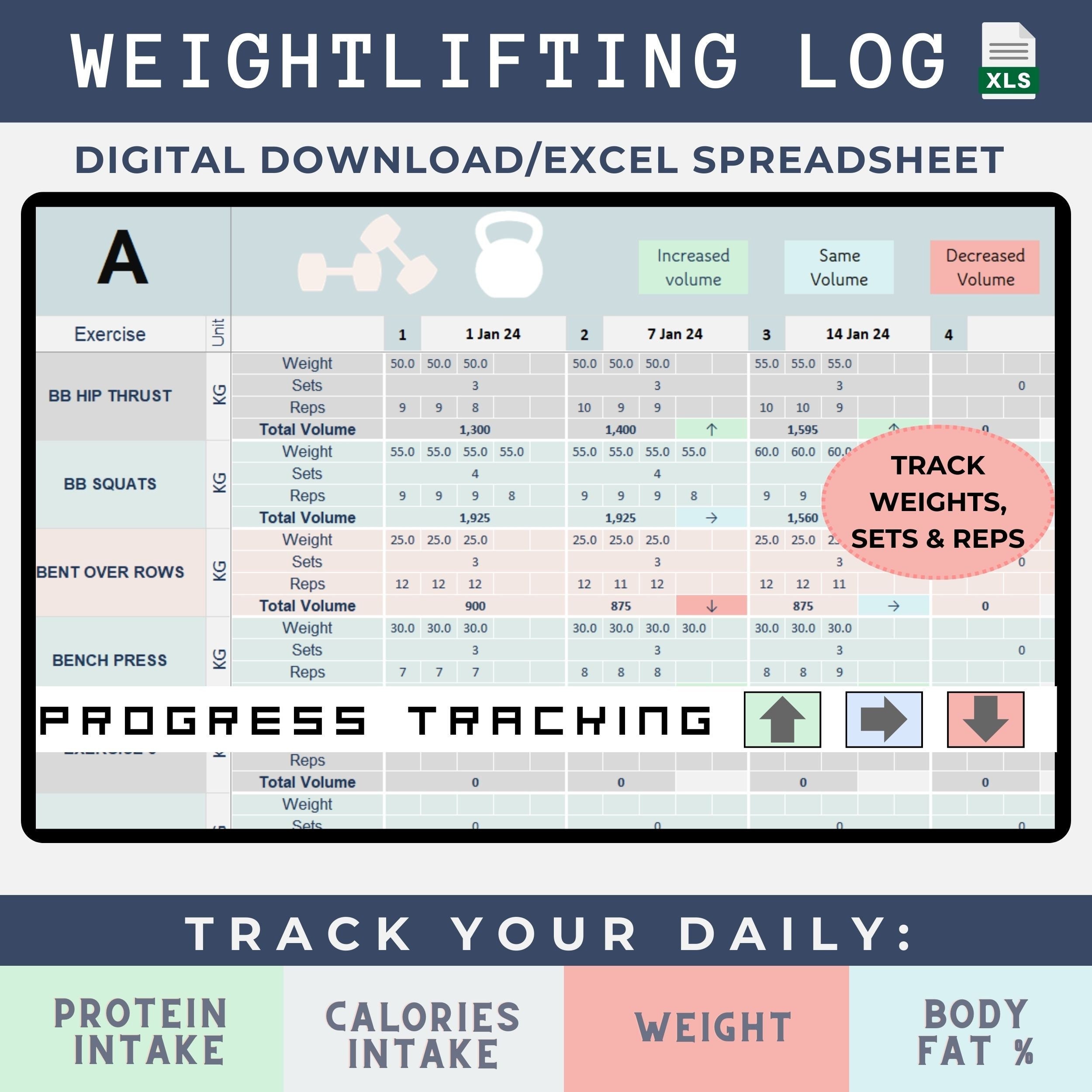
Self-awareness is key. Pay attention to your body and learn to recognize the subtle cues that indicate fatigue, stress, or overtraining. Keeping a training journal can be incredibly helpful for tracking both objective and subjective data and identifying patterns over time.
What's next for lifting tech
The field of weightlifting biohacking is rapidly evolving. Continuous glucose monitoring (CGM) is gaining traction for nutrition optimization, allowing lifters to understand how different foods impact their energy levels and recovery. Advanced sleep tracking devices, beyond simply measuring sleep stages, are beginning to analyze sleep architecture and provide personalized recommendations.
AI-powered training platforms are also emerging, promising to analyze your data and create personalized training plans. These platforms could potentially integrate data from wearables, force plates, and VBT devices to provide a truly customized training experience. The potential for personalized training recommendations based on genetic data is also being explored, though ethical considerations surrounding genetic testing remain.
These technologies are still in their early stages of development, but they offer a glimpse into the future of weightlifting. The trend is clear: data-driven training is here to stay, and it will continue to play an increasingly important role in helping lifters reach their full potential.
No comments yet. Be the first to share your thoughts!