

The Rising Tide of Weightlifting Injuries
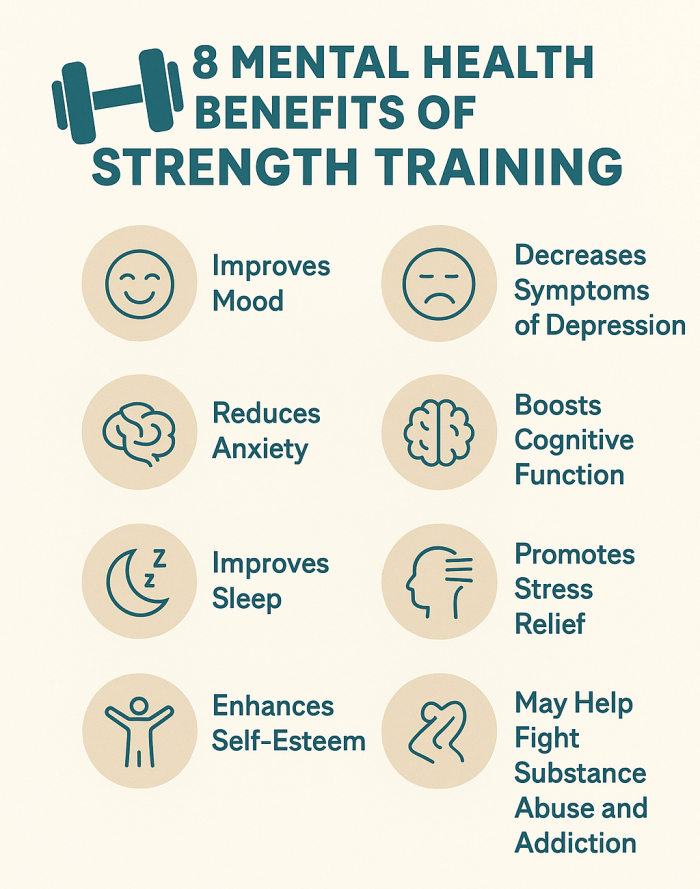
Weightlifting offers significant benefits, building strength, improving cardiovascular health, and boosting mental wellbeing. However, it carries inherent risks. Approximately 5 million weightlifting-related injuries occur annually in the US, based on emergency room visit data. While not always catastrophic, these injuries are frequent enough to demand serious attention.
Common injuries like shoulder impingement, lower back strains, and knee injuries often stem from improper form. The Occupational Safety and Health Administration (OSHA) offers guidelines for safe manual lifting, focusing on technique and load limits. These guidelines, however, apply to general workplace lifting, not the specific demands of competitive weightlifting or gym sessions.
A few years ago, while pushing for a new personal record on the bench press, a slight rounding of my back led to nagging shoulder pain. This experience was a humbling reminder that even experienced lifters can make form errors, reinforcing the need for better real-time feedback and injury prevention tools.
The growing popularity of weightlifting, driven by CrossFit and social media, leads more people to attempt lifts without adequate instruction. This increases the demand for effective safety measures that address the root causes of injuries: flawed technique and improper load management, going beyond the traditional spotter.
Beyond the Spotter: Early AI Attempts
Automated form analysis once seemed like science fiction. Early attempts used bulky, expensive systems. Motion capture suits with inertial measurement units (IMUs) provided detailed data but were impractical for most gym-goers due to cost, the need for specialized knowledge, and poor user-friendliness.
Wearable sensors like accelerometers and gyroscopes showed some promise but had limited accuracy, detecting general movement patterns but struggling with subtle form errors. Early video analysis algorithms were too slow and imprecise for real-time feedback due to insufficient processing power.
Significant barriers hindered adoption. A professional motion capture system could cost tens of thousands of dollars. Accessibility was also an issue, with these technologies largely confined to research labs and elite facilities. The lack of real-time feedback and data complexity made them unsuitable for average gym-goers, proving impractical for widespread use.
Computer Vision Takes Center Stage
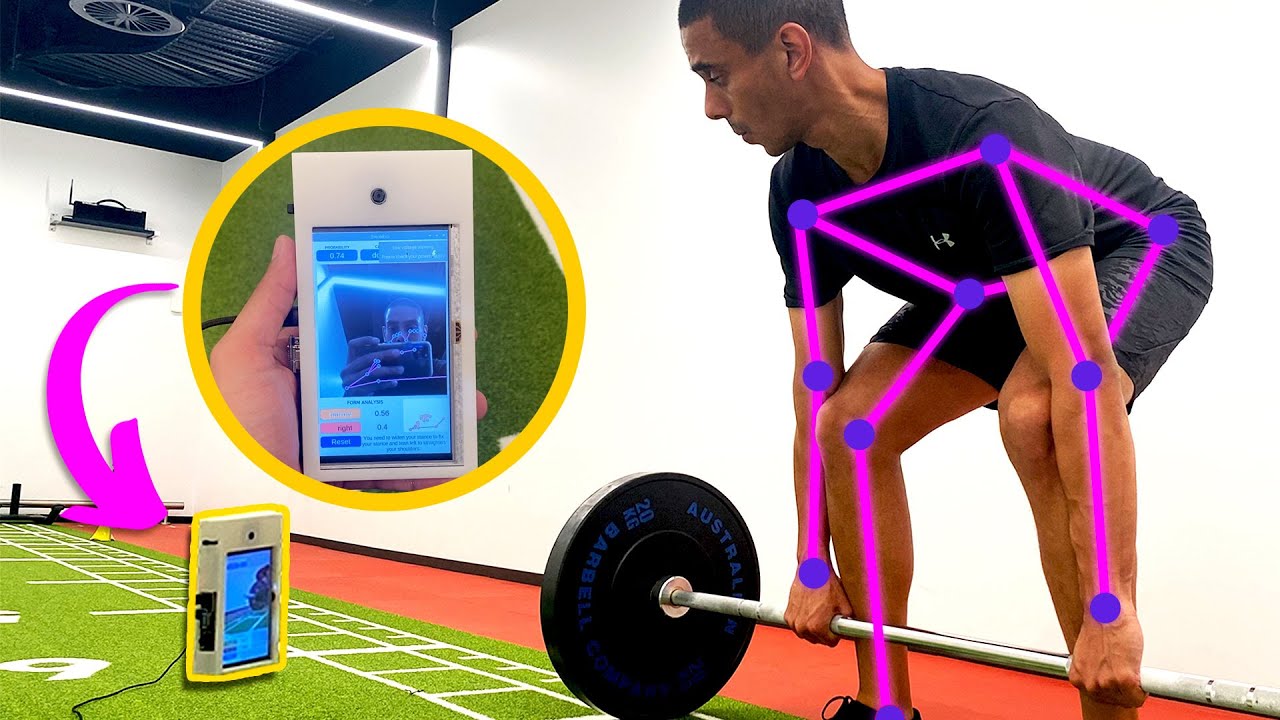
Advancements in computer vision and machine learning have made accurate, affordable form analysis a realistic possibility. Pose estimation, the ability of an AI algorithm to identify and track key human body joints in a video feed, is central to this technology.
Skeletal tracking achieves this by creating a digital skeleton overlaid on the lifter’s image. The algorithm analyzes joint angles and movements, comparing them to ideal form. Deviations, such as a rounded back during a deadlift or knees caving in during a squat, are flagged in real-time.
Data is a crucial element. AI models learn from massive datasets of correctly performed lifts, improving accuracy with more training data. Companies invest heavily in collecting and annotating this data, often using professional weightlifters and coaches to ensure quality.
Processing power for this analysis is also more accessible. Powerful GPUs and cloud computing enable real-time analysis on inexpensive hardware. This combination of improved algorithms, abundant data, and increased processing power drives the revolution in AI-powered form analysis.
Current Players & Their Approaches
Several companies are now vying for a piece of this emerging market. Forme Life offers a smart home gym with built-in form analysis, using a mirror with integrated cameras and sensors for real-time feedback. It's an all-in-one solution with a significant price tag.
Tempo Studio also analyzes form using 3D motion capture, focusing on personalized feedback and adjusting workout difficulty. Tempo offers a subscription service for live classes and training plans.
Barbend AI offers a modular approach, using a smartphone camera for form analysis and feedback via a mobile app. This is a more affordable option, though accuracy may not match dedicated hardware, focusing on wider accessibility.
Startups are focusing on specific lifts. Some develop AI systems for squat analysis, providing feedback on depth, bar path, and knee alignment. Others target the deadlift, focusing on back angle and hip hinge mechanics. This specialization allows for greater accuracy in these movements.
Feedback mechanisms vary. Some systems offer visual cues on screen, others audio corrections during the lift, and some generate detailed reports for review. Each approach suits different learning styles and preferences.
The technology is still evolving. No single system is perfect, and limitations exist. The best approach depends on individual needs and budget.
AI-Powered Form Analysis Systems: A Comparative Overview (2026)
| Company Name | Lifts Supported | Feedback Type | Integration | Key Strengths | Key Weaknesses |
|---|---|---|---|---|---|
| FormAI | Squats, Deadlifts, Bench Press, Overhead Press | Visual, Audio | Mobile App, Select Smart Gym Equipment | Strong focus on barbell lifts, detailed visual cues | May require good initial user calibration for optimal accuracy |
| MuscleTech Insights | Wide range including Olympic lifts, Kettlebell exercises, Bodyweight movements | Visual, Haptic (with compatible wearables) | Mobile App, Gym Equipment (partnered brands) | Broad exercise coverage, personalized feedback via wearables | Haptic feedback reliant on specific wearable compatibility |
| LiftSafe Analytics | Squats, Deadlifts, Bench Press | Visual, Audio | Gym Equipment (proprietary sensors) | Tight integration with their own smart equipment, real-time alerts | Limited to equipment within their ecosystem, less flexible |
| Kinetic Intelligence | Squats, Lunges, Rows | Visual | Mobile App | User-friendly interface, good for beginners | Less detailed analysis compared to systems focusing on powerlifting |
| Precision Motion | Deadlifts, Cleans, Snatches | Visual, Audio | Mobile App, API for integration | Specialized in Olympic weightlifting, API allows for custom applications | Steeper learning curve, API requires development expertise |
| Apex Performance Tracking | Bench Press, Overhead Press, Accessory Exercises | Visual | Mobile App | Excellent for tracking progress and identifying plateaus | Less emphasis on real-time form correction |
Qualitative comparison based on the article research brief. Confirm current product details in the official docs before making implementation choices.
The Data Privacy Question
AI in form analysis raises data privacy concerns. These systems collect and analyze significant personal data, including workout videos and detailed movement patterns. Questions remain about how this data is stored, used, and protected.
Most companies claim to prioritize data security and anonymization, stating videos are processed locally or encrypted in the cloud and not shared without consent. However, privacy policies must be read carefully to understand data handling.
Potential AI algorithm biases are another concern.
We need to have a broader conversation about data ownership and control. Lifters should have the right to access, modify, and delete their data. Transparency is key. Companies should be upfront about how the AI works and how it’s using your information. It’s a rapidly developing area, and regulations are still catching up.
Integrating AI into the Gym Experience
How will this technology actually change the way we work out? I believe we’ll see a gradual integration of AI into the traditional gym experience. One possibility is the integration of smart sensors into existing gym equipment. Imagine a squat rack that automatically detects your form and provides real-time feedback through a built-in display.
Another scenario involves the use of smartphone-based form analysis apps. Lifters could simply set up their phone on a tripod and use the app to track their movements during their workout. This is a more affordable and accessible option, but the accuracy may be limited by the quality of the phone’s camera and sensors.
Coaches will also play a crucial role. AI-powered form analysis tools can provide coaches with valuable data to help them personalize training plans and provide more effective feedback. It won’t replace the coach, but it will augment their abilities. They can spend less time observing basic form errors and more time focusing on advanced technique and program design.
Remote coaching is another area with huge potential. AI can enable coaches to provide personalized feedback to clients remotely, even if they’re not physically present in the gym. This opens up new opportunities for accessibility and convenience. We might see a rise in virtual personal training sessions powered by AI-driven form analysis.
Beyond Safety: Performance Enhancement
While injury prevention is a major benefit, AI’s potential extends far beyond safety. It can also be a powerful tool for performance enhancement. By identifying subtle flaws in technique, AI can help lifters optimize their movements and lift more efficiently.
For example, AI can analyze bar path during a squat or deadlift, identifying deviations from the optimal trajectory. It can also assess joint angles and muscle activation patterns, providing insights into areas where technique can be improved. This granular level of feedback was previously unavailable without expensive biomechanical analysis.
AI can also assist with weight selection and rep range optimization. By tracking your performance over time, it can identify your strengths and weaknesses and suggest appropriate loads and rep schemes. This personalized approach can help you maximize your gains and avoid plateaus.
The future of AI-powered coaching is particularly exciting. Imagine an AI system that constantly analyzes your form, provides personalized feedback, and adjusts your training plan in real-time. This could revolutionize the way we approach weightlifting, making it more effective and efficient for everyone.
Would you be willing to use AI-powered form analysis to improve your weightlifting technique?
Vote below to share your perspective on how smart gym technology could support lifting safety and form improvement.
The Future of AI and Weightlifting
Looking ahead to 2026 and beyond, I expect to see AI become increasingly integrated into the weightlifting world. The technology will become more affordable and accessible, making it available to a wider range of lifters. We’ll likely see more sophisticated algorithms that can analyze a wider range of movements and provide even more personalized feedback.
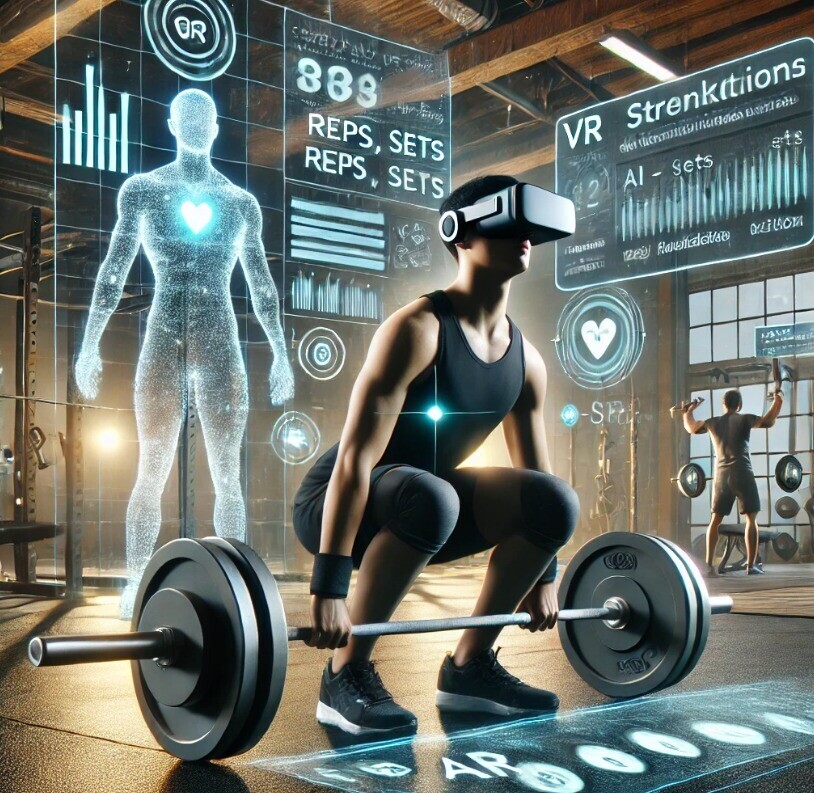
The development of more accurate and reliable sensors will be crucial. We might see the emergence of new wearable technologies that can track muscle activation and biomechanical forces with greater precision. Integration with virtual reality (VR) and augmented reality (AR) could also create immersive training experiences.
One potential challenge is the need for continuous data collection and algorithm refinement. AI models need to be constantly updated with new data to maintain their accuracy and effectiveness. This will require ongoing investment and collaboration between researchers, developers, and coaches.
Despite these challenges, I’m cautiously optimistic about the future of AI in weightlifting. This technology has the potential to make weightlifting safer, more effective, and more accessible for everyone. It won’t replace the human element – the guidance of a good coach and the dedication of the lifter – but it will undoubtedly enhance the overall experience. It's a really exciting time to be involved in this sport.
No comments yet. Be the first to share your thoughts!