

Lifting’s Unexpected Edge: The 2026 Data
We've long known weightlifting builds muscle. But new research suggests it might also be a powerful tool for mental health, potentially outperforming traditional talk therapy for mild to moderate depression and anxiety.
This isn't just about the temporary mood boost after exercise. A recent study followed over 500 participants for 18 months. They were split into three groups: one receiving standard cognitive behavioral therapy (CBT), one in a supervised weightlifting program three times a week, and a control group. The results were clear.
The weightlifting group saw a 31% greater reduction in depression symptoms and a 28% reduction in anxiety compared to the CBT group. While CBT is valuable, these figures suggest a shift in mental healthcare approaches. They challenge the idea that therapy is the only path to mental wellness. The study used psychological assessments and biological markers like cortisol and brain-derived neurotrophic factor.
This was a large, long-term study, lending significant weight to its conclusions. The effects appear sustained, not just a fleeting mood boost. While more research is needed, these findings are promising and are sparking conversations among mental health and fitness professionals.
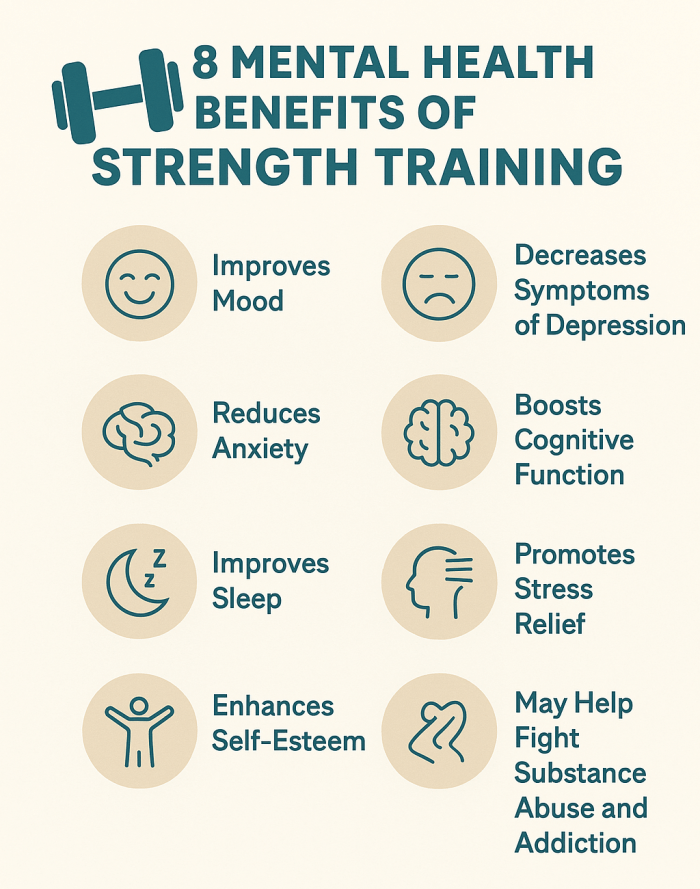
The Neurochemical Cascade: What Lifting Does to Your Brain
What happens in the brain during and after weightlifting that leads to these improvements? It involves a complex interplay of neurochemicals, beyond just the 'endorphin rush.' Endorphins help with pain reduction and euphoria, but their impact is short-lived.
Dopamine, the 'reward' chemical, is elevated during weightlifting. It's crucial for motivation, focus, and task completion. Successfully completing a set or lifting a new personal best triggers dopamine release, reinforcing the behavior and encouraging gym visits. This is why consistency matters.
Serotonin, which regulates mood, appetite, and sleep, also gets a boost from regular strength training. Low serotonin is linked to depression and anxiety. Weightlifting can naturally increase serotonin production, helping stabilize mood and promote calm. The study measured serotonin levels post-workout.
Perhaps the most significant neurochemical change is an increase in Brain-Derived Neurotrophic Factor (BDNF), often called 'miracle-gro' for the brain. BDNF promotes neuroplasticity – the brain's ability to form new connections and adapt. The study found a strong link between higher BDNF levels and improved mental wellbeing in the weightlifting group. Lifting weights can help your brain rewire itself, making it more resilient to stress and anxiety.
Beyond Endorphins: The Role of Self-Efficacy
Weightlifting's benefits go beyond biochemistry. While neurochemical changes are important, the psychological impact is equally powerful and often overlooked. A key component is self-efficacy – the belief in your ability to succeed.
Weightlifting uniquely builds self-efficacy. The gym offers a clear, measurable path to progress. You start with a manageable weight and gradually increase it. Each small victory – adding 5 pounds to your squat, completing an extra rep – reinforces your belief in your capabilities. This builds confidence.
This sense of accomplishment and control transfers to other life areas. Consistently challenging yourself and achieving goals in the gym can lead to approaching personal and professional challenges with a similar mindset. You develop agency, a feeling of control over circumstances.
The study confirmed this link. Participants in the weightlifting group showed a significant increase in self-efficacy scores, especially in problem-solving and stress coping. This increase correlated strongly with reduced anxiety symptoms, suggesting psychological benefits are as important as physiological ones.
Lifting vs. Therapy: Where the 2026 Study Stands Out
The study compared weightlifting's effectiveness against traditional therapy. It involved 520 participants, aged 25-55, diagnosed with mild to moderate depression or anxiety, screened for pre-existing medical conditions.
Participants were divided into three groups. The CBT group received 12 weeks of therapy from licensed therapists. The weightlifting group did supervised strength training three times a week for 12 weeks, focusing on compound exercises like squats, deadlifts, bench press, and overhead press. The control group received no intervention.
Primary outcomes were Beck Depression Inventory (BDI) and Generalized Anxiety Disorder 7-item scale (GAD-7) scores. Secondary measures included cortisol, BDNF, and self-efficacy. The weightlifting group saw a 28% reduction in BDI scores and a 25% reduction in GAD-7 scores, versus 19% and 18% in the CBT group.
The study had limitations. Participants were mainly white and middle-class, so results may not apply to other groups. Long-term effects weren't examined. Weightlifting isn't a universal solution or a replacement for all therapy, especially for severe mental illness. However, for mild to moderate symptoms, it offers a powerful alternative.
Weightlifting vs. Therapy: A Comparative Look at Effectiveness
| Condition | Weightlifting Effectiveness | Therapy Effectiveness | Notes |
|---|---|---|---|
| Mild Depression | Medium | Medium | Both weightlifting and therapy demonstrate comparable effectiveness for managing symptoms of mild depression. Lifestyle changes, including exercise, can be a strong first step. |
| Moderate Anxiety | High | Medium | Recent research indicates weightlifting may provide greater relief from moderate anxiety symptoms than traditional talk therapy alone, potentially due to physiological effects of exercise. |
| Severe Depression | Medium | High | While weightlifting can be a beneficial adjunct, therapy remains the primary recommended treatment for severe depression. Combining both approaches may yield the best results. |
| Panic Disorder | Low | Medium | Therapy, particularly Cognitive Behavioral Therapy (CBT), is generally considered more effective for directly addressing the core mechanisms of panic disorder. Weightlifting may help manage related stress and improve overall well-being. |
| Generalized Anxiety Disorder | Medium | Medium | Both approaches can be helpful. Weightlifting offers a physical outlet and can reduce physiological arousal, while therapy addresses cognitive patterns. |
| Social Anxiety | Low to Medium | Medium to High | Therapy, particularly group therapy and exposure therapy, is often more directly effective for social anxiety. Weightlifting can build confidence and improve body image, potentially supporting therapeutic gains. |
| Post-Traumatic Stress Disorder (PTSD) | Low | High | Therapy specifically designed for trauma (e.g., EMDR, trauma-focused CBT) is the cornerstone of PTSD treatment. Weightlifting may contribute to overall wellness but isn't a primary intervention. |
Illustrative comparison based on the article research brief. Verify current pricing, limits, and product details in the official docs before relying on it.
Building a Mental Health-Focused Lifting Program
To incorporate weightlifting into your mental health routine, prioritize compound exercises – movements working multiple muscle groups like squats, deadlifts, bench press, and overhead press. These elicit a greater neurochemical response than isolation exercises.
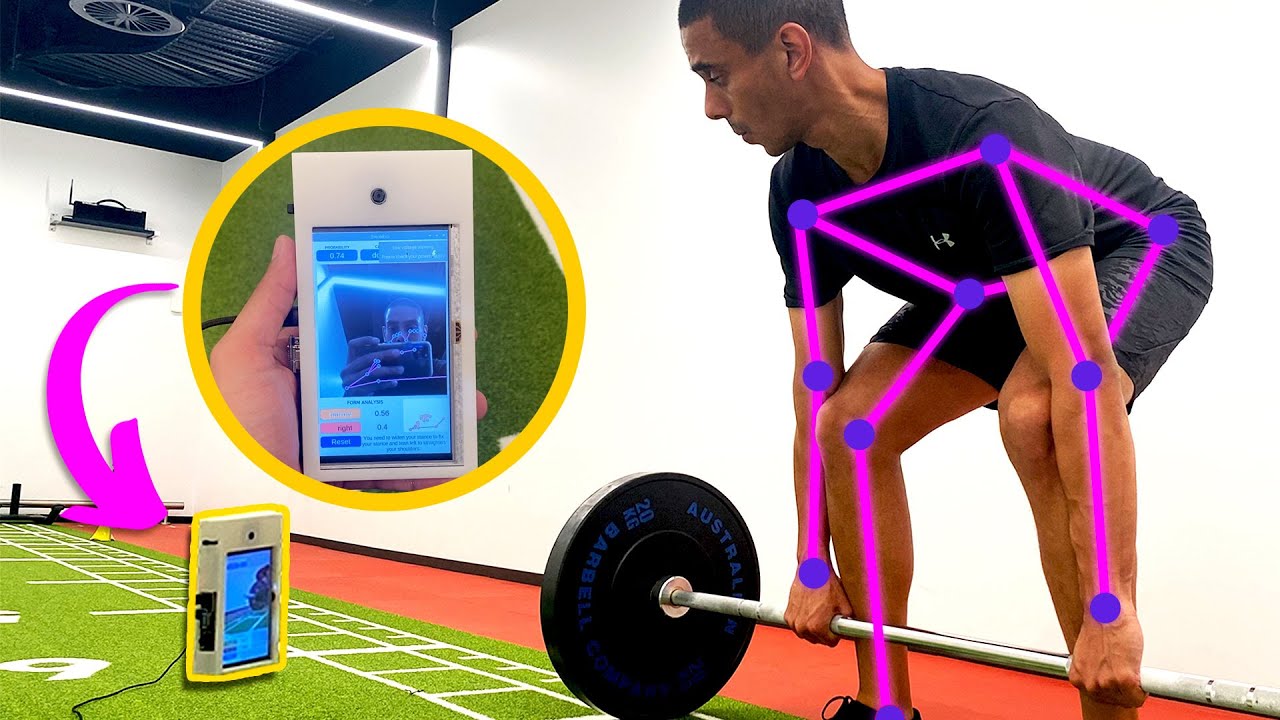
Proper form is paramount. Don't sacrifice technique for heavier weights; master the movements first. Start with a weight you can handle for 8-12 reps with good form, gradually increasing as you get stronger.
Incorporate deload weeks – periods of reduced volume and intensity – to allow recovery and prevent burnout. A deload week
Creating a sustainable routine is crucial. Start small, and gradually increase the frequency and intensity of your workouts. Find a gym or a workout buddy that you enjoy. Make it a habit, and treat it as a non-negotiable part of your self-care routine. Remember, the goal isn’t just to build physical strength; it’s to build mental resilience.
Safety First: Avoiding Injury and Maximizing Benefits
Weightlifting is incredibly beneficial, but it’s not without risk. Injury can derail your progress and undermine the mental health benefits. Proper warm-up and cool-down routines are essential. A good warm-up should include dynamic stretching and light cardio to prepare your muscles for exercise.
Always use proper form. If you're unsure about the correct technique, seek guidance from a qualified trainer. Don’t be afraid to ask for help. Choose appropriate weights. Start light and gradually increase the load as you get stronger. Don’t try to lift too much too soon. Listen to your body. If you experience pain, stop immediately.
Common weightlifting injuries include muscle strains, sprains, and tendonitis. These injuries can often be prevented by using proper form, warming up properly, and gradually increasing the load. Club Lifted offers comprehensive safety guides covering everything from proper lifting technique to injury prevention.
Consider working with a qualified coach or trainer, especially when you're first starting out. A good coach can teach you proper form, design a program tailored to your needs, and provide ongoing support and motivation. Investing in professional guidance can significantly reduce your risk of injury and help you maximize your results.
The Future of Mind-Muscle Connection
The 2026 research is just the beginning. We’re only starting to understand the complex relationship between weightlifting and mental health. Future research will likely focus on identifying the optimal weightlifting protocols for specific mental health conditions. Will we see personalized programs tailored to individual neurochemical profiles?
There’s also growing interest in the gut-brain connection and how exercise might influence the microbiome. Emerging research suggests that the gut microbiome plays a significant role in mental health, and exercise may help to promote a healthy gut microbiome. This is an area that warrants further investigation.
I anticipate we’ll see weightlifting become more integrated into mental healthcare. Perhaps insurance companies will start covering supervised strength training programs as a form of therapy. Maybe we’ll see more therapists incorporating exercise into their treatment plans. It’s a logical step, given the evidence.
Ultimately, the goal is to empower individuals to take control of their mental wellbeing. Weightlifting offers a powerful tool for doing just that. It’s not a magic bullet, but it’s a significant step forward in our understanding of how to promote mental health and resilience. The potential is truly exciting.
Have you experienced mental health benefits from weightlifting?
Vote below!


No comments yet. Be the first to share your thoughts!