

The Rise of Micro-Dosing
Sarah, a lawyer working 60-hour weeks, found herself exhausted and off her fitness routine. She began three 15-minute weightlifting sessions weekly, focusing on heavy lifts. Within a month, she felt stronger and more energetic than she had in years. This experience mirrors what many are finding with "micro-dosing" workouts.
Micro-dosing in weightlifting means very short, intense sessions, typically 10-20 minutes, instead of hour-long gym visits. It prioritizes quality over quantity, maximizing stimulus with minimal time. This approach contrasts with the volume-based training common for decades.
The long-held belief that significant time under tension is needed for muscle and strength is shifting. Busy lifestyles and a greater focus on recovery are driving demand for more efficient training. Burnout is common, making workouts that don't consume all free time appealing.
Remote work has blurred work and personal life, making it harder to find large blocks of time for the gym. Higher stress levels also increase recovery needs, favoring shorter, focused workouts. This is a practical approach for busy lives.
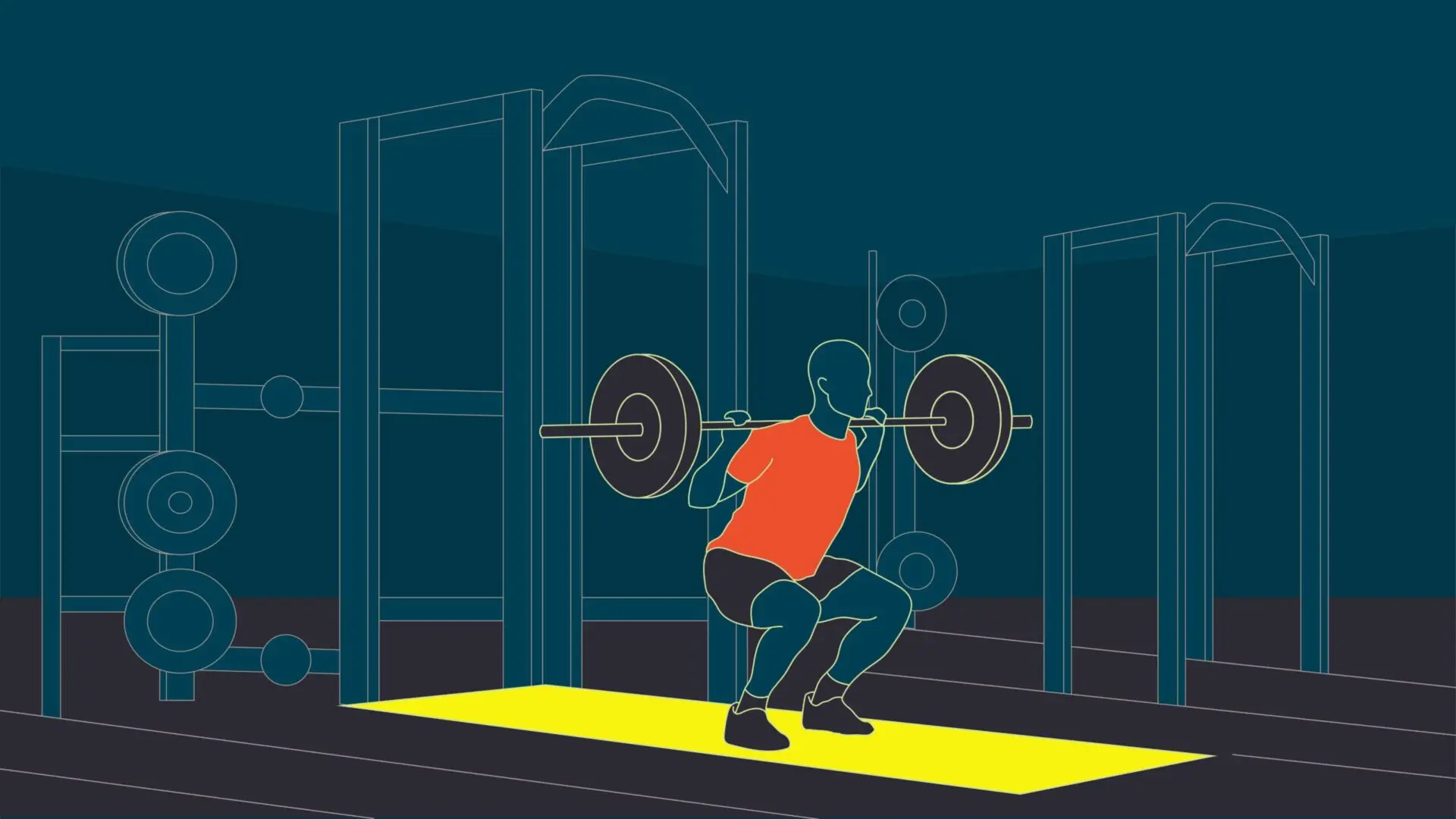
The Science Behind Short Bursts
Micro-dosing's effectiveness is supported by research on short, intense workouts. Understanding how bodies respond to stress and muscle protein synthesis is key.
Muscle protein synthesis, the process of repairing and building muscle, is triggered by mechanical tension, metabolic stress, and muscle damage, not hours of lifting. Sufficient stimulus for muscle growth can be achieved in a short period with high intensity, such as heavy weights and challenging sets.
Hormonal response matters. Prolonged exercise can elevate cortisol, hindering recovery. Shorter, focused sessions can optimize testosterone and growth hormone release, which are vital for muscle growth and repair.
High-intensity interval training (HIIT) shows similar principles for cardiovascular fitness, offering comparable benefits to endurance training in less time. This concept applies to weightlifting, where shorter, intense sessions can yield significant strength and muscle growth. The focus moves from time spent to maximizing each set's impact.
Can you REALLY build muscle in just 5 minutes? ⏱️💪
— fitnexa (@fitnexa_blog) May 2, 2026
Micro-workouts are trending—and science says they actually work (with some limits).
👉 Find out when they work… and when they don’t:https://t.co/cNtztNcctD#Fitness #Workout #MicroWorkout
Building a Micro-Dosing Routine
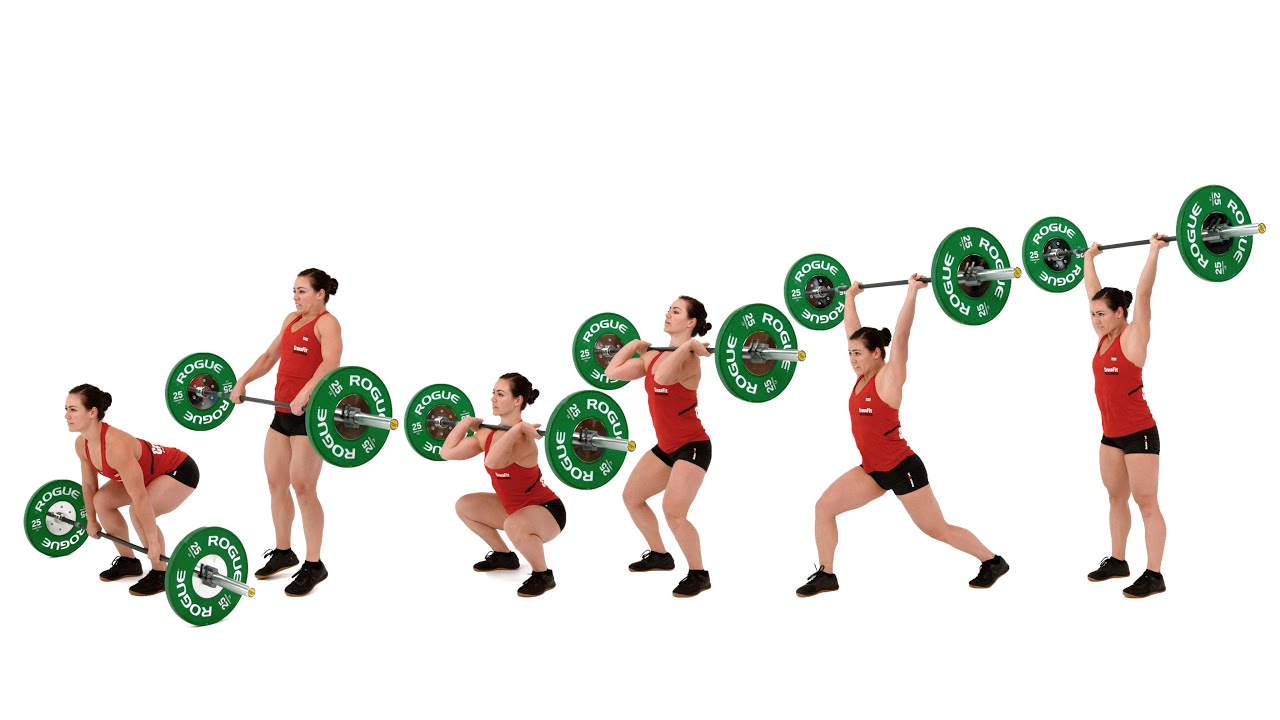
A foundational micro-dosing routine centers on compound lifts like squats, deadlifts, bench press, overhead press, and rows, which work multiple muscle groups. These movements offer the most benefit in a limited timeframe.
A sample session includes 5 sets of 2-3 repetitions at 85-90% of your one-rep max (1RM), with 60-90 second rest periods to maintain intensity. The goal is to lift heavy and challenge yourself, not necessarily push to failure on every set, while maintaining perfect form.
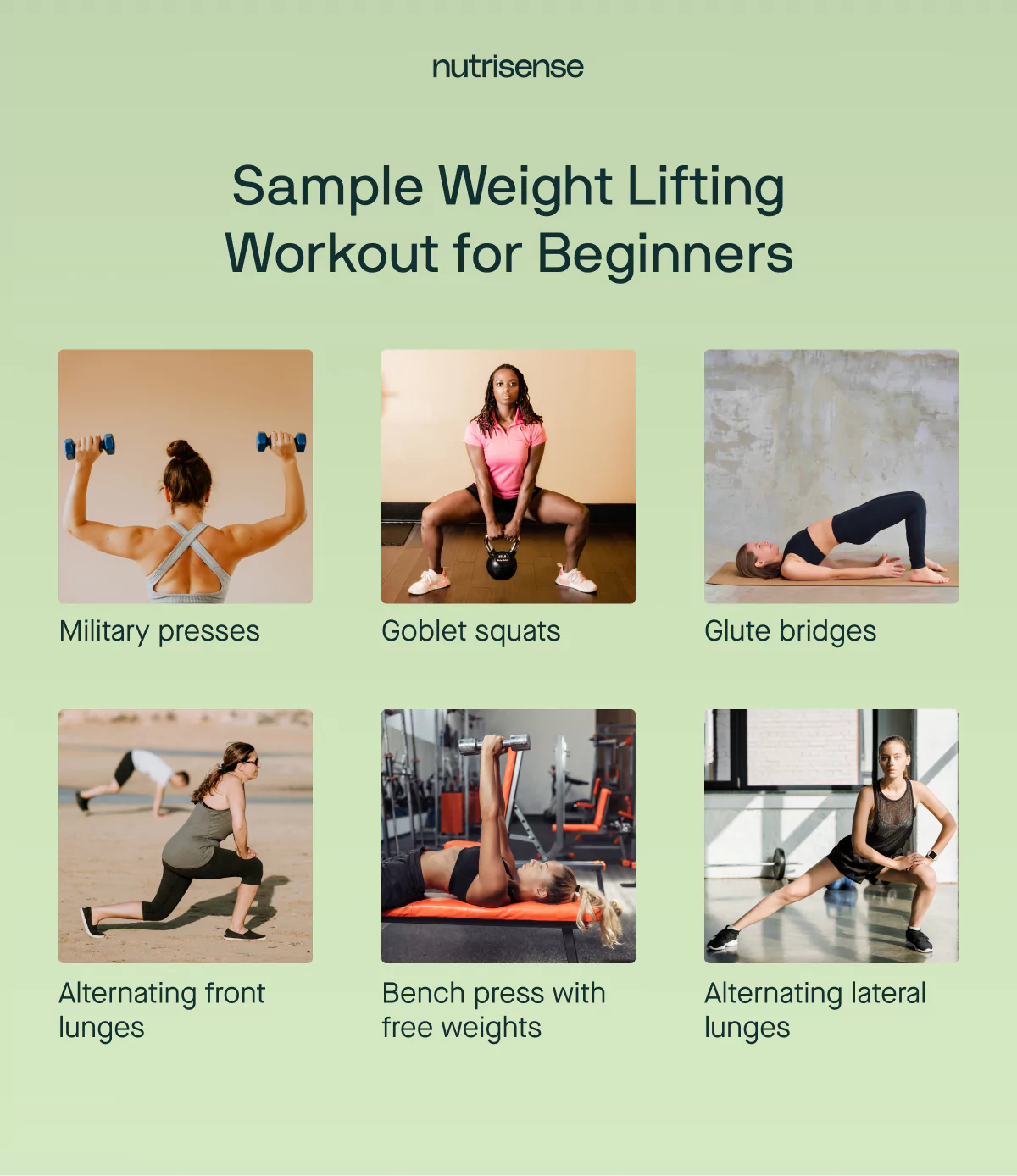
Beginners should start with lighter weights and higher repetitions (e.g., 3 sets of 8-10 reps) to build technique. Intermediate lifters can experiment with rep ranges and set schemes, while advanced lifters can use more complex variations and periodization.
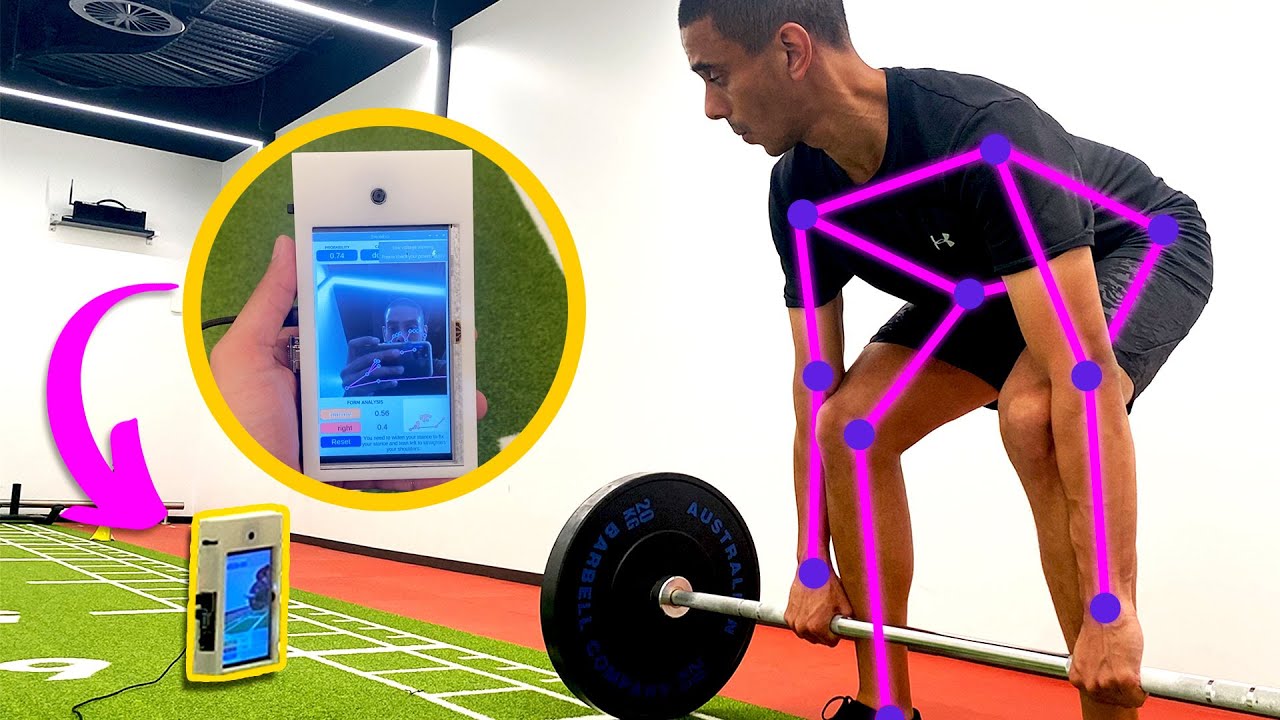
Form is paramount. Ego lifting, attempting to lift more weight than you can handle with proper form, leads to disaster. Prioritize technique over weight. If unsure about your form, work with a qualified coach for personalized guidance and injury prevention.
A sample weekly split: Monday – Squats and Bench Press, Wednesday – Deadlifts and Overhead Press, Friday – Rows and accessory work. Keep it simple and consistent; the goal is to stimulate muscle growth and strength, not exhaustion.
Recovery is the Real Workout
Micro-dosing shifts focus to recovery. Intense short bursts require adequate recovery, differing from simply fitting a workout into a smaller window.
Active recovery strategies are key. Light cardio, like walking or cycling, improves blood flow and reduces soreness. Mobility work, including stretching, foam rolling, and dynamic movements, restores range of motion and prevents injuries. Club Lifted’s guide to rehabilitation offers insights into these principles.
Nutrition and sleep are
Think of your workouts as the stimulus, and recovery as the process that transforms that stimulus into positive adaptation. You’re not getting stronger in the gym; you’re getting stronger between workouts. Prioritize rest and recovery just as much as you prioritize lifting.
- Prioritize 7-9 hours of quality sleep.
- Consume adequate protein (around 0.8-1 gram per pound of bodyweight).
- Incorporate active recovery (light cardio, mobility work).
- Listen to your body and take rest days when needed.
Gear and Accessories: Less is More
You don’t need a fully equipped home gym to implement micro-dosing. In fact, keeping it simple is often best. Good quality lifting shoes are essential for providing stability and support. A lifting belt can be helpful for heavier lifts, but it’s not a necessity, especially for beginners.
Chalk can improve your grip, allowing you to maintain proper form. A home gym setup can be convenient, but it's entirely possible to get excellent results with minimal equipment. A set of adjustable dumbbells or resistance bands can be a good starting point.
Focus on investing in quality over quantity. A few well-chosen pieces of equipment will serve you better than a garage full of cheap gear. Remember, the most important piece of equipment is your body. Don’t let a lack of fancy gadgets hold you back.
Troubleshooting Common Issues
It’s natural to encounter challenges when starting a new training routine. Plateaus are common – periods where you stop seeing progress. If this happens, try varying your rep ranges, set schemes, or exercises. Deloading – reducing your training volume and intensity for a week – can also help break through a plateau.
Soreness is expected, especially when you’re new to lifting heavy weights. However, excessive soreness that interferes with your daily life is a sign that you’re overdoing it. Listen to your body and take rest days when needed. Proper warm-up and cool-down routines can also help minimize soreness.
Motivation dips happen to everyone. Find ways to stay engaged and accountable. Train with a partner, set realistic goals, and track your progress. Remember why you started in the first place. If you only have limited equipment, focus on bodyweight exercises or use resistance bands to add intensity.
Q: What if I miss a workout? A: Don't beat yourself up about it. Life happens. Just get back on track with your next scheduled session. Q: I'm still sore days after a workout. Is that normal? A: Some soreness is normal, but if it's debilitating, you've likely pushed too hard. Reduce the weight or volume next time. Q: I'm not seeing results. What am I doing wrong? A: Re-evaluate your form, nutrition, and recovery. Make sure you're consistently challenging yourself and getting enough rest.
Micro-Dosing vs. Traditional Splits
Traditional weightlifting splits often involve dedicating specific days to different muscle groups (e.g., chest day, back day, leg day). This approach can be effective for building muscle and strength, but it requires a significant time commitment.
Micro-dosing, on the other hand, prioritizes hitting all major muscle groups multiple times per week in shorter, more focused sessions. The pros of micro-dosing include increased frequency, reduced risk of burnout, and improved recovery. The cons include the need for high intensity and a greater emphasis on proper form.
Micro-dosing is best suited for busy professionals, people returning from injury, and those prone to burnout. It's a great option for anyone who wants to maintain or build strength without sacrificing a large chunk of their time. Traditional splits may be more beneficial for competitive athletes with specific goals and the time to dedicate to longer training sessions.
Ultimately, the best approach is the one that works best for you. Experiment with different routines and find what fits your lifestyle and goals. There’s no one-size-fits-all answer. The key is to be consistent and prioritize both training and recovery.
No comments yet. Be the first to share your thoughts!