
Beyond Protein Shakes: Recovery in 2026
Weightlifting recovery has come a long way. For years, the go-to methods were simple: ice baths, static stretching, and a protein shake. These aren’t bad approaches, but they address symptoms rather than the underlying physiological processes. Now, in 2026, we’re seeing a shift towards biohacking – a more personalized, data-driven approach to optimizing recovery and maximizing strength gains.
The focus is no longer solely on reducing muscle soreness, though that’s still important. Instead, we’re digging deeper, looking at how to manipulate cellular function, hormone levels, and nervous system activity to accelerate recovery and build more muscle. This means incorporating technologies and strategies that go beyond the basics, and tailoring them to the individual.
It’s easy to get caught up in chasing the newest gadgets, but the core principle remains the same: recovery is an active process. It’s not just about resting; it’s about strategically intervening to enhance the body’s natural repair mechanisms. This demands a more holistic understanding and a willingness to experiment with new techniques. I believe this is where the biggest gains will be made in the next few years.
For too long, recovery was an afterthought. Now, it’s recognized as an integral part of the training process. Ignoring recovery isn't just hindering progress; it's increasing the risk of injury. Weightlifting safety relies on proper recovery. And that’s why the landscape of recovery is changing so rapidly – people are realizing the true power of optimized recovery.
Red Light Therapy: More Than a Trend?
Red light therapy (RLT) has exploded in popularity, and for good reason. The science, while still evolving, is incredibly promising. RLT involves exposing the body to low levels of red or near-infrared light, which can penetrate the skin and interact with cells. Different wavelengths stimulate different biological effects, primarily by increasing mitochondrial function.
Essentially, RLT helps your cells produce more energy, which is crucial for repair and regeneration. It’s also been shown to reduce inflammation and improve blood flow, both of which are vital for muscle recovery. Studies published in Photomedicine and Laser Surgery have demonstrated its effectiveness in reducing delayed onset muscle soreness (DOMS).
Optimal dosage and frequency depend on several factors, including the intensity of the light source, the area being treated, and individual sensitivity. Generally, sessions range from 10-20 minutes, several times a week. You can use panels, wands, or even beds. I’ve found that starting with lower doses and gradually increasing them is a good approach.
However, it's not a perfect solution. The research is still emerging, and long-term effects are not fully understood. Potential downsides include eye strain (always wear protective eyewear) and skin sensitivity. People with certain medical conditions, like photosensitivity, should consult a doctor before using RLT. It's a tool, and like any tool, it needs to be used responsibly.
- Step 1: Choose a reputable RLT device with appropriate wavelengths (660nm and 850nm are common).
- Step 2: Start with a low dose (10 minutes) and gradually increase as tolerated.
- Step 3: Wear protective eyewear to prevent eye strain.
- Step 4: Maintain a consistent schedule for optimal results.
Nutrient Timing 2.0: Personalized Post-Workout Fuel
The old "protein window" concept – the idea that you need to consume protein within 30-60 minutes post-workout – is outdated. While protein is essential for muscle repair, the timing is far less critical than previously thought. The bigger picture involves understanding how your body responds to different nutrients, based on your genetics, training intensity, and even your gut microbiome.
Carbohydrates play a vital role in replenishing glycogen stores, especially after intense workouts. But the type of carbohydrate matters. Simple sugars can provide a quick energy boost, while complex carbohydrates offer sustained energy release. Fats are also important for hormone production and overall recovery, but they should be consumed in moderation.
Micronutrients often get overlooked, but they’re crucial for optimal recovery. Magnesium is involved in muscle function and energy production. Zinc supports immune function and protein synthesis. Vitamin D plays a role in hormone regulation and muscle strength. The emerging field of chrononutrition suggests that timing meals around your circadian rhythms can further enhance nutrient absorption and utilization.
I'm seeing more athletes experimenting with personalized nutrient timing plans based on genetic testing and gut microbiome analysis. While these tests aren't perfect, they can provide valuable insights. A recent study in the Journal of the International Society of Sports Nutrition showed that individuals with specific gene variants responded better to different protein sources post-workout.
- Protein: 0.8-1.2 grams per pound of body weight, spread throughout the day.
- Carbohydrates: Adjust intake based on training intensity (higher for high-intensity workouts).
- Fats: Include healthy fats (avocados, nuts, olive oil) in moderation.
- Micronutrients: Ensure adequate intake of magnesium, zinc, and vitamin D.
Is Personalized Nutrient Timing Right For You?
| Training Intensity | Dietary Restrictions | Budget | Time Commitment | Personalized Timing Benefit |
|---|---|---|---|---|
| Low | None | Low | Low | May offer marginal benefits, but likely not worth the investment. |
| Low | Moderate | Low | Low | Potential for improved recovery if restrictions limit nutrient intake, but simplicity is key. |
| Low | High | Low | Low | Focus on meeting basic nutritional needs first; personalized timing is unlikely to overcome significant dietary limitations. |
| Medium | None | Moderate | Moderate | Could be beneficial for optimizing glycogen replenishment and reducing muscle soreness. |
| Medium | Moderate | Moderate | Moderate | Worth exploring if dietary restrictions hinder optimal nutrient intake around workouts. |
| Medium | High | Moderate | Moderate | Requires careful planning to navigate restrictions while timing nutrients effectively; complexity increases. |
| High | None | High | High | Potentially significant gains in recovery and performance through precise nutrient delivery. |
| High | Moderate | High | High | Personalized timing can help mitigate the impact of dietary restrictions on recovery, but requires expert guidance. |
| High | High | High | High | Complex undertaking; requires significant expertise to balance restrictions, timing, and overall nutrient needs. |
Illustrative comparison based on the article research brief. Verify current pricing, limits, and product details in the official docs before relying on it.
Sleep Optimization: Beyond Eight Hours
Sleep is arguably the most underrated recovery tool. It’s during sleep that your body repairs muscle tissue, consolidates memories, and regulates hormones. Simply getting eight hours isn't enough; sleep quality is paramount. Poor sleep can negate the benefits of even the most rigorous training and recovery protocols.
Optimizing sleep hygiene is a good starting point. This includes maintaining a consistent sleep schedule, creating a dark, quiet, and cool sleep environment, and avoiding caffeine and alcohol before bed. Sleep trackers can be helpful, but it’s important to choose a reliable device and interpret the data with caution. Some trackers overestimate sleep duration or misinterpret movement as wakefulness.
Tools like blue light filters and white noise machines can also improve sleep quality. Supplements like magnesium glycinate and L-theanine may promote relaxation and improve sleep onset. However, it’s crucial to consult with a healthcare professional before taking any new supplements. I've found that consistent use of a blue light filter in the evening makes a noticeable difference.
The goal isn’t just to get more sleep, but to improve the depth of your sleep. Deep sleep is crucial for muscle protein synthesis and hormone regulation. Prioritizing sleep is a non-negotiable for any serious weightlifter. It's the foundation upon which all other recovery strategies are built.
Sleep Quality Assessment: Unlock Your Recovery Potential
In the pursuit of maximum strength gains, training is only half the battle. Recovery, and especially sleep, is where your body truly rebuilds and adapts. This quiz assesses your current sleep habits to pinpoint areas for improvement and help you biohack your way to better recovery. Answer honestly to receive personalized recommendations!
The Rise of Biomarker Tracking
Tracking biomarkers provides a window into your body’s internal state, allowing you to personalize your training and recovery plans. Biomarkers like cortisol (stress hormone), creatine kinase (muscle damage marker), and C-reactive protein (inflammation marker) can reveal how your body is responding to training stress and whether you’re adequately recovering.
There are several methods for biomarker tracking, including blood tests, saliva tests, and wearable sensors. Blood tests offer the most comprehensive data, but they can be expensive and require a visit to a lab. Saliva tests are less invasive and can be done at home, but they provide a more limited range of data. Wearable sensors are becoming increasingly sophisticated, but their accuracy can vary.
The data collected from biomarker tracking can be used to adjust training volume, intensity, and nutrition. For example, if your cortisol levels are consistently elevated, you may need to reduce your training stress or prioritize stress management techniques. If your creatine kinase levels are high, you may need to increase your protein intake or focus on active recovery.
I’m not sure about the cost-effectiveness for everyone; at-home testing kits can be pricey. However, the ability to gain objective insights into your recovery status is invaluable. It allows you to move beyond subjective feelings of soreness and fatigue and make data-driven decisions. Lab analysis generally provides more accurate results, but comes with a higher cost.
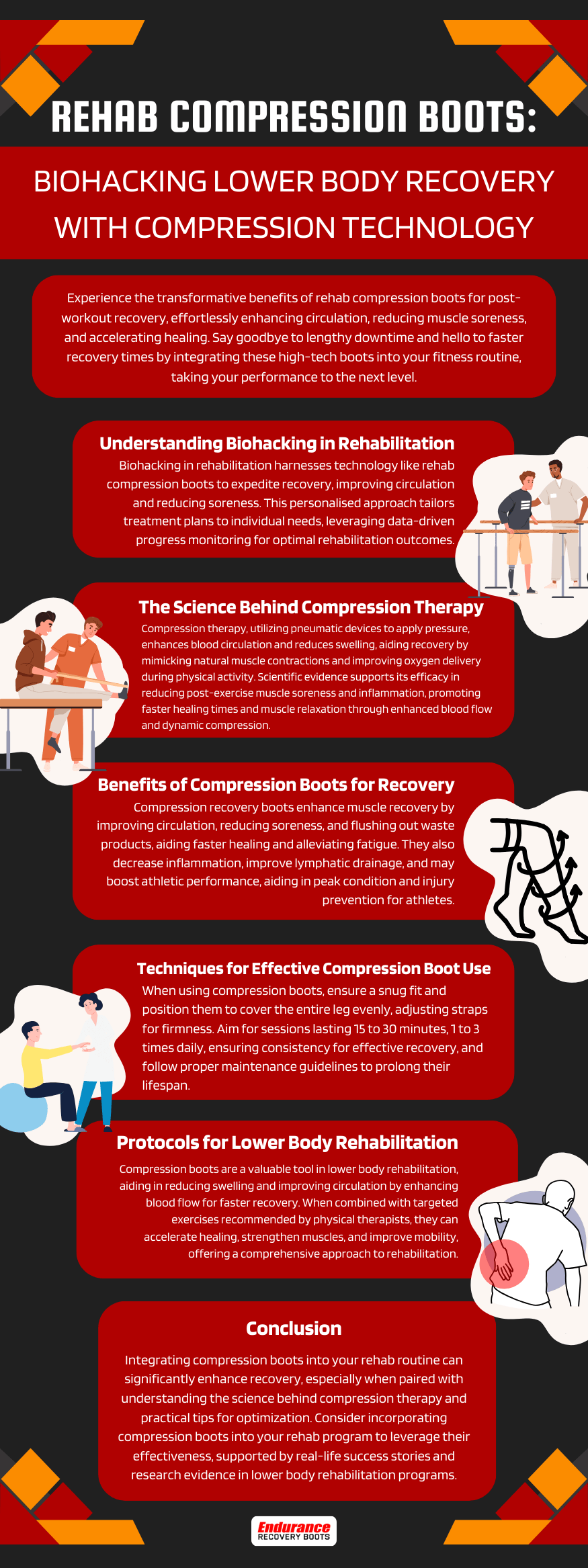
Compression Therapy: Static vs. Dynamic
Compression therapy is a popular recovery method, but there are two main types: static and dynamic. Static compression involves wearing compression garments, such as socks, sleeves, or tights, which apply consistent pressure to the muscles. Dynamic compression, on the other hand, uses pneumatic compression devices that inflate and deflate to massage the muscles and promote blood flow.
Both types of compression therapy offer potential benefits, including reduced muscle soreness, improved blood flow, and lymphatic drainage. Static compression is relatively inexpensive and easy to use. It’s a good option for everyday recovery and preventing swelling. Dynamic compression is more expensive and requires a device, but it can provide a more intense and targeted massage.
The choice between static and dynamic compression depends on your individual needs and preferences. If you’re looking for a simple and affordable solution for everyday recovery, static compression is a good choice. If you’re looking for a more intense and targeted treatment, dynamic compression may be a better option. I recommend starting with static compression and experimenting with dynamic compression if you’re not seeing the desired results.
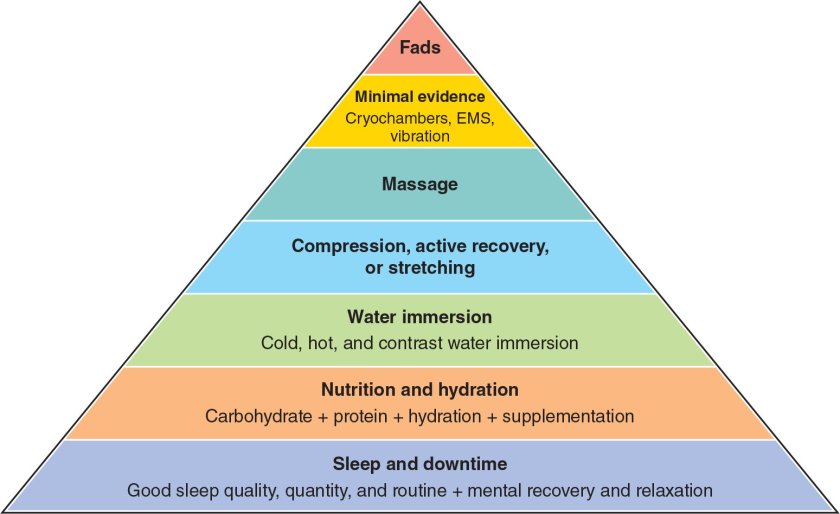
It's important to remember that compression isn’t a magic bullet. It’s a useful tool when used correctly, but it shouldn’t be relied upon as the sole recovery strategy. Proper nutrition, sleep, and active recovery are equally important. And always follow manufacturer instructions for compression garment use.
Recovery Protocol Checklist
- Active Cooling - Utilizing cold water immersion (10-15°C for 10-15 minutes) or ice packs on worked muscle groups to reduce inflammation.
- Post-Workout Compression - Warm-up muscles with light cardio, apply compression garments (e.g., sleeves, tights from brands like 2XU or SKINS) or devices (like NormaTec recovery systems), set appropriate pressure, maintain session duration (20-60 mins), and hydrate.
- Targeted Nutrition - Consuming a post-workout shake or meal containing approximately 20-40g of protein (whey, casein, or plant-based options) and 30-60g of carbohydrates to replenish glycogen stores.
- Sleep Optimization - Prioritizing 7-9 hours of quality sleep per night, potentially aided by sleep tracking devices (like those from Oura or Whoop) to monitor sleep stages and recovery.
- Magnesium Supplementation - Considering magnesium supplementation (glycinate or citrate forms) to support muscle function and recovery, as deficiencies can impair performance.
- Low-Intensity Steady State (LISS) Cardio - Incorporating 20-30 minutes of LISS cardio (walking, cycling) to promote blood flow and nutrient delivery to muscles.
- Foam Rolling/Self-Myofascial Release - Utilizing foam rollers or massage balls (like those from TriggerPoint) to address muscle tightness and improve flexibility.
Cold Exposure: Re-Evaluating the Ice Bath
undefinedevaluated. While cold exposure can reduce inflammation and muscle soreness, it can also suppress immune function and constrict blood vessels. This vasoconstriction may actually hinder the delivery of nutrients to the muscles, potentially slowing down recovery.
Alternative cold exposure methods, such as cold showers and localized cryotherapy, may offer similar benefits with fewer drawbacks. Cold showers are easier to implement and don’t require specialized equipment. Localized cryotherapy involves exposing specific muscle groups to cold air, which can reduce inflammation without causing systemic vasoconstriction.
I think we need to move past the idea that ice baths are universally beneficial and consider individual responses. Some athletes may respond well to ice baths, while others may find them detrimental. Factors like body composition, training intensity, and individual tolerance all play a role. A study published in the European Journal of Applied Physiology suggested that cold water immersion may not be as effective for muscle recovery as previously thought.
Who might benefit most from cold exposure? Athletes who experience significant muscle damage during intense training. Who should avoid it? Individuals with compromised immune systems or cardiovascular issues. The key is to listen to your body and experiment with different methods to find what works best for you. It’s about finding the right balance between reducing inflammation and supporting the body’s natural recovery processes.
Do you regularly use cold exposure (ice baths, cold showers) for recovery?
Vote below!
No comments yet. Be the first to share your thoughts!