

The Rising Risk of Weightlifting Injuries
Weightlifting offers incredible benefits, but it isn't without risk. Injury rates are a genuine concern within the fitness community. According to the U.S. Bureau of Labor Statistics, there were 133,750 injuries related to exercising equipment in 2022, and many of those stemmed from improper lifting techniques. These injuries often lead to time away from training, frustration, and even long-term health problems.
Common injuries include lower back pain, shoulder impingement, and knee strains. These aren't usually caused by lifting weights that are too heavy, but rather by incorrect form while lifting any weight. A slight rounding of the back during a deadlift, a flaring of the elbows during a bench press, or improper knee tracking during a squat can all contribute to injury over time.
Traditionally, catching these subtle form errors has been the job of a qualified coach. However, even the best coaches can miss things. They're human, and they can’t simultaneously monitor every aspect of a lifter’s technique across multiple clients. Plus, many people don’t have access to a coach, relying instead on online videos or self-teaching, which dramatically increases the risk of developing bad habits.
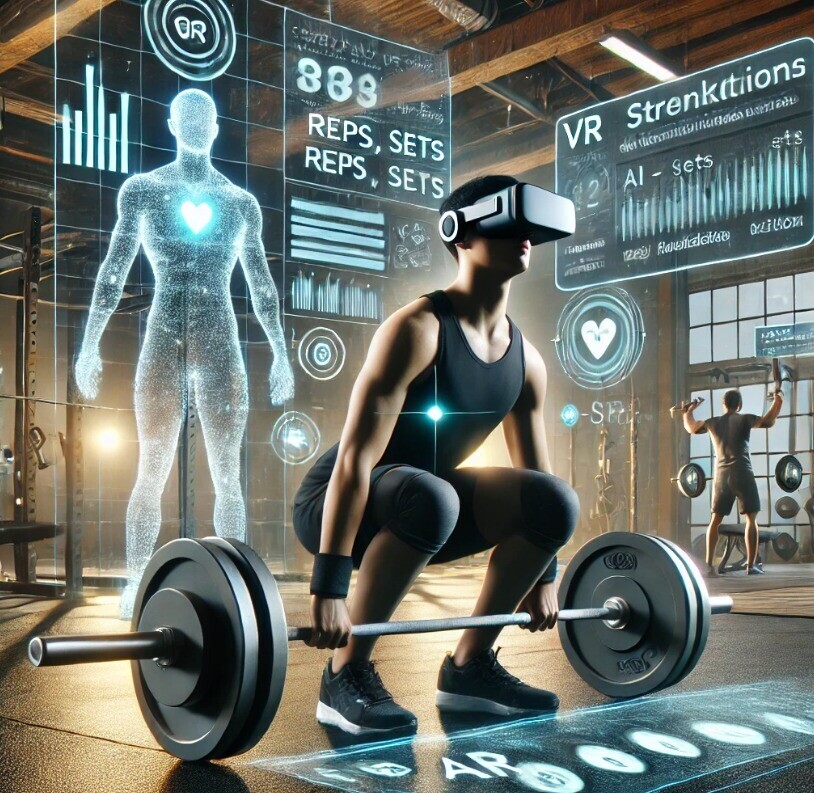
This is where AI-powered form analysis comes in. It offers a potential solution to a significant problem, providing real-time feedback and analysis that can help lifters avoid injury and maximize their results. It’s not about replacing coaching, but about providing an extra layer of safety and guidance.
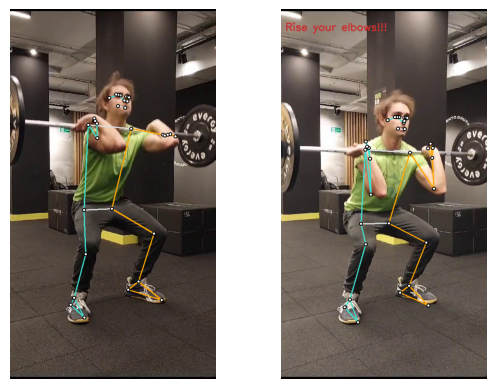
What is AI-Powered Form Analysis?
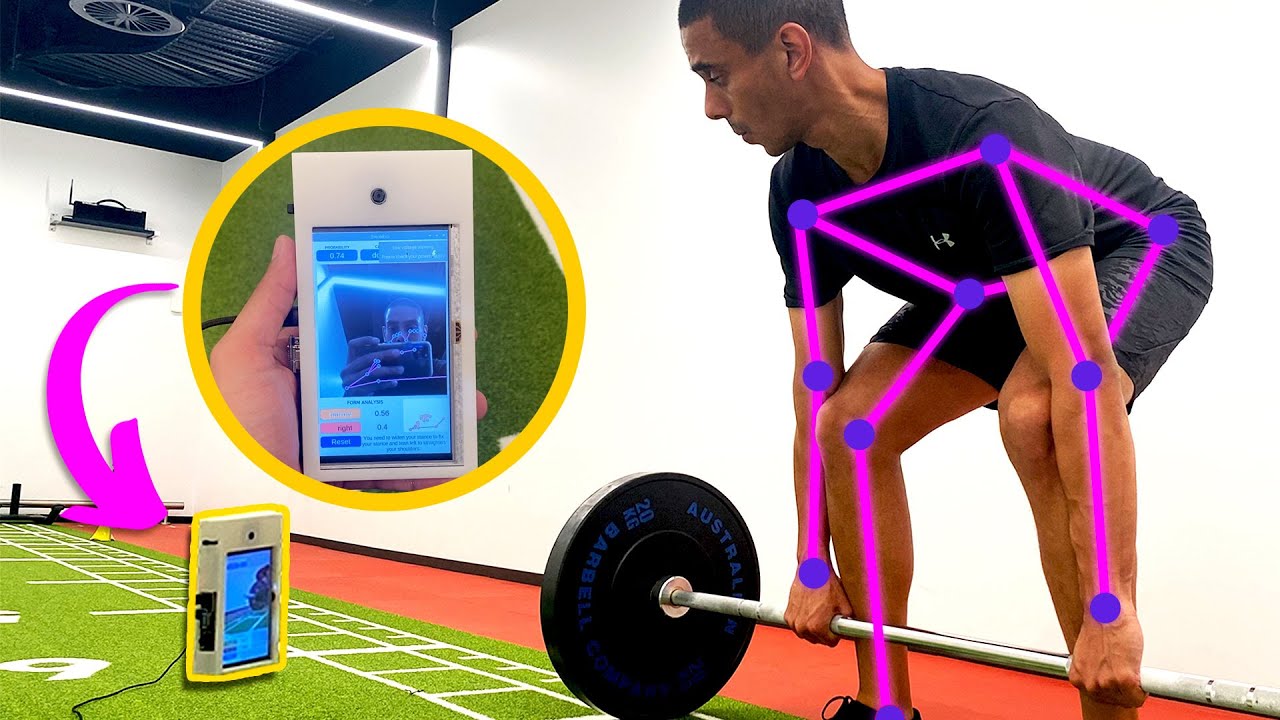
AI-powered form analysis uses technology to assess a lifter’s technique and provide feedback. It’s essentially a digital eye, watching your movements and comparing them to biomechanically sound patterns. The core of these systems relies on a combination of computer vision, motion capture, and machine learning.
Computer vision allows the system to 'see' your movements through a camera. Motion capture goes a step further, precisely tracking the position of your joints and limbs in space. This can be done using multiple cameras, depth sensors, or even wearable sensors attached to your body. The more data points captured, the more accurate the analysis will be.
Machine learning is where the 'intelligence' comes in. The system is trained on a massive dataset of correct and incorrect lifts, performed by experienced lifters and athletes. It learns to identify patterns associated with good form and flags deviations from those patterns. It's not simply looking for 'right' or 'wrong,' but rather identifying how your form differs from optimal technique.
There's a key difference between systems that use 2D video analysis versus 3D motion capture. 2D systems are more accessible and affordable, but they can be limited by perspective and occlusion (when one body part blocks another from view). 3D systems provide a more complete and accurate picture of your movements, but they typically require more expensive hardware.
Current Systems: A Snapshot in 2024
The market for AI-powered form analysis is still relatively new, but it's growing rapidly. Several companies are offering innovative solutions, each with its own strengths and weaknesses. Forme Life is one of the more ambitious entrants, offering a full "smart gym" experience with a mirror-based system that provides real-time feedback on form and personalized workout recommendations.
Repsense is another player, focusing specifically on barbell lifts. They use a sensor that attaches to the barbell to track movement data and provide feedback through a mobile app. It’s a more affordable option than Forme Life, but it’s limited to exercises involving a barbell. They’ve built a solid reputation for the accuracy of their data, particularly for the squat, deadlift, and bench press.
Tempo also offers a smart home gym system with AI-powered form correction. It uses 3D sensors to track your movements and provides real-time feedback on a built-in display. It's a relatively expensive option, but it offers a comprehensive workout experience.
These systems vary in terms of the lifts they analyze, the feedback they provide, and the hardware requirements. Some focus on a limited number of exercises, while others offer a broader range. The quality of feedback also varies, with some systems providing simple 'good' or 'bad' signals, while others offer more detailed and actionable guidance. Most require a subscription fee in addition to the initial hardware cost.
AI-Powered Form Analysis Systems: A Comparative Overview (2026)
| System Name | Lifts Analyzed | Feedback Type | Hardware Required | Key Strengths | Key Weaknesses |
|---|---|---|---|---|---|
| FormWise AI | Squats, Deadlifts, Bench Press, Overhead Press | Visual (on-screen cues), Audio (verbal prompts) | Smartphone/Tablet with camera, optional wearable sensors | Strong focus on foundational lifts, detailed visual feedback, adaptable to home or gym setting | Accuracy can be affected by poor lighting conditions, relies on user positioning of the device |
| LiftCheck | Deadlifts, Rows, Pull-ups, Shoulder Press | Haptic (wearable vibration alerts), Visual | Wearable sensors (wrist, elbow, back), connected app | Real-time haptic feedback for immediate correction, good for dynamic movements | Higher initial cost due to wearable requirement, potential for sensor discomfort |
| MotionLift | Squats, Lunges, Olympic Lifts (Snatch, Clean & Jerk) | Visual (augmented reality overlay), Audio | Depth camera (integrated into smart mirrors or standalone) | Excellent for complex lifts, provides AR guidance directly in the user's field of view, detailed range of motion analysis | Requires specialized hardware (depth camera), potentially higher cost |
| GymSight | Bench Press, Incline Press, Dumbbell Exercises | Visual (form score and highlight areas), Audio | Standard camera (smartphone or gym camera system) | User-friendly interface, good for tracking progress over time, focuses on common gym exercises | Less comprehensive lift coverage compared to some systems, feedback may be less nuanced |
| KineticAI | Squats, Deadlifts, Bench Press, Rows | Visual, Audio, Haptic (optional wearable integration) | Smartphone/Tablet, optional wearable sensors | Highly customizable feedback settings, strong data analytics for performance tracking, adaptable to various skill levels | Can be complex to set up initially, optimal performance requires calibration |
Qualitative comparison based on the article research brief. Confirm current product details in the official docs before making implementation choices.
Beyond Rep Counting: The Nuances of Feedback
Simply counting reps isn't enough. The real value of AI-powered form analysis lies in the quality of feedback it provides. A system that just says “form is bad” isn’t particularly helpful. The best systems break down your movement into specific components and identify exactly what you need to improve.
For example, instead of saying “your squat is incorrect,” a good system might say “your knees are caving in” or “your back is rounding.” This level of detail allows you to make targeted adjustments to your technique. The timing of the feedback is also important. Real-time feedback is ideal, allowing you to correct your form mid-rep.
Personalization is another key factor. A system should be able to adapt to your experience level and goals. A beginner will need different feedback than an advanced lifter. The system should also take into account your individual anatomy and biomechanics. Systems that allow for customizable feedback parameters are a plus.
It’s also important to consider how the system handles false positives and negatives. No system is perfect, and sometimes it will misinterpret your movements. A good system will provide a confidence level for its feedback, allowing you to assess its accuracy. It should also allow you to override the feedback if you believe it's incorrect.
The Data Privacy Question
These systems collect a significant amount of personal data – video footage of your workouts, detailed motion data, and potentially even biometric information. This raises legitimate privacy concerns. What happens to all that data? How is it being used?
Most companies claim to anonymize the data, meaning it’s stripped of any personally identifiable information. However, even anonymized data can potentially be re-identified. It’s crucial to understand the company’s data security measures and its privacy policy. Look for companies that are transparent about their data practices and that comply with relevant privacy regulations.
You should also be aware of your user rights. Do you have the right to access your data? The right to delete it? The right to opt out of data collection? These are important questions to ask. The ethical implications of using AI to monitor and analyze human movement are also worth considering. Are we comfortable with the idea of being constantly surveilled, even in our own homes?
Ultimately, it's up to each individual to weigh the benefits of these systems against the potential privacy risks. Read the terms of service carefully and make an informed decision.
2026 Predictions: Where is This Tech Heading?
I believe we'll see significant advancements in AI-powered form analysis over the next few years. Integration with wearable technology will become more common. Imagine a smart shirt or shorts that can track your movements with even greater accuracy than current camera-based systems. This will allow for more personalized and real-time feedback.
Algorithms will become more sophisticated, capable of detecting even subtler form errors. They’ll also be better at understanding the context of your movements, taking into account your individual anatomy and biomechanics. We might even see systems that can predict injury risk based on your movement patterns.
The cost of these systems will likely come down, making them more accessible to the average lifter. We could see more gyms incorporating AI-powered form analysis into their standard offerings. It might become as common as having a treadmill or elliptical machine.
AI coaching could become a standard part of gym memberships. A personalized training program, tailored to your form and goals, could be generated automatically. This doesn’t mean the end of human coaches, but rather a shift in their role. They’ll become more focused on providing individualized guidance and motivation, while the AI handles the technical aspects of form analysis.
Integrating AI with Existing Training Methods
This technology isn't intended to replace qualified coaches, but to augment their abilities. Think of AI as a powerful tool that can provide coaches with more data and insights into their clients' movements. It can help them identify areas where a lifter needs more individualized attention.
Coaches can use AI-powered form analysis to objectively assess a lifter’s technique, identify weaknesses, and track progress over time. This data can be used to create more effective training programs and provide more targeted feedback. It can also be valuable for remote coaching, allowing coaches to monitor their clients' form even when they're not physically present.
There will likely be some resistance from coaches who feel threatened by this technology. However, I believe that most coaches will come to see AI as a valuable asset, helping them to improve their coaching and deliver better results. The key is to embrace the technology and learn how to use it effectively.
The ideal scenario is a hybrid approach, combining the strengths of both AI and human coaching. AI can provide the objective data and analysis, while the coach can provide the motivation, guidance, and personalized support.
Safety Standards and the Future of Regulation
As AI-powered form analysis becomes more prevalent, there's a growing need for safety standards and regulations. Who is responsible if a system provides incorrect feedback that leads to an injury? This is a complex legal and ethical question.
Currently, there are no specific regulations governing these systems. However, it’s likely that regulatory bodies like OSHA will eventually get involved. OSHA already has procedures for safe weight limits when manually lifting (osha.gov), and they may extend these guidelines to include AI-powered training tools.
Independent certification or testing of these systems could help ensure their accuracy and reliability. A third-party organization could evaluate the algorithms and provide a seal of approval for systems that meet certain standards. This would give consumers more confidence in the technology.
It’s crucial that these systems are used responsibly and ethically. Companies need to be transparent about their data practices and prioritize user privacy. We need to ensure that AI is used to enhance weightlifting safety, not to compromise it.
No comments yet. Be the first to share your thoughts!