
Beyond the Barbell: Why Accessories Matter for New Weightlifters
So, you're starting your weightlifting journey. That’s fantastic. Many beginners think all you really need is the barbell itself, and honestly, that's a good place to start. But quickly you’ll find that strategically chosen weightlifting accessories aren't luxuries—they're investments in your progress and, more importantly, your safety. Ignoring these tools can lead to avoidable injuries and frustrating plateaus.
Weightlifting stresses your joints, grip, and core. Accessories help manage this stress, enabling more efficient lifting and better form. They bridge the gap between productive sessions and painful setbacks. This guide focuses on genuinely impactful accessories, filtering out unnecessary items.
Many lifters push through without proper support, leading to wrist or lower back injuries. A small investment now prevents future trouble and physical therapy costs. This approach is about working smarter, maximizing potential, and enjoying the process.
Wrist Wraps: Protecting Your Joints During Heavy Lifts
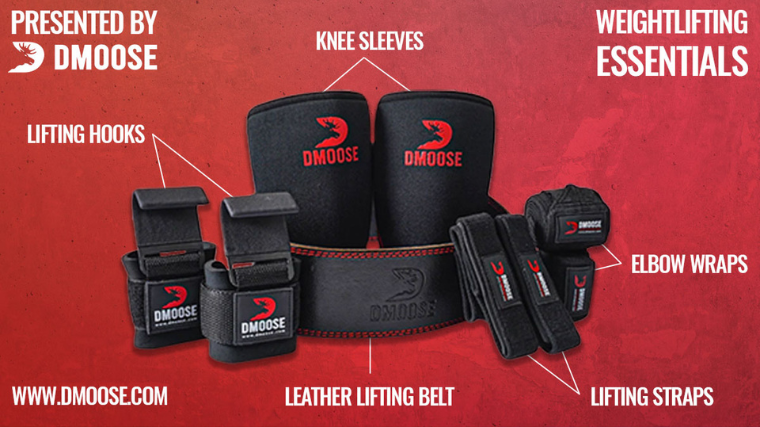
Wrist wraps are strips of material—typically cotton or elastic—that you wrap around your wrists to provide support and stability. They’re not about preventing wrist movement entirely, but about limiting excessive extension, especially during lifts where your wrists are loaded. This is particularly important for exercises like the overhead press, push press, and front squats.
Rigid wraps offer substantial support for maximal lifts, while flexible wraps allow greater range of motion for less demanding exercises or prevention. Using flexible wraps for minor wrist discomfort during overhead pressing provided a noticeable improvement.
Proper adjustment is key. Too tight, and you risk restricting blood flow. Too loose, and they won't provide any meaningful support. You want a snug, secure fit that stabilizes your wrist without cutting off circulation. Cotton wraps are generally more affordable but offer less support than elastic ones. Elastic wraps are more durable and provide a tighter, more consistent compression.
- Amazon Products (as of Feb 26, 2024):
- ProFitness Wrist Wraps - $19.99
- Dark Iron Fitness Wrist Wraps - $24.99
- WOD Nation Wrist Wraps - $16.99
Top 5 Wrist Wraps for Beginner Weightlifters in 2024
18-inch length for optimal support · Thumb loop for easy application · Durable hook and loop closure
Gymreapers are a popular choice for their balance of support and flexibility, making them ideal for learning proper form.
20-inch length for robust support · Heavy-duty elastic material · Secure Velcro closure
Rogue is a trusted name in weightlifting, and their wrist wraps provide reliable, firm support essential for heavy lifts.
18-inch length for versatile support · Strong, breathable fabric · Adjustable Velcro strap
These wraps offer excellent value and sturdy support, helping beginners maintain wrist stability during compound movements.
12-inch length for moderate support · Comfortable elastic blend · Easy-to-use thumb loop
Schiek Sports wraps are known for their comfort and ease of use, providing good support without being overly restrictive for newer lifters.
18-inch length for solid support · High-quality, durable stitching · Wide Velcro for secure fastening
Stoic wraps deliver a premium feel and dependable support, crucial for building confidence and proper technique in beginners.
As an Amazon Associate I earn from qualifying purchases. Prices may vary.
Lifting Belts: When and How to Use Them Safely
The lifting belt is a symbol of strength, but its use is debated. A belt supports existing core strength by increasing intra-abdominal pressure, stabilizing the spine and reducing injury risk during heavy lifts, acting like an internal brace.
There are two main types of belts: leather and nylon. Leather belts are generally more durable and supportive, but also more expensive. Nylon belts are more affordable and lighter, making them a good option for beginners. Buckle types also vary—single-prong belts are simpler, while double-prong belts offer a more secure fit. I prefer a double-prong leather belt for heavier lifts.
Use a belt for heavy squats, deadlifts, and overhead presses—lifts requiring maximum spinal support. Avoid using it for light warm-ups or isolation exercises. Over-reliance can weaken your core; use it strategically, not as a crutch.
Here’s a quick checklist to help you decide: Are you attempting a weight close to your maximum? Is your form solid? If the answer to both is yes, then a belt can be a valuable tool. If not, focus on building your core strength first.
- Belt Usage Checklist:
- Attempting a weight close to your maximum.
- Solid lifting form.
- Focus on bracing your core before putting on the belt.
Weightlifting Shoes: The Foundation of a Stable Lift
Forget running shoes when you're serious about weightlifting. Weightlifting shoes are specifically designed to improve your form and stability. They feature a hard, flat sole and an elevated heel. This construction allows you to maintain a more upright torso, achieve greater squat depth, and generate more power.
The elevated heel is particularly important. It shifts your center of gravity slightly backward, making it easier to maintain balance and hit depth in squats. Compared to running shoes, which have cushioning and flexibility, weightlifting shoes provide a solid, stable base. Cross-training shoes offer some stability, but generally lack the hard sole and elevated heel of dedicated weightlifting shoes.
Ensure a snug fit; your foot should not slide. Brands like Reebok, Nike, and Adidas offer quality weightlifting shoes. Ranging from $100 to $250, they are a worthwhile investment for improving lifting technique, as your entire lift depends on a solid foundation.
Chalk and Grip Aids: Enhancing Your Hold
Chalk—magnesium carbonate—is a weightlifter's best friend. It absorbs moisture from your hands, creating a drier, more secure grip. This is crucial for preventing the barbell from slipping, especially during heavy lifts. A solid grip translates to more control and confidence.
Block chalk is traditional and offers a strong grip but can be messy. Liquid chalk is less messy with consistent application, though some find its grip less potent. Check gym policies on chalk use.
Lifting straps and gloves can be useful. Straps aid grip during exercises like deadlifts but can mask underlying weakness. Gloves protect hands from calluses but reduce bar feel. Prioritize building natural grip strength.
- YouTube Video (as of Feb 26, 2024):
- Alan Thrall - "Weightlifting Chalk: Everything You Need to Know" - https://www.youtube.com/watch?v=g8wW3FsD_dE
Weightlifting Chalk 101: Liquid vs. Block - Which is Best for Your Grip?
Coach Mike's Strength Lab
Watch on YouTube →Socks and Sleeves: Small Details, Big Impact
Good socks matter. Compression socks improve blood flow and reduce muscle soreness, aiding recovery. For weightlifting, higher crew socks offer ankle protection during squats. Wearing compression socks after tough leg days aids recovery.
Knee sleeves offer warmth, support, and a psychological boost, potentially reducing joint pain and improving proprioception. Elbow sleeves provide similar benefits for pressing movements. Proper sizing is critical; too tight restricts circulation, too loose offers no support. Opt for neoprene or similar materials.
Small details significantly impact comfort, performance, and injury prevention. These often-overlooked accessories, while not glamorous, are essential.
Protecting Your Hands: Callus Formation and Prevention
Calluses are an inevitable part of weightlifting, forming from repeated friction and pressure. While uncomfortable, they signify hard work. Complete prevention isn't realistic, but management is possible..
Chalk is your first line of defense. It reduces friction and helps prevent excessive callus build-up. Gloves can also offer some protection, but as mentioned earlier, they can also diminish your grip. Proper form is paramount – inefficient technique puts unnecessary stress on your hands. Regular filing or shaving of calluses can keep them from becoming too thick and painful.
Moisturizing your hands regularly is also essential. Dry, cracked skin is more prone to tearing. I personally use a heavy-duty hand cream every night. It’s a small step, but it makes a big difference in keeping my hands healthy and ready for the next workout.
- Frequently Asked Questions:
- Q: Can I use sandpaper to remove calluses? A: Avoid sandpaper; it's too abrasive. Use a callus shaver or pumice stone.
- Q: Are calluses a sign of progress? A: They indicate you're consistently challenging your grip strength.
- Q: Should I worry about blisters? A: Blisters are different from calluses and require immediate attention. Treat them properly to prevent infection.
Budget Breakdown: Prioritizing Your Accessory Purchases
Okay, so you’re ready to gear up. Let's talk budget. As a beginner, you don’t need to buy everything at once. Start with the essentials: wrist wraps ($20-$30) and a lifting belt ($50-$100). These will provide the most immediate benefits for the least amount of money.
Weightlifting shoes are a worthwhile investment, but can wait until you’re more serious about your training ($100-$250). Chalk is relatively inexpensive ($10-$20). Socks and sleeves are nice to have, but not essential in the beginning ($20-$50).
Look for sales and consider buying used gear to save money. Quality over quantity is key. It’s better to have a few well-made accessories than a pile of cheap ones. Building a solid weightlifting setup doesn’t have to break the bank.
- Beginner Budget Breakdown:
- Wrist Wraps: $20 - $30
- Lifting Belt: $50 - $100
- Chalk: $10 - $20
- Weightlifting Shoes (later): $100 - $250
Essential Weightlifting Accessories: Prioritized for Beginners
| Accessory | Need | Cost | Priority |
|---|---|---|---|
| Weightlifting Belt | High | Medium | 1 |
| Wrist Wraps | Medium | Low | 2 |
| Lifting Straps | Medium | Low | 3 |
| Weightlifting Shoes | Medium | High | 2 |
| Chalk | Medium | Low | 3 |
| Foam Roller | Low | Medium | 3 |
| Jump Rope | Low | Low | 4 |
| Resistance Bands | Low | Low | 4 |
Illustrative comparison based on the article research brief. Verify current pricing, limits, and product details in the official docs before relying on it.
No comments yet. Be the first to share your thoughts!