

Start with the basics
Before you invest in eco-friendly gear or commit to a green training routine, you need a sustainable foundation. Sustainable weightlifting isn't just about the equipment you lift; it's about the structure and consistency of your plan. Without a clear roadmap, even the most environmentally conscious setup will lead to burnout or injury.
Start by assessing your current fitness level and setting realistic goals. Are you looking to build strength, improve endurance, or simply stay active? Define what success looks like for you in the next six months. This clarity helps you choose the right equipment and training methods that align with your actual needs rather than impulse buys.
Next, evaluate your space and budget. Sustainable training often means investing in durable, long-lasting equipment rather than frequent replacements. Consider where you'll lift—whether it's a dedicated home gym corner or a community facility—and ensure your setup prioritizes safety and ergonomics. A well-thought-out plan prevents waste and keeps you motivated for the long haul.
Follow the process
Building a sustainable weightlifting plan requires balancing intensity with recovery. The goal is to create a routine that supports long-term progress without leading to burnout or injury. This process breaks down the essential steps for setting up a green, efficient training environment.

Start by clarifying what "sustainable" means for your specific context. Are you looking to reduce energy consumption, use eco-friendly equipment, or simply avoid overtraining? A clear objective helps you select the right methods and gear. For example, if your focus is on longevity, prioritize compound movements that offer high functional value with minimal joint stress. This approach ensures your training remains effective and injury-free over years, not just weeks.
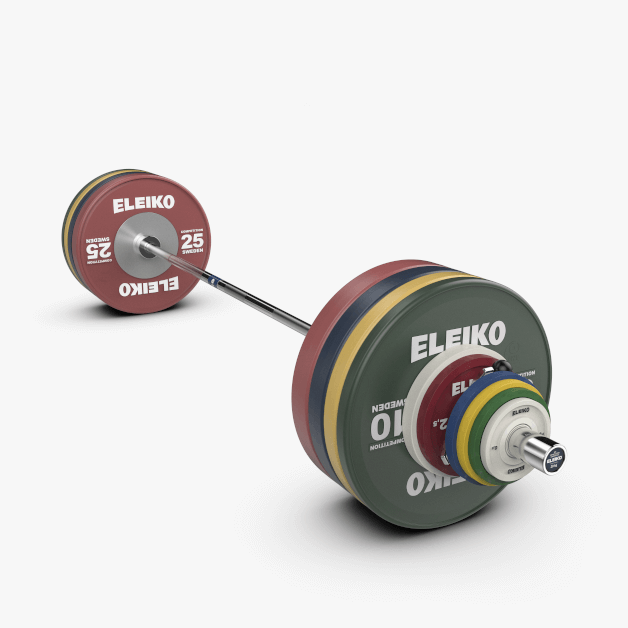
Choose gear that minimizes environmental impact without sacrificing performance. Look for manufacturers who use recycled materials, non-toxic coatings, and durable construction. Brands like Biofit and others in the sustainable fitness space often design equipment with longevity in mind, reducing the need for frequent replacements. When buying, consider second-hand options or refurbished items to extend the lifecycle of existing products. This reduces waste and often saves money while supporting a circular economy.

A sustainable plan is one you can stick to. Avoid extreme programs that require excessive time or recovery. Instead, aim for three to four sessions per week, focusing on progressive overload rather than maximal effort every session. This method allows your body to adapt and grow stronger without overwhelming your central nervous system. Consistency is the true driver of results; a moderate, repeatable routine yields better long-term outcomes than sporadic, intense bursts of activity.
Recovery is where the actual adaptation happens. Integrate active rest days into your schedule, involving light movement like walking or yoga to promote blood flow without adding stress. Ensure you are getting adequate sleep and nutrition to support muscle repair. Ignoring recovery leads to plateaus and injuries, which disrupt your training continuity. Treat rest as an essential part of the process, not a sign of weakness or lack of dedication.

Regularly review your training logs to assess progress. If you are stagnating or feeling overly fatigued, adjust the volume or intensity. Sustainability means being flexible enough to change your plan when life circumstances or physical feedback demand it. This iterative approach keeps your training relevant and effective, ensuring it remains a positive part of your lifestyle rather than a source of stress.
Common Mistakes in Sustainable Weightlifting
Even with eco-friendly equipment and green training methods, poor execution can derail your progress. The most frequent error is prioritizing volume over recovery. Sustainable strength training relies on structure and consistency, not just pushing heavy weights every session. When you ignore rest days, your muscles don’t have time to repair, leading to burnout or injury.
Another mistake is using gear that doesn’t match your actual needs. Buying excessive equipment creates clutter and wastes resources. Instead, focus on durable, multi-functional items like adjustable dumbbells or resistance bands. This approach reduces waste and ensures every piece of equipment serves a clear purpose in your routine.
Finally, many lifters neglect proper form in favor of lifting heavier loads. This not only increases injury risk but also reduces the effectiveness of your workouts. Prioritize controlled movements and proper technique. If you’re unsure, consult a certified trainer or use reputable online resources to verify your form. Small adjustments in technique can yield significant long-term gains without compromising your health or the environment.
Common questions
Sustainable weightlifting isn't just about the gear you buy; it's about the habits you keep. Before you invest in eco-friendly equipment or overhaul your routine, here are the practical answers to the most common hurdles readers face.
No comments yet. Be the first to share your thoughts!