

Gear that matches the lift
The "Club Lifted" aesthetic prioritizes clean movement patterns and durability. This style demands gear that supports heavy compound movements without adding bulk or restricting range of motion. We look for equipment with sharp, minimalist lines and materials built to withstand high-volume training sessions.
Choosing the right accessories means filtering out fluff. You need gear that disappears under the bar or stays secure during dynamic lifts, allowing you to focus entirely on the lift itself. This section highlights products that embody this philosophy: robust, uncluttered, and purpose-built for serious lifters.


As an Amazon Associate, we may earn from qualifying purchases.
Stable footwear for heavy lifts
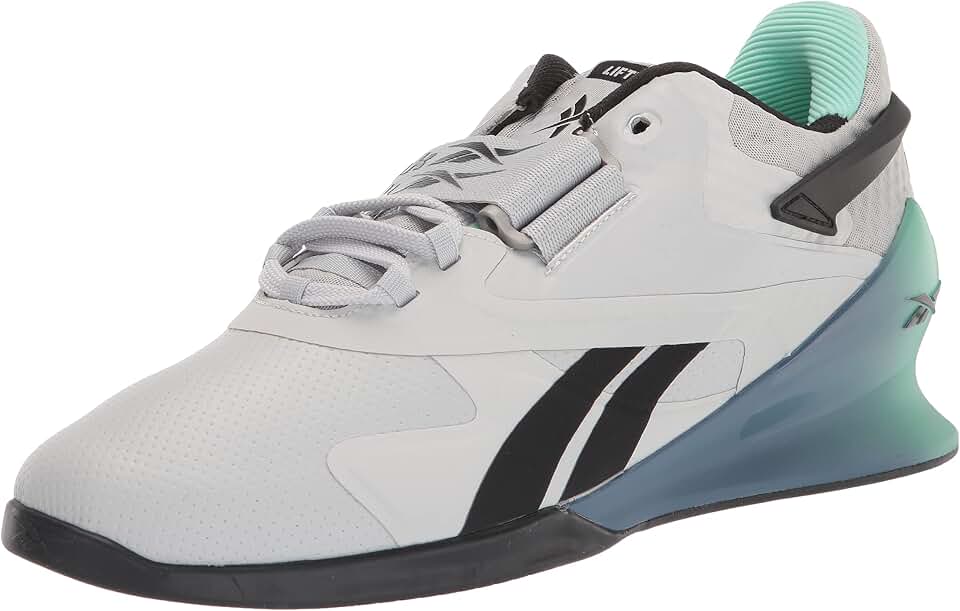
The foundation of any heavy lift is the connection between your feet and the floor. In the Club Lifted style, which prioritizes raw strength and technical precision over cardio, your shoes act as the interface for force transfer. Wearing running shoes or cushioned trainers for squats and deadlifts creates instability that absorbs energy and compromises form. You need a sole that is hard, flat, and non-compressible to ensure that every ounce of power you generate goes into moving the bar, not sinking into foam.
Dedicated weightlifting shoes create a solid platform. The rigid sole prevents your foot from splaying or collapsing under heavy loads, while the elevated heel (in many models) allows for greater ankle dorsiflexion. This extra mobility lets you achieve deeper squat positions with an upright torso, reducing strain on your lower back. For deadlifts, a completely flat sole like that found in Converse or specific deadlift slippers minimizes the distance the bar must travel, making the lift more efficient.
The choice between a flat trainer and a raised-heel shoe depends on your specific movement, but the principle remains the same: stability is non-negotiable. If your routine is dominated by heavy squats and overhead work, the elevated heel of a weightlifting shoe provides the mechanical advantage you need. If your focus is on pulling heavy weights from the floor, a flat, hard sole ensures you don’t lose energy to cushioning.
| Feature | Flat-Soled Trainers | Raised-Heel Shoes |
|---|---|---|
| Sole Material | Hard rubber or wood | Compressible foam |
| Heel Height | Zero drop (0 inch) | 0.5–1.0 inch lift |
| Best For | Deadlifts, powerlifting, Olympic lifts | Deep squats, overhead presses |
| Stability | Maximum ground contact, balance | High arch support, locked foot |
| Ankle Mobility | Requires natural ankle flexibility | Reduces demand on ankles |


As an Amazon Associate, we may earn from qualifying purchases.
Belts for core compression
A lifting belt is the most direct tool for managing intra-abdominal pressure during heavy compound lifts. When you brace against the belt, you create a rigid cylinder around your torso. This support limits the expansion of your abdominal wall, allowing your spine to stay neutral under heavy loads like the squat and deadlift. It does not replace proper bracing technique; it amplifies it.
For those committed to this training style, the goal is stability, not restriction. You need a belt that allows full range of motion in the hips and lower back while providing enough resistance to push back against during your inhale. The material choice dictates the feel: leather offers maximum stiffness and durability, while nylon provides more flexibility and quicker donning. Choosing the right belt means matching the stiffness to your current strength level and lift mechanics.
We have curated a selection of leather and nylon belts that prioritize core compression and durability. These options are selected for their ability to support heavy squats and deadlifts without compromising form.


As an Amazon Associate, we may earn from qualifying purchases.
Selecting the right belt often comes down to personal preference and lift style. Leather belts break in over time, becoming custom-fitted to your body. Nylon belts offer immediate support but may stretch slightly with heavy use. Consider your primary lift and how much rigidity you need to maintain spinal alignment under load.
When to use lifting straps for grip endurance
Lifting straps act as a mechanical bridge between your hands and the bar, allowing you to pull heavy loads without your forearms giving out first. Grip failure is often the limiting factor in pull-heavy movements like deadlifts, barbell rows, and chest-supported rows. Using straps ensures your back and posterior chain receive the intended stimulus, rather than your hands simply letting go mid-set.
Straps are most effective when you are training for hypertrophy or volume. If your goal is to maximize the number of reps or total weight on the bar, straps remove the variable of grip strength. They are particularly useful during high-volume back days where you perform multiple sets of rows or heavy deadlifts. By securing the bar, you can focus entirely on driving your elbows back or extending your hips.
However, straps should not replace hand strength training entirely. Reserve them for your heaviest sets or final accessory movements. Use them when your grip fatigues before your target muscles, but avoid relying on them for warm-up sets or lighter technical work. This approach maintains grip endurance while maximizing back development.

As an Amazon Associate, we may earn from qualifying purchases.
Wraps for joint support
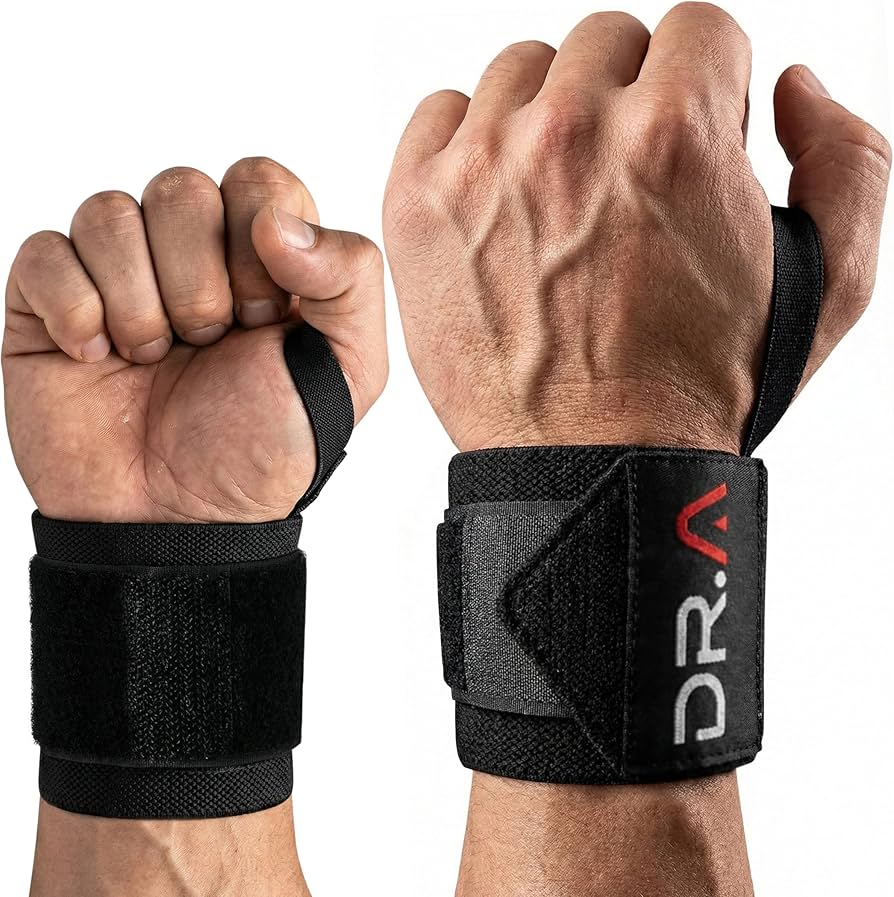
Heavy compound lifts make joint support non-negotiable. Wraps and sleeves serve distinct purposes: wrist wraps provide rigid stability for pressing and pulling, while knee sleeves offer compression and warmth for squats and lunges. Choosing the right gear depends on whether you need to lock a joint in place or keep it warm and mobile.
Wrist Wraps for Stability
Wrist wraps are essential for overhead presses, bench presses, and heavy rows. They limit excessive extension, protecting the joint from shear forces. Look for stiff cotton or nylon blends with a long strap that allows for a tight, secure wrap. For club lifting, durability matters more than aesthetics.


As an Amazon Associate, we may earn from qualifying purchases.
Knee Sleeves for Compression
Knee sleeves are made of neoprene and provide compression to reduce swelling and warmth to increase blood flow. This warmth improves proprioception and joint elasticity during deep squats. A 5mm or 7mm thickness is standard for athletes who need support without restricting mobility.


As an Amazon Associate, we may earn from qualifying purchases.
Choosing the right kit
Building a weightlifting accessory kit isn't about buying everything at once. It's about matching your gear to your specific lift type and training frequency. A powerlifter needs heavy-duty support, while a CrossFit athlete prioritizes versatility. Use this checklist to select the essentials.
Focus on your main competition or training lift. Olympic lifters need wrist wraps for stability during snatches and cleans. Powerlifters require knee sleeves for squat depth and belt support for heavy deadlifts. Choose gear that supports the specific joint stress of your primary movement.
If you train three to four times a week, invest in durable, long-lasting staples like a leather belt and high-density knee sleeves. For daily high-volume training, consider more breathable, frequent-wash options like neoprene sleeves or elastic wrist wraps that offer comfort without excessive bulk.
Start with the "big three": a lifting belt, knee sleeves, and wrist wraps. Add chalk or liquid chalk for grip security. Avoid buying specialty straps or bands until you've mastered the basics. This core kit handles 90% of training scenarios without cluttering your gym bag.


As an Amazon Associate, we may earn from qualifying purchases.
No comments yet. Be the first to share your thoughts!