
Gear that builds strength
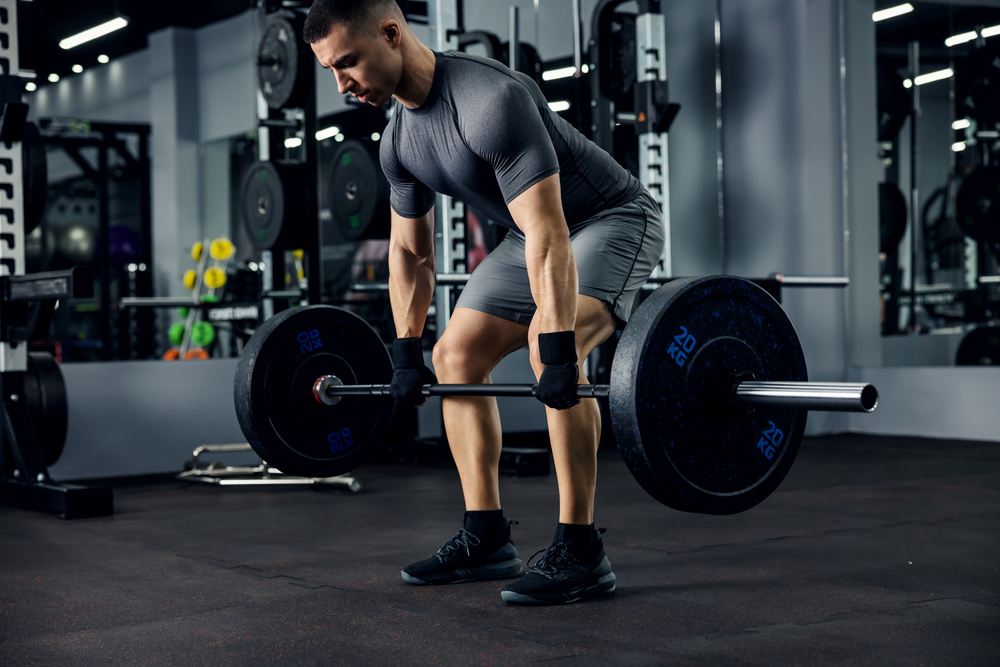
In a weightlifting club context, equipment is the foundation of performance and safety. The "Club Lifted" ethos isn't just about community; it's about lifting heavy with precision and confidence. Proper gear stabilizes your body, allowing you to focus on technique rather than worrying about slippage or instability.
Choosing the right tools means investing in items that directly support your main lifts. Whether it's a belt for core compression or shoes for a solid base, every piece of equipment should serve a functional purpose. This approach ensures that your training sessions are efficient, effective, and aligned with the serious standards of competitive lifting.


As an Amazon Associate, we may earn from qualifying purchases.
Stable shoes for heavy lifts
For athletes in the Club Lifted community, stability isn't just a preference; it's a prerequisite for safe, heavy lifting. When performing Olympic lifts or deep squats, your feet act as the foundation. A stable shoe transfers force efficiently from the ground up, whereas a soft, compressible running shoe dissipates that energy, forcing you to stabilize yourself on an unstable surface.
The primary mechanism for this stability is a raised, non-compressible heel. This elevation improves ankle dorsiflexion, allowing you to achieve full depth in squats and snatch balances without compromising your spine's neutral position. It also shifts your center of gravity slightly forward, which is biomechanically advantageous for catching the bar in the front rack or receiving overhead squats.
Beyond the heel, a rigid midsole and secure strap system lock your foot in place. This prevents lateral movement during heavy cleans or snatches, ensuring that every ounce of power you generate goes into moving the barbell rather than stabilizing your footing. Choosing the right footwear is a critical investment in your longevity under the bar.
When selecting a lifting shoe, the three most important factors are heel height, strap configuration, and sole rigidity. The table below compares the top options favored by serious lifters.
| Model | Heel Height | Straps | Price Range |
|---|---|---|---|
| Nike Metcon 9 | 0.5 inches | 1 wide strap | $130-$150 |
| Reebok Legacy Lifter 2 | 0.75 inches | 2 straps | $150-$170 |
| Adidas Adipower 3 | 0.875 inches | 2 straps | $160-$180 |
| Nike Romaleos 4 | 0.875 inches | 3 straps | $180-$200 |
Lifting Belts for Core Support
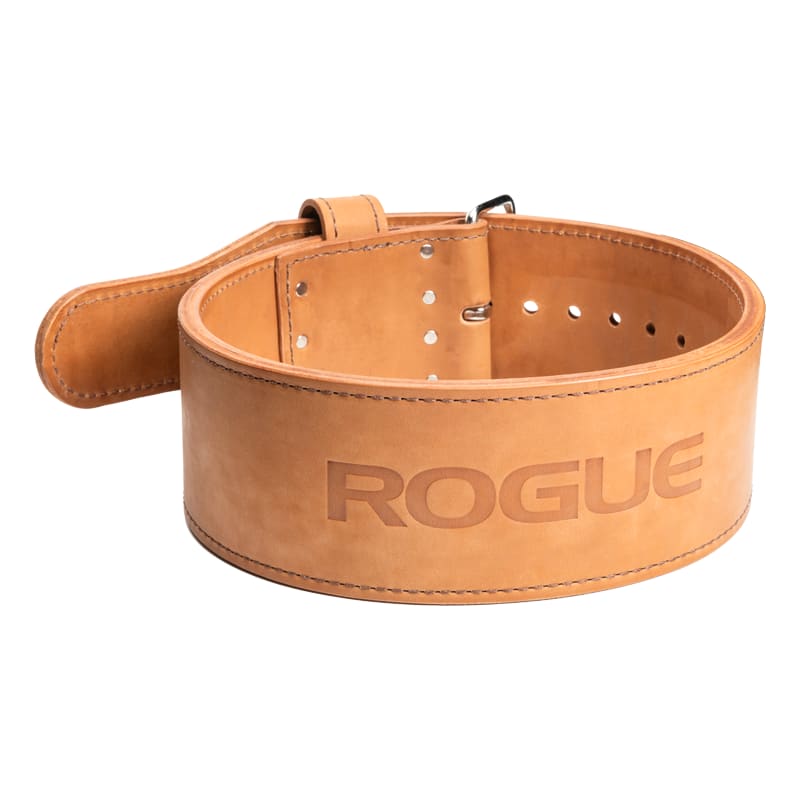
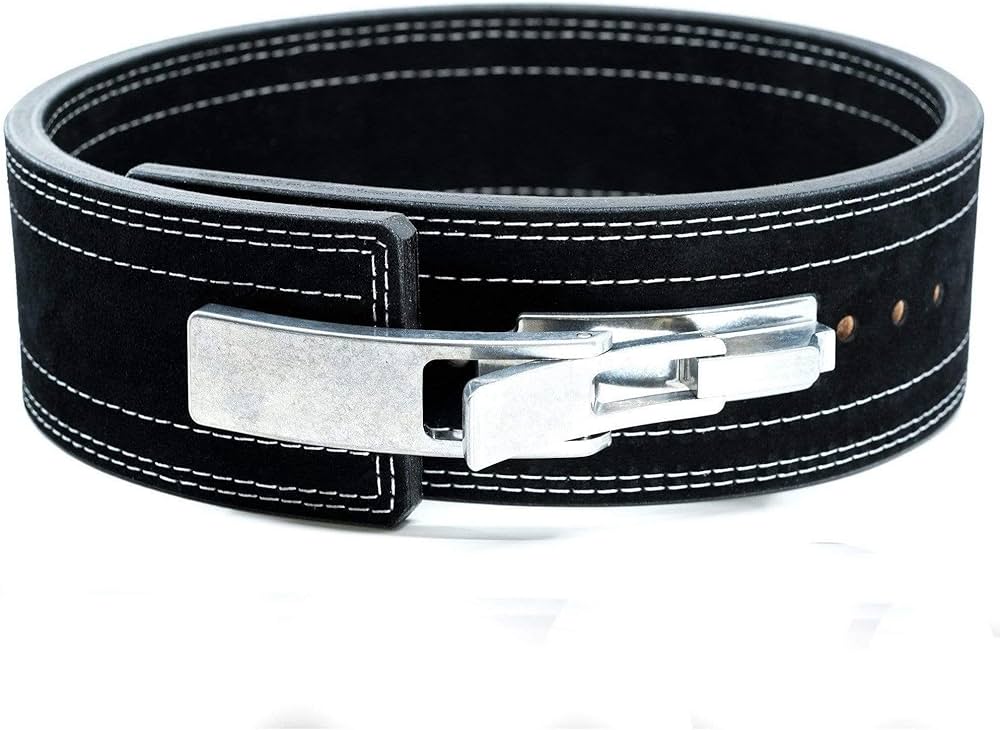
A lifting belt is the primary tool for generating intra-abdominal pressure (IAP) during heavy compound movements. When you brace against the belt, you create a rigid cylinder around your spine, stabilizing the lumbar region against the compressive forces of heavy squats and deadlifts. This mechanical advantage allows club lifted athletes to lift heavier loads with reduced risk of spinal shear.
The effectiveness of a belt depends on its material and width. Leather belts offer superior rigidity for maximal effort lifts, while nylon belts with prong or lever closures provide adjustability and comfort for high-repetition strength work. For the serious athlete, a 10mm to 13mm thick leather belt is the standard for supporting the core during one-rep max attempts.
Choosing the right belt ensures that your core stability matches your strength gains. The following options represent the most reliable choices for athletes seeking durable support during heavy lifting sessions.

As an Amazon Associate, we may earn from qualifying purchases.
Bars for Technique Work
For athletes in a club lifted community, the barbell is the primary interface between intent and execution. Choosing the wrong steel for your primary lift will create friction in your technique and slow your progress. Olympic weightlifting bars and powerlifting bars are engineered for distinct mechanical demands, and confusing the two is a common beginner mistake.
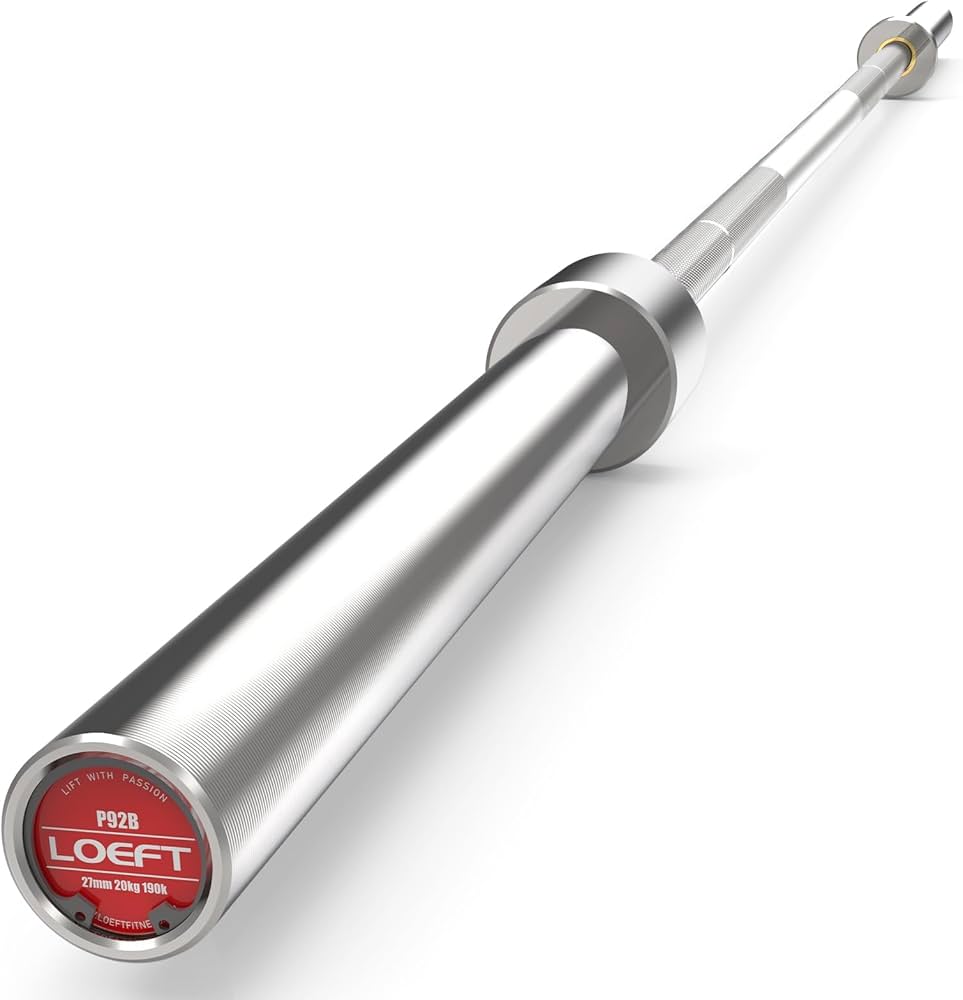
Olymping weightlifting bars are designed to flex. This whip allows the bar to store energy during the explosive second pull of the snatch and clean, then release it as the athlete drives under the bar. These bars are typically thinner (28-29mm) and have aggressive knurling to handle chalked, sweaty hands during dynamic movements. Powerlifting bars, by contrast, are stiffer and thicker (29-30mm) to minimize bounce and whip during heavy squats and deadlifts, providing a stable platform for maximal loads.
Selecting the right bar depends on your primary focus. If your club lifted training emphasizes speed and technical precision, an Olympic bar is essential. If your goal is moving maximum weight in the squat and bench, a power bar offers the stability you need.
| Feature | Olympic Weightlifting Bar | Powerlifting Bar | Best For |
|---|---|---|---|
| Shaft Diameter | 28mm - 29mm | 29mm - 30mm | Hand comfort and whip |
| Tensile Strength | 190k PSI - 215k PSI | 190k PSI - 215k PSI | Durability under load |
| Knurling | Aggressive, deep | Moderate, spaced | Grip security |
| Bearing System | Needle bearings (fast spin) | Needle or caged bearings | Bar rotation |
| Whip/Flex | High (stores energy) | Low (stable platform) | Explosive movements |


As an Amazon Associate, we may earn from qualifying purchases.
Investing in a bar that matches your primary lift ensures that your technique work translates directly to performance. For club lifted athletes, this distinction is not just about equipment; it is about respecting the mechanics of the sport.
Frequently asked: what to check next
What is the Lift Club program at Virgin Active?
Lift Club is a community-focused strength training program designed to build confidence and technique in a supportive environment. It emphasizes lifting heavy with proper form, creating a space for athletes to connect with like-minded individuals. If you are looking for a structured way to progress in your lifts while being part of a broader athletic community, this program offers the structure and social support needed to stay consistent.
How do I start a USA Weightlifting club?
Starting a club requires specific certifications to ensure safety and compliance. You must have at least one USA Weightlifting Level 1 coach who has completed a background screening. Both the club Director and the club Coach are required to undergo background screenings and complete SafeSport training. This regulatory framework ensures that the club operates safely for all members, particularly younger athletes.
What is the Lift Club 1 F45 program?
F45 Lift Club enhances the training experience by focusing on key strength-building lifts in a small-group, progressive format. The program is centered around a four-week progressive overload plan for each lift, designed to enhance strength, technique, and confidence in main lifts. This structured approach allows athletes to track their progress systematically while benefiting from the group dynamic.
What gear is essential for club athletes?
Club athletes need durable, performance-oriented gear that supports heavy lifting. Essentials include quality lifting shoes for stability, belts for core support during max efforts, and straps for grip-intensive pulls. Brands like LSKD offer collections specifically designed for this demographic, combining functionality with the community aesthetic that defines modern weightlifting culture.
No comments yet. Be the first to share your thoughts!