
Why gear matters for technique
Use this section to make the Best Weightlifting Accessories for Club Lifted Athletes decision easier to compare in real life, not just on paper. Start with the reader's actual constraint, then separate must-have requirements from details that are merely nice to have. A practical choice should survive normal use, maintenance, timing, and budget. If a recommendation only works in an ideal situation, call that out plainly and give the reader a fallback path.
The simplest way to use this section is to write down the must-have criteria first, then compare each option against those criteria before weighing nice-to-have features.
Essential lifting straps and belts
Lifting straps and belts are not shortcuts; they are tools that extend your capacity by managing specific failure points. Straps remove grip strength from the equation, allowing you to fully exhaust your back and legs on heavy pulls. Belts manage intra-abdominal pressure, creating a rigid cylinder around your core to protect the spine during maximal efforts.
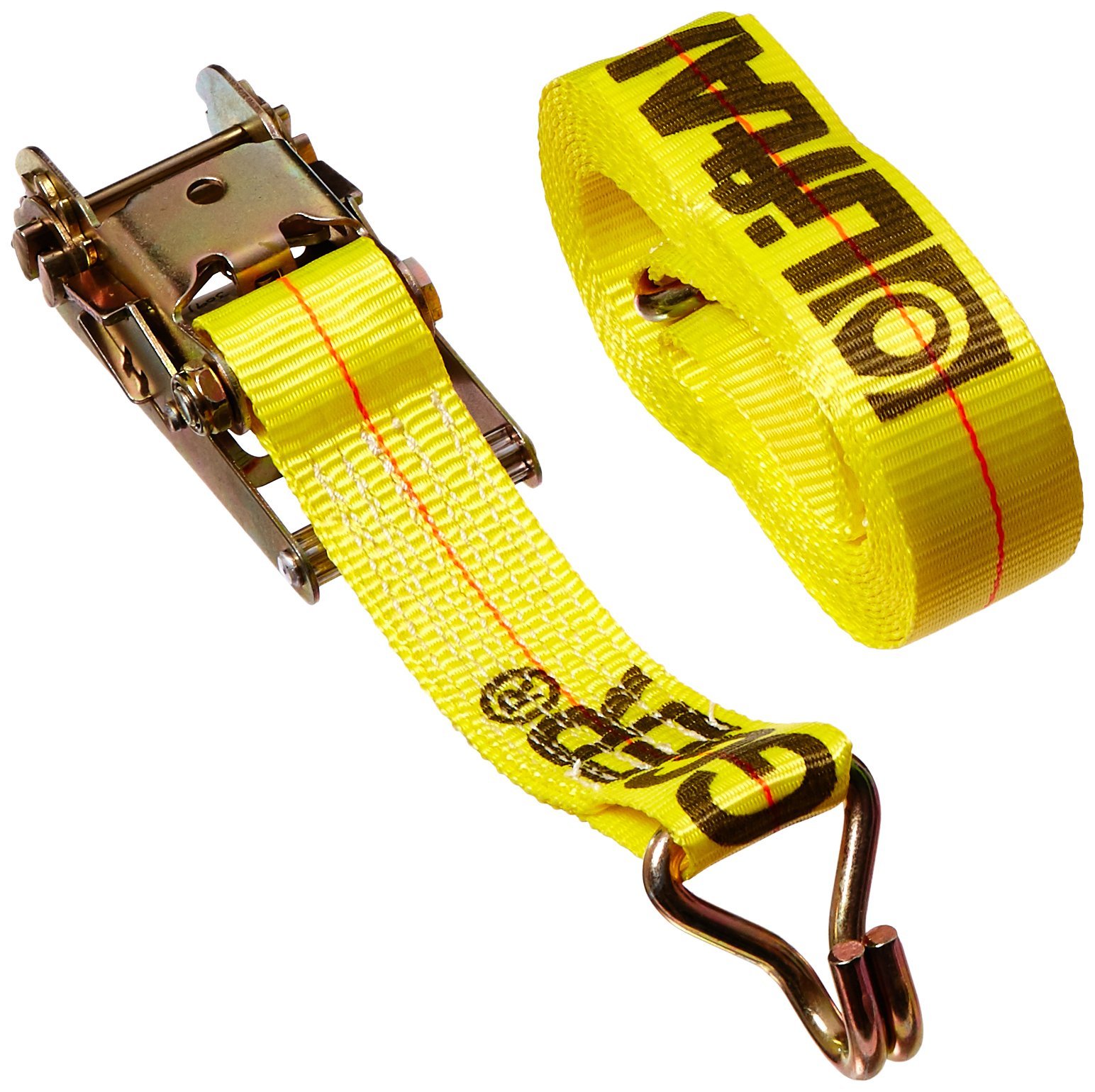
Lifting straps for grip failure
When your hands give out before your target muscles, straps bridge the gap. They secure the bar to your wrist, allowing you to focus on driving the weight rather than holding onto it. This is particularly useful for high-volume back days or when pushing past muscular failure on deadlifts and rows. The goal is to train the posterior chain, not to win a grip strength contest on every set.


As an Amazon Associate, we may earn from qualifying purchases.
Belts for core stability
A lifting belt provides a surface for your abs and obliques to push against. This increases intra-abdominal pressure, stabilizing the lumbar spine and allowing you to lift heavier loads with less risk of shear force on the vertebrae. It works best when you brace hard against the belt, turning your torso into a solid column. This is essential for squats, overhead presses, and heavy deadlifts where spinal integrity is paramount.


As an Amazon Associate, we may earn from qualifying purchases.
Footwear for stability and lift
Weightlifting shoes are not just another accessory; they are the foundation of your lift. For club lifted athletes, the goal is often to move heavy loads with perfect form. Standard running shoes or flat sneakers compress under weight, causing your heels to sink and your knees to cave inward. This instability wastes energy and increases injury risk. Dedicated weightlifting shoes solve this with a rigid, non-compressible sole and an elevated heel.
The elevated heel, typically made of hard plastic or polyurethane, shifts your ankle into a more dorsiflexed position. This allows you to keep your torso more upright during the squat, which improves leverage and reduces shear force on the lower back. Think of the shoe as a wedge that helps you dig deeper into the hole without sacrificing balance. The strap across the midfoot locks your foot down, ensuring that the force you generate goes directly into the bar, not into shifting your foot inside the shoe.
Choosing the right pair depends on your lifting style and foot anatomy. Some lifters prefer a wide, flat platform for deadlifts, while others need the heel elevation for high-bar squats. Below is a comparison of the most popular options used by serious lifters to help you decide which fits your needs.
| Model | Heel Height | Strap | Best For |
|---|---|---|---|
| Nike Metcon 9 | 0.5 inch | Single strap | Cross-training & WODs |
| Reebok Nano X3 | 0.5 inch | Single strap | Versatile daily training |
| Adidas Adipower | 0.75 inch | Dual straps | Olympic weightlifting |
| Nike Romaleos 4 | 0.75 inch | Dual straps | Heavy squats & cleans |
The Nike Metcon 9 and Reebok Nano X3 are excellent for general fitness and CrossFit-style workouts where you need a stable base for lifting but also need to run or jump. Their 0.5-inch heel provides a slight lift without being too aggressive. However, if your primary focus is maximal squatting or Olympic lifting, you will benefit more from the dedicated weightlifting shoes like the Adidas Adipower or Nike Romaleos 4. These shoes offer a 0.75-inch heel and dual straps for maximum lockdown, providing the stability needed for heavy, technical lifts. Always try them on with your lifting socks to ensure a snug, secure fit before committing to a pair.
Chalk and grip aids for dry hands
Sweaty palms are the silent killer of heavy singles and high-rep sets. When moisture breaks the seal between skin and barbell, grip fails before your muscles do. For club lifted athletes, maintaining a secure hold is not just about performance—it is a safety requirement. Dropping a heavy bar because of a slip can cause injury to the lifter and damage equipment. Liquid chalk and chalk blocks provide the friction needed to lock in your grip, allowing you to focus on technique rather than holding on for dear life.
Liquid chalk offers a clean, fast application method that dries quickly without the cloud of loose powder. It is ideal for athletes who want to minimize mess in shared gym spaces while still getting the drying benefits of magnesium carbonate. Chalk blocks, on the other hand, provide a more traditional, tactile application that some lifters prefer for heavy deadlifts or pulls where maximum friction is critical. Both options serve the same purpose: keeping your hands dry and your grip secure.
Choosing the right product depends on your training style and gym environment. Liquid chalk is often preferred for high-volume workouts where quick transitions between sets are necessary. Chalk blocks are better for heavy single efforts where you need to build up a thick layer of grip aid. Look for products with high-quality magnesium carbonate and minimal additives to ensure maximum absorption and longevity.


As an Amazon Associate, we may earn from qualifying purchases.
Choosing the right gear for your lift
Selecting weightlifting accessories requires matching equipment to the specific mechanical demands of your primary movements. A snatch, clean and jerk, and squat place different stresses on joints and require distinct support structures. Using the wrong gear can compromise technique or increase injury risk, while the right setup reinforces proper mechanics.
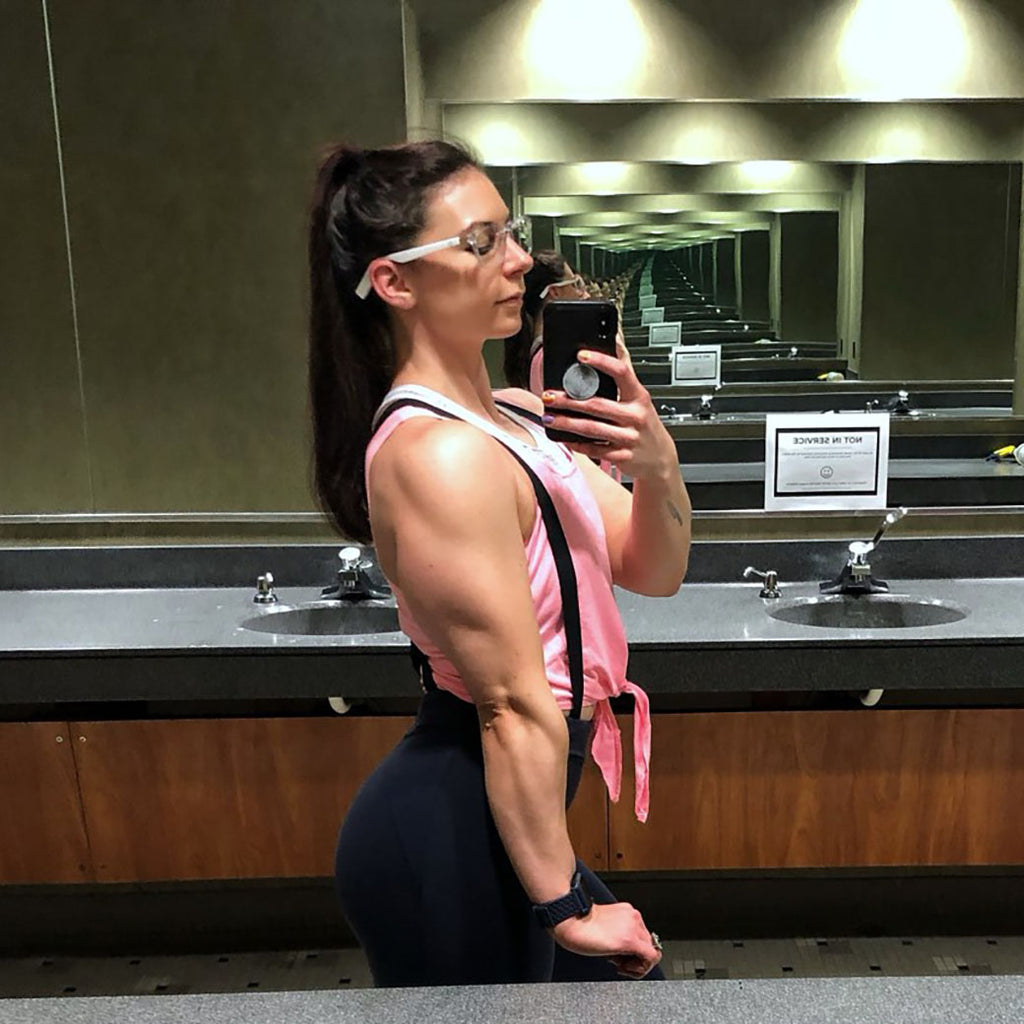
The snatch demands extreme overhead stability and wrist mobility. Prioritize wrist wraps that provide rigid support during the turnover phase and a lifting belt with moderate thickness to maintain intra-abdominal pressure without restricting thoracic extension. Look for gear that allows full range of motion in the shoulders while stabilizing the elbow.
This two-part movement requires gear that transitions smoothly from the floor to the rack position and then to the overhead lockout. A wider stance during the clean benefits from a belt that supports the lower back during heavy pulls, while knee sleeves provide compression and warmth for the rapid deceleration in the rack position.
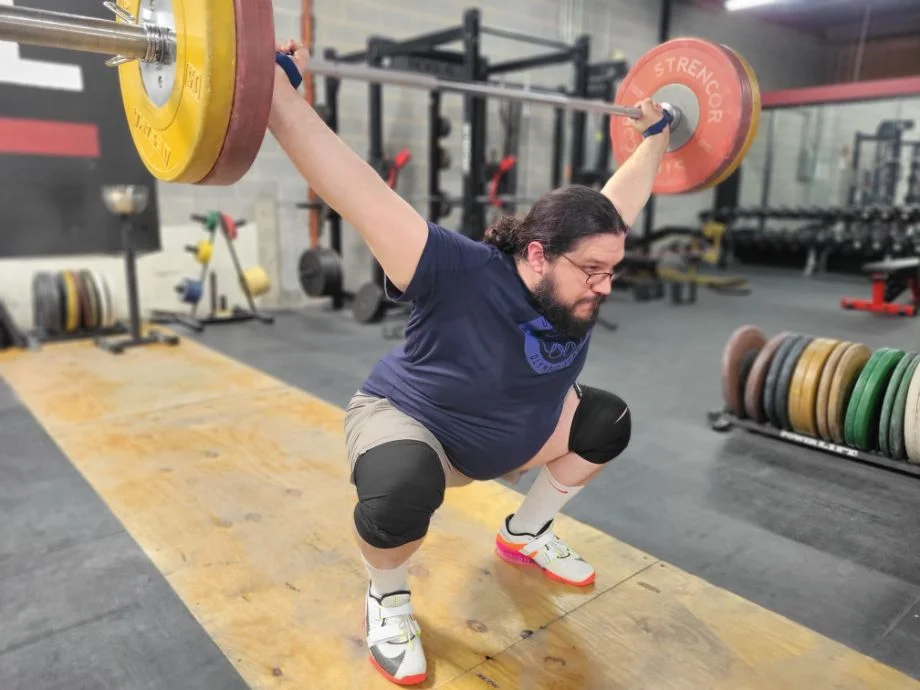
Squats prioritize vertical force production and joint alignment. Thick, stiff belts are preferred here to maximize core rigidity under heavy loads. Knee sleeves with higher compression help maintain joint temperature and provide proprioceptive feedback, ensuring the knees track correctly over the toes during deep flexion.


As an Amazon Associate, we may earn from qualifying purchases.
Common questions about lifting gear
Lifting gear is an investment in your safety and performance, but it requires the right selection and care to pay off. Here are the most frequent questions club lifted athletes ask about their equipment.
No comments yet. Be the first to share your thoughts!