

Why form beats weight every time
Building strength is a long game, and your technique is the foundation. A comprehensive weightlifting guide for beginners always starts with mechanics, not the number on the barbell. When you prioritize proper form, you build the neuromuscular connections necessary to lift heavier loads safely in the future. Chasing heavy weights with sloppy technique is the fastest way to hit a plateau or, worse, suffer an injury that sidelines you for months.
Research from the Mayo Clinic emphasizes that lifting the right amount of weight—starting with a load you can handle for 12 to 15 repetitions—ensures you can maintain proper form throughout the set. Cleveland Clinic exercise physiologists note that learning the correct movement patterns first is the secret to sustainable strength. If you cannot control the weight through the full range of motion, it is too heavy.
Think of your body as a vehicle. You wouldn’t put high-octane fuel in an engine with loose bolts. Proper form is the tightening of those bolts. Once your structure is solid, you can safely add horsepower. This section establishes the baseline for the five essential techniques that follow, ensuring you build strength that lasts.
5 Essential Techniques for Safer Strength
Mastering proper form is the cornerstone of any effective weightlifting guide, ensuring longevity and injury prevention. These five techniques prioritize safety without sacrificing intensity, allowing you to build strength with confidence.
-
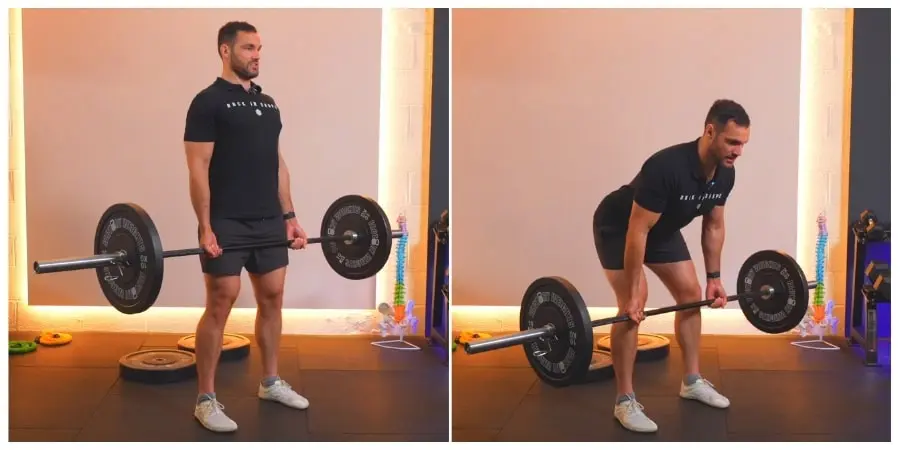
Master the hip hinge for deadlifts
A proper weightlifting guide emphasizes the hip hinge as the foundation of safe deadlifting. Push your hips backward while keeping your spine neutral, rather than squatting down. This movement pattern engages the posterior chain effectively, reducing lower back strain. By mastering this hinge, you protect your lumbar spine while maximizing power output from your glutes and hamstrings during heavy lifts. -
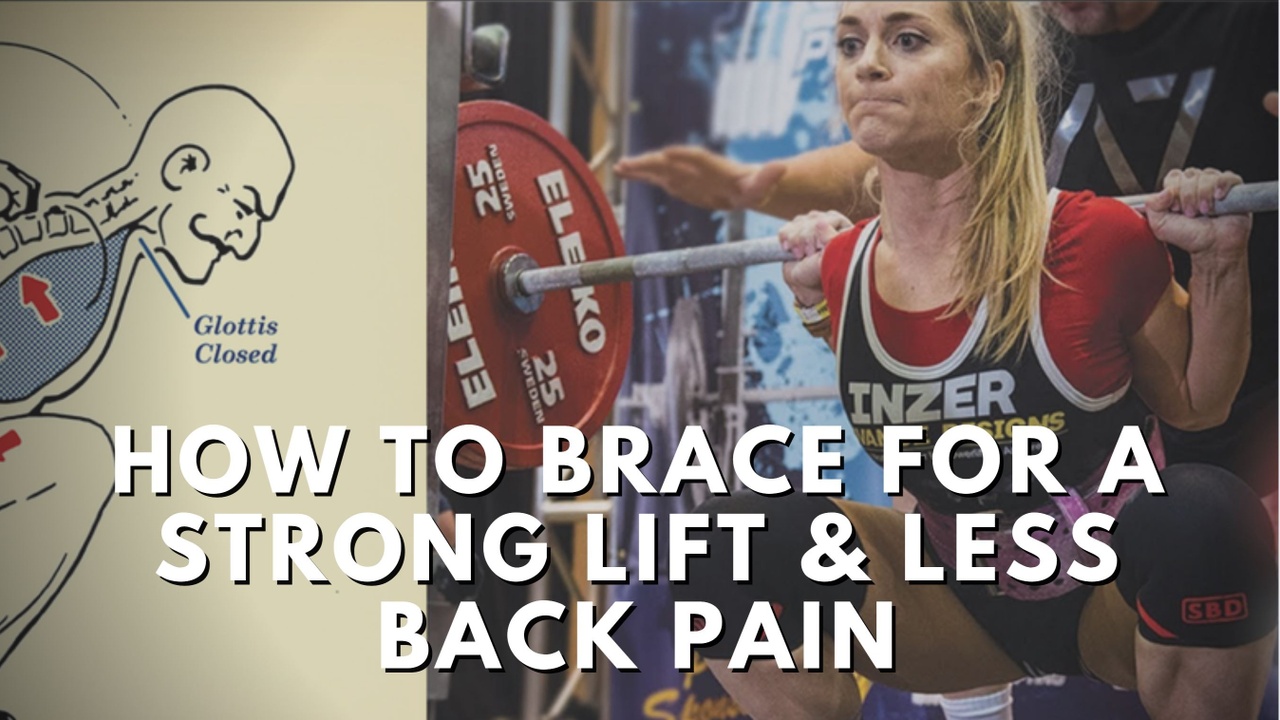
Brace your core before every lift
Bracing creates intra-abdominal pressure that stabilizes your spine under heavy loads. Imagine preparing to take a punch to the stomach, engaging your entire midsection rather than just sucking in. This internal corset protects your vertebrae from shear forces. Consistent bracing ensures that force transfers efficiently from your legs to the barbell, preventing dangerous spinal flexion during maximal effort attempts. -
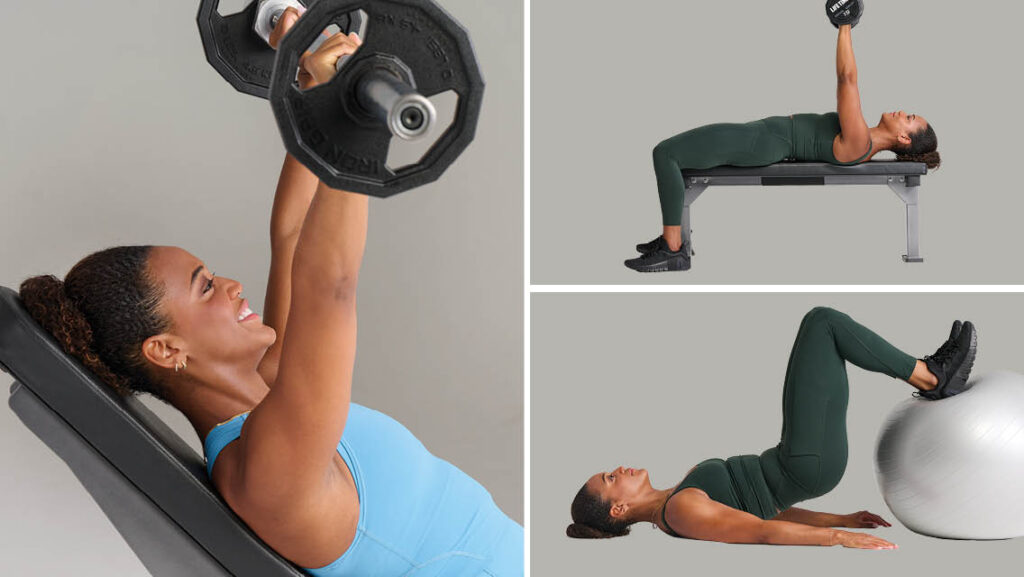
Control the eccentric phase
Lowering the weight with intention builds resilience and muscle control. Rushing the descent wastes potential energy and increases injury risk. Aim for a smooth, two-to-three-second descent, resisting gravity rather than collapsing under it. This deliberate eccentric phase strengthens tendons and improves proprioception, ensuring you maintain structural integrity throughout the entire range of motion during complex barbell movements. -
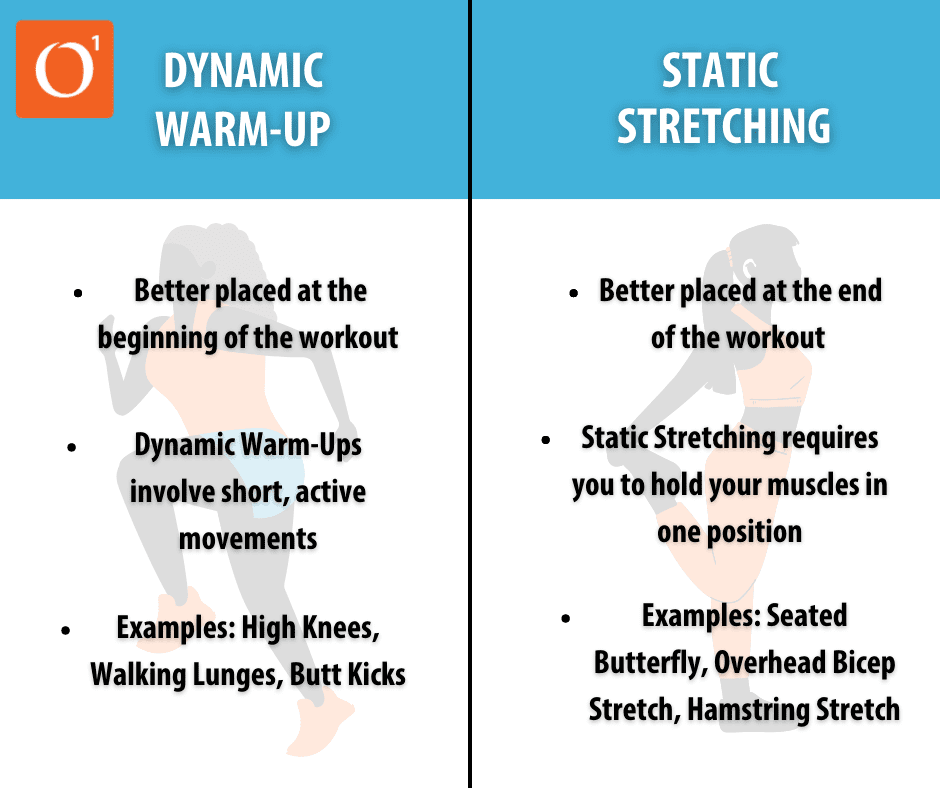
Warm up with dynamic movements
Static stretching before lifting can actually reduce power output. Instead, perform dynamic movements like leg swings, arm circles, and bodyweight squats to increase blood flow and joint lubrication. This preparation raises your core temperature and primes the nervous system for explosive action. A thorough dynamic warm-up ensures your muscles are pliable and ready to handle the mechanical stress of heavy weightlifting sessions safely. -

Grip the bar with proper hand placement
Hand placement dictates your ability to hold onto the bar securely. Position your hands just outside your legs for deadlifts, aligning your wrists directly over the barbell to maximize mechanical advantage. For Olympic lifts, consider a hook grip to prevent the bar from rolling out. Secure gripping reduces forearm fatigue and ensures that your strength is not wasted on maintaining hold, allowing for safer, more efficient lifts.
Essential gear for safe lifting
A solid weightlifting guide always reminds you that technique is only half the equation. The other half is the equipment that bridges the gap between your strength and your safety. You don't need a warehouse of gadgets, but three core pieces of gear can significantly reduce injury risk and improve performance.
The right tools act like a safety net. They stabilize your joints, improve force transfer, and allow you to focus on the lift rather than worrying about slipping or straining. Here is what you actually need to build a safer, stronger foundation.


As an Amazon Associate, we may earn from qualifying purchases.
Your pre-lift safety checklist
A consistent pre-lift routine is the foundation of a safe weightlifting guide. Before you touch the bar, take thirty seconds to verify your setup. This brief pause prevents injuries and ensures you lift with confidence.
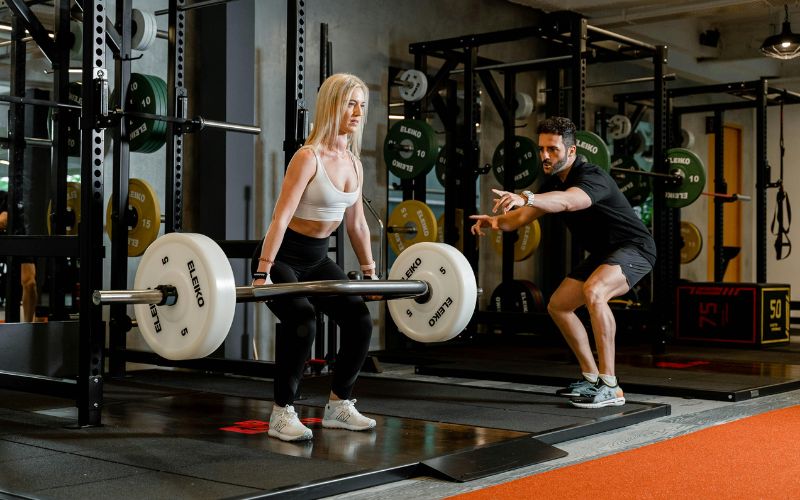
Ensure your shoes are flat and secure. Lifting in unstable sneakers shifts your center of gravity and increases ankle strain.
Fasten your belt or wrap your wrists if you use them. Gear should feel supportive, not restrictive, allowing full range of motion.
Check that the bar is loaded symmetrically and the collars are tight. An uneven bar can twist during the lift and cause injury.
Make sure there is enough room around the platform. Remove any obstacles that could interfere with your movement path.
Take a deep breath into your belly and brace your core. This creates intra-abdominal pressure to protect your spine under load.
Common weightlifting mistakes to avoid
Even with a solid weightlifting guide in hand, small technical errors can derail progress or cause injury. Most lifters repeat the same patterns: rushing reps, holding their breath, or ignoring form for heavier loads. Fixing these habits is about consistency, not complexity.
No comments yet. Be the first to share your thoughts!