

The 2026 safety shifts
Weightlifting safety used to mean chalk and a prayer for your lower back. The 2026 guidelines change that. We're moving away from generic advice toward systems built for individual bodies. It is a necessary shift because the old 'one size fits all' approach clearly isn't working.
The impetus for these changes comes from a few key areas. We’ve seen a consistent stream of injury data highlighting common failure points, and a deeper understanding of biomechanics is giving us new insights into how forces impact the body during lifts. More athletes are lifting for longer, and at higher intensities, demanding a more sophisticated safety framework. These new guidelines are a direct response to those demands.
It’s easy to think of safety as simply "doing the lift right." But that assumes everyone starts from the same place. A lifter with limited ankle mobility will approach a squat differently than one with full range of motion. The 2026 guidelines acknowledge that variability and aim to provide tools for addressing it. This involves a more proactive, individualized approach to risk assessment and mitigation.
Movement screening as a baseline
One of the biggest shifts in the 2026 guidelines is the increased emphasis on pre-lift movement screening. These aren't intended to be gatekeeping exercises, preventing anyone from lifting. Instead, they’re designed to identify individual limitations – mobility restrictions, muscle imbalances, or coordination deficits – that could increase injury risk. Think of it as gathering information to personalize the lifting experience.
Several specific screens will be highlighted in the new guidelines. The overhead squat assessment, for example, helps identify limitations in ankle mobility, thoracic spine flexibility, and shoulder range of motion. A single-leg balance test reveals asymmetries in strength and stability. The active straight leg raise assesses hamstring flexibility and core control. These tests offer a quick, relatively simple way to pinpoint potential problem areas.
A 'failed' screen isn't a ban from the platform. It just means you have work to do before adding plates. You might need ten minutes of ankle mobility or a slight change in your stance. I've seen lifters ignore these red flags for years only to end up in physical therapy; addressing them early is just common sense.
These screens should be performed by a qualified professional, but even self-assessment can be valuable. Knowing your limitations is the first step toward working around them. Resources from organizations like the National Strength and Conditioning Association (NSCA) can provide guidance on proper screening techniques.
Moving past percentage-based training
For decades, percentage-based training – calculating weight based on your one-repetition maximum (1RM) – has been the standard for programming. While not inherently bad, the 2026 guidelines suggest we need to move beyond this rigid approach. Life happens. Stress, sleep, nutrition – all these factors influence your daily capacity to handle load.
The new guidelines advocate for incorporating Rate of Perceived Exertion (RPE) and velocity-based training (VBT) into your load management strategy. RPE is a subjective measure of how hard a set feels on a scale of 1 to 10. VBT uses devices to measure the speed of your lifts, providing objective data on your power output. Both offer a more nuanced understanding of your readiness to train.
Instead of blindly following a percentage, you might start a set at a predetermined weight and adjust based on your RPE. If it feels harder than expected, you reduce the weight. If it feels easier, you can push it slightly. VBT can provide similar feedback, alerting you when your velocity drops, indicating fatigue. This allows for real-time adjustments based on your individual state.
The equipment for VBT can range from relatively affordable linear position transducers to more sophisticated systems. While the technology can be beneficial, it’s not essential. Learning to accurately assess your RPE is a valuable skill in itself and doesn’t require any special equipment.
Load Monitoring Methods: A Comparative Analysis for Injury Prevention
| Method | Pros | Cons | Best For |
|---|---|---|---|
| Percentage-Based Training | Simple to implement, requires minimal equipment, provides a structured progression. | Doesn't account for daily fluctuations in readiness, individual differences in strength, or fatigue. Can lead to overtraining or undertraining. | Beginner lifters establishing a base, phases focused on volume accumulation, or when consistent, predictable loading is prioritized. |
| Rate of Perceived Exertion (RPE) | Highly adaptable to daily variations in fatigue and recovery. Requires no additional equipment. Develops lifter’s body awareness. | Subjective and relies on accurate self-assessment, which can be challenging for novice lifters. Can be influenced by psychological factors. | Lifters with experience in self-assessment, deloading weeks, or when adjusting to unexpected fatigue levels. Useful for auto-regulation. |
| Velocity-Based Training (VBT) | Provides objective data on bar speed, indicating fatigue and readiness. Allows for precise auto-regulation based on performance. Can identify strength deficits. | Requires specialized equipment (linear position transducers, etc.), increasing cost and complexity. Data interpretation requires understanding of velocity-load profiles. | Intermediate to advanced lifters, peaking phases, athletes needing precise load management, or individuals recovering from injury. |
| Percentage-Based Training | Easy to track and plan, good for building a foundation of strength. | May not be optimal for all lifters as it doesn't account for individual variations in strength or fatigue. | Beginners or those following a structured program with limited experience in self-assessment. |
| RPE | Flexible and adaptable, can be used with any exercise. | Relies on subjective feedback, which can be inaccurate. | Lifters who are experienced in self-assessment and can accurately gauge their exertion levels. |
| VBT | Provides objective data on bar speed, allowing for precise load adjustments. | Requires specialized equipment and expertise to interpret the data. | Athletes or advanced lifters who are looking to optimize their training and performance. |
Illustrative comparison based on the article research brief. Verify current pricing, limits, and product details in the official docs before relying on it.
Recovery Protocols: Active vs. Passive
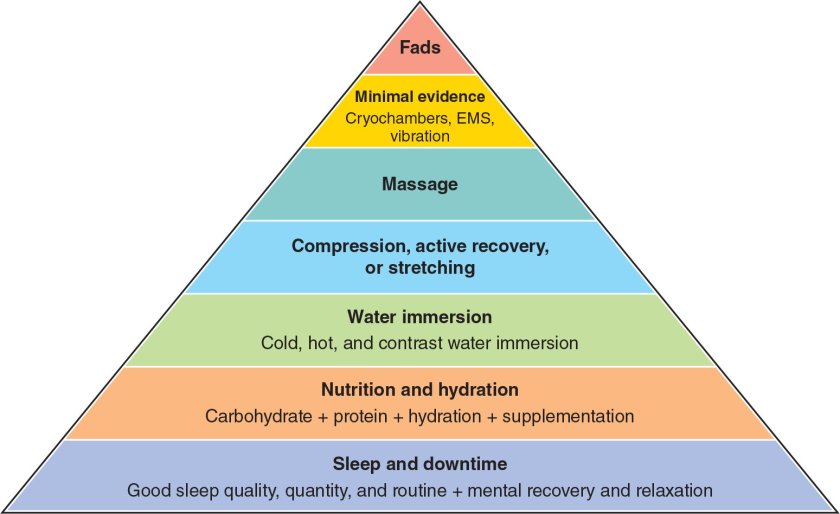
Recovery is often treated as an afterthought, but the 2026 guidelines firmly establish it as an integral part of the training process. However, the approach to recovery is evolving. There’s a growing shift away from solely relying on passive methods like ice baths and massage, towards prioritizing active recovery strategies.
Active recovery involves low-intensity activities that promote blood flow and facilitate tissue repair. This could include light cardio, such as walking or cycling, dynamic stretching, or mobility work. These activities help remove metabolic waste products and deliver nutrients to damaged tissues, accelerating the recovery process. Passive methods still have their place, but they should complement, not replace, active recovery.
Of course, sleep, nutrition, and stress management remain crucial components of recovery. Aim for 7-9 hours of quality sleep per night, prioritize a balanced diet rich in protein and micronutrients, and find healthy ways to manage stress. These foundational elements are essential for optimizing your body’s ability to recover and adapt.
- Walk or cycle for 20 minutes to get blood moving without adding fatigue.
- Use dynamic stretches like leg swings and torso twists instead of static holds.
- Mobility Work: Foam rolling, joint rotations.
Spotting Evolution: Collaborative Safety
Spotting isn’t just about being there to catch the weight if someone fails a lift. The 2026 guidelines emphasize a more collaborative approach to spotting, built on clear communication and proactive assistance. It’s about creating a safe environment where the lifter feels supported and confident.
Before the lift, the lifter and spotter should discuss potential failure points and establish clear cues for assistance. What will the lifter say if they need help? What will the spotter do in response? This pre-lift conversation is crucial for ensuring everyone is on the same page. Proper hand positioning is also essential – maintaining a firm grip without interfering with the lifter’s technique.
Learning how to ask for a spot effectively is equally important. Be clear about your needs and communicate honestly about your perceived risk. Don’t hesitate to ask for a spot even if you’re not entirely sure you’ll need it. It’s always better to be safe than sorry. A simple 'Spot me' or 'I might need a spot on this one' is sufficient.
Gear Upgrades: What's New and Worth It
Equipment plays a role in safety, and manufacturers are responding to the evolving guidelines with new and improved gear. We’re seeing lifting belts with enhanced lumbar support, designed to provide greater stability and reduce the risk of lower back injury. These belts often incorporate features like wider back panels and more robust closures.
Lifting shoes are also undergoing a refinement. Newer models prioritize stability and ground contact, with wider bases and firmer soles. Some shoes now incorporate innovative materials and designs to optimize power transfer and reduce energy loss. The intent is to provide a more secure and efficient lifting platform.
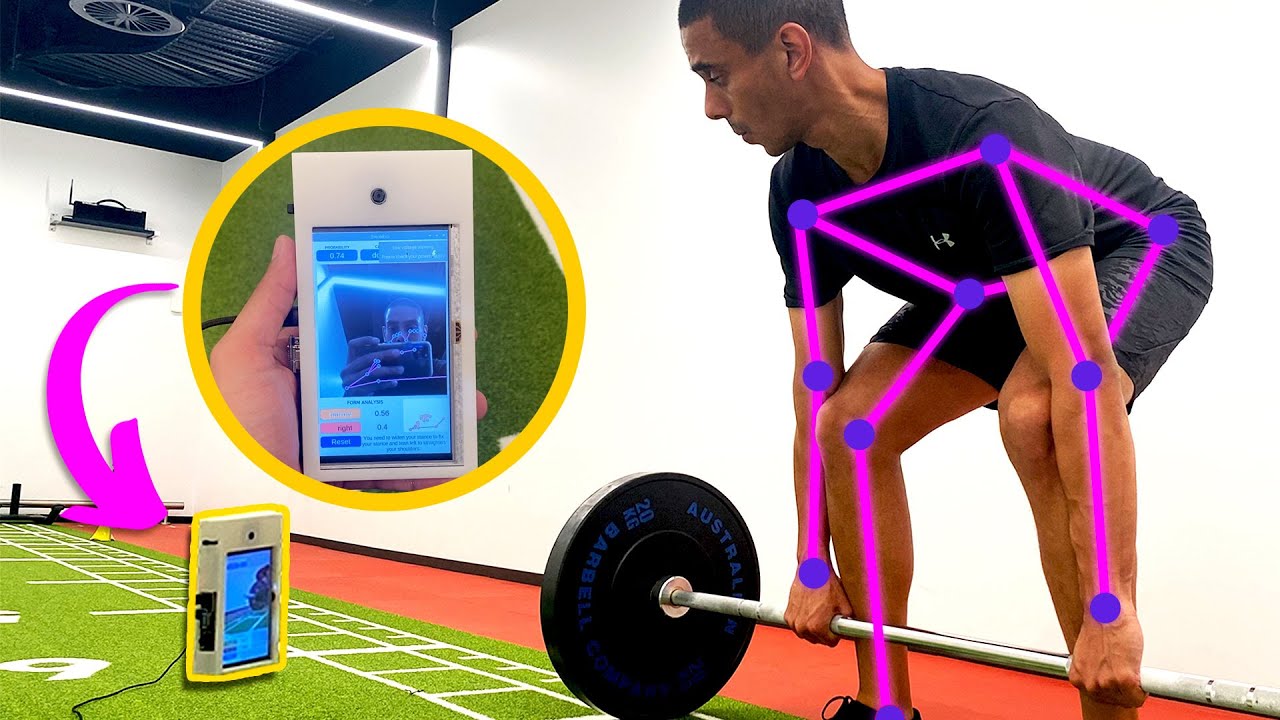
Perhaps the most exciting developments are in the realm of smart apparel. Wearable sensors are being integrated into clothing to track movement patterns, provide real-time feedback on technique, and monitor fatigue levels. While still relatively expensive, these technologies have the potential to revolutionize how we approach safety and performance.
Special Populations: Tailored Approaches
The 2026 guidelines recognize that safety isn’t one-size-fits-all. Special populations – older adults, individuals with pre-existing conditions, and athletes returning from injury – require tailored approaches to weightlifting. Club Lifted has long advocated for this principle, and the new guidelines reinforce its importance.
For older adults, the focus should be on maintaining functional strength and preventing falls. Lighter weights, higher repetitions, and a greater emphasis on balance and coordination are key. Individuals with pre-existing conditions should consult with a healthcare professional before starting a weightlifting program. Modifications may be necessary to accommodate their specific needs.
Athletes returning from injury require a carefully planned rehabilitation program that gradually reintroduces load and complexity. Working with a qualified physical therapist or athletic trainer is essential to ensure a safe and effective return to lifting. The guidelines emphasize a progressive approach, prioritizing healing and preventing re-injury.

No comments yet. Be the first to share your thoughts!