

The shift from coaches to cameras
For decades, perfecting your weightlifting form meant one thing: a coach. A knowledgeable pair of eyes to spot imbalances, correct technique flaws, and push you towards safer, more effective training. Or, more realistically for many of us, it meant recording yourself and painstakingly reviewing the footage, hoping to catch those subtle errors. That’s changing. Artificial intelligence is entering the weightlifting space, offering a new layer of analysis and feedback that wasn’t previously accessible.
This isn’t about AI replacing coaches – that’s not the goal, and frankly, a good coach offers far more than just form critique. Instead, think of it as a powerful tool to supplement coaching, or to provide valuable insights for those who don’t have regular access to professional guidance. It's about democratizing good technique, making it attainable for more people. The core idea is simple: use technology to objectively assess movement patterns and provide personalized recommendations.
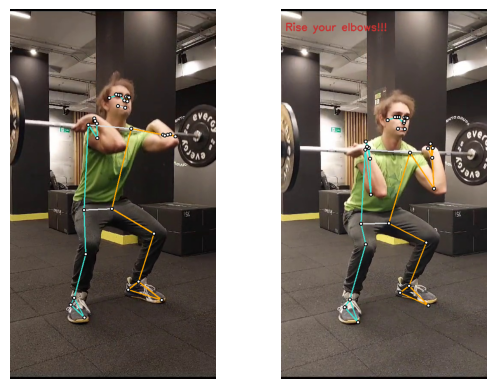
The technology relies on a few key components. Most commonly, it starts with a camera – your smartphone camera is a surprisingly capable starting point. More advanced systems use dedicated sensors, often embedded in "smart gym" equipment. Then comes the AI itself, utilizing techniques like pose estimation and skeletal tracking to identify key body landmarks and analyze joint angles. These systems build a digital model of your movement, allowing them to detect deviations from optimal form. Ultimately, it's about translating visual data into actionable advice.
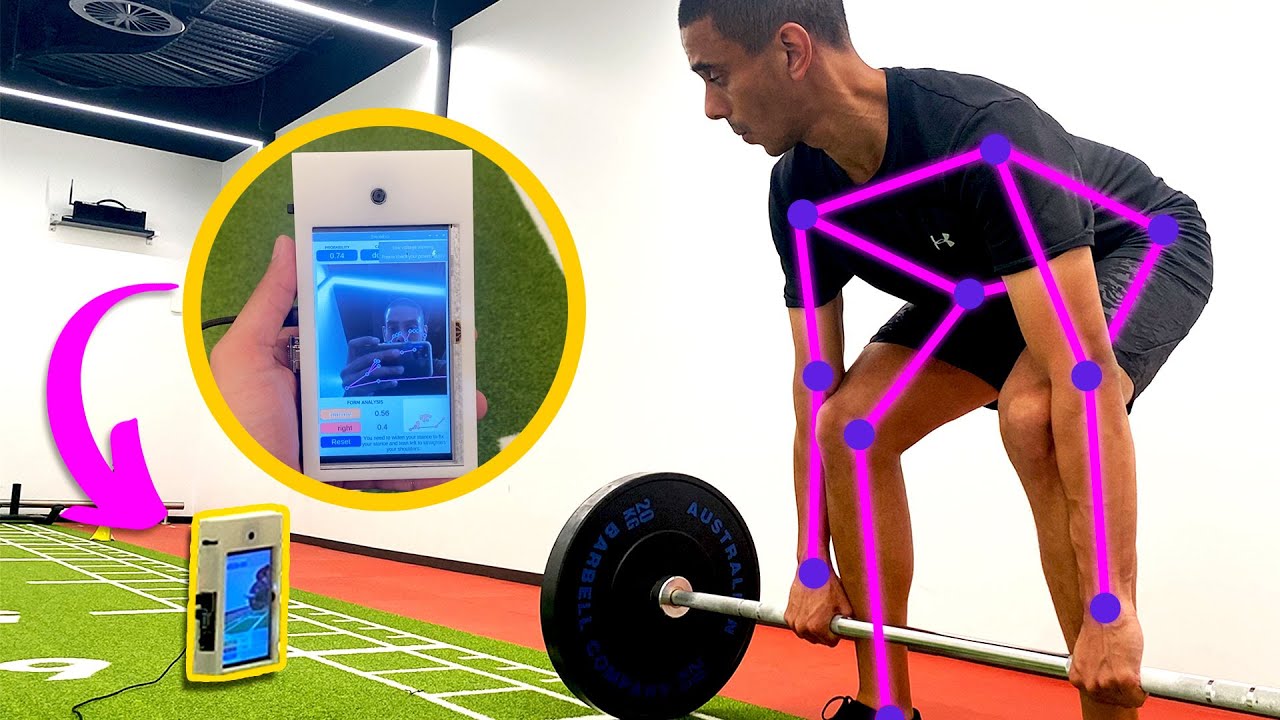
Weightlifting.ai for the olympic lifts
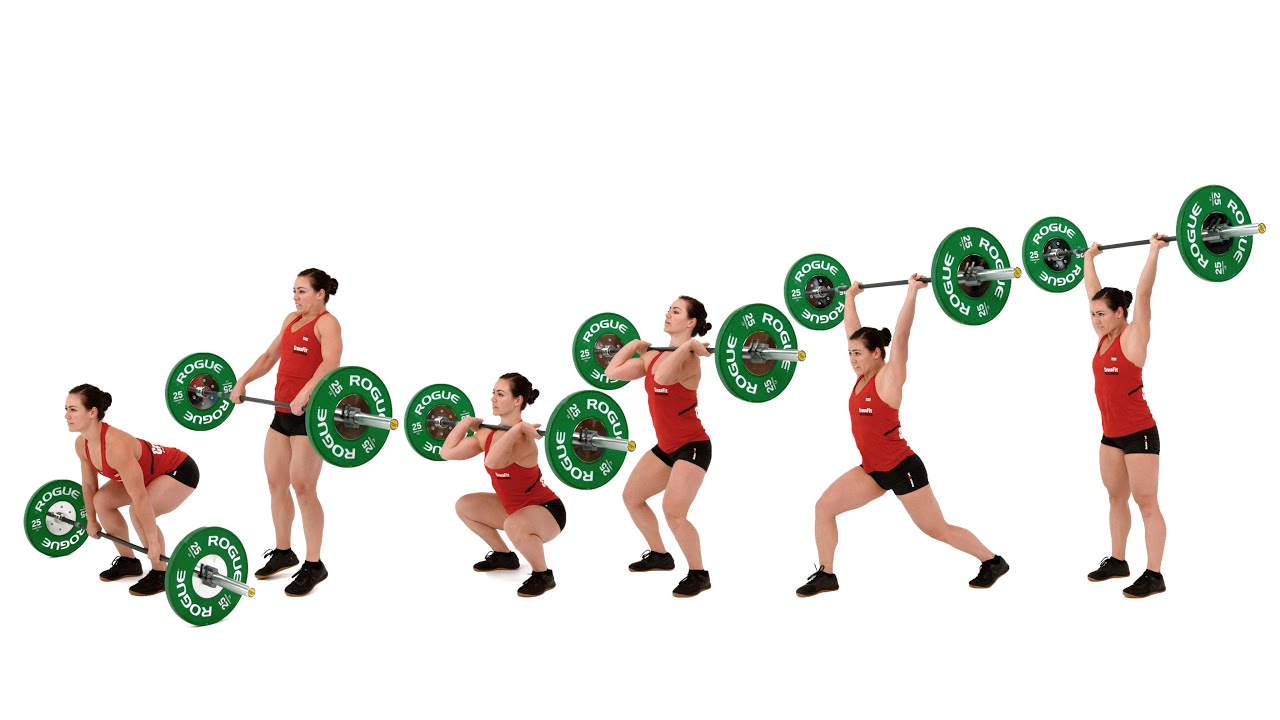
Weightlifting.ai distinguishes itself by focusing specifically on Olympic weightlifting – the snatch and clean & jerk. It's not trying to be a general fitness app; it's laser-focused on a demanding, technical sport. The process begins with recording a video of your lift from a side view. You upload this video to their platform, and their AI analyzes your technique, providing detailed feedback on various aspects of your form. This isn't a generic assessment; the feedback is tailored to your specific movement patterns.
What really sets Weightlifting.ai apart is its ability to create individualized training programs. Based on your assessment, the AI generates a program designed to address your weaknesses and build on your strengths. And it doesn't just set it and forget it. The program automatically adjusts based on your performance, ensuring you’re consistently challenged and progressing safely. They aim to mimic the adaptive nature of a good coach, constantly refining the plan as you improve.
However, it’s not a perfect solution. While excellent for the snatch and clean & jerk, it doesn’t currently provide comprehensive programming for all lifts – accessory work is less emphasized. Beginners might find the level of detail overwhelming initially; some foundational instruction might be necessary before diving into the AI-driven analysis. As of late 2026, pricing starts at $29 per month for basic access, with more advanced features and personalized coaching options available at higher tiers, reaching up to $199 per month. The higher tiers include more frequent video reviews from actual coaches, blending the AI with human expertise.
Smart mirrors and built-in sensors
The rise of "smart gyms" like Forme Life represents a different approach to AI-powered form analysis. Unlike app-based solutions that rely on your phone camera, these systems integrate sensors directly into the equipment itself. Forme Life, for example, utilizes a full-body mirror with built-in depth sensors and AI algorithms. This allows for incredibly precise tracking of your movements in real-time.
The experience is significantly different. Instead of recording and uploading videos, you receive immediate feedback as you lift. The mirror displays your form, overlaid with guidance and corrections. It's like having a coach standing right beside you, providing instant cues. These systems often incorporate resistance bands or adjustable weights, offering a complete workout solution. The integrated approach is a major advantage, eliminating the variability introduced by relying on external cameras and different phone qualities.
However, the cost is substantial. Forme Life systems typically start around $15,000, making them a significant investment primarily aimed at dedicated home users or high-end commercial gyms. Integrations with other fitness platforms are growing, but still limited compared to the broader app ecosystem. The benefit is clear: a seamless, immersive experience with highly accurate tracking. The question is whether that experience justifies the price tag for most lifters.
New tools on the horizon
Beyond the established players, several smaller projects and startups are pushing the boundaries of AI-powered form analysis. KineticAI is an open-source project that allows developers to build custom form analysis tools. It requires some technical expertise, but it offers unparalleled flexibility. It's a fascinating project for those who want to experiment with AI and weightlifting.
MuscleMap is a newer app that focuses on visualizing muscle activation during exercises. It uses AI to estimate which muscles are being engaged and provides feedback on how to optimize your technique. It's still in early development, but it shows promise. It's currently available on a limited beta release and is free to use.
Vytal Movement takes a unique approach by combining AI-powered form analysis with virtual reality training. Users wear a VR headset and receive real-time feedback on their form within a simulated gym environment. It’s a more immersive experience, but also more expensive. These tools demonstrate the diverse range of innovation happening in this space.
Featured Products

Provides essential core support during heavy lifts · Adjustable heavy-duty buckle for a secure fit · Suitable for both men and women
This weightlifting belt offers crucial lumbar support, helping to stabilize your core and promote proper form during demanding lifts.
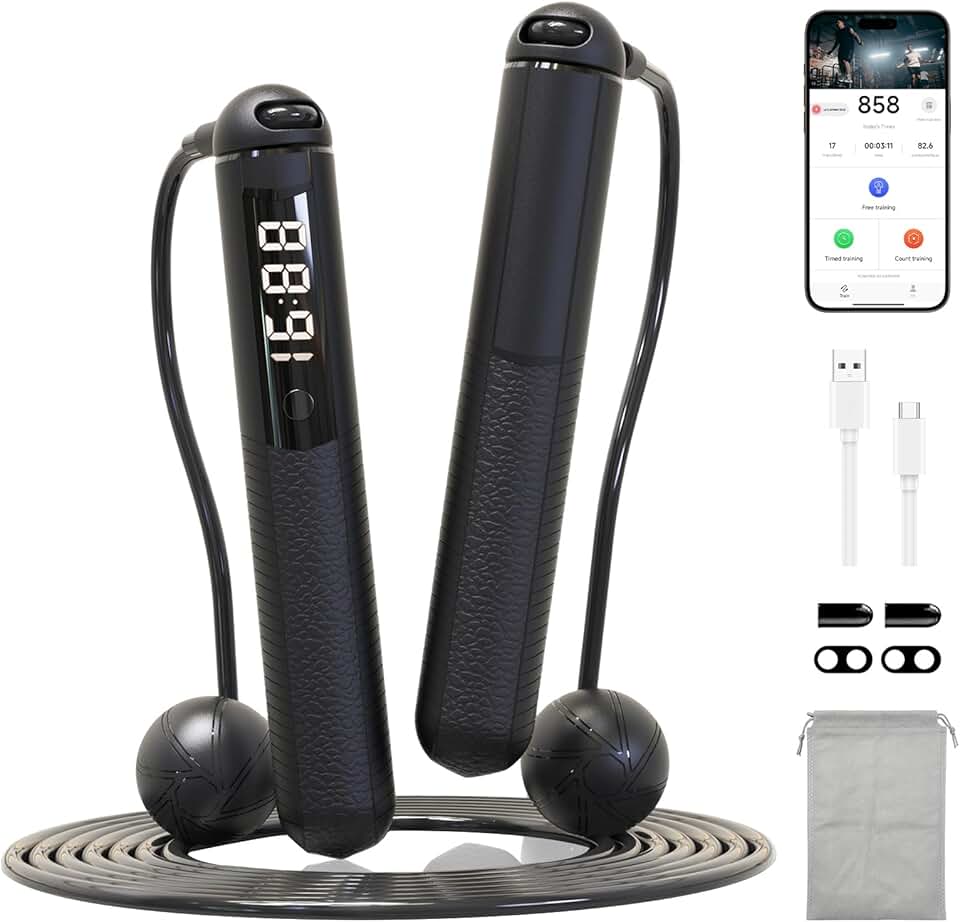
Cordless design for unrestricted movement · Built-in counter tracks jumps and calories burned · App connectivity for detailed workout data analysis
This smart jump rope offers a modern approach to cardio, with app integration to track your progress and help you monitor workout intensity.
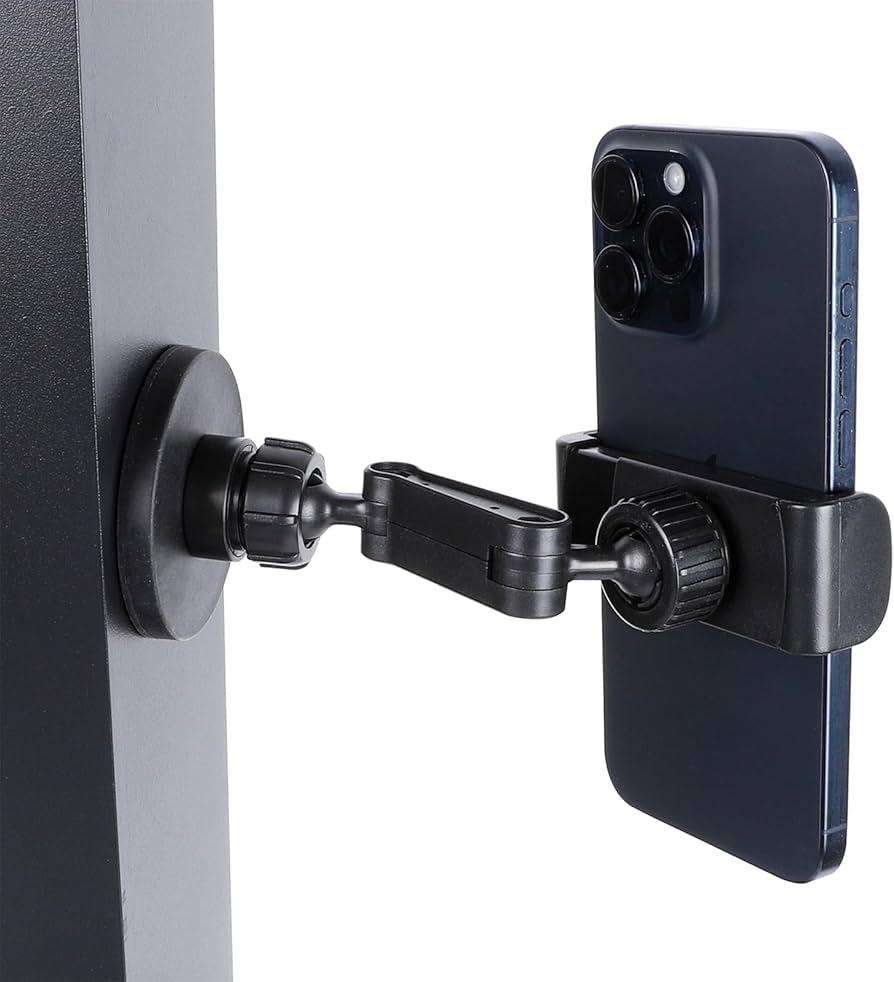
Sturdy construction for reliable phone stability · Adjustable height and angle for optimal camera positioning · Secure grip to hold your smartphone firmly in place
A stable phone tripod is essential for capturing clear video of your lifts, allowing AI analysis tools to accurately assess your technique.
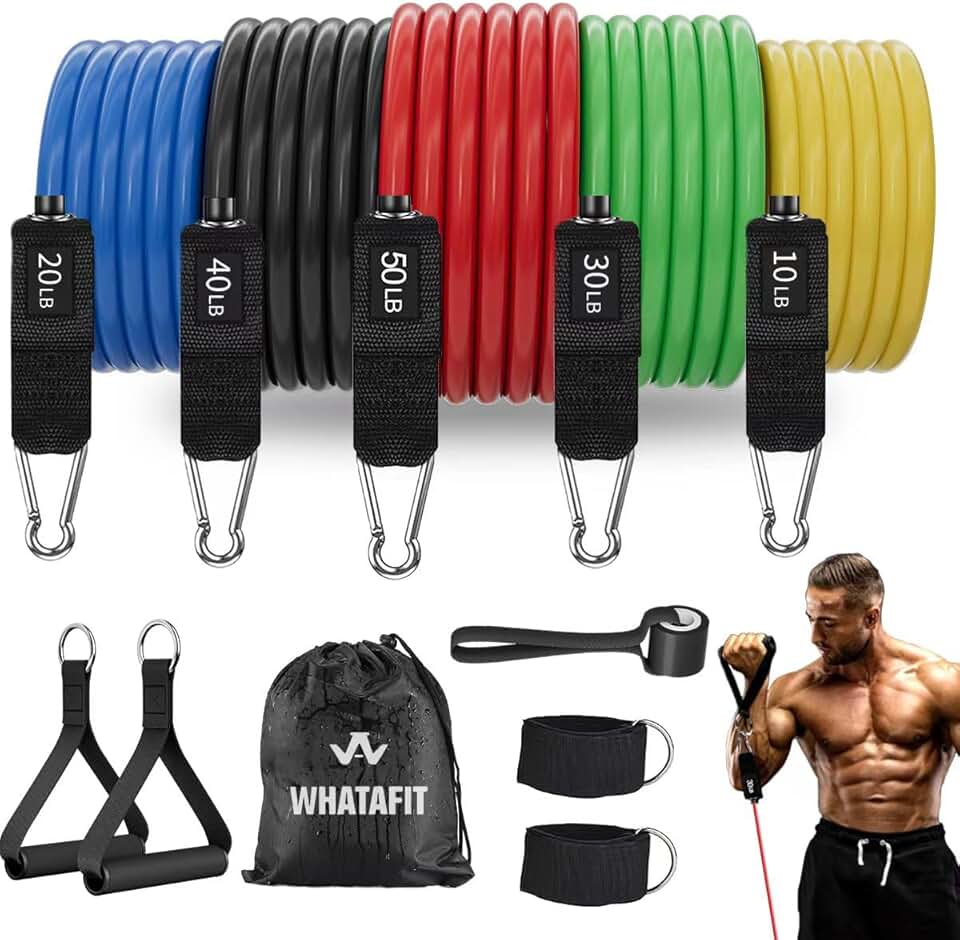
Versatile resistance levels for varied training · Includes handles, door anchor, and ankle straps for diverse exercises · Made with Global Recycled Standard certified materials
These resistance bands offer a flexible way to add resistance to your workouts, aiding in muscle activation and form refinement.

Encourages improved posture and spinal alignment · Adjustable straps for a customized and comfortable fit · Provides relief for upper and lower back discomfort
This posture corrector gently guides your body into better alignment, which can be beneficial for improving overall lifting mechanics and reducing strain.
As an Amazon Associate I earn from qualifying purchases. Prices may vary.
Where the tech falls short
The tech isn't perfect. If you're wearing baggy clothes or lifting in a dark basement, the tracking will fail. It also misses the subtle stuff, like how you're shifting your weight onto your toes right before a pull. A coach feels that energy; an app just sees pixels.
Variations in body type and lifting style also pose problems. An AI trained on a specific body type might not accurately assess the form of someone with a different build. Similarly, different lifting styles – some lifters prefer a wider stance, others a narrower one – can confuse the algorithms. Lighting conditions, camera angle, and even your clothing can affect accuracy. A poorly lit room or a blurry video will obviously hinder the AI’s ability to analyze your form.
Perhaps most importantly, A A coach provides not only technical feedback but also motivation, programming expertise, and a personalized understanding of your individual needs and goals. AI is a valuable tool, but it’s best used as a supplement to, not a substitute for, human guidance. Be wary of any system that claims to provide perfect form correction – it’s simply not possible with current technology.
Who owns your movement data?
Uploading videos of your workouts to the cloud raises legitimate privacy concerns. These companies are collecting data about your movements, your body, and your training habits. It's essential to understand how they’re using that data and what security measures are in place to protect your privacy. Reviewing the privacy policies of each app is a must.
Most companies state that they use the data to improve their algorithms and provide personalized feedback. However, it’s important to be aware of the potential for data sharing with third parties. Look for assurances that your data will not be sold or shared without your consent. Ensure the company employs robust security measures – encryption, data anonymization – to protect your information from unauthorized access. Your right to request deletion of your data should also be clearly outlined.
No comments yet. Be the first to share your thoughts!