

The rise of eco-conscious lifting
There’s a noticeable shift happening in the fitness world. It's no longer enough to just be fit; people are increasingly concerned about the impact their lifestyle choices have on the planet. This extends to the gym, and we’re seeing a growing demand for sustainable gym equipment. It's a change I've observed firsthand within the Club Lifted community.
Traditional gym equipment manufacturing carries a significant environmental footprint. Think about the energy required to mine and process virgin steel, the petroleum-based plastics, and the sheer volume of waste generated. The production process isn't exactly known for its eco-friendliness. This is where the conversation around sustainable alternatives becomes so important.
For many lifters, 'going green' isn’t a fleeting trend—it’s a reflection of their core values. They want to align their training with a broader commitment to sustainability. It's about making conscious choices that minimize environmental harm without compromising performance. Thankfully, innovation is making that increasingly possible.
Safety is still the priority. Any gear used in a commercial setting has to meet standard mechanical safety requirements regardless of what it's made of. Buying green doesn't mean you have to settle for flimsy builds.
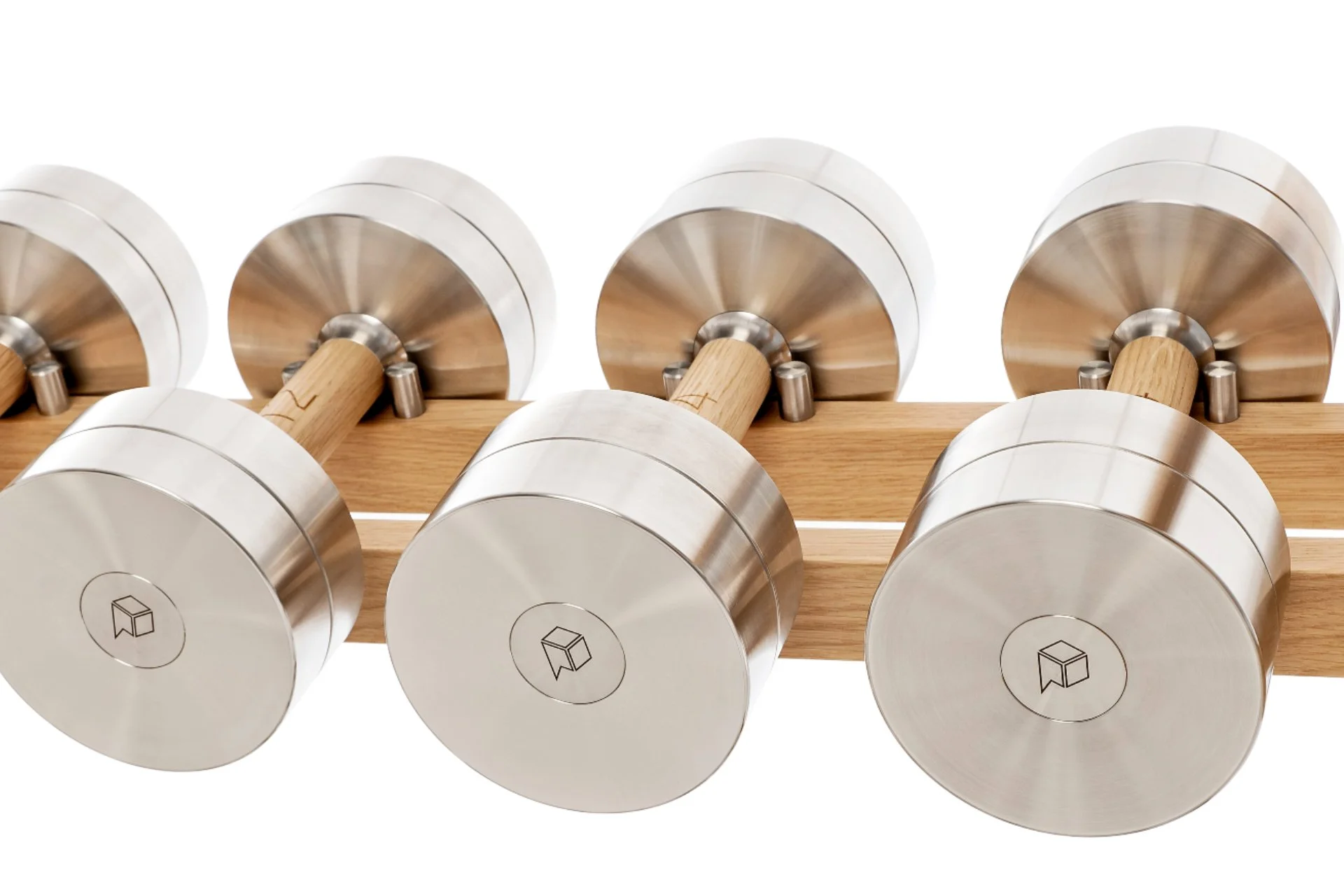
New materials replacing old steel
The foundation of sustainable gym equipment lies in the materials used. We're moving away from reliance on virgin materials and embracing options that reduce waste and minimize environmental impact. Recycled steel is a big one, offering a significant reduction in energy consumption compared to producing new steel. Reclaimed wood, often sourced from old buildings or fallen trees, adds character and avoids deforestation.
Bamboo is another increasingly popular choice. It’s a rapidly renewable resource that’s incredibly strong and durable. Cork, known for its shock absorption, is making its way into flooring and padding. And then there are bio-plastics – materials derived from renewable biomass sources like corn starch or sugarcane. These offer a potential alternative to traditional petroleum-based plastics, but their durability and long-term environmental impact are still being studied.
Compared to traditional materials, these alternatives often have a lower carbon footprint. However, durability is a valid concern. Recycled steel, properly treated, can be just as strong as virgin steel. Bamboo, while strong, may require more frequent replacement than steel. Bio-plastics can sometimes be less resistant to wear and tear, but advancements are constantly being made.
Where the stuff comes from matters as much as what it is. Shipping 'recycled' steel across an ocean creates a massive carbon footprint that defeats the purpose. I look for brands that source within their own region to keep the supply chain short.
Weights made from more than just iron
Cast iron, the traditional material for weight plates, dumbbells, and barbells, has a high carbon footprint due to the energy-intensive iron ore mining and smelting processes. Fortunately, alternatives are emerging. Some companies are now using 100% recycled iron, which significantly reduces the environmental impact. It’s a great step, but the initial energy investment in the original iron still exists.
Concrete weights are gaining traction, offering a surprisingly durable and affordable option. They feel different than iron – a bit more muted – but many lifters adapt quickly. Stone weights, while visually appealing, present more challenges. I’m not entirely convinced about their viability for serious weightlifting due to potential inconsistencies in weight and balance.
The feel of the weight is subjective, of course. Recycled iron weights feel very similar to traditional iron. Concrete weights have a slightly different "give" to them, and the balance might not be quite as precise. It really comes down to personal preference and the type of training you're doing. For powerlifting, that precision matters more than for general fitness.
Flooring & Padding: A Greener Foundation
The flooring in a weightlifting area takes a beating, so durability and shock absorption are paramount. Recycled rubber flooring is a popular sustainable option, often made from recycled tires. It’s incredibly resilient and provides excellent cushioning. Cork flooring is another excellent choice, offering good shock absorption and a natural, comfortable feel.
Innovative materials made from recycled tires are also appearing, offering a closed-loop solution to tire waste. These materials can be surprisingly durable and offer similar performance characteristics to traditional rubber flooring. The key is to ensure the flooring is thick enough to protect the subfloor and absorb impact.
Padding for benches, squat racks, and other equipment is also getting a sustainable makeover. Companies are using materials like recycled foam, natural latex, and even plant-based fibers to create eco-friendly padding options. These materials offer comparable comfort and support to traditional padding while reducing reliance on petroleum-based products.
- Recycled rubber flooring made from old tires is the standard for durability and shock absorption.
- Cork flooring provides a natural feel and surprisingly good cushioning for joints.
- Recycled Tire Materials: Closed-loop solution, durable, good performance.
Featured Products

Heavy-duty rubber construction · 1/2 inch thickness for impact absorption · 3' x 4' dimensions
This durable rubber mat offers excellent floor protection and shock absorption, making it a sustainable choice for any home gym setup.

Natural, non-toxic cork surface · Extra thick for enhanced comfort and support · Non-slip grip, suitable for hot yoga
Crafted from natural cork, this mat provides superior grip and cushioning while being eco-friendly and free from harmful chemicals.

Interlocking EVA foam tiles · 18-piece set covering 18 sqft · 0.4 inch thickness for cushioning
These interlocking foam tiles offer a versatile and protective flooring solution, easily customizable for various workout spaces.

Made from recycled rubber · 1/4 inch thickness for durability · Flexible roll format for easy installation
Utilizing recycled rubber, this flooring roll provides a robust and resilient surface ideal for heavy-duty workouts and protecting your subfloor.

Eco-friendly material · Non-slip surface for stability · Includes carrying strap for portability
This eco-friendly yoga mat ensures a stable and comfortable workout experience with its non-slip surface and convenient carrying strap.
As an Amazon Associate I earn from qualifying purchases. Prices may vary.
Brands Leading the Charge
Several brands are truly pushing the boundaries of sustainable gym equipment. EcoFit Fitness is dedicated to using recycled materials in all their products, from dumbbells to benches. They’re transparent about their supply chain and actively work to minimize their carbon footprint. Their dumbbell sets, made from recycled rubber and steel, are a standout example.
GreenGym Equipment specializes in self-powered cardio machines. Their treadmills and bikes generate a significant amount of their own electricity, reducing energy consumption. They also use recycled materials in the construction of their frames and housings. They're a bit pricier, but the long-term energy savings are compelling.
PureForm Fitness focuses on bio-based materials. They’ve developed a line of weight plates made from a durable bio-plastic derived from sugarcane. While still relatively new to the market, their products are showing promising results in terms of durability and performance. They’re also a B Corp certified company, demonstrating a commitment to social and environmental responsibility.
Repurpose Fitness is another company to watch. They specialize in flooring solutions made from recycled tires and offer a wide range of colors and thicknesses. They prioritize local sourcing and have a strong focus on reducing waste. Their commitment to using end-of-life materials is particularly impressive.
Is the extra cost actually worth it?
The initial cost of sustainable gym equipment is often higher than traditional options. This is due to the cost of sourcing sustainable materials, implementing eco-friendly manufacturing processes, and potentially lower production volumes. However, focusing solely on the upfront cost is shortsighted.
Consider the potential energy savings with self-powered equipment. Over the lifespan of the machine, these savings can add up. More importantly, sustainable equipment is often built to last. Durable materials and quality construction mean you’re less likely to need to replace it frequently. This reduces long-term costs and minimizes waste.
Think about the value of supporting companies that align with your values. Investing in sustainable equipment sends a message to the market and encourages other manufacturers to adopt more responsible practices. It's an investment in a healthier planet, and I believe that’s worth a premium. It’s a long-term play, not just a quick purchase.
Sustainable Weightlifting Gear Comparison - 2026
| Brand | Materials & Manufacturing | Supply Chain | Certifications & Standards | Price Point |
|---|---|---|---|---|
| Ironclad Fitness | Recycled steel, bamboo ply for platforms. Focus on durability. | Regional sourcing within North America. Limited transparency on raw material origins. | GREENGUARD Gold certified for low chemical emissions. | Medium-High |
| EcoLift Weights | Cast iron with a high percentage of recycled content. Rubber coatings use natural rubber. | Partnerships with suppliers committed to fair labor practices, but full traceability is developing. | B Corp pending. Focus on social and environmental performance. | Medium |
| Renew Fitness | Utilizes reclaimed wood for platforms and benches. Steel components are powder-coated for longevity. | Prioritizes local manufacturing to reduce transportation impact. Some supplier information available. | Forest Stewardship Council (FSC) certified wood. | Medium |
| Titan Green | Cast iron weights, with a focus on minimizing waste in the casting process. Rubber flooring made from recycled tires. | Actively working to map its supply chain and improve transparency. Currently, limited detailed information is public. | ISO 14001 (Environmental Management) certified facilities. | Medium |
| Strong Roots Equipment | Bamboo ply and sustainably harvested rubberwood for benches. Weights use recycled iron. | Direct relationships with suppliers emphasizing ethical sourcing and environmental responsibility. | OEKO-TEX Standard 100 certified fabrics for upholstery. | Higher |
| Momentum Gear | Recycled plastic composite materials for some components, alongside traditional steel. | Global supply chain with a stated commitment to responsible sourcing, but details are sparse. | REACH compliant materials. | Lower-Medium |
Qualitative comparison based on the article research brief. Confirm current product details in the official docs before making implementation choices.
Where to Find Sustainable Gear
Finding sustainable gym equipment is becoming easier. Several online retailers specialize in eco-friendly fitness products. Check out websites like EarthHero and Package Free Shop. You can also find sustainable options on Amazon, but be sure to carefully vet the products and brands.
Most of these brands sell directly to consumers. Buying straight from EcoFit or Repurpose is usually the best way to see their full catalog and verify their latest batch of recycled materials.
When evaluating sustainability claims, look for certifications like B Corp, Cradle to Cradle, or Forest Stewardship Council (FSC). Research the company's supply chain and manufacturing processes. Transparency is key. Don’t be afraid to ask questions and demand accountability.
- EarthHero:
- Package Free Shop:
- Brand Websites: EcoFit Fitness, GreenGym Equipment, PureForm Fitness, Repurpose Fitness
Sustainable Equipment Sources
- Repurpose Fitness - Specializes in remanufactured and refurbished fitness equipment, extending the life cycle of existing machines and reducing landfill waste. They offer a wide range of cardio and strength equipment.
- Iron Grip Barbells - Known for manufacturing barbells in the USA with a focus on responsible sourcing of steel and minimizing environmental impact. They emphasize durability and longevity.
- Eco-Friendly Flooring - Offers recycled rubber flooring options for gym surfaces, diverting waste tires from landfills and providing a durable, shock-absorbent base for weightlifting.
- BAM Bamboo - Produces yoga mats and other fitness accessories using sustainably sourced bamboo, a fast-growing and renewable resource. While not solely weightlifting focused, their products complement a holistic gym approach.
- Again Faster Equipment - Offers a range of fitness equipment, including some items made with recycled materials and a commitment to sustainable manufacturing practices. They focus on functional fitness and CrossFit-style gear.
- Eleiko - While a premium brand, Eleiko emphasizes durability and longevity in their weightlifting equipment, reducing the need for frequent replacements. They are also exploring more sustainable material options in their production.
- Green City Recyclers - Though not a manufacturer, they provide services for responsibly recycling old fitness equipment, ensuring materials are reused or disposed of properly, a crucial aspect of gym sustainability.

No comments yet. Be the first to share your thoughts!