

Beyond Muscle: The Rising Mental Wellness Focus
For decades, weightlifting was seen as purely about aesthetics and achieving a certain look. But that's changing. People are moving away from solely physical goals and embracing a more holistic view of wellbeing. They want to feel good, not just look good, and this is driving a re-evaluation of effective exercise.
Historically, weightlifting focused on hypertrophy and strength gains. Now, the narrative is expanding. Research shows strength training powerfully impacts our mental and emotional states. This idea is gaining traction within the scientific community and with everyday people seeking to improve their quality of life.
Strength training is establishing itself as a cornerstone of mental wellness, a tool for building physical, emotional, and psychological strength. You don't have to choose between physical and mental health; weightlifting offers both, making it a top wellness trend.
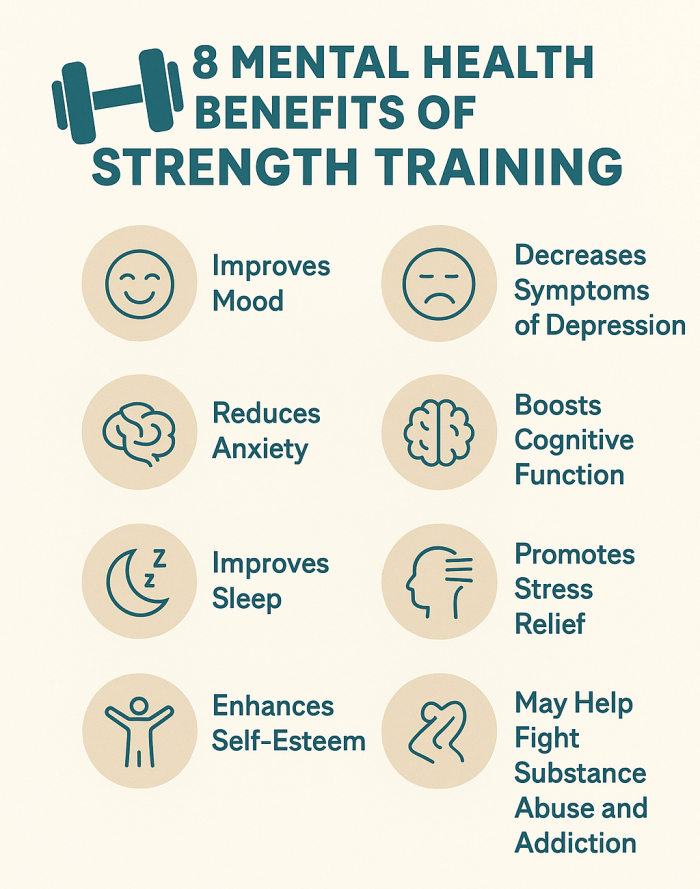
The Neurochemical Cocktail of a Good Lift
The mental benefits of weightlifting stem from complex neurochemical processes. Lifting weights releases neurotransmitters that impact mood, motivation, and cognitive function. It's a natural process where you control the intensity.
Dopamine, the 'reward' neurotransmitter, surges during and after strength training, strengthening neural pathways associated with motivation and goal-directed behavior. Serotonin increases, helping to stabilize emotions and reduce anxiety. Endorphins, natural pain relievers, create a sense of euphoria, similar to a 'runner’s high.'
Brain-Derived Neurotrophic Factor (BDNF) promotes neuroplasticity – the brain's ability to form new connections and adapt. Higher BDNF levels are linked to improved cognitive function, learning, and memory. Strength training boosts BDNF production, translating to improved focus, better emotional regulation, and a greater sense of wellbeing.
Consistent strength training leads to lasting changes in brain structure and function, creating a more resilient and adaptable nervous system. This builds a brain better equipped to handle stress and navigate challenges.
Neurotransmitter Response to Various Activities
| Activity | Dopamine | Serotonin | Endorphins | BDNF |
|---|---|---|---|---|
| Weightlifting | Significant Increase | Moderate Increase | Significant Increase | Significant Increase |
| Running | Moderate Increase | Significant Increase | Significant Increase | Moderate Increase |
| Meditation | Slight Increase | Moderate Increase | Slight Increase | Moderate Increase |
| Social Interaction | Moderate Increase | Slight Increase | Moderate Increase | Slight Increase |
Illustrative comparison based on the article research brief. Verify current pricing, limits, and product details in the official docs before relying on it.
Anxiety & Depression: Strength as Therapy
Weightlifting has a strong connection to mental health, particularly for anxiety and depression. The sense of control and accomplishment from lifting weights can be empowering, helping individuals reclaim agency over their bodies and lives.
Strength training offers an antidote to the negative thought patterns and helplessness many experience with anxiety or depression. Each rep completed, each personal record broken, is a victory that builds self-efficacy – the belief in your ability to succeed. This mastery combats feelings of hopelessness and powerlessness.
Physical exertion is a healthy outlet for frustration, anger, or sadness, channeling negative energy productively. Club Lifted's rehabilitation work shows how rebuilding physical strength mirrors rebuilding mental resilience. Recovery requires discipline, patience, and self-care – qualities fostered through strength training.
For someone with social anxiety, starting weightlifting might seem daunting. However, the structured gym environment and focus required for each lift can provide a safe space to build confidence. Even a small strength increase can significantly boost self-esteem.
Stress Resilience: Building a Stronger You
Regular strength training builds stress resilience. Life presents stressors like work deadlines, relationship challenges, and financial pressures. Weightlifting equips you to respond to stress more effectively, rather than eliminating it.
Hormetic stress, small controlled doses of stress that make you stronger, is key here. Lifting weights is a prime example, deliberately challenging muscles and the nervous system to adapt and become more resilient. This principle extends to mental resilience.
Repeated exposure to manageable physical stress trains your body to regulate its stress response better. This leads to lower baseline cortisol levels and more efficient recovery from challenges. Progressive overload – gradually increasing weight, reps, or sets – is crucial for this continuous adaptation.
Building strength is about functioning well under pressure in all areas of life, cultivating a mindset of resilience and adaptability.
The Social Lift: Community and Accountability
Weightlifting doesn't have to be solitary; the social aspect offers powerful benefits. Training with others provides support, motivation, and accountability, elements often missing in isolated lives.
A strong gym community combats loneliness and fosters belonging. Training partners who push, encourage, and celebrate successes make a difference. It's easier to stay consistent when someone is counting on you.
Online communities amplify this effect. Forums, social media groups, and online coaching platforms connect lifters globally, providing space to share knowledge, offer support, and build relationships. These virtual communities are valuable for those without access to a local gym or supportive training environment.
Finding your tribe, whether at a local gym or online, can transform your weightlifting journey from a chore into a fulfilling and empowering experience.
What's the biggest mental benefit you get from weightlifting?
Vote below and share which mental health benefit matters most to you.
Gear Up for Wellness: Essential Accessories
While you don't need fancy equipment to start weightlifting, the right accessories can enhance mental benefits and improve your experience. This is about creating a positive and mindful training environment, not just optimizing performance.
Good headphones immerse you in your workout, blocking distractions and aiding focus. A curated playlist provides motivation, while calming
A workout journal is an invaluable tool for tracking progress, reflecting on achievements, and identifying areas for improvement. Writing down your workouts, noting how you felt, and celebrating your successes can reinforce positive habits and boost your self-esteem. Comfortable clothing that allows for a full range of motion is also essential – you want to feel confident and uninhibited during your training.
Here are a few items I recommend: Powerbeats Pro wireless earbuds ($200), Rogue Fitness 4” Nylon Lifting Belt ($70), and a simple notebook and pen for journaling ($10). The key is to invest in items that make you feel good and support your training goals.
Featured Products

Industry-leading noise cancellation for focused workouts · Comfortable over-ear design for extended wear · Up to 24 hours of playtime for uninterrupted sessions
These headphones help create a distraction-free environment, allowing for deeper focus and a more mindful approach to strength training.

Durable, weatherproof construction for any environment · Compact size for easy portability · Universal pattern suitable for notes and tracking
This notebook is perfect for journaling your progress, thoughts, and feelings during your strength training journey, regardless of the conditions.

IPF Approved 10mm thickness for optimal support · Durable leather construction for longevity · Provides back support during heavy lifts
This powerlifting belt offers essential back support, promoting confidence and stability during challenging lifts, which can reduce anxiety and enhance mental fortitude.

Set of 5 bands with varying resistance levels · Includes instruction guide for proper use · Comes with a convenient carry bag
These versatile resistance bands offer a flexible way to add challenge and variety to workouts, promoting a sense of accomplishment and adaptability.

Soft density foam for gentle muscle release · 36-inch length for comprehensive coverage · Ideal for physical therapy, yoga, and muscle recovery
This foam roller aids in post-workout recovery, reducing muscle soreness and promoting relaxation, which contributes to overall well-being and a positive mindset.
As an Amazon Associate I earn from qualifying purchases. Prices may vary.
Looking Ahead: Weightlifting in 2026 and Beyond
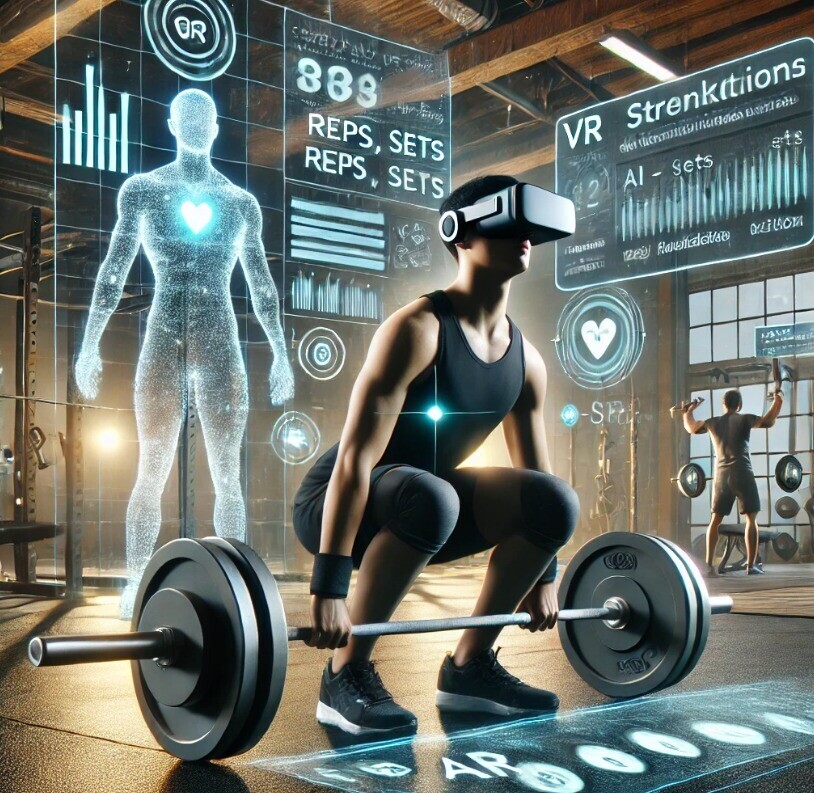
The trend of prioritizing mental health in fitness isn't going anywhere. In fact, I expect it to accelerate in the coming years. As we become more aware of the interconnectedness of mind and body, more people will turn to strength training as a holistic wellness practice.
Gyms and fitness professionals will need to adapt to meet this growing demand. I predict we’ll see more facilities offering mindfulness workshops, incorporating mental health screenings into their programs, and emphasizing the psychological benefits of exercise. Personal trainers will need to be equipped to address not only physical goals but also emotional and mental wellbeing.
The future of fitness is about empowerment, resilience, and holistic health. Weightlifting, with its unique ability to build both physical and mental strength, is perfectly positioned to lead the way. It's a powerful tool for building a stronger, healthier, and more resilient you. It’s not just about how you look; it's about how you feel and how well you’re equipped to navigate the challenges of life.
No comments yet. Be the first to share your thoughts!