What makes club lifted gear different
Club lifted gear sits at the intersection of heavy iron and streetwear culture. It is not merely generic gym wear designed for high-intensity interval training or casual yoga. Instead, it represents a specific aesthetic philosophy rooted in community, durability, and a distinct visual language that honors the squat rack as much as the city street.
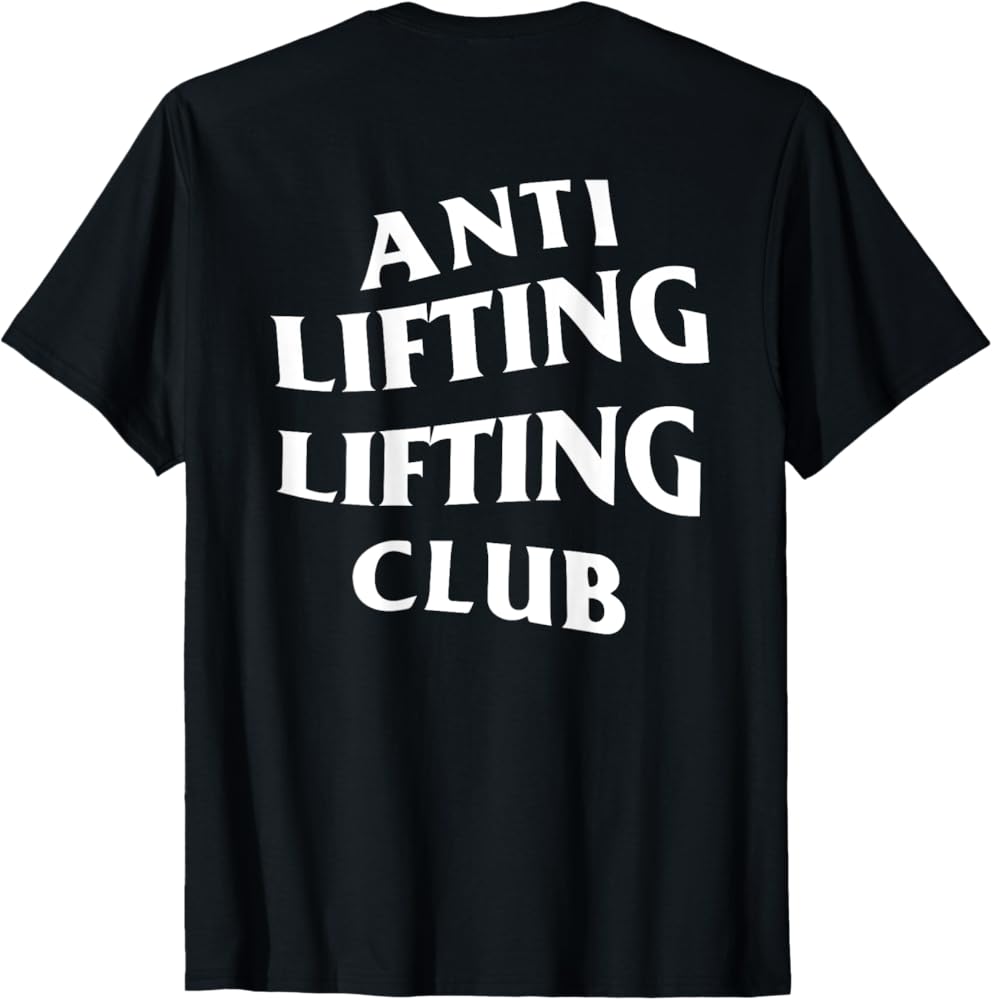
The "club" aspect is central to this identity. Brands like The Lifting Club craft elevated athleisure with streetwear roots, emphasizing that lifting is about more than just fitness—it is about purpose and culture. This is reflected in apparel that features bold graphics, heavyweight fabrics, and silhouettes that look intentional outside the gym. The goal is to create gear that signals belonging to a group that values strength and style equally.
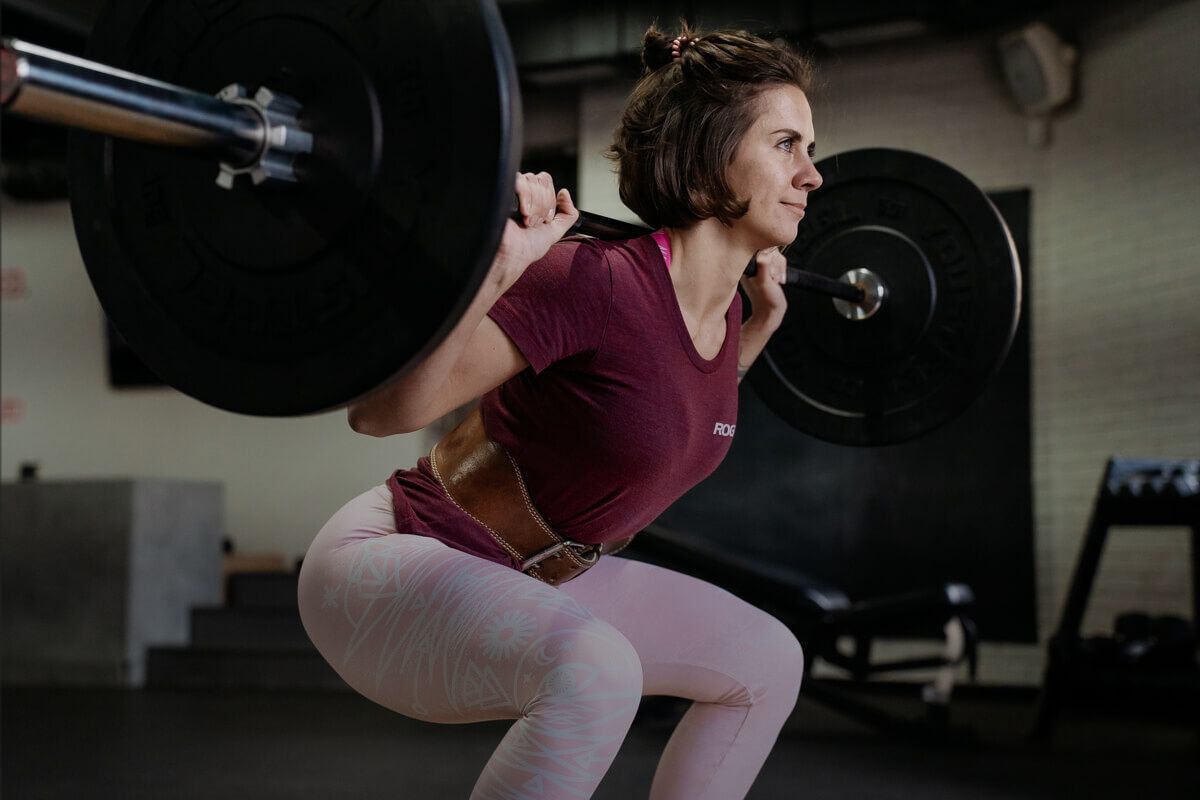
This aesthetic demands performance that matches its look. Club lifted equipment, such as calibrated bumper plates and heavy-duty lifting belts, is built to withstand the rigors of competitive-style lifting. The durability of these items ensures they can handle the same weight and frequency as gear found in professional powerlifting clubs, while the design maintains a cohesive, polished appearance. It is about having gear that performs under pressure and looks good doing it.
When selecting gear, look for items that bridge the gap between technical performance and visual identity. A lifting belt should offer the necessary support for heavy squats and deadlifts while featuring a design that complements your training attire. Similarly, plates should have precise calibration for serious training but also feature a finish that resists chipping and looks sharp in a home gym setting.
Top lifting club apparel picks
The Club Lifted aesthetic is defined by a specific uniform: tight compression, open-back stringers, and bold graphics. Choosing the right gear isn't just about looking the part; it is about performance. The right apparel supports muscle engagement, manages sweat, and allows for a full range of motion during heavy lifts. Below are the core categories and specific items that define this style.
Stringers and singlets
The stringer is the cornerstone of lifting club culture. These tank tops feature an open-back design that allows for maximum shoulder mobility and ventilation during high-intensity sets. They are typically made from thin, breathable fabrics that cling to the body, highlighting muscle definition without restricting movement. Look for styles that offer a snug fit to ensure the fabric doesn't flap or interfere with barbell paths. Brands like LSKD and Lifting Club USA offer a variety of colorways and graphic designs that capture the retro yet modern vibe of the scene.
Compression wear
Compression garments, such as long-sleeve shirts and tights, provide targeted support to muscles and joints. The snug fit improves blood circulation and reduces muscle oscillation, which can help decrease fatigue during long training sessions. Beyond performance, compression wear is a staple of the aesthetic, often worn under looser outer layers or as a standalone piece. The "Venom" compression line, for example, is popular for its sleek, monochromatic look that pairs well with bright stringers. These pieces are essential for maintaining warmth in cooler gym environments while still allowing for the flexibility needed for dynamic movements.
Accessories and finishes
No outfit is complete without the finishing touches. Weightlifting belts, wrist wraps, and knee sleeves are not just safety equipment; they are style statements. A wide leather belt adds structure to the torso, while bright wrist wraps can tie together the color scheme of a stringer and shorts. Socks and shoes also play a role—minimalist training shoes or classic canvas sneakers often complement the clean, athletic look. These accessories should be chosen for their functionality first, ensuring they provide the necessary support for your lifts, but selected for their visual cohesion with the rest of the outfit.


As an Amazon Associate, we may earn from qualifying purchases.
Essential safety gear for pro lifters
Protecting your joints and spine is the foundation of any serious lifting regimen. When the weights get heavy, proper equipment bridges the gap between strength and longevity. The right gear doesn't replace good form; it supports it, allowing you to train harder and recover faster without compromising your structural integrity.
Wrist Wraps
Wrist wraps provide critical stability for the joint during pressing movements and heavy cleans. They limit excessive extension, which is where most wrist injuries occur. Look for wraps with a stiff lever or hook-and-loop closure that allows you to dial in the perfect tension. For heavy overhead presses, rigid neoprene or cotton blends offer the best support.
Lifting Belts
A lifting belt increases intra-abdominal pressure, creating a solid column of support around your spine. This is especially important for maximal efforts in squats and deadlifts. Leather belts are the standard for heavy lifting, while nylon belts offer more flexibility for dynamic movements. Ensure the belt fits snugly against your ribs and hips to maximize its effectiveness.
Lifting Shoes
Stable footwear is non-negotiable for maintaining balance under load. Weightlifting shoes feature a raised, non-compressible heel that improves ankle mobility and keeps your torso upright during squats. The hard sole prevents energy loss, transferring power directly into the ground. Avoid running shoes or flat sneakers, which can compress and destabilize your stance.
-
Wrist wraps for pressing stability
-
Leather belt for spinal support
-
Weightlifting shoes with hard soles
-
Knee sleeves for joint warmth


As an Amazon Associate, we may earn from qualifying purchases.
Gym equipment trends for 2026
The landscape of strength training is shifting toward gear that balances durability with specialized biomechanics. For the Club Lifted aesthetic, equipment isn't just about lifting weight; it's about lifting with precision and safety. The 2026 trend prioritizes tools that reduce joint stress while allowing for heavier loads, bridging the gap between bodybuilding isolation and powerlifting intensity.
Specialty bars are leading this charge. The safety squat bar (SSB) has moved from niche powerlifting to mainstream club use. Its forward-leaning handle design encourages an upright torso, significantly reducing shear force on the lumbar spine during heavy squats. This makes it ideal for lifters who want to build quad-dominant strength without the lower back fatigue associated with traditional back squats. The visual of an SSB on a club rack also signals a serious, no-nonsense training environment.
Alongside specialty bars, there is a renewed focus on versatile, durable platforms. Adjustable dumbbells and hex sets remain staples, but the trend is toward higher-quality rubber coatings that withstand heavy drops without degrading. This durability ensures the equipment maintains its aesthetic appeal and functional integrity over years of club use. The goal is gear that looks as good in 2026 as it did in 2020, supporting both style and long-term strength gains.
| Equipment | Primary Focus | Key Benefit | Durability |
|---|---|---|---|
| Safety Squat Bar | Quad Strength | Reduces lumbar shear | High |
| Adjustable Dumbbells | Versatility | Space-efficient | Medium-High |
| Hex Dumbbells | Stability | Non-roll design | High |
| Trap Bar | Deadlifts | Neutral spine | High |
Frequently asked questions about club lifted gear
What does "club lifted" mean? In the context of fitness apparel, "club lifted" refers to a community-driven approach to weightlifting that blends performance gear with streetwear aesthetics. It emphasizes solidarity and shared culture among lifters, moving beyond just the workout to include style and mutual support.
Where can I buy authentic club lifted apparel? Several brands specialize in this niche. LSKD offers a dedicated Lifting Club Collection with modern designs, while Lifting Club USA provides specialized items like stringers and compression wear. These retailers focus on durable materials suitable for heavy lifting.
Is club lifted gear suitable for heavy training? Yes. The best pieces, such as compression long sleeves or reinforced stringers, are designed to withstand rigorous movements like deadlifts and squats. Look for moisture-wicking fabrics and reinforced stitching to ensure the gear holds up during intense sessions.
How do I style club lifted outfits for the gym? Pair performance tops with durable shorts or joggers. The aesthetic often mixes bold logos with neutral tones. The goal is to look sharp while maintaining full range of motion, ensuring your outfit supports both your safety and your confidence in the gym.
No comments yet. Be the first to share your thoughts!