

What makes a club lifted kit different
A club lifted kit is a coordinated system designed for a specific aesthetic and functional standard. Unlike generic gym gear that often prioritizes cheap materials or flashy, unrelated designs, a club lifted approach focuses on clean lines, functional durability, and a cohesive look that respects the original design of the vehicle.
The philosophy behind this style is rooted in community and precision. It rejects the "more is better" mentality of excessive lift heights or oversized, poorly fitted wheels. Instead, it emphasizes a balanced stance that improves ground clearance and approach angles without compromising the vehicle’s center of gravity or ride quality. This results in a truck or golf cart that looks purposeful rather than overbuilt.
When you choose a club lifted kit, you are investing in components that are engineered to work together. This includes lift blocks, suspension upgrades, and wheel packages that are tested for compatibility. The goal is a seamless integration where every part serves a purpose, from better tire clearance to improved off-road capability, all while maintaining a clean, factory-like finish.
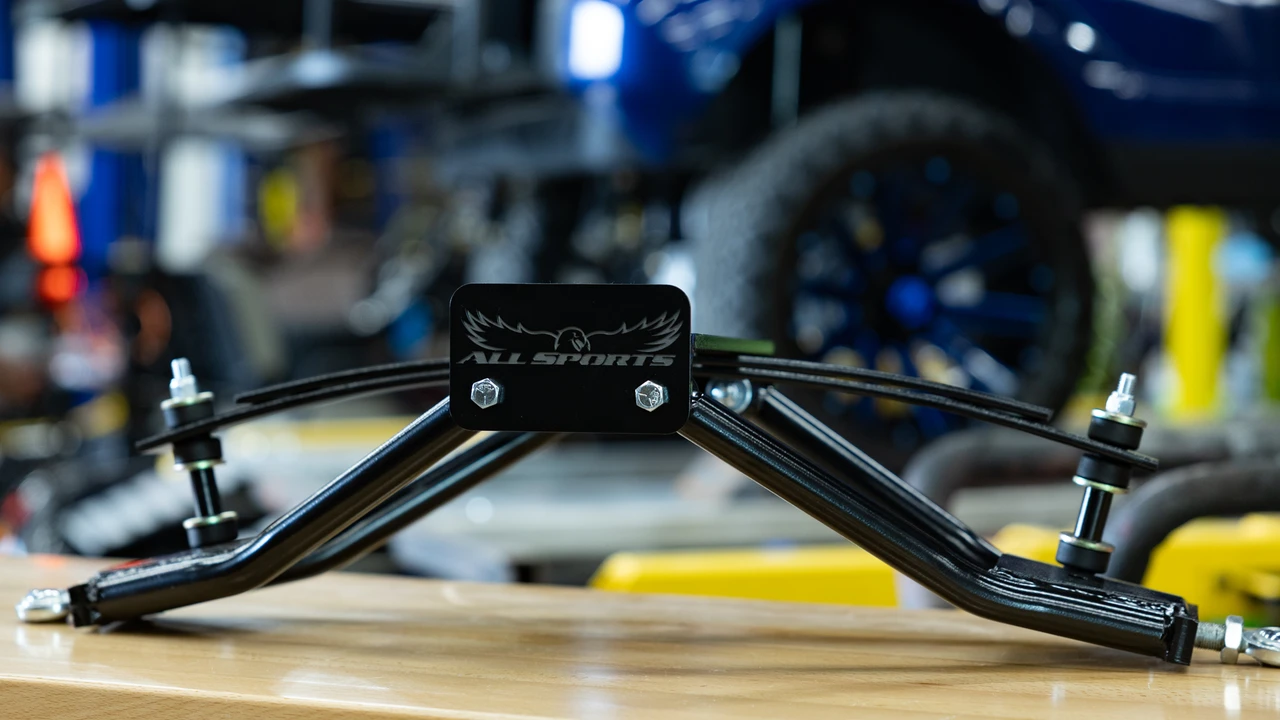
This distinction matters because it simplifies the building process. You don’t have to guess if a specific wheel will fit with a particular lift kit or if the suspension will handle the added tire size. The kit provides a proven solution, reducing the risk of alignment issues, premature wear, or handling problems that often plague custom, mismatched builds.
Essential gear for safe lifting
Building a pro-level setup starts with the right foundation. The gear you choose dictates how much weight you can handle safely and how efficiently you move. You don't need a warehouse of equipment, but you do need three non-negotiable items: lifting shoes, a belt, and straps. Each piece solves a specific mechanical problem in your lift.
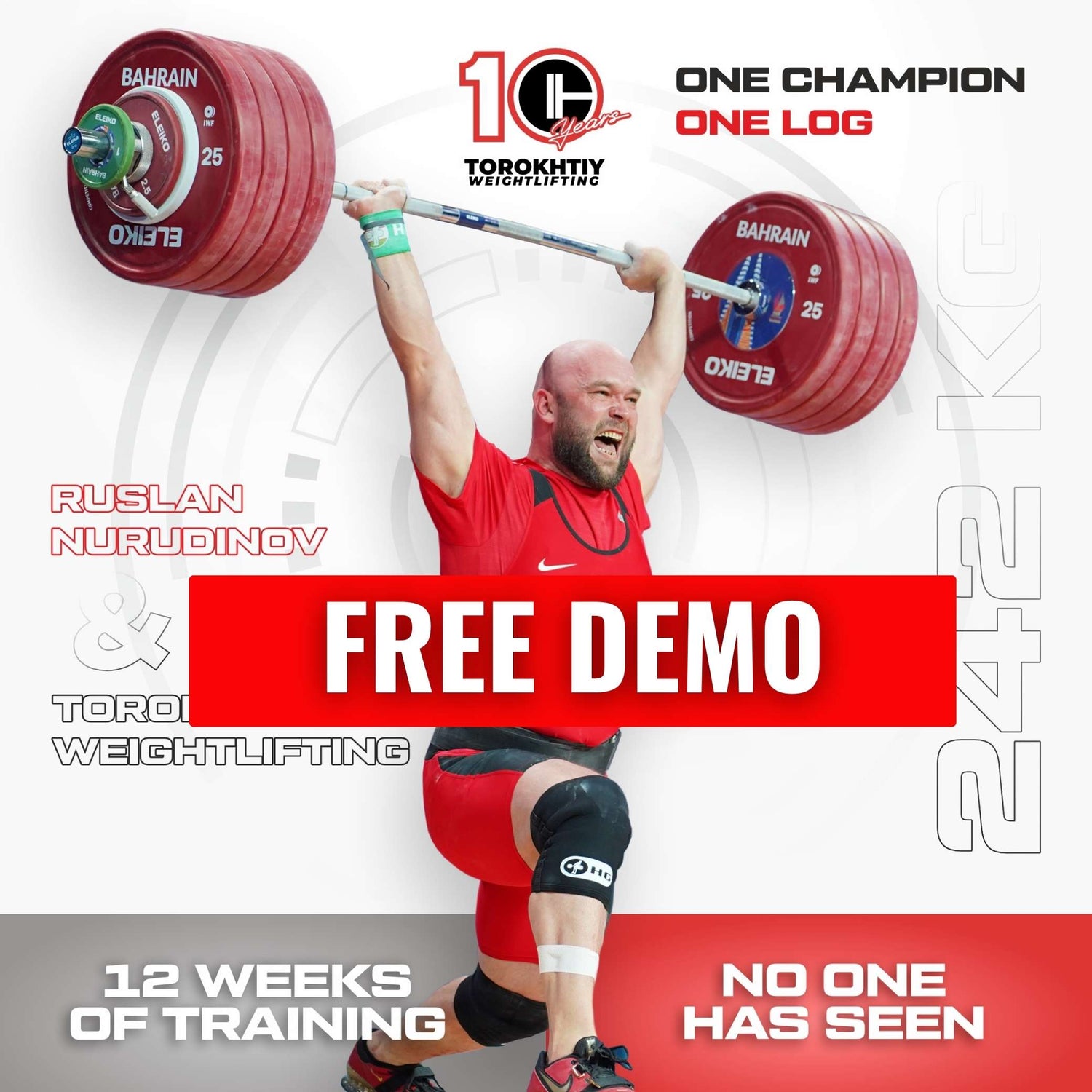
Your shoes are the interface between your body and the ground. Standard running shoes compress under heavy loads, creating instability. Switch to lifting shoes with a hard, non-compressible sole and a raised heel. This design improves ankle mobility and keeps your torso upright during squats and overhead presses, ensuring force transfers directly into the bar rather than dissipating into your footwear.
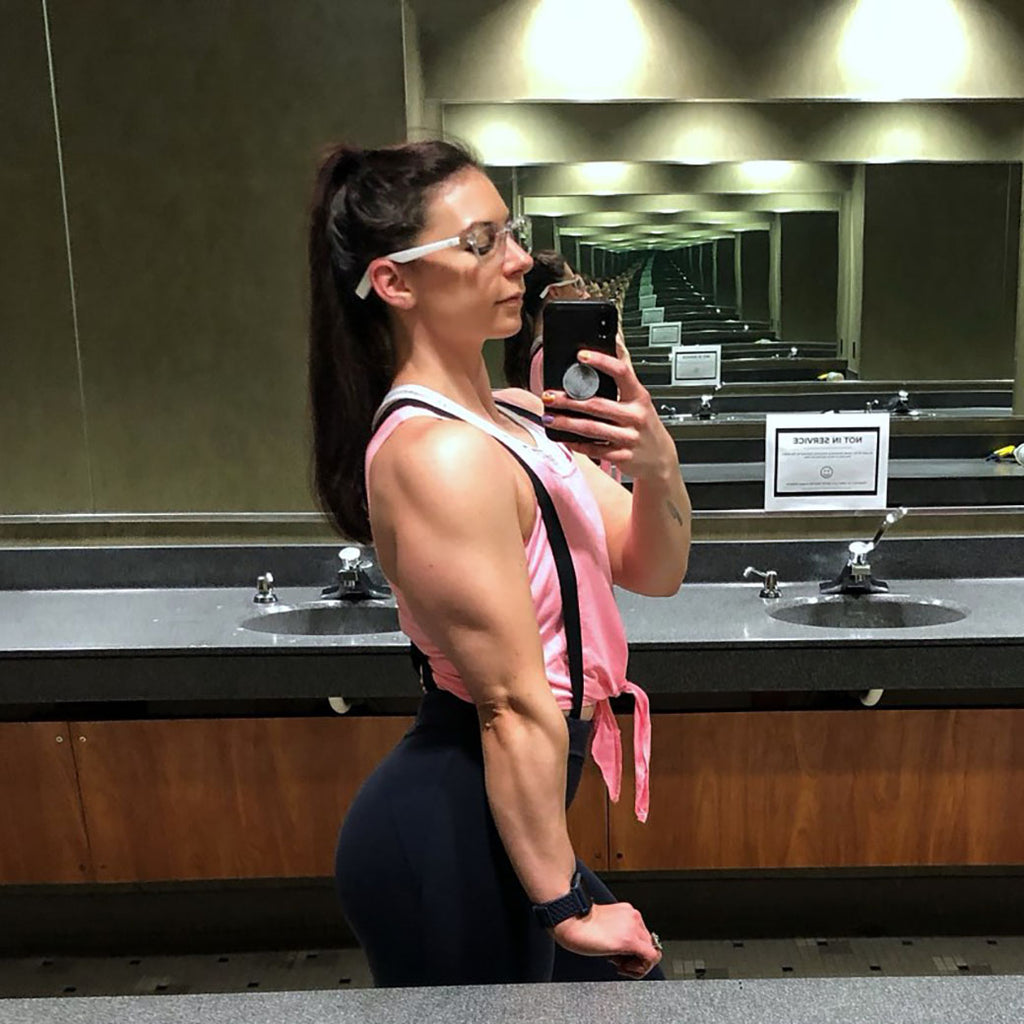
A belt isn't just for show; it increases intra-abdominal pressure. When you brace your core against the belt, you create a rigid cylinder around your spine. This support is critical for heavy compound movements like squats and deadlifts. It protects your lower back by stabilizing the spine, allowing you to push more weight without compromising form or risking injury.
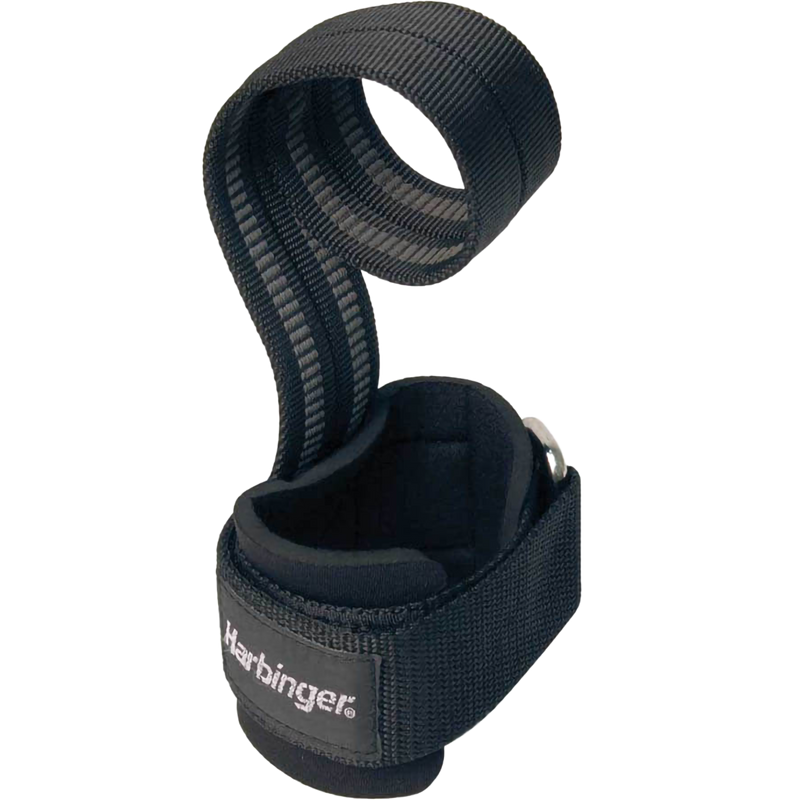
Your grip is often the weak link in pulling movements. Lifting straps bypass this limitation by securing the bar to your wrists. This allows you to focus entirely on driving with your legs and back, rather than worrying about the bar slipping out of your hands. Use straps for high-volume back work or heavy deadlifts where grip fatigue would otherwise stop your set before your muscles are fully exhausted.
This trio forms the core of a safe, effective lifting routine. Start with these basics before adding accessories like wrist wraps or knee sleeves. Mastering the fundamentals with proper gear will yield better long-term results than chasing the latest trends.
Choosing the right size and fit
Getting the size and fit right for your Club Lifted accessories is the difference between gear that helps you train and gear that gets in the way. Whether you are picking out lifting straps, belts, or shoes, a proper fit ensures you get the support you need without restricting your range of motion. This section walks you through the steps to measure yourself and select the correct size.
For straps and sleeves, start by measuring your wrist circumference where the strap will sit. Use a soft tape measure and keep it snug but not tight. If you are between sizes, check the brand’s specific chart, as materials like neoprene stretch more than leather or nylon.
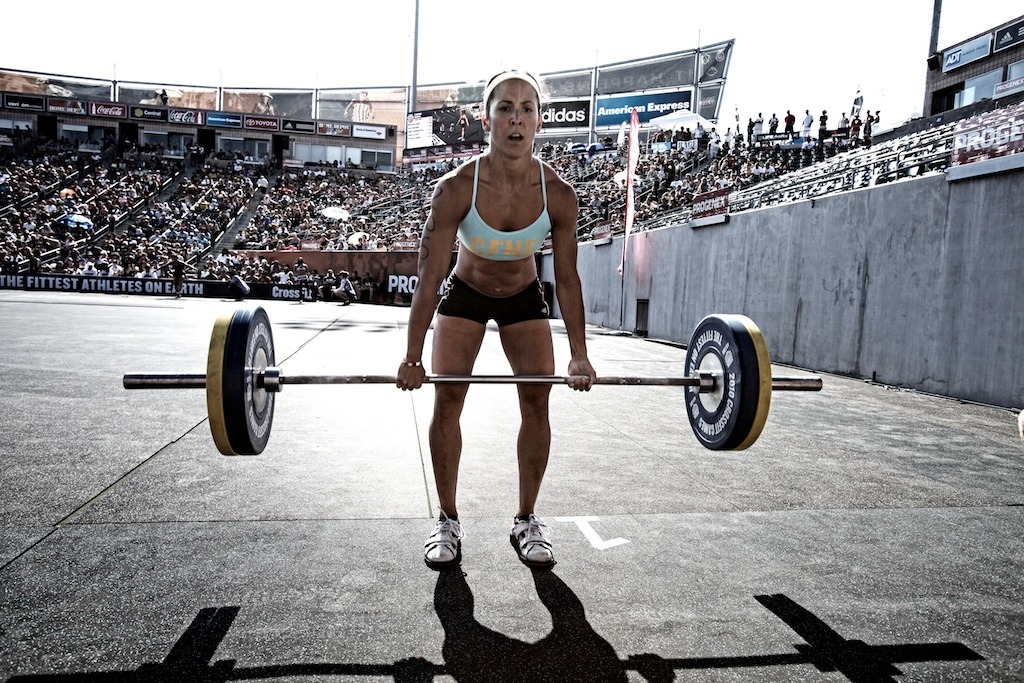
Lifting belts and knee sleeves require precise measurements. For belts, measure your waist at the navel, not your hips. For knee sleeves, measure the center of your knee cap. Always add a small allowance for movement if the brand recommends it, but avoid sizing up too much, as loose gear will shift during heavy lifts.
Before committing to a size, simulate your main lifts. If wearing a belt, try a squat or deadlift stance. You should feel secure compression, not restricted breathing. If using straps, ensure they allow your wrist to stay neutral. Gear that limits your natural movement will compromise your form and safety.
Finally, check the closure mechanism. Straps should hold firmly without slipping, and buckles should sit flat against your skin. If a buckle digs into your wrist or a strap slides down during a set, the size is likely too large or the length is incorrect. Adjustability is key, but the base size must be right.
-
Measure wrist at the strap contact point
-
Measure waist at the navel for belts
-
Measure knee cap center for sleeves
-
Test range of motion with a light set
-
Ensure buckles sit flat and straps don’t slip
Common mistakes when buying gear
Buying the right accessories is only half the battle; knowing what to avoid is just as important. Many lifters spend hundreds on gear that actually hinders their progress or increases injury risk. By steering clear of these common pitfalls, you protect your investment and your joints.
Oversized belts and lack of stability
A common error is buying a belt that is too wide or too thick for your specific needs. While a thick belt might feel supportive, it can restrict your breathing and limit your range of motion during squats. For most lifters, a 10mm or 13mm lever belt offers the best balance of support and mobility.
Equally critical is ignoring shoe stability. Wearing running shoes or smooth-soled trainers for heavy lifts creates a slippery foundation. This instability forces your body to compensate, often leading to knee or lower back strain. Opt for shoes with a hard, flat sole or dedicated weightlifting shoes to ensure your force transfers directly into the floor.
Ignoring fit and material quality
Gear that doesn’t fit properly is worse than no gear at all. Sleeves that are too loose won’t provide compression or warmth, while those too tight can cut off circulation. Always check the manufacturer’s size chart and measure your limbs accurately before purchasing.
Material quality also matters. Cheap neoprene sleeves can degrade quickly, losing their elasticity and support. Similarly, poorly constructed wrist wraps may slip during heavy presses. Investing in reputable brands ensures the gear lasts through years of intense training, rather than needing replacement after a few months.
Where to find verified club lifted gear
Building a reliable setup starts with knowing where to look. The market is flooded with unverified resellers, but sticking to official channels ensures you get products that meet safety standards and fit your specific lifting goals. This section points you toward the most trustworthy sources for authentic Club Lifted accessories and gear.
Official Brand Channels
The most direct route is always the brand’s own ecosystem. Club Lifted operates primarily through its official Instagram presence and website. Here, you can access personalized subscription designs that align with your budget and smoking style. Buying direct eliminates the risk of counterfeit items and ensures you have access to customer support if you need help with your setup.
Authorized Retailers
For those who prefer established retail platforms, LSKD offers a dedicated "Lifting Club Collection." This curated selection includes high-quality accessories and gear approved for use within the community. LSKD provides reliable shipping and flexible payment options, making it a safe alternative for purchasing verified items without navigating third-party marketplaces where authenticity can be difficult to verify.
Frequently asked questions about gear
Resolving final purchase hesitations often comes down to specific, practical concerns about durability, fit, and usage. Here are answers to the most common questions regarding Club Lifted accessories.
No comments yet. Be the first to share your thoughts!