Why Club Lifted athletes need specific gear
Club Lifted is built on a simple premise: learn to lift well. The methodology prioritizes safety, confidence, and purpose over ego lifting or random intensity. This approach changes how you interact with equipment. It isn't just about moving weight from point A to point B; it is about controlling the movement through every rep with precision.
Standard gym floors and worn-out bars often hide technique flaws. Specialized gear removes that ambiguity. When your footing is stable and your grip is secure, you can focus entirely on the lift itself. This support system allows you to train consistently without the constant worry of slipping or losing your hold.
Longevity in weightlifting depends on consistency, not just intensity. Proper accessories like lifting straps, belts, and shoes reduce unnecessary stress on joints and connective tissue. By using equipment designed for stability, you protect your body while still challenging your muscles. This balance is what separates a short-lived workout routine from a sustainable strength practice.
As an Amazon Associate, we may earn from qualifying purchases.
Best weightlifting belts for stability
A weightlifting belt isn't just gear; it's a tool to increase intra-abdominal pressure. When you brace your core against the belt during heavy squats or deadlifts, you create a rigid cylinder of support around your spine. This stability allows you to lift heavier loads with safer technique. For Club Lifted members, choosing the right belt means matching the material to your lifting style.
Thick leather belts are the gold standard for powerlifting. They are stiff and durable, providing consistent resistance against your abs. These belts are best for low-rep, high-weight sets where you need maximum spinal protection. They require a break-in period but last for years if cared for properly.
Nylon belts with prong or lever closures are lighter and more flexible. They are ideal for CrossFit, Olympic lifting, or high-rep bodybuilding where you need to bend and move freely. While they offer less rigid support than leather, they are more comfortable for long gym sessions and don't require a long break-in period.
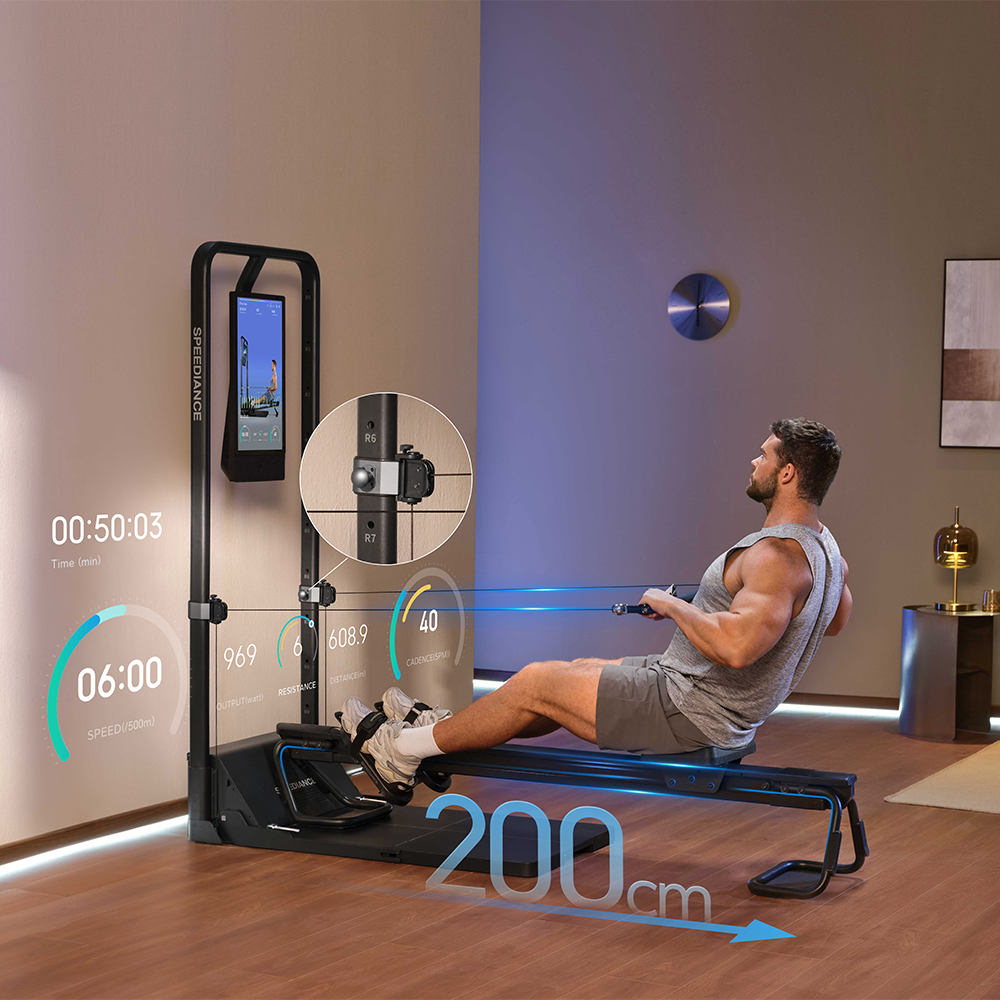
Standard belts are 10mm thick for powerlifting and 6-8mm for general fitness. The width should be 4 inches in the back to provide adequate surface area for bracing. Ensure the belt fits snugly around your waist, not your hips, so it presses effectively against your abs when you take a deep breath.


As an Amazon Associate, we may earn from qualifying purchases.
Choosing the right belt depends on your primary lifts. If you are chasing personal records in the squat and deadlift, invest in a stiff leather belt. For dynamic movements and high-volume training, a nylon belt will keep you comfortable and mobile. Always ensure your belt fits correctly to get the stability benefit.
Choosing the right lifting shoes
Elevated heel shoes are not just a stylistic choice for Club Lifted; they are a mechanical advantage. A raised heel—typically between 0.5 and 0.75 inches—reduces the range of motion required at the ankle joint. This allows lifters with limited ankle dorsiflexion to achieve full squat depth without compensating with excessive forward lean or heel lift.
Think of your ankle as a hinge. When the hinge is stiff, the body finds another way to move, often compromising the spine. By elevating the heel, you effectively lengthen the tibia, allowing the knee to travel further forward. This keeps the torso more upright, placing the load directly over the mid-foot and improving stability during heavy squats and overhead presses.
When selecting shoes for Club Lifted, prioritize a non-compressible sole. Running shoes absorb energy, which is the opposite of what you want when moving heavy weight. You need a solid platform that transfers force efficiently from the ground up. Look for leather uppers that lock the foot in place and a wide base for balance.
Compare Lifting Shoe Features
Not all lifting shoes are created equal. The table below breaks down the key differences between popular models to help you choose the right fit for your biomechanics and lifting style.
| Model | Heel Height | Sole Rigidity | Price Range |
|---|---|---|---|
| Nike Romaleos 4 | 0.75 in | Very Rigid | $150 - $170 |
| Adidas Adipower | 0.75 in | Rigid | $160 - $180 |
| Reebok Legacy Lifter | 0.875 in | Very Rigid | $140 - $160 |
| Nike Metcon 9 | 0.25 in | Moderate | $130 - $140 |
| NOBULL Trainer+ | 0.25 in | Moderate | $130 - $140 |
Checklist for Your First Pair
Before you commit to a pair, run through this quick assessment to ensure the shoe supports your Club Lifted routine.
- Heel Stability: Stand in the shoes with weight on your heels. Do they feel solid, or do they wobble? A stable base is non-negotiable.
- Strap Security: Tighten the straps. Your foot should feel locked in, with no lateral movement inside the shoe.
- Squat Depth: Perform a bodyweight squat. Can you hit parallel with a neutral spine? If your heels rise, the heel height may be too low for your anatomy.
- Toe Box Room: Ensure your toes have enough wiggle room. Feet swell during training, and cramped toes lead to discomfort and blisters.
Essential straps and chalk for grip
Forearm fatigue is the invisible limit on your lifts. When your hands slip or your grip fails before your back or legs do, you leave potential gains on the platform. Grip aids like lifting straps and chalk are not shortcuts; they are precision tools that let you focus on form and volume without being limited by forearm fatigue.
Lifting Straps
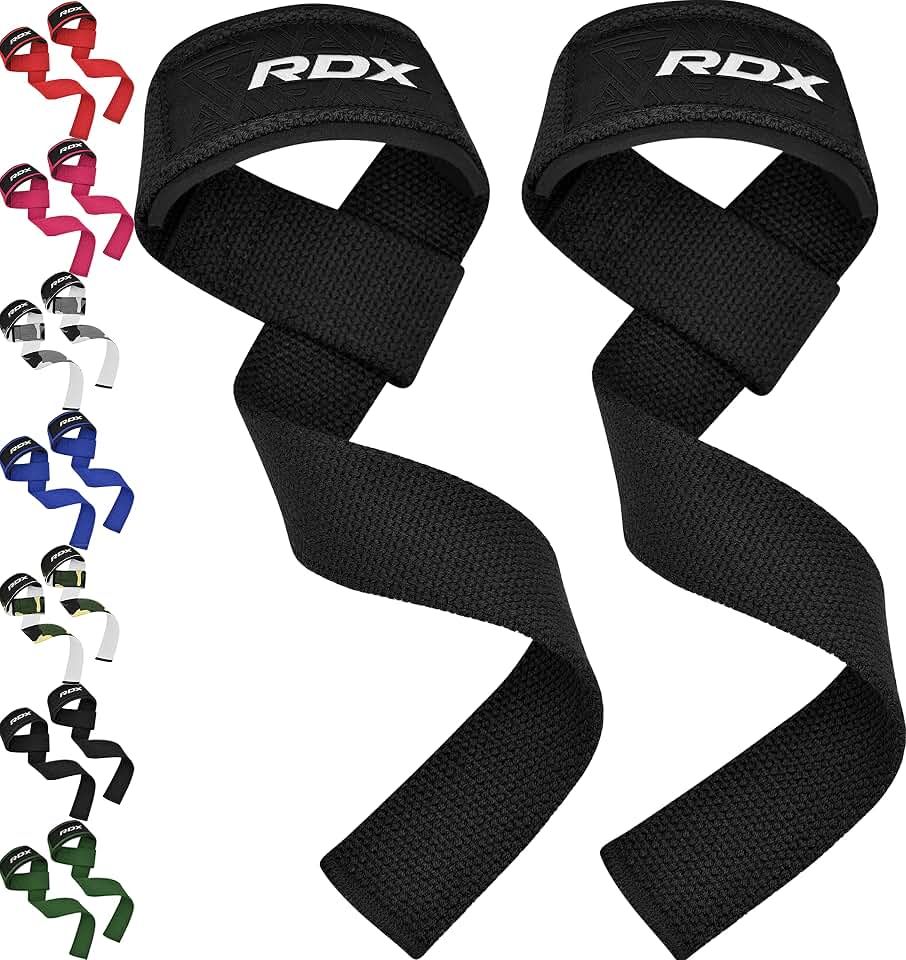
Lifting straps secure the bar to your hand, transferring the load from your grip to your wrists. This allows you to pull heavier loads on deadlifts and rows while keeping your spine neutral and your technique tight. Without straps, you might stop a set because your hands are slipping, even though your posterior chain still has plenty of energy left.
For most lifters, standard cotton or nylon straps offer the best balance of durability and ease of use. They are simple to wrap, easy to untie, and last for years of heavy pulling. Look for straps with a sturdy loop and a long enough strap to accommodate your wrist size comfortably.

As an Amazon Associate, we may earn from qualifying purchases.
Weightlifting Chalk
Chalk absorbs sweat and increases friction between your skin and the bar. While straps help you hold on, chalk helps you feel the bar. A dry, high-friction surface allows for better bar control during the pull and reduces the mental energy spent worrying about slipping. Liquid chalk is often preferred for its long-lasting hold and lack of messy powder, though traditional block chalk is a classic for a reason.
Apply chalk to your palms and fingers before every set. If you are training in a commercial gym, liquid chalk is usually the more considerate choice to avoid coating the equipment in powder.


As an Amazon Associate, we may earn from qualifying purchases.
Using these tools together creates a reliable foundation. Straps handle the heavy pulling volume, while chalk ensures every rep starts with a secure, confident grip. This combination lets you train harder and longer, pushing your muscles rather than your hands.
Apparel that supports movement
Clothing is the interface between your body and the barbell. If your shirt restricts your shoulders or your shorts bind during a squat, you are fighting your own gear instead of the weight. Club Lifted apparel is built for lifters, designed to accommodate all types of physiques while allowing unrestricted range of motion.
Look for fabrics that stretch with you but hold their shape. Compression sleeves keep muscles warm and reduce fatigue during high-volume sets, while loose-fitting stringers prevent fabric from snagging on equipment. The goal is durability that matches your training intensity.
The right fit builds confidence. When you look good, you feel good, and that mental edge matters when you are loading up the bar. Choose pieces that feel as strong as they look.
Frequently asked: what to check next
Do I need special gear to join a Club Lifted session?
Most Club Lifted sessions are coached strength training experiences focused on learning to lift safely. You typically just need comfortable athletic clothing and closed-toe shoes. The gym provides the barbells, plates, and machines. You do not need to buy expensive accessories before your first visit.
How do I maintain my lifting belt and straps?
Leather belts last longer if you wipe them down with a damp cloth after sweaty workouts. Let them air dry completely before storing them to prevent mildew and stiffness. Avoid soaking them in water or using harsh chemicals that can degrade the leather grain.
What is the difference between a lifting club and a gym?
A lifting club often emphasizes a community atmosphere and specific coaching methodologies rather than just open gym access. While traditional gyms offer broad equipment, lifting clubs may focus on structured programs, group motivation, and shared lifting culture. It is more about the environment and social connection alongside the physical training.
No comments yet. Be the first to share your thoughts!