
Beyond the Barbell: Why Accessories Matter for Serious Weightlifting
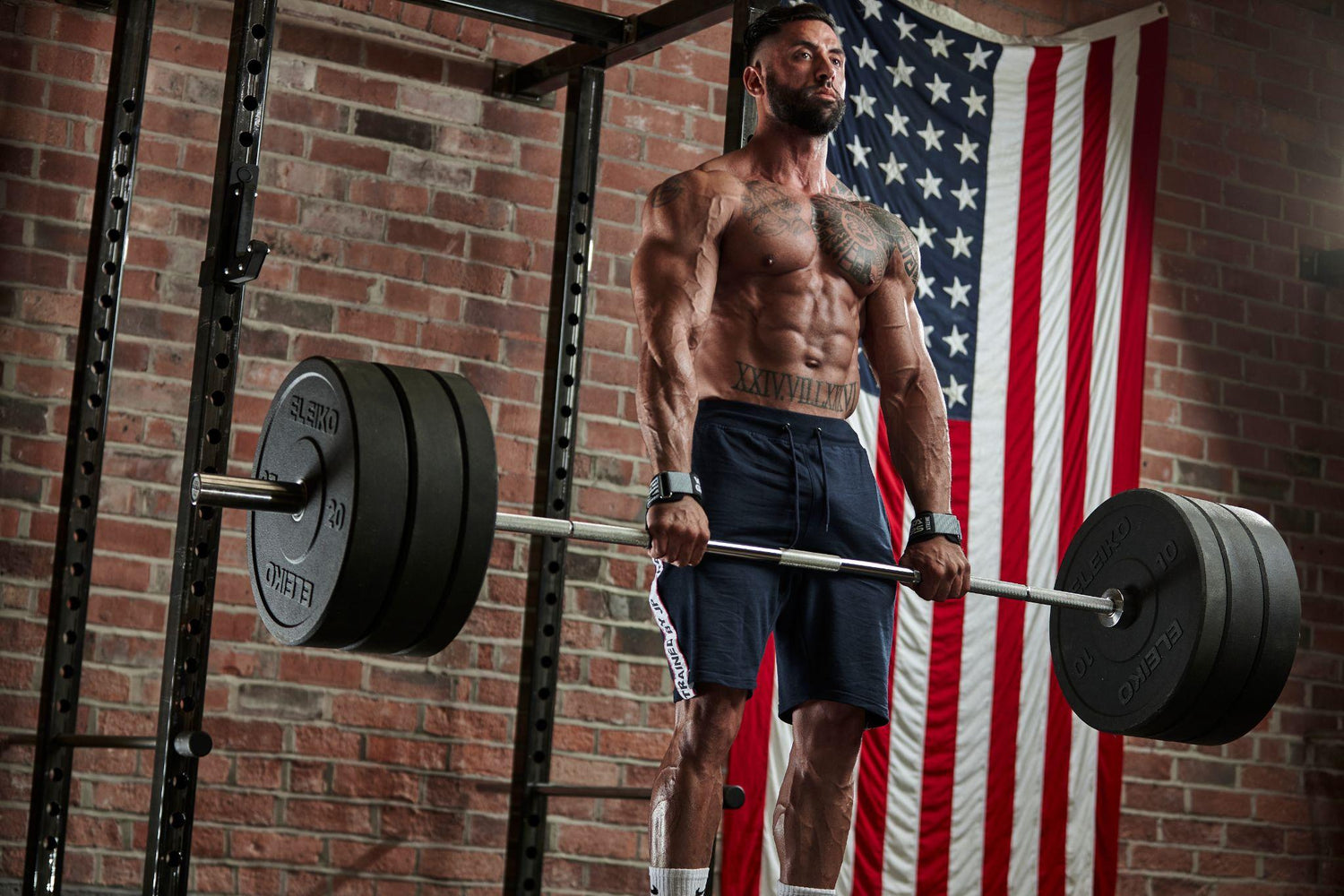
For a long time, the prevailing attitude in weightlifting was that you just needed to show up and lift. Grit, determination, and progressively heavier weight were supposed to be enough. While those things are undeniably important, that thinking is outdated. Modern weightlifting, especially at the professional level, understands that accessories aren’t crutches – they're tools. Tools to maximize performance, minimize risk, and extend your career.
I've seen lifters, even incredibly strong ones, sidelined by preventable injuries. A properly fitted weightlifting belt, supportive shoes, or even a simple pair of knee sleeves can be the difference between hitting a new PR and spending months in rehab. It’s about being smart, not just stubborn. It’s about respecting the demands we place on our bodies.
The use of accessories has evolved significantly. Twenty years ago, belts and chalk were the extent of most lifters’ gear. Now, we see a much wider range of specialized equipment, from lifting straps and wrist wraps to advanced knee sleeves and Olympic lifting blocks. This isn’t just a marketing trend; it reflects a growing understanding of biomechanics, injury prevention, and the pursuit of marginal gains.
It's easy to dismiss accessories as unnecessary for 'real' lifters, but that’s a mistake. Even experienced athletes can benefit from optimizing their setup. A small adjustment, like switching to a better pair of weightlifting shoes, can improve stability and power output. It’s about finding what works for you and incorporating it into your training.
The Foundation of Safety: Belts, Shoes, and Sleeves
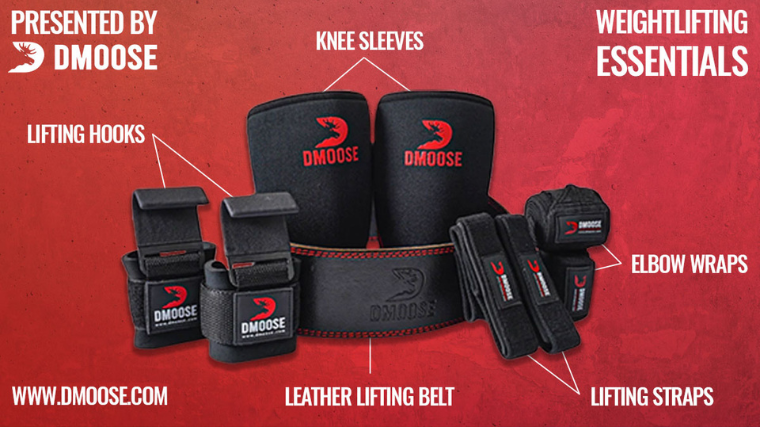
Let's start with the basics: belts, shoes, and knee sleeves. These are the cornerstones of weightlifting safety. A weightlifting belt isn't about making you stronger; it’s about increasing intra-abdominal pressure, which stabilizes your spine and protects your lower back during heavy lifts. There are three main types: lever belts, prong belts, and screw belts. Prong belts were the standard for a long time, but I've switched almost entirely to lever belts.
I prefer lever belts because they’re easier and faster to adjust, even mid-set. The Iron Bull Strength 10mm Premium Lever Belt is a solid option – it’s durable, comfortable, and provides excellent support. Prong belts require more fiddling, and screw belts can be time-consuming to tighten. The key is finding a belt that feels secure and doesn’t restrict your breathing.
Weightlifting shoes are equally crucial. Unlike running shoes, which are designed for cushioning and impact absorption, weightlifting shoes prioritize stability. They have a hard, flat sole and a raised heel – typically around 0.75 to 1 inch. This heel elevation helps improve ankle mobility and allows you to maintain a more upright torso position during squats and Olympic lifts. Nike Romaleos and Adidas Adipower are both popular choices, though they come with a price tag.
Knee sleeves are a bit more nuanced. They provide compression and warmth, which can be beneficial for joint protection and pain relief. However, they aren’t a substitute for proper technique or strength training. I'm not convinced everyone needs knee sleeves. If you have healthy knees and good form, you might not see much benefit. But if you're recovering from an injury or have joint pain, they can be a valuable tool. Look for sleeves made from 7mm neoprene for good compression.
- Lever Belts: Easy and quick adjustment.
- Prong Belts: Traditional, requires more fiddling.
- Screw Belts: Time-consuming to tighten.
Weightlifting Belt Comparison: Lever, Prong, & Screw-Pin - 2024
| Type | Price Range (USD) | Support Level (1-5, 5=Highest) | Best For | Pros | Cons |
|---|---|---|---|---|---|
| Lever Belt | $80 - $250+ | 4-5 | Squat, Deadlift, Strongman | Fastest adjustment, consistent support, durable (typically 10-13mm leather), preferred by competitive lifters. | More expensive than other types, can be bulky, potential for slippage if not properly tightened. |
| Prong Belt | $50 - $150 | 3-4 | Squat, Deadlift | More affordable, relatively durable, good for general weightlifting. | Adjustment can be time-consuming, less consistent support than lever belts, prongs can bend or break with heavy use. |
| Screw-Pin Belt | $60 - $180 | 3.5-4.5 | Deadlift, Squat | Secure fit, allows for micro-adjustments, generally durable. | Slower adjustment than lever belts, potential for pin to loosen during lifts if not tightened adequately, can be uncomfortable for some. |
| Narrow Lever Belt (6-8mm) | $70 - $180 | 3-4 | Gymnastics, Olympic Lifting, Accessory Work | Offers support without restricting range of motion, good for dynamic movements. | Less support than wider lever belts, not ideal for maximal lifts. |
| Powerlifting Belt (13mm Lever) | $150 - $300+ | 5 | Max Effort Squats & Deadlifts | Maximum support for heaviest lifts, meets competition standards. | Can be overly restrictive for lighter weights or accessory work, requires significant break-in period. |
| Prong Belt (Single Prong) | $40 - $80 | 2-3 | Beginner Lifters, Lighter Weights | Most affordable option, suitable for learning proper bracing technique. | Limited support, not recommended for heavy lifting, prongs are more susceptible to damage. |
Data sourced from AI research — verify before making decisions
Grip It and Rip It: Straps, Chalk, and Beyond
A strong grip is essential for many weightlifting movements, but even the strongest lifters can reach a point where their grip fails before their muscles do. That's where lifting straps come in. Straps wrap around the barbell and your wrists, providing an extra layer of security. They’re particularly useful for exercises like deadlifts, farmers walks, and heavy rows.
However, it's important to use straps strategically. Don’t rely on them for every set. Use them when you’re pushing your limits, but continue to train your grip strength regularly. Over-reliance on straps can actually weaken your grip over time. I recommend using them only on your heaviest sets, and focusing on grip-strengthening exercises like farmers carries and dead hangs during your accessory work.
Chalk is another grip essential. It absorbs moisture from your hands, providing a drier, more secure grip. There are two main types: block chalk and liquid chalk. Block chalk is the traditional option – you crush it into a powder and apply it to your hands. Liquid chalk is a more convenient alternative, but some lifters find it doesn’t provide as much grip as block chalk. The debate about chalk being 'cheating' is ridiculous. It's a tool to improve safety and performance, just like any other accessory.
For those who struggle with hook grip, or simply prefer not to use it, there are alternatives. Grip aids like Fat Gripz can increase the diameter of the barbell, making it easier to hold. However, these are more of a niche solution and may not be suitable for all lifters.
Top 5 Weightlifting Belts for Serious Lifters in 2024 | Safety & Performance Tested!
Iron & Grit Fitness
Watch on YouTube →Wrist Support: When Do You Need It?
Wrist support is often an afterthought, but it can be incredibly important for preventing injuries, especially for lifters with a history of wrist pain or instability. There are several options available, ranging from simple wrist wraps to more rigid supports. Wrist wraps provide compression and support, while rigid supports immobilize the wrist to a greater extent.
I generally recommend wrist wraps for most lifters. They’re versatile and can be used for a variety of exercises. However, if you have a significant wrist injury, a more rigid support might be necessary. It’s crucial to listen to your body and consult with a healthcare professional if you're experiencing wrist pain. Remember that too much support can actually weaken your wrist muscles over time.
Building natural wrist strength is essential. Include exercises like wrist curls, reverse wrist curls, and forearm planks in your routine. Focus on maintaining proper form and gradually increasing the weight or resistance. Don't rely solely on wrist support – prioritize strengthening your wrists and forearms.
Olympic Lifting Specific Gear: Blocks, Collars, and More
Olympic weightlifting demands a specific set of accessories beyond the basics. Weightlifting blocks are incredibly useful for addressing mobility limitations and improving technique. By raising the platform height, blocks allow lifters to achieve a deeper squat position and work on their receiving position for the snatch and clean & jerk. Different heights are available, allowing you to customize the setup to your individual needs.
Quality barbell collars are essential for keeping the plates securely on the bar. Loose plates are a safety hazard. Rogue Fitness collars are a popular choice – they’re durable, reliable, and easy to use. There are two main types: spring collars and clamp collars. Clamp collars provide a more secure hold, but they take longer to adjust.
Don’t underestimate the importance of a good lifting platform. A platform provides a stable, impact-absorbing surface for dropping weights. Bumper plates are also crucial for Olympic lifting. They’re designed to withstand repeated drops without damaging the platform or the floor. Investing in these items is an investment in your safety and your training.
Top-Rated Weightlifting Belts for Enhanced Safety and Performance
10mm thickness for optimal support · Durable genuine leather construction · Quick-release lever buckle for secure fit
This belt offers robust core support and a secure, adjustable fit crucial for heavy lifts.
13mm thickness for maximum stability · Premium suede exterior and leather interior · Customizable lever closure system
A top-tier choice for serious lifters, providing unparalleled rigidity and support during maximal efforts.
7mm thickness for substantial warmth and compression · Durable neoprene material · Anatomical design for a comfortable, secure fit
These sleeves provide excellent compression and warmth to the knee joint, aiding in injury prevention and performance.
5mm thickness for balanced support and flexibility · High-quality neoprene construction · Reinforced stitching for longevity
A great option for lifters seeking a balance of support, warmth, and mobility during their workouts.
5mm thickness approved for competition · High-grade neoprene for optimal compression · Designed for maximum joint support and warmth
SBD is a trusted brand in powerlifting, offering sleeves that deliver superior compression and support for demanding lifts.
As an Amazon Associate I earn from qualifying purchases. Prices may vary.
Recovery Accessories: Don't Neglect the Aftermath
Accessories aren’t just for during the lift; they also play a vital role in recovery. Proper recovery is just as important as training itself, and the right tools can significantly reduce muscle soreness and prevent injuries. Foam rollers are a great way to release muscle tension and improve flexibility. I use one almost every day, focusing on my quads, hamstrings, and back.
Massage guns, like the Theragun, provide a more targeted form of muscle relief. They can help break up knots and improve blood flow. Compression garments, such as sleeves and tights, can also aid in recovery by reducing swelling and inflammation. I find them particularly helpful after leg day. I personally use CEP compression socks.
My post-workout recovery routine includes a combination of foam rolling, massage gun use, and compression garments, along with proper nutrition and hydration. Prioritizing recovery is essential for long-term progress and injury prevention. Don't skimp on this aspect of your training!
Remember that nutrition and hydration are also crucial components of recovery. Make sure you're consuming enough protein to repair muscle tissue and drinking plenty of water to stay hydrated.
Budget Breakdown: Building Your Accessory Arsenal
Let's be realistic: building a complete accessory kit can get expensive. But you don't need to buy everything at once. Here's a breakdown of essential, recommended, and optional accessories, along with estimated price ranges.
Essential (Budget: $150-$300): Weightlifting belt ($80-$150), Weightlifting shoes ($80-$150), Chalk ($10-$20). These are the non-negotiables. Prioritize quality and fit for these items.
Recommended (Budget: $100-$200): Knee sleeves ($30-$60), Lifting straps ($20-$40), Wrist wraps ($20-$40), Foam roller ($30-$60). These will enhance your performance and reduce your risk of injury. They’re worth the investment.
Optional (Budget: Varies): Massage gun ($200+), Compression garments ($50+), Weightlifting blocks ($50+). These are nice-to-haves, but not essential. Consider adding them to your kit as your budget allows. You can find deals on many of these items by shopping around and looking for sales. Rogue Fitness, Titan Fitness, and Amazon are all good places to start.
Future Trends in Weightlifting Accessories
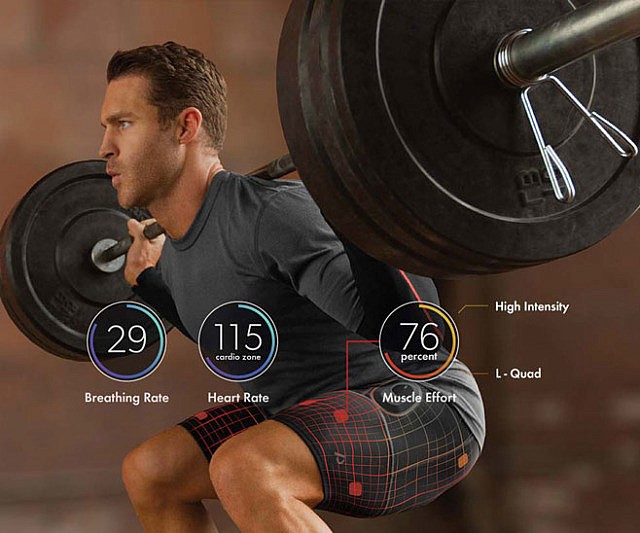
The weightlifting accessory market is constantly evolving. We're seeing a growing emphasis on technology and personalization. Smart belts with built-in sensors are starting to emerge, providing real-time feedback on intra-abdominal pressure and lifting technique. These could be incredibly valuable for optimizing form and preventing injuries.
Advanced materials are also being explored for improved support and comfort. Lighter, more breathable belts and sleeves are on the horizon. Personalized accessory recommendations based on individual biomechanics are another exciting possibility. Imagine a system that analyzes your movement patterns and recommends the optimal gear for your body type and training goals.
I’m cautiously optimistic about these developments. While some of these technologies seem promising, it remains to be seen whether they’ll live up to the hype. The core principles of weightlifting – proper technique, progressive overload, and consistent effort – will always be paramount. Accessories are tools to enhance those principles, not replace them.
No comments yet. Be the first to share your thoughts!