

The environmental cost of heavy lifting
The iron game is about pushing boundaries, but increasingly, we need to consider the boundaries of our planet. The fitness industry, and weightlifting specifically, has a surprisingly large environmental footprint. From the manufacturing of equipment to the energy used in gyms, it all adds up. We’re talking about a lot of rubber, plastic, steel, and chrome, all materials with significant environmental consequences throughout their lifecycle.
Traditional weightlifting gear relies heavily on virgin materials. Rubber, for example, often comes from unsustainable plantations. Chrome plating involves toxic chemicals. And the production of steel is energy-intensive. Beyond the materials themselves, consider the ethical implications of manufacturing – labor practices and waste management in overseas factories are too often overlooked. It's a system that doesn't always align with the discipline and self-respect central to weightlifting.
I don't think you have to sacrifice performance to go green. It's more about choosing gear that doesn't rot in a landfill for a thousand years. If you're obsessed with your own health and recovery, it makes sense to care about the air you breathe and the soil where your food grows. Buying better gear is just an extension of that discipline.
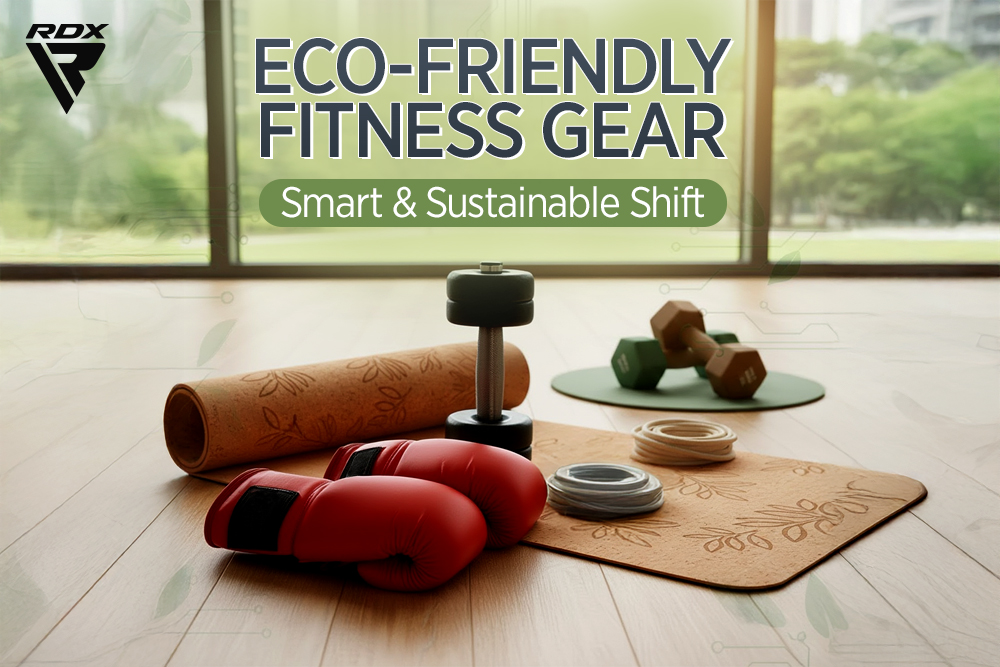
Spotting fake eco-friendly claims
The term "eco-friendly" gets thrown around a lot, and unfortunately, it's often used for marketing rather than genuine environmental responsibility. Greenwashing – misleading consumers about the environmental benefits of a product – is rampant. It’s essential to understand what these terms actually mean when you’re looking at weightlifting accessories.
"Recycled’ means the material has been processed and reused, reducing the need for virgin materials. But the percentage of recycled content matters. A product labeled ‘made with recycled materials’ could contain only a small amount. ‘Upcycled’ takes waste materials and transforms them into something of higher value – a genuinely positive step. ‘Biodegradable’ suggests the material will break down naturally, but this often requires specific composting conditions not readily available. ‘Organic" typically refers to cotton grown without pesticides, a good choice for apparel.
Look for certifications from reputable organizations. The Global Organic Textile Standard (GOTS) ensures organic cotton meets strict environmental and social criteria. Recycled Claim Standard (RCS) verifies the presence and amount of recycled material. However, even "sustainable’ materials aren"t impact-free. Transportation, manufacturing processes, and end-of-life disposal all contribute to a product's overall footprint. A truly informed consumer considers the entire lifecycle.
- GOTS (Global Organic Textile Standard) is the main one to watch for with apparel; it covers both the organic status of the fabric and the social conditions of the factory.
- RCS (Recycled Claim Standard): Verifies recycled content in products.
- Bluesign: Focuses on chemical safety and resource productivity in textile manufacturing.
Weight plates that aren't virgin iron
Traditional cast iron weight plates have a significant environmental cost. Iron ore mining disrupts ecosystems, and the manufacturing process is energy-intensive, releasing greenhouse gases. While iron is recyclable, the recycling rate isn't always high, and transporting heavy plates adds to the carbon footprint. Fortunately, alternatives are emerging.
Recycled steel plates are a more sustainable option, reducing the demand for newly mined iron ore. The environmental benefit depends on the source of the recycled steel and the efficiency of the recycling process. Composite plates, often using recycled rubber, are gaining popularity. These are quieter than iron and can be more durable, but their long-term performance and recyclability are still being evaluated. Concrete plates, while less common, offer another alternative, utilizing a readily available material.
Several companies are actively exploring these alternatives. Rogue Fitness, for instance, offers plates made with recycled steel. Rep Fitness has experimented with composite materials. The trade-offs are real: recycled steel can be more expensive than virgin iron, and composite plates may not be suitable for all types of lifting. Durability is also a key factor – a plate that needs replacing frequently isn’t truly sustainable, even if it's made from recycled materials. Cost ranges vary widely, with recycled steel often being 10-20% more than standard iron.
Ultimately, the 'best' option depends on your priorities. If minimizing environmental impact is paramount, recycled steel or well-made composite plates are good choices. If cost is a major concern, and you're willing to accept a higher environmental impact, standard iron plates remain an option, but prioritize responsible recycling when they reach the end of their life.
Better barbell choices
Barbells are a significant investment, and their longevity means sustainability is even more important. The sourcing of steel is the primary concern. Look for brands that prioritize steel produced using electric arc furnaces, which have a lower carbon footprint than traditional blast furnaces. The use of chrome is another issue – chrome plating involves harmful chemicals. Some manufacturers are exploring alternatives, like black zinc coating, which is more environmentally friendly.
Ethical sourcing and manufacturing practices are also crucial. Where is the steel coming from? What are the labor conditions in the factory? Transparency is key, but often difficult to find. Refurbished or used barbells are a surprisingly sustainable option. Extending the life of an existing barbell is far more environmentally friendly than manufacturing a new one. Many reputable barbell companies offer refurbished options.
Finding truly sustainable new barbells is challenging. Most manufacturers haven't fully embraced sustainable practices. Rogue Fitness, again, is a leader in the industry, and while not fully "green", they are taking steps to reduce their environmental impact. Eleiko, known for high-quality competition barbells, is also exploring more sustainable manufacturing processes. Expect to pay a premium for barbells with sustainable features – they often cost 15-30% more than standard models.
Small accessories with a lower footprint
Smaller accessories are the easiest place to start because they're cheaper to replace. You can find plenty of options that use recycled materials without spending much more than you would on standard gear.
Lifting Straps: Opt for straps made from recycled cotton or hemp. Nordic Lifting offers straps made with recycled polyester (around $20). Wrist Wraps: Choose organic cotton or recycled polyester wrist wraps. WOD Nation makes durable wraps from recycled materials (approximately $25). Chalk Alternatives: Traditional chalk can be dusty and harmful to the lungs. Consider liquid chalk or magnesium carbonate in biodegradable packaging. Friction Labs offers a popular liquid chalk alternative ($15).
Gym Bags: Look for bags made from recycled plastic bottles or organic cotton canvas. Adidas and Nike both offer gym bags made with recycled materials (ranging from $50-$100). Apparel: Organic cotton t-shirts, shorts, and leggings are a great choice. Patagonia and Girlfriend Collective are known for their sustainable activewear (prices vary widely, $40-$120 per item). Resistance Bands: Choose bands made from natural latex, which is biodegradable, over synthetic rubber. Rogue Fitness offers latex resistance bands in various strengths ($20-$50).
Weightlifting Belts: While fully sustainable leather belts are rare, look for belts made with vegetable-tanned leather, a more environmentally friendly process. Pioneer Fit offers belts using this method (around $150). Jump Ropes: Choose ropes with wooden or bamboo handles and recycled PVC cord. RXD Fitness offers sustainable jump ropes (around $30). Foam Rollers: Look for rollers made from recycled foam or natural rubber. TriggerPoint offers eco-friendly foam rollers ($40-$80). Headbands/Hair Ties: Opt for organic cotton or bamboo headbands. Scrunchies are making a comeback, and many are made from recycled materials ($10-$20).
Water Bottles: A stainless-steel water bottle is a must-have. Hydro Flask and Klean Kanteen are popular, durable options ($30-$50).
Eco-Conscious Weightlifting Gear: Sustainable Accessories for the Discerning Athlete

Provides lumbar support · Suitable for various compound lifts · Unisex design
This durable lifting belt offers crucial support for heavy training, helping to prevent injury and improve form.

Eco-friendly cork surface · Non-slip grip · Includes resistance bands and carry bag
This large, eco-friendly mat provides a stable and comfortable surface for a variety of exercises, promoting a sustainable workout routine.

Durable stainless steel construction · Freestanding design · Large chalk bowl to reduce mess
This sturdy chalk stand ensures chalk is readily available and contained, reducing mess and improving the gym environment.
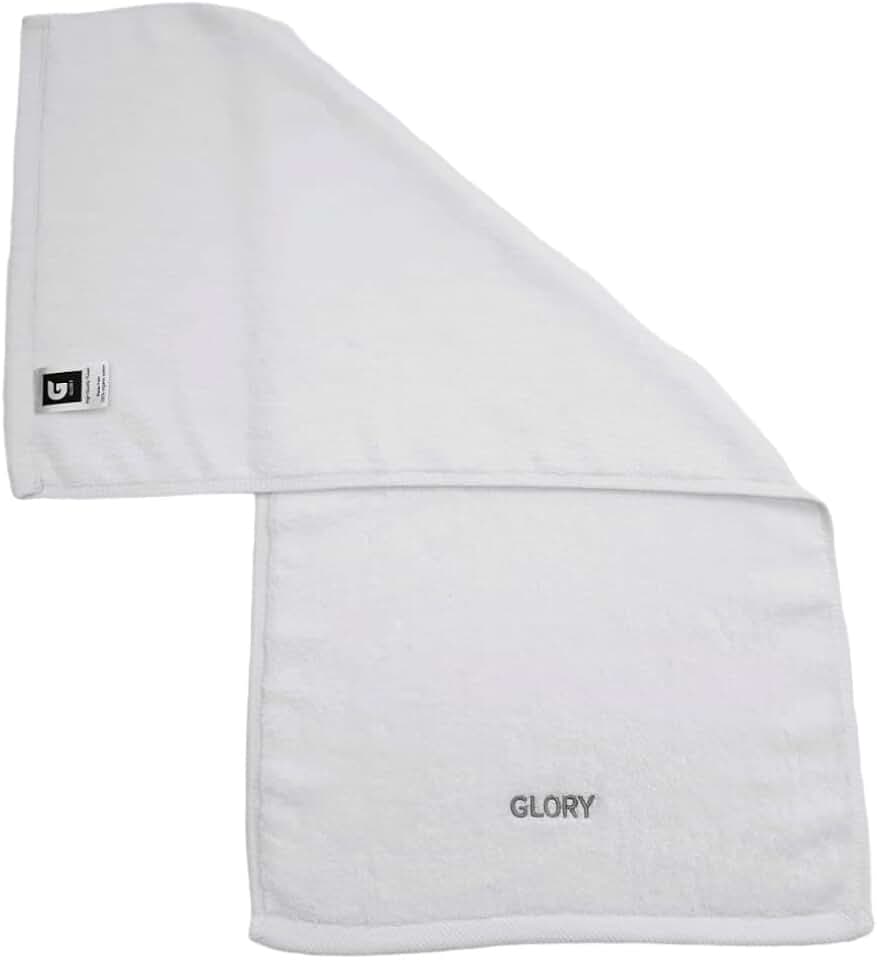
Made from 100% organic cotton · Soft and highly absorbent (570 GSM) · Generous size (29.52 x 13.78 inches)
This organic cotton towel is a soft, absorbent, and eco-conscious choice for managing sweat during workouts.

BPA-free and durable construction · Leak-proof design · Lightweight and portable
This reusable, durable water bottle is an essential, eco-friendly way to stay hydrated during any activity.
As an Amazon Associate I earn from qualifying purchases. Prices may vary.
Making your gear last longer
Sustainability doesn't end at the point of purchase. Extending the life of your gear is just as important as choosing eco-friendly materials. Proper care and maintenance are essential. For organic cotton apparel, wash in cold water and hang to dry to minimize energy consumption and prevent shrinking. Avoid harsh detergents.
Recycled rubber plates and composite materials should be cleaned with a mild soap and water solution. Avoid abrasive cleaners that could damage the surface. Steel barbells and plates require regular cleaning and oiling to prevent rust. Use a high-quality barbell oil and wipe down the equipment after each use. Store your gear in a dry, well-ventilated area to prevent damage.
When gear finally reaches the end of its life, explore responsible disposal or recycling options. Some companies offer take-back programs for their products. Otherwise, check with your local recycling center to see if they accept the materials. Repairing damaged gear is always preferable to replacement. A small tear in a wrist wrap or a loose stitch in a gym bag can often be easily fixed.
No comments yet. Be the first to share your thoughts!