

The Rise of AI-Powered Form Analysis in Weightlifting
Weightlifting at its highest levels is about precision. A fraction of an inch, a degree of angle, can be the difference between a successful lift and a failed attempt – or worse, an injury. For years, athletes have relied on experienced coaches to analyze their form, providing feedback based on years of observation. But even the best coach can only catch so much, and subjective assessment always plays a role. That's where AI-powered form analysis is changing the game.
The core idea is simple: use computer vision and machine learning to objectively assess a lifter's technique. This isn’t about replacing a coach, because a coach provides so much more than technical feedback. It’s about augmenting their abilities, providing them with data they wouldn’t otherwise have access to, and allowing lifters to get more reps in with good form. Think of it as a second set of eyes, one that never gets tired and can pinpoint subtle flaws.
Five years ago, this technology was largely confined to research labs. We were seeing early prototypes of motion capture systems, but they were expensive and required specialized equipment. Today, the landscape is dramatically different. Advances in smartphone cameras, processing power, and AI algorithms have made accurate form analysis accessible to a much wider audience. Companies like Weightlifting.ai and Gymaholic are leading the charge, offering tools that can analyze lifts in real-time or from recorded videos. The speed of development is remarkable; new features and improvements seem to be announced every few weeks.
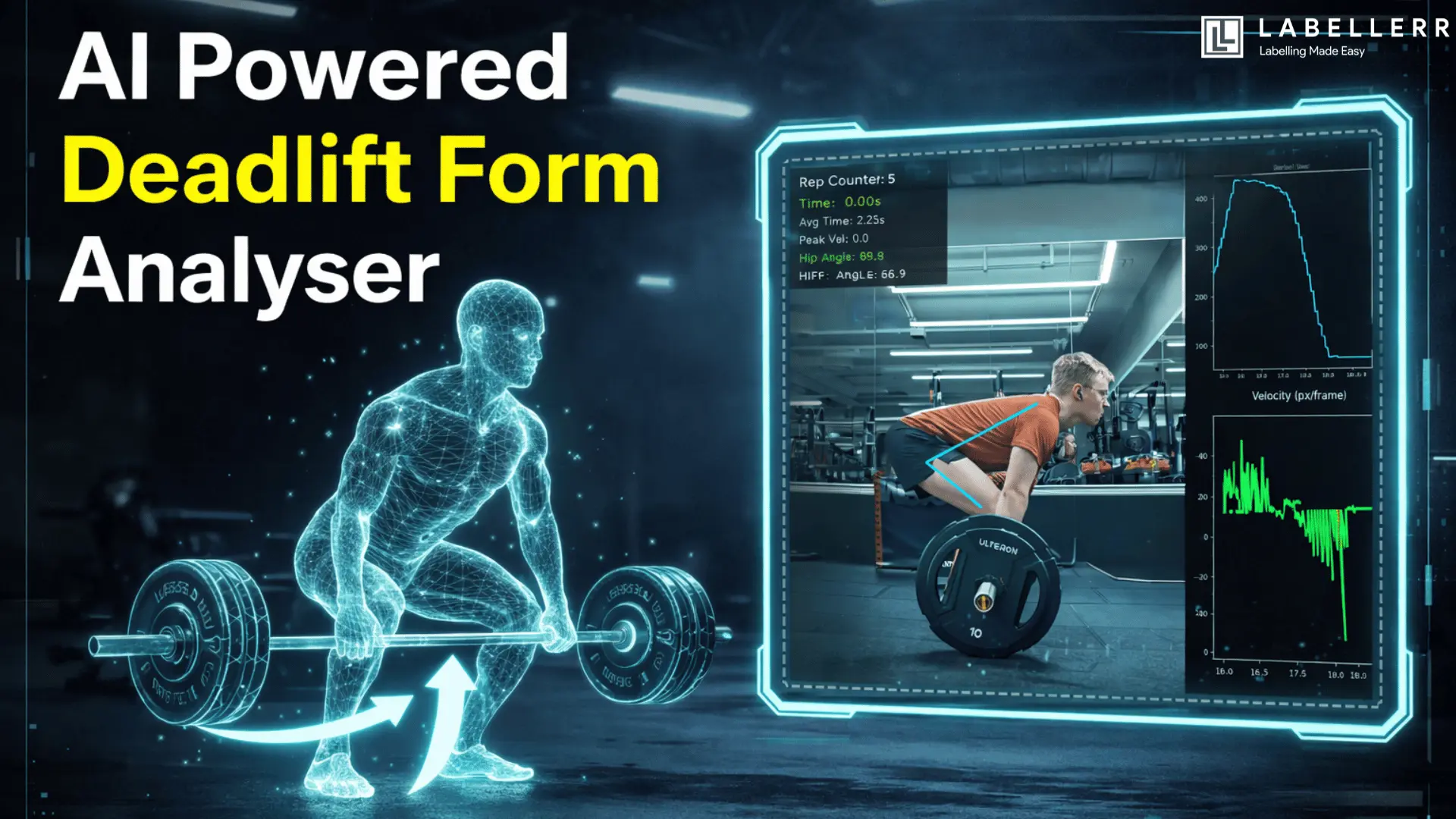
Weightlifting.ai: Personalized Programming Meets Real-Time Feedback
Weightlifting.ai combines personalized programming with real-time form feedback. It isn't just about telling you what you’re doing wrong; it's about building a training plan tailored to your specific needs and adapting that plan based on your performance. The platform creates individualized Olympic weightlifting programs, adjusting automatically based on your progress and recovery. This differs from generic training routines.
The system works by collecting data through a combination of methods. While they don’t specify the exact sensors used, they leverage video analysis to track key joint angles and movement patterns. This data is then fed into their AI algorithms, which compare your form to ideal technique. The feedback isn't just a simple 'good' or 'bad'; it's nuanced and specific, pointing out areas for improvement. They currently support the snatch, clean & jerk, and front squat – the core lifts of Olympic weightlifting.
What really sets Weightlifting.ai apart is its flexibility. Life happens. You miss a session, you travel for work, or you’re just feeling fatigued. The program automatically adjusts to accommodate these changes, ensuring that you stay on track without overtraining. This benefits professional lifters who often have unpredictable schedules. The level of customization they offer is notable. They really seem to be building a system around you and your needs, rather than forcing you to fit into a pre-defined mold.
The platform also emphasizes recovery, a critical component of any serious training program. By tracking your performance and fatigue levels, Weightlifting.ai can suggest adjustments to your training volume and intensity, helping you to avoid injuries and maximize your gains. It supports the entire weightlifting process, from initial assessment to peak performance.
Gymaholic: Instant Form Checks From Your Phone
Gymaholic offers a different approach. Their focus is on providing instant form feedback directly from your smartphone. This makes it incredibly accessible – you don’t need any specialized equipment, just a phone and a willingness to record your sets. It’s a great option for lifters who want a quick and easy way to check their form, especially when training alone. Gymaholic has over 80,000 users, showing its convenience.
However, the reliance on phone video does come with limitations. The quality of the analysis is dependent on the quality of the video, the lighting conditions, and the angle of the camera. It’s not going to be as accurate as a system that uses multiple cameras or dedicated motion capture sensors. Currently, Gymaholic supports a range of exercises, including squats, deadlifts, bench press, and overhead press, but the depth of analysis varies between lifts.
The feedback provided by Gymaholic is generally more high-level than what you’d get from Weightlifting.ai. It might tell you to 'keep your back straight' or 'engage your core,' but it’s less likely to provide specific numerical cues like 'increase lumbar extension by 5 degrees.' That said, it’s still valuable feedback, especially for beginners who are just learning the basics of proper form. It’s a good starting point, but serious athletes will likely need something more advanced.
Beyond the Big Two: Emerging AI Form Analysis Technologies
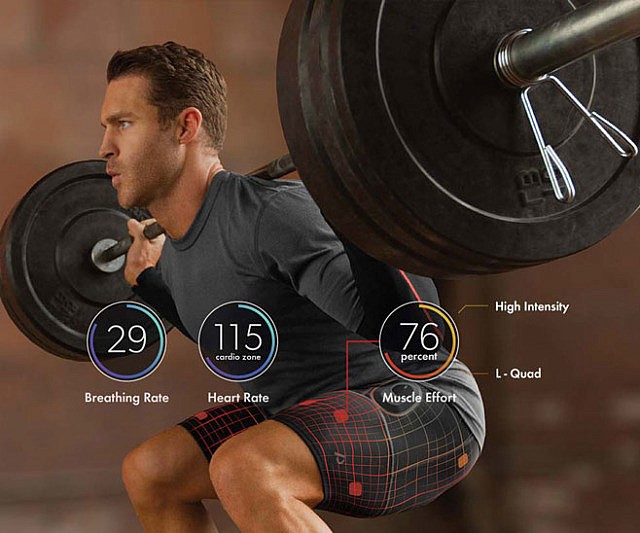
The field of AI-powered form analysis is still in its early stages, and there are a number of other companies and technologies emerging. Interest is growing in wearable sensors, such as smart sleeves or vests, that can track your movements with greater precision than a smartphone camera. These devices can provide real-time feedback on your form, alerting you to potential errors before they lead to injury.
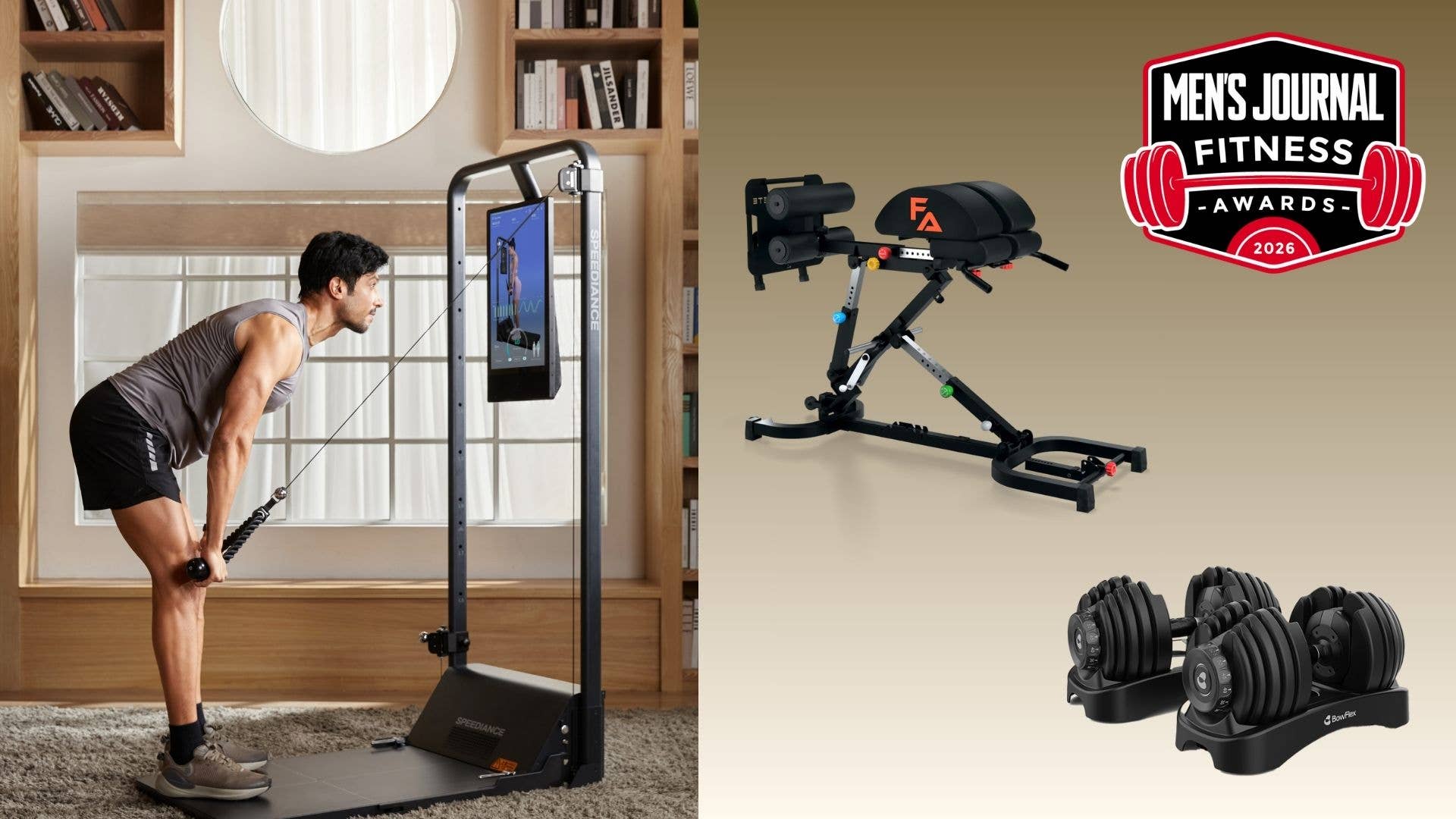
Several companies are also developing smart gym equipment with built-in analysis capabilities. These machines can automatically track your reps, sets, and form, providing you with detailed feedback on your performance. While these systems are currently expensive, they are likely to become more affordable as the technology matures. Research is happening at universities, exploring the use of AI to prevent injuries and optimize training programs.
Integrations with existing fitness apps are also starting to appear. Some apps now offer AI-powered form analysis as a premium feature, allowing you to track your progress and get feedback on your lifts within the app you already use. The trend is towards integration, making AI form analysis a natural part of the training experience. This space is fragmented now, but consolidation is likely in the coming years.
Accuracy and Reliability: How Good Is the AI, Really?
How accurate is the AI? The truth is, it’s not perfect. All of these systems have limitations, and they can sometimes make errors. Common errors include misinterpreting joint angles, failing to account for individual variations in anatomy, and struggling with fast or complex movements. The accuracy also varies depending on the lift – some lifts are easier to analyze than others.
Compared to a highly experienced human coach, the AI is still developing. A good coach can take into account a lifter’s individual strengths and weaknesses, their training history, and their overall physical condition. The AI, on the other hand, relies on algorithms and data. However, the AI is getting better all the time, and in some cases, it can identify errors that a human coach might miss. The AI often identifies consistent patterns, offering objective feedback where a coach might offer subjective views.
Objectively measuring "good’ form is also a challenge. There’s no single, universally accepted definition of perfect technique. Different coaches may have different preferences, and what works for one lifter may not work for another. Validating AI form analysis requires careful testing and comparison to expert opinions, and it"s an ongoing process. These tools are meant to assist coaches, not replace them.
AI-Powered Weightlifting Form Analyzer Comparison (2026)
| Feature | Weightlifting.ai | Gymaholic |
|---|---|---|
| Accuracy | High | Medium |
| Supported Lifts | Many | Some |
| Feedback Specificity | Detailed | General |
| Cost | Medium | Medium |
| Ease of Use | Moderate | Easy |
| Program Customization | High | Low |
| Focus | Olympic Weightlifting | General Strength Training |
Illustrative comparison based on the article research brief. Verify current pricing, limits, and product details in the official docs before relying on it.
Data Privacy and Security Concerns
Uploading videos of your lifts to AI platforms raises legitimate privacy concerns. These platforms are collecting data about your movements, your body, and your training habits. It’s important to understand what data is being collected, how it’s being used, and what security measures are in place to protect your data. Most companies state their use of data for improving the AI algorithms, but the specifics can vary.
Read the privacy policies carefully before signing up for any AI-powered form analysis service. Look for information about data encryption, data storage, and data sharing. Are there options for anonymizing your data? Can you delete your data if you choose to? These are important questions to ask. Some platforms may offer the option to opt out of data collection, but this may limit the functionality of the service.
Data security is also a concern. Make sure the platform uses secure servers and has measures in place to prevent unauthorized access to your data. A data breach could compromise your personal information and potentially expose your training data to others. It’s a risk to be aware of, and it’s important to choose a platform that takes data privacy and security seriously.
The Future of AI in Weightlifting: What to Expect in the Next Few Years
The future of AI in weightlifting is bright, but it will likely unfold gradually. We can expect to see more sophisticated sensors that can track a wider range of movements with greater accuracy. Wearable technology will become more prevalent, providing real-time feedback directly to the lifter. Algorithms will continue to improve, becoming more adept at identifying subtle errors and providing personalized recommendations.
Integration with virtual reality (VR) and augmented reality (AR) is also a possibility. Imagine being able to train in a virtual environment, with AI providing real-time feedback on your form overlaid on your vision. Or using AR to visualize ideal technique and compare it to your own movements. These technologies are still in their early stages, but they have the potential to revolutionize weightlifting training.
I think we’ll also see a move towards more proactive, preventative analysis. Instead of just identifying errors after they’ve occurred, the AI will be able to predict potential injuries and suggest adjustments to your training program to mitigate those risks. Personalized programming will become even more sophisticated, taking into account your individual genetics, biomechanics, and training goals. The goal isn’t just to lift heavier; it’s to lift smarter and safer.
[TECH]
— TheDarkForge (@DarkForgeNews) March 31, 2026
Playlist and EGYM complete $7.5 billion merger
Playlist, parent of ClassPass, Mindbody, and Booker, and EGYM completed a merger valued at $7.5 billion on March 31, 2026. The deal closed with $785 million in new equity investment led by Jared Kushner's Affinity Partners,… pic.twitter.com/vuwYV85jLW
No comments yet. Be the first to share your thoughts!