

weightlifting safety basics
Before adding heavy loads to a barbell, you must establish a baseline of physical and psychological readiness. Weightlifting safety is no longer just about avoiding a herniated disc; it is about ensuring your nervous system can handle the stress of high-intensity training without triggering burnout or anxiety.
Start by auditing your current recovery capacity. If you are operating on four hours of sleep or managing an acute crisis, the central nervous system (CNS) is already taxed. Pushing for a personal record in this state increases the risk of both mechanical injury and psychological distress.
Check these prerequisites before your first session:
Maintaining a consistent sleep schedule and hydration levels provides the physiological floor necessary for these gains. When your body is depleted, your focus slips, and in weightlifting, a split second of lost concentration is where most accidents happen.
Follow the process
Integrating psychological wellness into your training means treating your mental state as a primary safety metric, just like joint mobility or grip strength. When your cognitive load is too high or your emotional regulation is low, the risk of technical failure and physical injury increases.
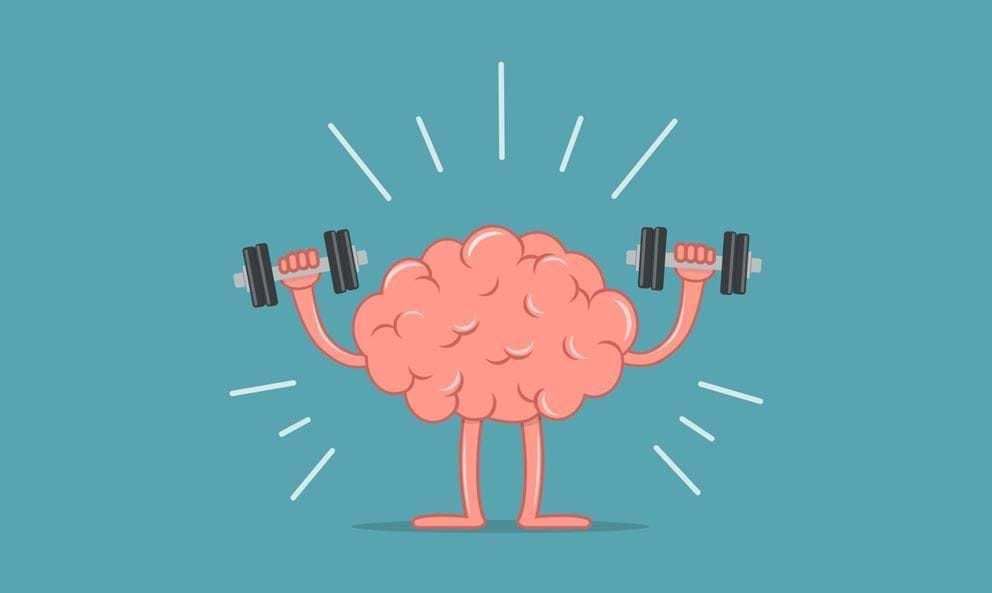
Before touching the bar, identify external stressors. If you are experiencing high anxiety or severe sleep deprivation, your central nervous system (CNS) is already taxed. Adjust your intended volume or intensity downward to avoid burnout or form collapse.
Use a simple 1-10 scale to rate your mood and focus. A score below 4 suggests a "maintenance day" where you prioritize movement and blood flow over hitting new personal records. This prevents the frustration of a bad session from spiraling into a negative mental loop.
Combine physical bracing with a mental anchor. Instead of just filling your abdomen with air, use a specific cue—like "stable and present"—to sync your breath with your intent. This anchors your focus on the immediate physical task, reducing intrusive thoughts during heavy lifts.
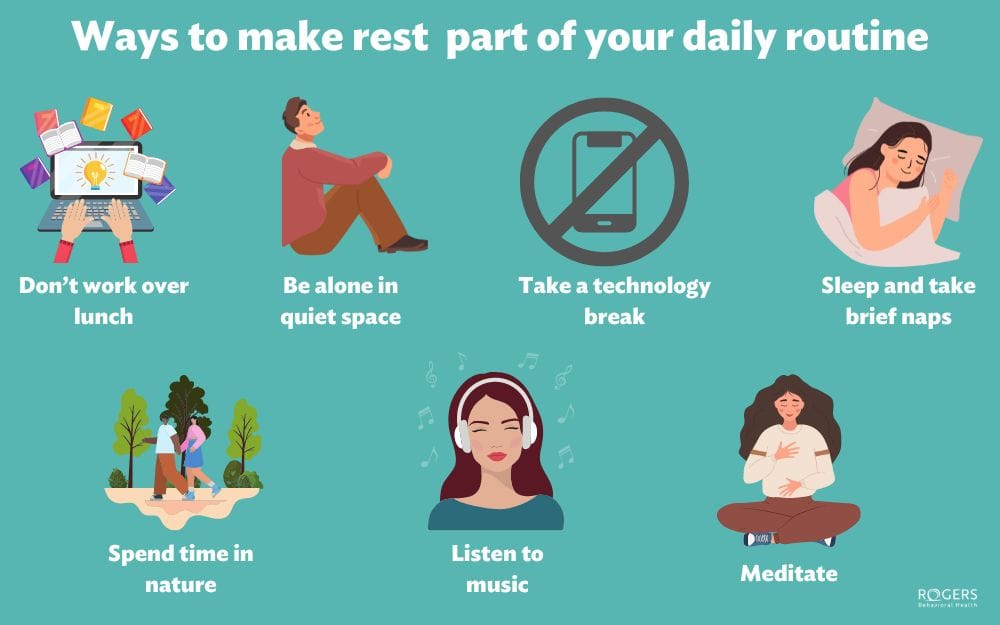
Use your rest periods for active psychological recovery. Avoid scrolling through high-stimulation feeds on your phone. Instead, focus on nasal breathing to signal to your nervous system that you are safe, which helps lower cortisol levels between sets.
Record how you felt during the session, not just the weight moved. Note if you felt disconnected or overly aggressive. This data helps you spot patterns between your mental health and your physical performance over time.
Avoid these mistakes
Training for weightlifting safety often focuses on joint angles and spinal alignment, but ignoring the psychological state of the lifter creates a hidden risk. When mental fatigue or emotional distress intersects with heavy loads, the risk of acute injury increases because the brain's ability to maintain proprioception and focus wavers.
One common error is the "push through" mentality. Attempting to hit a personal record while experiencing high levels of cortisol or burnout can lead to technical breakdown. This is not a lack of willpower, but a physiological limitation; stress impairs the neuromuscular coordination required to stabilize a heavy barbell.
Another mistake is neglecting the recovery gap. Many lifters prioritize physical rest—like sleep and nutrition—but ignore cognitive recovery. If you spend your rest days in a high-stress environment without mental decompression, your central nervous system remains taxed, making the next session more dangerous.
Common questions
Integrating psychological wellness into a lifting program requires a shift from focusing solely on physical failure to monitoring mental fatigue. These answers address the practical trade-offs of balancing heavy loads with mental health safety.
No comments yet. Be the first to share your thoughts!