

The shift to data-driven gear
Weightlifting gear used to be simple: leather belts, stiff shoes, and canvas wraps. Now, sensors are moving into the gym. We have belts that track spinal load and gloves that measure muscle firing. These tools help us lift with better form and avoid the kind of injuries that sideline a season.
The rise of these accessories reflects a broader trend toward data-driven training. What once relied on feel and coaching observation is now supplemented – and sometimes guided – by objective measurements. Initially, this technology was the exclusive domain of elite athletes with access to expensive lab equipment. But increasingly, these tools are becoming more affordable and accessible to serious hobbyists and dedicated strength training enthusiasts.
This democratization of advanced training data is a real game-changer. It allows lifters of all levels to gain insights into their technique, identify weaknesses, and track progress with a level of precision previously unimaginable. The focus now is on understanding how you lift, not just how much you lift. This is a move toward safer, more effective, and more personalized training.
Biometric belts for spinal load
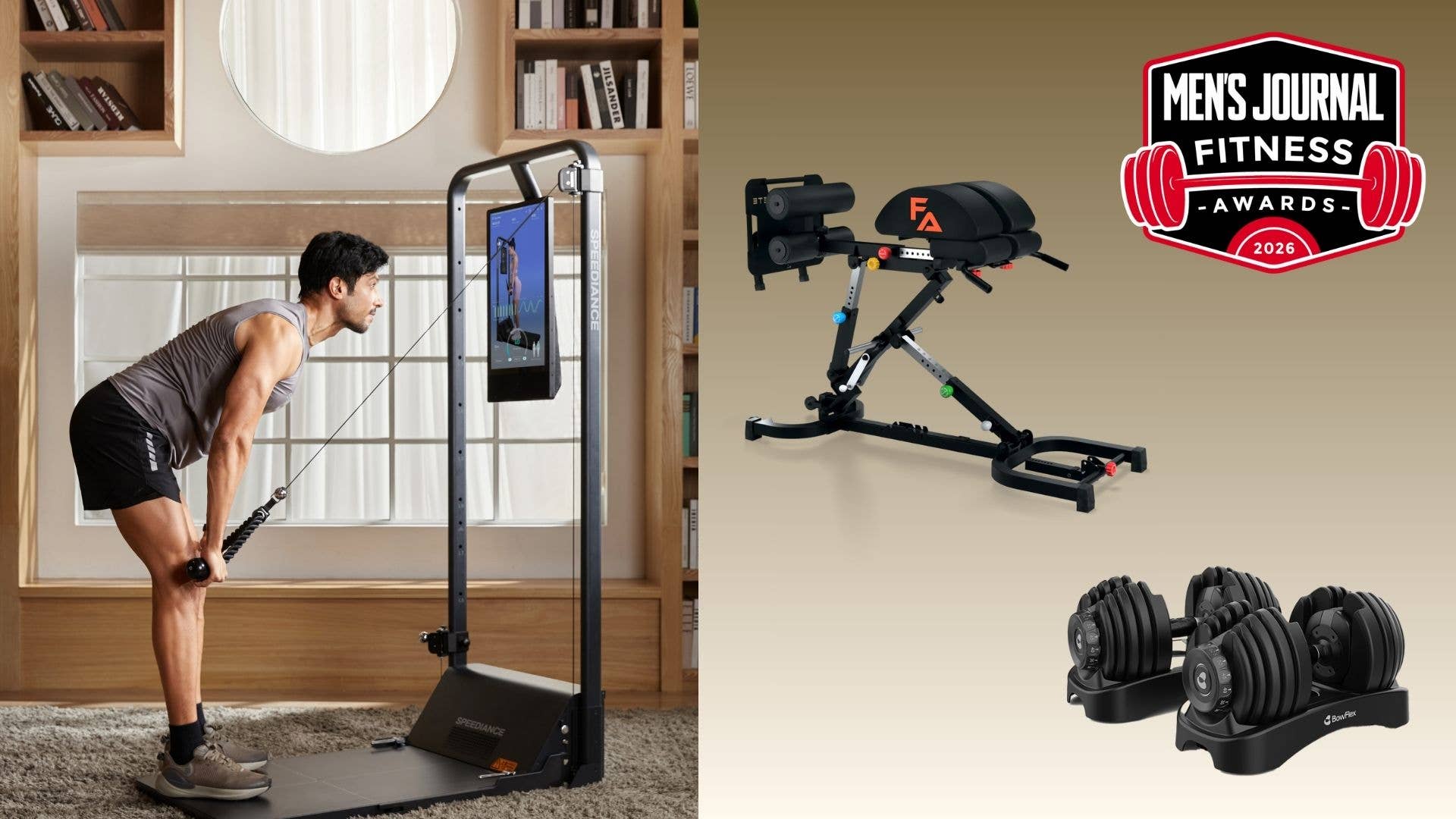
Biometric lifting belts represent one of the most impactful advancements in smart weightlifting accessories. Unlike traditional belts that simply provide support, these belts embed sensors that continuously monitor crucial biomechanical data during a lift. The sensors typically measure spinal load, core muscle engagement, and movement velocity, providing a detailed picture of what’s happening within your body.
The data collected isn't just numbers on a screen; it’s actionable information. By tracking spinal load, lifters can identify when they're approaching potentially dangerous levels of stress on their lower back, helping to prevent form breakdown and reduce the risk of injury. Monitoring core engagement provides feedback on whether the core muscles are properly stabilizing the spine, and movement velocity helps assess the speed and control of the lift. This is especially useful for complex movements.
WHOOP tracks recovery metrics that help you decide when to go heavy, while Volt Athletics builds biometric data directly into their apps. These belts aren't cheap, usually running between $200 and $500. You should also check the privacy settings on these apps, as they collect a lot of personal biomechanical data.
One of the biggest advantages of these belts is their ability to detect subtle shifts in form that a lifter might not even be aware of. This allows for real-time adjustments and prevents ingrained bad habits from developing. This can be particularly helpful for lifters who are returning from injury or are working with a coach remotely.
Neural feedback gloves for technical lifts
Neural feedback gloves are designed to refine lifting technique by providing real-time cues based on muscle activation patterns. These gloves typically utilize either haptic feedback – subtle vibrations – or EMG (electromyography) sensors that detect electrical activity in your muscles. The sensors analyze how and when your muscles are firing during a lift and provide feedback to help you optimize your movement.
These gloves are particularly beneficial for technical lifts like the snatch and clean & jerk, where precise muscle sequencing is critical. By providing feedback on muscle activation timing, the gloves can help lifters develop the proper motor patterns and improve their efficiency. The goal is to create a more intuitive understanding of how your body should move during these complex lifts.
The learning curve associated with these gloves can vary. Some systems are relatively intuitive, while others require significant training to interpret the feedback effectively. It's not simply a matter of putting on the gloves and instantly lifting better. Consistent practice and a willingness to learn are essential. Companies like StrongArm Technologies are developing gloves with this specific focus, targeting improved form and injury prevention.
At $300 to $800, these gloves are a heavy investment. Their value depends entirely on whether you have a coach who knows how to interpret the electrical activity data they produce. Without that expert eye, you're just wearing expensive vibrating mittens.
Smart Insoles & Force Plates: Ground Reaction Mastery
Understanding how you interact with the ground is fundamental to effective weightlifting. Smart insoles and portable force plates provide valuable data on ground reaction force, balance, and foot pressure distribution. These metrics reveal how your body is distributing weight during a lift, which can significantly impact stability and lifting efficiency.
This data can be used to improve squat depth, identify imbalances, and optimize foot placement. For example, if the force plate reveals that you’re consistently shifting your weight to one side during a squat, you can address this imbalance through targeted exercises. This is especially important for movements like the squat, deadlift, and Olympic lifts.
There's a considerable price difference between lab-grade force plates – costing several thousand dollars – and the more affordable, portable options now available. Brands like Kinected and ForceDecks offer portable force plates that are more accessible to individual lifters and smaller gyms. Smart insoles, such as those from Upstep, offer a more subtle way to gather data during regular training.
While force plates are incredibly valuable for coaching and detailed analysis, their practicality for everyday training is debatable. They require a dedicated space and a degree of technical expertise to interpret the data effectively. However, the insights they provide can be transformative for serious lifters and coaches.
Wearable Muscle Oxygen Sensors: Pushing Limits Safely
Muscle oxygen sensors, like those produced by Moxy, represent a cutting-edge approach to monitoring fatigue and recovery during weightlifting. These sensors use near-infrared spectroscopy to measure muscle oxygen saturation – the percentage of oxygen being delivered to your muscles. This provides a real-time indication of how hard your muscles are working and how close they are to fatigue.
The data from these sensors can be used to optimize training volume and intensity. By monitoring muscle oxygen levels, you can identify when you're approaching your anaerobic threshold and adjust your training accordingly. This can help prevent overtraining and maximize your gains. It also provides insight into recovery – how quickly your muscles are re-oxygenating between sets.
It’s crucial to emphasize that muscle oxygen sensors aren’t a replacement for listening to your body. They provide objective data, but you should always prioritize your own subjective feelings of fatigue and soreness. These sensors are best used as a complement to traditional training methods, not as a sole source of guidance. The cost for a Moxy sensor is around $300-$400.
Interpreting the data requires some understanding of exercise physiology, but many resources are available online to help you learn how to use these sensors effectively. They can be particularly useful for athletes who are pushing their limits and need to carefully manage their training load.
Accessories Worth a Closer Look (2026)
While biometric belts, neural feedback gloves, and force plates represent the leading edge of smart weightlifting technology, several other accessories are worth considering. Smart wrist wraps, like those integrating pressure sensors, can provide data on grip strength and stability. Recovery tools with built-in sensors, such as massage guns that track muscle activation, can help optimize post-workout recovery.
Specialized grips with force sensors can offer detailed insights into hand and forearm strength during exercises like deadlifts and pull-ups. These accessories might not be essential for every lifter, but they represent a growing trend toward data-driven optimization. They offer a more granular level of feedback and can be particularly valuable for athletes who are focused on maximizing their performance.
Another interesting development is the use of augmented reality (AR) glasses to provide real-time feedback on form. While still in its early stages, AR technology has the potential to revolutionize weightlifting coaching by providing visual cues and guidance directly in your field of vision.
What is coming next
The future of smart weightlifting accessories is likely to be characterized by further advancements in sensor technology, data analysis, and feedback mechanisms. We can expect to see sensors become smaller, more accurate, and more affordable. Data analysis algorithms will become more sophisticated, providing even more personalized insights.
Virtual reality (VR) and augmented reality (AR) are likely to play an increasingly important role in training. VR could be used to create immersive training environments, while AR could provide real-time feedback on form and technique. It’s also likely that we’ll see a greater emphasis on personalized training plans based on individual biomechanics and physiological data.
Over time, these accessories will become more affordable and accessible, making them available to a wider range of lifters. The integration of AI and machine learning will also play a key role in automating the analysis of training data and providing personalized coaching recommendations. The goal is to create a truly intelligent training system that adapts to your individual needs and helps you achieve your full potential.
No comments yet. Be the first to share your thoughts!