

Beyond the Barbell: Why Accessories Matter for Serious Lifting
There’s a clear line between someone who goes to the gym occasionally and someone who lives to lift. The casual lifter might be happy with a barbell and a bench, but a dedicated weightlifter understands that marginal gains come from meticulous attention to detail – and that includes the right gear. Weightlifting accessories aren’t just "nice to haves’; they"re tools that can unlock plateaus, prevent injury, and refine your technique.
I've seen too many lifters stall out because they refused to consider anything beyond the iron. They think it's about sheer willpower, but it’s about working with your body, not against it. Accessories can provide the support and stability you need to push your limits safely and effectively. Research consistently shows that using supportive equipment, like belts and wraps, can significantly lower injury rates among weightlifters.
It's easy to fall into the trap of thinking accessories are for those who aren’t strong enough, a way to mask weaknesses. That’s simply not true. Consider a Formula 1 driver – they don’t dismiss the importance of a well-engineered car and safety gear. They understand it's about optimizing performance, and that's exactly what the right accessories do for a weightlifter. They’re about longevity in the sport, too – staying healthy enough to keep lifting for years to come.
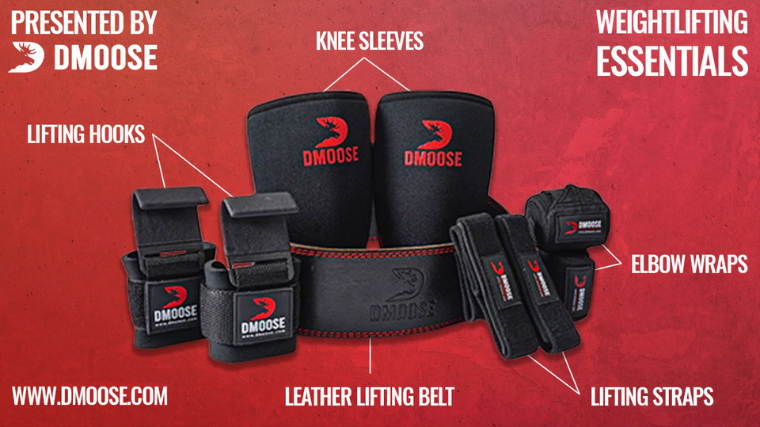
The Foundation: Weightlifting Belts for Core Stability
A weightlifting belt is arguably the most important accessory a serious lifter can own. It doesn’t make you stronger, but it drastically improves your ability to transfer force by increasing intra-abdominal pressure. Think of it like bracing for a punch – you tighten your core to protect your spine. A belt provides something to brace against, allowing you to lift heavier with better form.
Belts come in a variety of materials, widths, and closure types. Leather belts are durable and mold to your body over time, offering a secure fit. Nylon belts are more affordable and often feature quick-release buckles. Widths typically range from 4-6 inches; wider belts offer more support, but can restrict movement. Closure types include lever and prong – levers are faster to adjust, while prongs are generally more secure. Rogue Fitness makes a solid 10mm leather belt that I've used for years.
There's a lot of debate about when to use a belt. The key is to use it for maximal effort lifts – squats, deadlifts, overhead presses – where you're pushing your limits. Don’t use it for warm-up sets or isolation exercises like bicep curls. It’s also a common misconception that a belt is a "crutch.’ It’s a tool, and like any tool, it should be used appropriately. Proper sizing is crucial. Too loose, and it won’t provide support; too tight, and it can restrict breathing. Measure your waist at your navel and consult the manufacturer"s sizing chart.
Protecting the Joints: Knee Sleeves and Wrist Wraps
Knee sleeves and wrist wraps are all about joint support and injury prevention. Knee sleeves provide warmth, compression, and proprioception – your body’s awareness of its position in space. This can be incredibly beneficial during heavy squats and lunges, helping to stabilize the joint and reduce the risk of strain. They're not a substitute for strong supporting muscles, but they can provide an extra layer of protection.
Knee sleeves come in different levels of support, typically measured in millimeters (5mm vs. 7mm). 5mm sleeves offer a good balance of support and flexibility, while 7mm sleeves provide more substantial support. Wrist wraps serve a similar purpose for the wrists during pressing movements. They stabilize the joint and prevent excessive extension, which can lead to pain and injury. SBD wrist wraps are a popular choice among powerlifters.
You’ll find wrist wraps in both elastic and powerlifting styles. Elastic wraps are easier to use and provide moderate support. Powerlifting-style wraps are longer and require more technique to apply, offering a higher degree of support. Remember, these accessories are supplemental. They don't fix poor form, but they can help mitigate the risk of injury when combined with proper technique and progressive overload.
- Knee Sleeve Checklist:
- * Proper Fit: Snug but not constricting.
- * Material: Neoprene is common.
- * Thickness: 5mm or 7mm depending on support needs.
- Wrist Wrap Checklist:
- * Length: Sufficient to wrap around the wrist multiple times.
- * Material: Elastic or Powerlifting style.
- * Adjustability: Secure Velcro closure.
Grip Strength is King: Why You Need Lifting Straps
Grip strength is often the limiting factor in many lifts, particularly deadlifts and heavy rows. Your back and legs might be able to handle the weight, but your hands give out before you can complete the rep. That’s where lifting straps come in. They assist your grip, allowing you to hold onto the weight and continue the movement.
There are two main types of lifting straps: cotton and nylon. Cotton straps are more affordable and offer a good grip, but they can absorb sweat and become slippery. Nylon straps are more durable and provide a more secure grip, even when wet. You’ll also find looped and figure-8 straps. Figure-8 straps offer a more secure grip but can be more difficult to use.
I used to be staunchly against using straps. I thought it was a sign of weakness. But I realized that if my grip was failing before my target muscles were fatigued, I wasn't maximizing my workout. Straps aren't about simply hanging on; they’re about maintaining proper form and completing the lift. It’s important to balance their use with grip training – don’t become completely reliant on them. Incorporate exercises like farmer's walks and dead hangs to strengthen your grip independently.
The Unsung Hero: Lifting Shoes for Stability and Power
Most people underestimate the importance of a solid base when lifting. That's where lifting shoes come in. Unlike running shoes, which are designed for cushioning and flexibility, lifting shoes have a hard, flat sole and a raised heel. These features improve squat depth, stability, and power transfer. It’s a game changer.
The hard, flat sole provides a stable platform for your feet, preventing them from compressing under heavy loads. The raised heel helps to improve ankle mobility and allows you to maintain a more upright posture during squats. There are two main types of lifting shoes: weightlifting shoes and cross-training shoes. Weightlifting shoes have a more pronounced heel and are designed specifically for Olympic weightlifting. Cross-training shoes offer a more versatile option for general gym use.
Switching to lifting shoes was one of the best investments I ever made in my training. I immediately noticed an improvement in my squat depth and stability. I was able to lift heavier with better form and felt more confident in my movements. Adidas Adipower weightlifting shoes are a great option, but there are many other quality brands available. Don't skimp on this – a good pair of lifting shoes is worth its weight in gold.
- Amazon Products:
- * Rogue Fitness Weightlifting Belt
- * SBD Wrist Wraps
- * Adidas Adipower Weightlifting Shoes
Top 5 Essential Weightlifting Accessories for Pro Lifters in 2024
Securely lock weight plates onto the barbell · Durable construction for heavy use · Easy to attach and remove
These collars provide reliable security for Olympic barbells, essential for preventing accidents during heavy lifts.
Provides substantial core support · Made from durable genuine leather · Adjustable for a custom fit
A robust belt like this is critical for maintaining intra-abdominal pressure and supporting the spine during maximal effort lifts.
Offer compression and warmth to the knee joint · Improve blood flow and reduce injury risk · Provide stability during squats and other leg movements
These sleeves are designed to enhance knee stability and reduce the risk of injury, crucial for high-volume or heavy squatting.
Offer strong wrist support and stability · Made with durable materials for longevity · Adjustable for desired tension
Professional lifters rely on these wraps to maintain wrist integrity and prevent hyperextension during pressing movements.
Enhance grip strength for pulling exercises · Reduce forearm fatigue · Durable nylon construction
These straps allow lifters to focus on their back and biceps by alleviating grip limitations during heavy deadlifts and rows.
As an Amazon Associate I earn from qualifying purchases. Prices may vary.
Beyond the Basics: Compression Gear and Recovery
While belts, sleeves, and shoes form the core of your accessory arsenal, compression gear can offer additional benefits. Knee sleeves, again, can provide compression to aid in recovery and reduce swelling. Compression shirts and pants can improve blood flow and reduce muscle soreness, helping you recover faster between workouts. It's not a magic bullet, but it's a valuable tool for optimizing recovery.
For those with sensitive skin or recovering from injury, weight gloves can provide a comfortable and protective layer. Resistance bands are incredibly versatile – they can be used for warm-ups, mobility work, and accessory exercises. They offer a different type of resistance than free weights, challenging your muscles in new ways. I keep a set in my gym bag at all times.
Don’t underestimate the power of proper training clothing. Moisture-wicking shirts and comfortable pants can make a big difference in your comfort and performance. Socks are important too – choose socks that provide good support and prevent blisters. Recovery isn't just about what you do in the gym; it's about everything you do around your training.
Finding What Works for *You*: A Personalized Approach
Ultimately, the best weightlifting accessories are the ones that work best for you. There’s no one-size-fits-all solution. Experiment with different brands, styles, and materials to find what feels most comfortable and supportive. Pay attention to how different accessories affect your performance and recovery.
Remember that accessories are meant to supplement proper form and technique, not replace them. Focus on mastering the fundamentals before you start adding gear. Start with the essentials – a belt, knee sleeves, and lifting shoes – and then gradually add other accessories as needed. Don’t feel pressured to buy everything at once.
Budget is also a consideration. You don't need to spend a fortune to get quality gear. There are plenty of affordable options available. The most important thing is to prioritize safety and performance. What are your go-to accessories? Share your favorites in the comments below – I’m always looking for new recommendations.
- Community Poll:
- What's the one weightlifting accessory you can't live without?
- * Weightlifting Belt
- * Knee Sleeves
- * Wrist Wraps
- * Lifting Straps
- * Lifting Shoes
What's the one weightlifting accessory you couldn't live without?
As we explore the essential weightlifting accessories for 2024, we want to hear from you! Based on your training experience, which of these crucial items do you find most indispensable for your lifts and overall safety?
No comments yet. Be the first to share your thoughts!