

Staying in the Club Lifted Budget
The "club lifted" threshold refers to the weight range most recreational lifters aim for or recognize as a solid foundation of strength. For many, this means hitting specific milestones—like a 405-pound total or a 225-pound bench press—rather than chasing elite powerlifting numbers. Understanding where you fall in this spectrum helps you allocate your budget toward gear that supports your current capabilities without overspending on pro-level durability you don't need yet.
When shopping for smart accessories, prioritize items that bridge the gap between beginner safety and advanced performance. You don't need the heaviest-duty Olympic bars or commercial-grade racks if you're staying in the 1k club range. Instead, look for mid-tier smart scales, durable lifting straps, and adjustable dumbbells that offer precision without the premium price tag.
Consider the tradeoff between age and equipment longevity. If you're an older lifter recovering from injury, investing in higher-quality joint-friendly accessories like padded knee sleeves or ergonomic grips may save you money in the long run by preventing setbacks. Conversely, younger lifters might prioritize versatility, choosing adjustable gear that grows with them as they push past initial milestones.
Finally, remember that "lift" in the gym context simply means moving weight against gravity, whether it's a single rep or a full set. Your smart accessories should enhance this fundamental movement, not complicate it. Stick to tools that simplify your routine, track your progress accurately, and fit comfortably within a realistic monthly spend.
Shortlist real options
Finding the right gear for a "Club Lifted" style workout means prioritizing durability and versatility over flashy aesthetics. Whether you are replicating the heavy compound movements seen in F45 Lift Club or building a home setup inspired by the CLT Lifting Club, the equipment list remains consistent. You need tools that handle high tension and support full-body functional training.
The following table compares the essential categories of equipment for this training style. These selections focus on the core items required for squats, deadlifts, and cable work, which form the backbone of any serious lifting community routine.
Why These Items Matter
A standard Olympic barbell is non-negotiable for heavy lifts. Look for 20kg men’s bars with proper knurling for grip. Bumper plates allow you to drop weights safely during cleans or snatches, protecting your floor and equipment. For those replicating the cable work mentioned in F45 Lift Club descriptions, a cable crossover machine or a sturdy power rack with attachment points is essential for glute kickbacks and face pulls.
If space is limited, adjustable dumbbells offer the best trade-off. They replace an entire rack of fixed weights, allowing for the varied accessory work seen in community gym settings. However, for true strength gains, nothing replaces the stability of a fixed barbell setup in a power rack.
Checking Quality
When shopping on Amazon, verify the steel thickness of racks and the rubber density of plates. Cheap plates often crack or smell excessively. For bars, check the tensile strength rating; 150k-190k PSI is standard for serious lifting. Avoid "combo" sets that include low-quality bars; buy the bar and plates separately for better longevity.


As an Amazon Associate, we may earn from qualifying purchases.
Inspect the expensive parts
Smart accessories are a significant investment, and their value depends entirely on their mechanical integrity. Unlike standard rubber mats or dumbbells, these devices contain sensors, batteries, and moving parts that wear out under heavy load. A systematic inspection prevents costly replacements and ensures your data remains accurate.
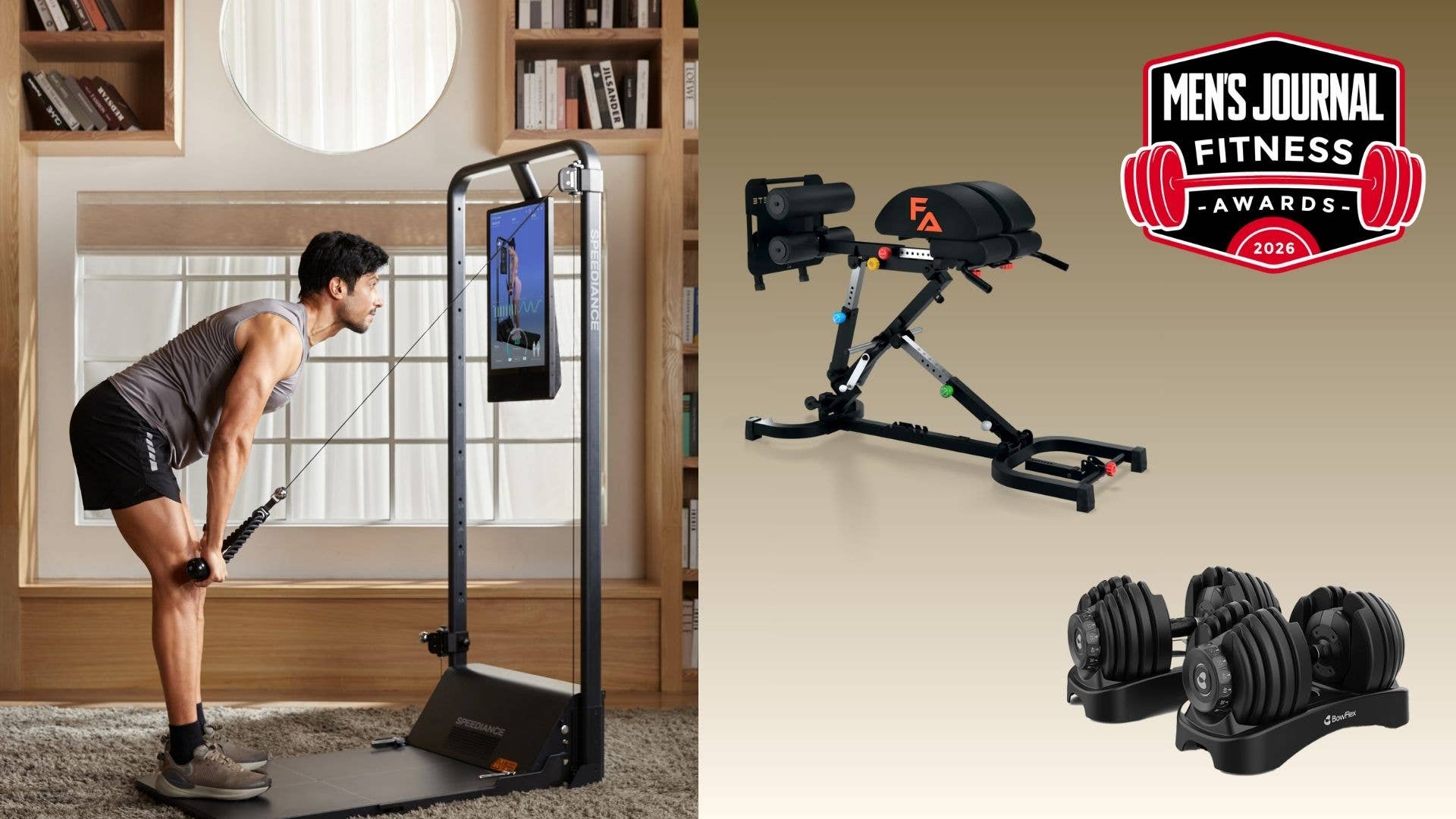
Look for drift in heart rate monitors or bar speed sensors. If a device reports inconsistent numbers during a static hold, the internal calibration may have shifted. Recalibrate according to the manufacturer’s app before assuming the hardware is broken.
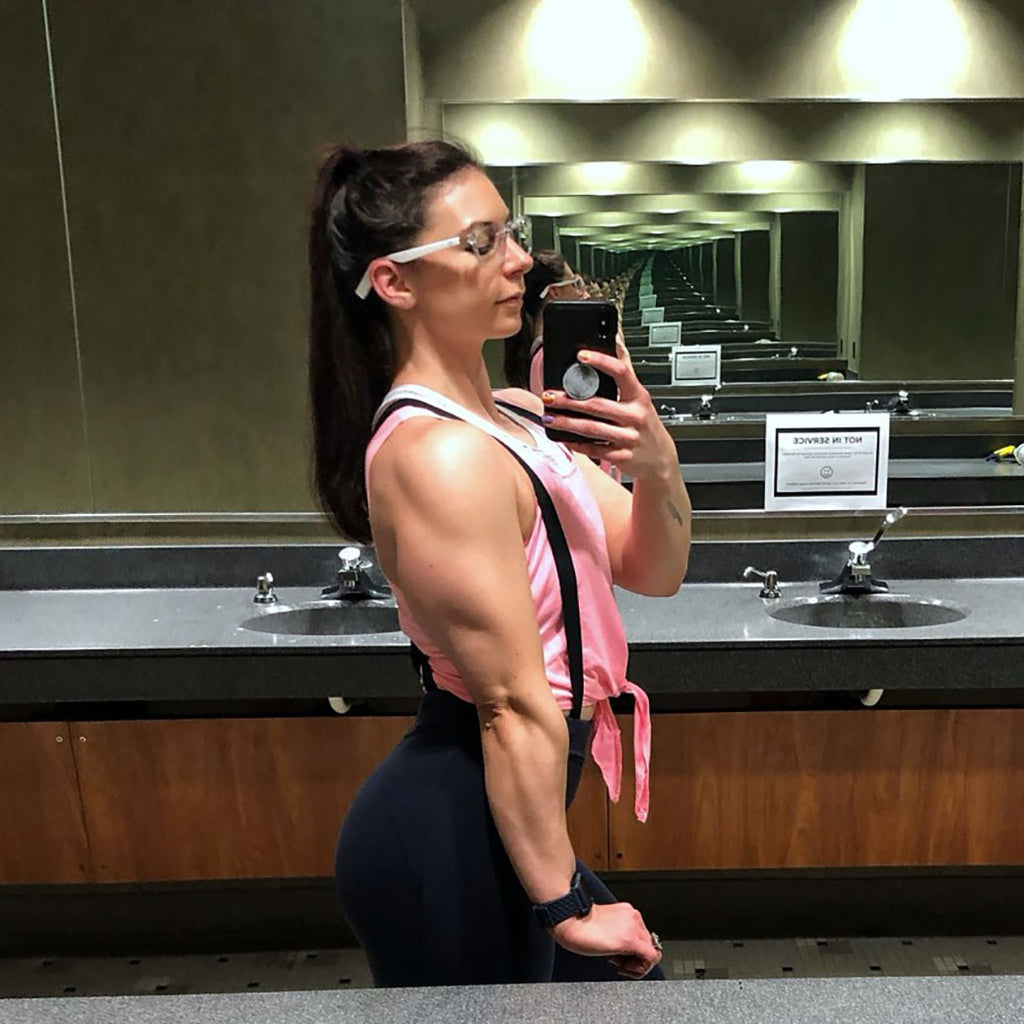
Sweat is the enemy of electronics. Check the charging ports for corrosion or debris. Ensure rubber seals are intact and not cracked. A compromised seal allows moisture into the circuit board, leading to short circuits that void warranties.
For smart belts or straps, examine the stitching and buckle mechanisms. Heavy lifts put torque on these points. Look for fraying fabric or loose screws. A failure here doesn’t just ruin the device; it compromises your safety during a lift.
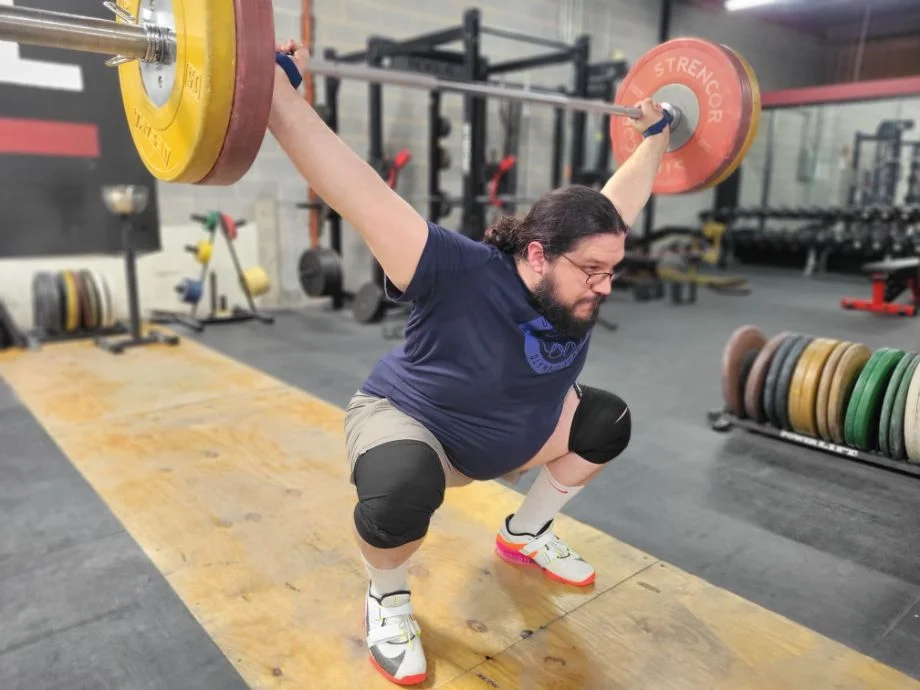
Pair the device with your phone or gym computer. Check for lag or dropouts. Firmware updates often fix sensor noise. If the connection is unstable, the data you collect during training will be unreliable, regardless of the hardware quality.
AmazonProductGrid

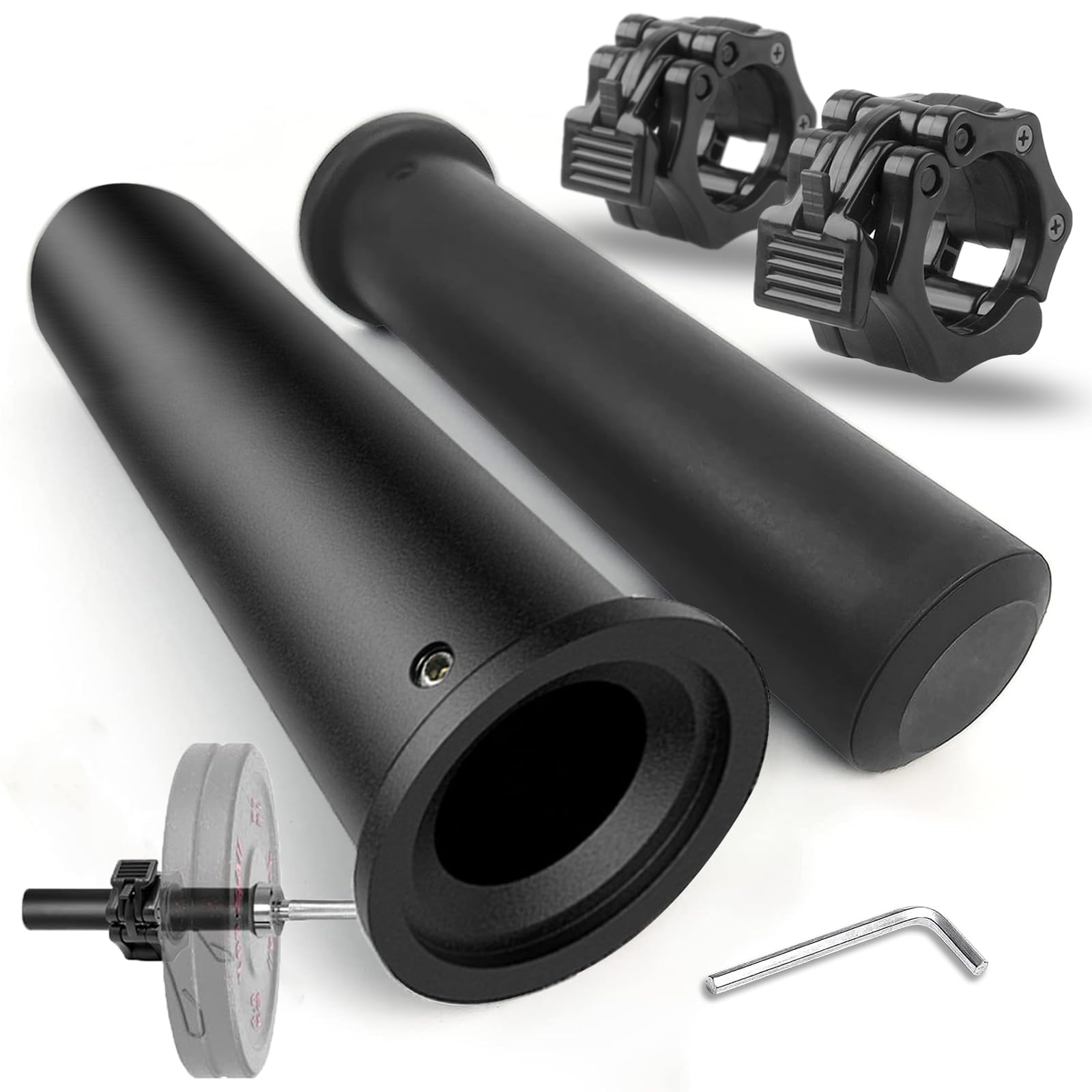


Plan for ownership costs
The initial price tag is rarely the final cost of ownership. For pro weightlifters, equipment failure is a safety hazard and a budget drain. Cheap gear often looks like a bargain until you factor in the cost of replacement parts, specialized maintenance, and the downtime that keeps you off the platform.
The hidden costs of budget gear
When you buy a $200 barbell, you are often buying a tube with sleeves that spin. Over time, the knurling wears smooth, the sleeves bind, and the center knurling digs in uncomfortably. You cannot fix a bad core or poor steel temper. Eventually, you must replace the entire bar. In contrast, a $1,000+ barbell from a reputable manufacturer often comes with a lifetime warranty that covers sleeve rotation and knurling wear. The "cheap" bar costs you more per lift because you replace it every two years.
Maintenance: The annual checkup
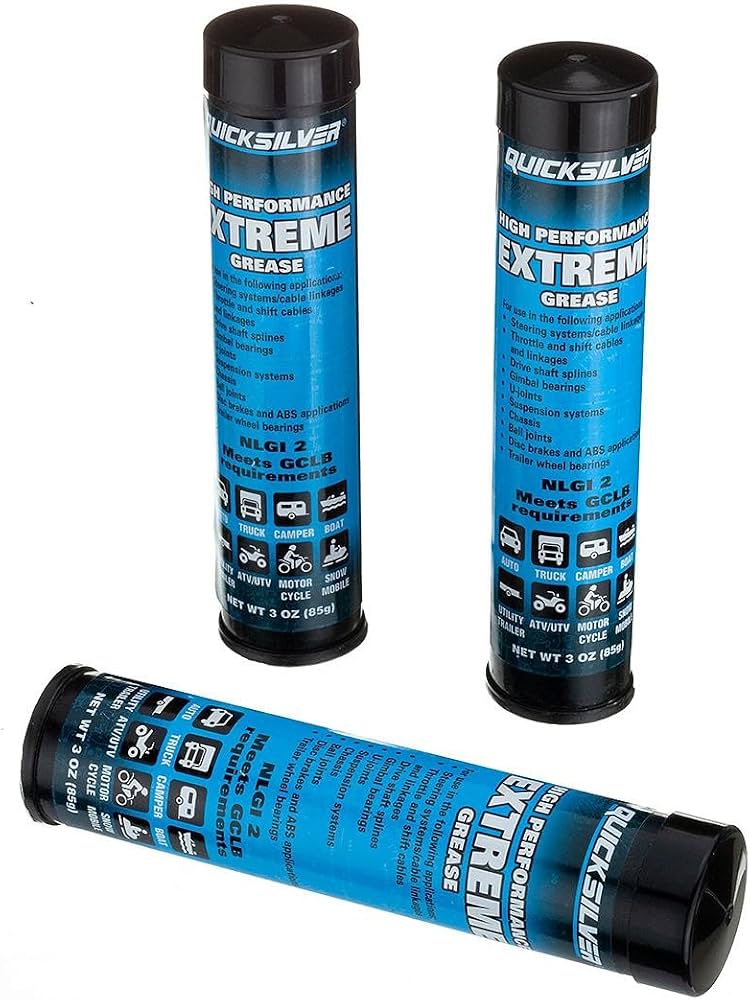
Owning heavy equipment requires a routine. Bumper plates need to be cleaned to prevent rubber dust from grinding into your joints. J-cups and collars should be inspected for cracks or deformation. Lubricating barbell sleeves is a five-minute task that extends the life of the bearings or needle rollers by years. If you ignore this, the sleeves seize. A seized sleeve forces you to jerk the bar, which can lead to injury or bent sleeves. This is not just maintenance; it is injury prevention.
When to invest
If you train more than three times a week, the math shifts. You are amortizing the cost over hundreds of lifts. A high-quality platform, bumper set, and competition bar spread that cost over five years. For the occasional lifter, renting or using gym gear makes sense. But for the pro aiming for personal records, the durability of premium gear is the only way to ensure consistency. Don't let a $50 collar fail when you're under 200kg.


As an Amazon Associate, we may earn from qualifying purchases.
Club lifted: what to check next
Before committing to new gear or memberships, it helps to clear up the common confusion around "lift clubs" and what they actually offer. These terms often appear in search results, but they refer to very different things: from specific gym brands to general fitness concepts. Here are the answers to the questions we get most often.
No comments yet. Be the first to share your thoughts!