

Weightlifting budget
Setting a realistic budget for weightlifting equipment depends on whether you are building a home gym or upgrading a commercial space. Prices vary wildly based on material quality, brand reputation, and whether you buy new or used. The goal is to match your spending to your current training level and long-term goals.
Core Equipment Essentials
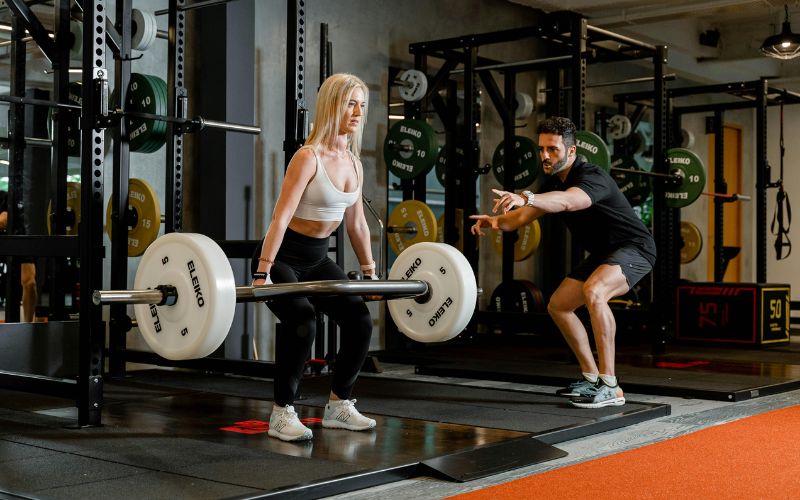
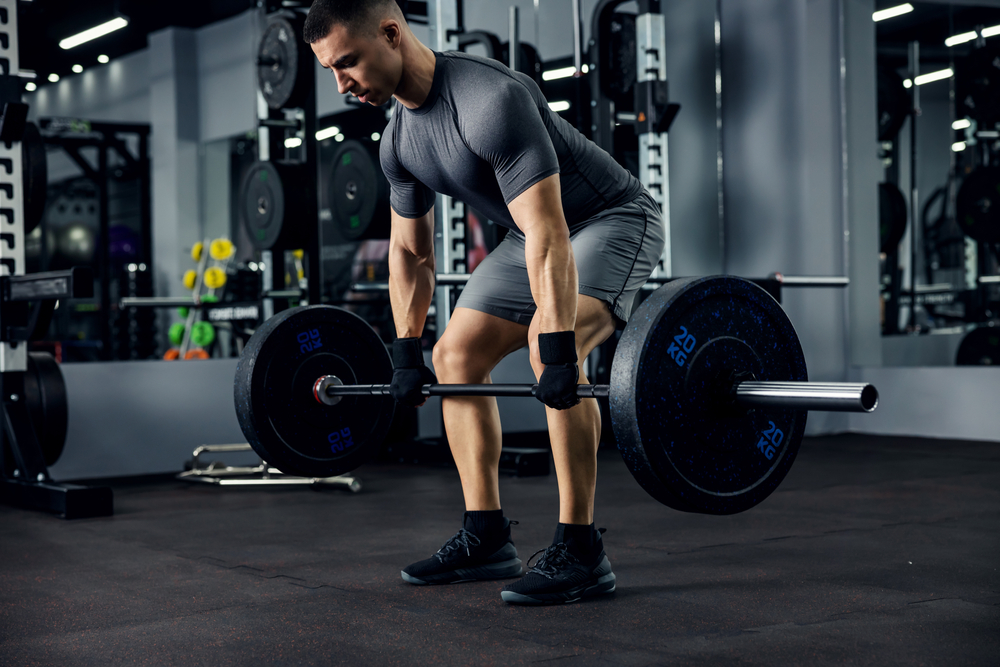
For most lifters, the foundation is a barbell, plates, and a rack. A standard Olympic barbell ranges from $150 for entry-level models to over $300 for competition-grade steel. Plates can be bought as cast iron bundles for under $100 or as bumper plates for cross-training, which cost significantly more. A power rack is the most critical safety investment; a solid steel rack starts around $200. Avoid cheap, wobbly racks that compromise safety during heavy lifts.
Accessories and Upgrades
Once the basics are covered, consider accessories that improve efficiency and safety. Weightlifting platforms protect your floor and provide stable footing, costing $200–$500. Belts and wrist wraps are personal protective gear that can range from $20 to $100. While these are not strictly necessary for beginners, they become valuable as you increase load. Prioritize durable items that last for years rather than cheap replacements.
Where to Buy
Online retailers offer the widest selection and competitive pricing for heavy items like barbells and plates. Local gyms sometimes sell used equipment, which can be a great way to save money, but inspect items carefully for wear. Always check return policies for heavy goods, as shipping costs can be significant. Reading reviews from other lifters helps identify which brands offer the best value for your specific needs.


As an Amazon Associate, we may earn from qualifying purchases.
Shortlist real options
Choosing the right weightlifting guide is less about finding a single "best" program and more about matching a methodology to your current strength level and recovery capacity. The market is saturated with generic advice, but a few structured resources stand out for their clarity, safety protocols, and progressive overload principles. Whether you are a beginner needing foundational form cues or an intermediate lifter looking for periodization, these options provide the structural integrity needed to lift safely in 2026.
WeightTraining.guide
This resource serves as a comprehensive encyclopedia for the novice and intermediate lifter. It breaks down muscle anatomy and exercise mechanics in plain language, making it ideal for those who need to understand the "why" behind the movement. The site focuses heavily on proper form and breathing techniques, which are critical for injury prevention. It is not a ready-made workout plan but rather a reference library that helps you build your own understanding of weight training. This approach empowers you to customize routines based on the foundational principles outlined in their articles.
Mayo Clinic’s Weight Training Guide
For those prioritizing safety and medical accuracy, the Mayo Clinic’s guide offers a conservative, evidence-based approach. It emphasizes starting with lighter weights (12-15 reps) and mastering form before increasing intensity. This is the gold standard for older adults or individuals returning to fitness after a long break. The guide avoids aggressive hypertrophy or powerlifting protocols, focusing instead on sustainable habit formation and joint health. It is less about maximizing strength and more about integrating weight training into a healthy lifestyle without overtraining risks.
Muscle & Strength Workout Database
If you need a ready-to-follow plan, this database provides over 1,000 free workout routines categorized by goal and experience level. It is particularly useful for lifters who want variety and don’t want to spend time designing their own splits. The routines are structured with clear sets, reps, and rest periods. While it lacks the deep anatomical explanations of other guides, it excels in accessibility and variety. You can filter by equipment availability, making it easy to find routines that fit your home gym or commercial gym setup.
Reddit Fitness Beginner Guide
This community-curated guide is a practical synthesis of what actually works for beginners, stripped of gym bro science. It focuses on consistency, progressive overload, and the psychological aspects of sticking to a program. The advice is grounded in real-world user experiences and common pitfalls. It is less formal than academic resources but highly actionable. For lifters who learn best from peer feedback and relatable anecdotes, this guide offers a supportive framework that emphasizes long-term adherence over quick fixes.
| Resource | Primary Focus | Best For | Structure |
|---|
Inspect the expensive parts
The Weightlifting works best as a clear sequence: define the constraint, compare the realistic options, test the tradeoff, and choose the path with the fewest hidden costs. That order keeps the advice usable instead of decorative. After each step, pause long enough to check whether the recommendation still fits the reader's actual situation. If it depends on perfect timing, unusual access, or a best-case budget, include a simpler fallback.

Plan for ownership costs
Buying a barbell or rack is just the entry fee. The real cost of ownership comes from maintenance, replacement parts, and the hidden expenses of buying cheap gear that fails under pressure. Pro lifters know that a $150 barbell that snaps after six months costs more than a $300 barbell that lasts a decade. Cheap equipment often uses inferior steel, loose bushings, or poor knurling that wears out quickly, forcing you to buy replacements sooner.
Regular maintenance prevents small issues from becoming expensive repairs. Wipe down your barbell after every session to remove sweat and moisture, which cause rust. Lubricate the sleeves of your barbell and the bearings or bushings of your racks periodically. Check bolts on power racks and squat stands for tightness; vibration from heavy lifts loosens them over time. This takes less than ten minutes but extends the life of your gear by years.
When a cheap buy stops being cheap, you usually notice it in performance or safety. A bar with excessive whip or poor spin will slow down your lifts and increase injury risk. A rack with wobbly uprights is dangerous under heavy loads. Invest in quality core equipment—barbells, plates, and racks—and save on accessories. You can upgrade accessories later, but replacing a foundational piece of equipment is costly and disruptive.


As an Amazon Associate, we may earn from qualifying purchases.
Maintenance surprises
Many lifters don’t realize how much routine upkeep their gear requires. Barbells need cleaning and lubrication to maintain smooth sleeve rotation. Racks need bolt checks and powder-coat touch-ups to prevent rust. Plates need inspection for cracks or warping. Ignoring these tasks leads to premature failure and costly replacements.
Start with a simple cleaning routine. Use a dry cloth to wipe down your barbell after each use. For deeper cleaning, use a mild soap solution and a soft brush, then dry thoroughly. Apply a light coat of barbell oil or silicone spray to the sleeves every few months. This keeps the bearings or bushings moving freely and prevents corrosion.
Inspect your equipment monthly. Check for signs of wear on the barbell knurling, rust on the sleeves, or loose bolts on the rack. Tighten any loose hardware immediately. If you notice significant wear or damage, replace the affected part rather than risking an accident. Small investments in maintenance save large sums in replacements.
No comments yet. Be the first to share your thoughts!