
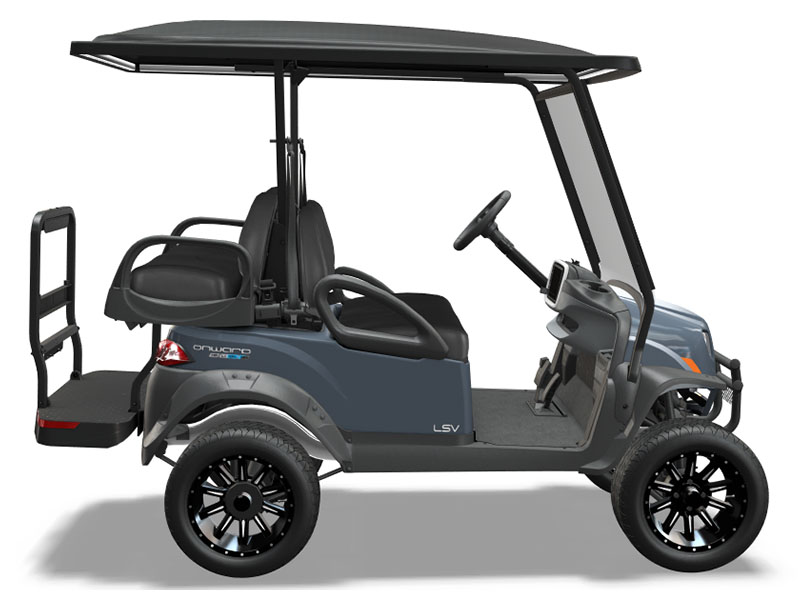

Why lift a Club Car?
Lifting a Club Car is one of the most common modifications owners make to increase ground clearance and accommodate larger tires. While the aggressive stance adds visual appeal, the functional benefits—such as improved suspension travel and traction on uneven terrain—are the primary drivers for this upgrade.
Stock Club Cars sit low to the ground, making them prone to scraping on speed bumps, curbs, or rough paths. A lift kit raises the chassis, allowing you to fit tires that provide better clearance and durability. Additionally, lifting can improve ride comfort by giving the suspension more room to compress and rebound, which is particularly noticeable on older models with worn components.
When searching for "Club Lifted," most users are looking for a Club Car lift kit. It is critical to identify your specific model—DS, Precedent, or Onward—because lift kits are not universally interchangeable due to differences in suspension geometry.
Top lift kits for Club Car DS
The legacy Club Car DS remains a popular platform for customization due to decades of aftermarket support. You can choose from simple body spacers to full long-travel suspension upgrades, depending on your tire size and clearance needs.
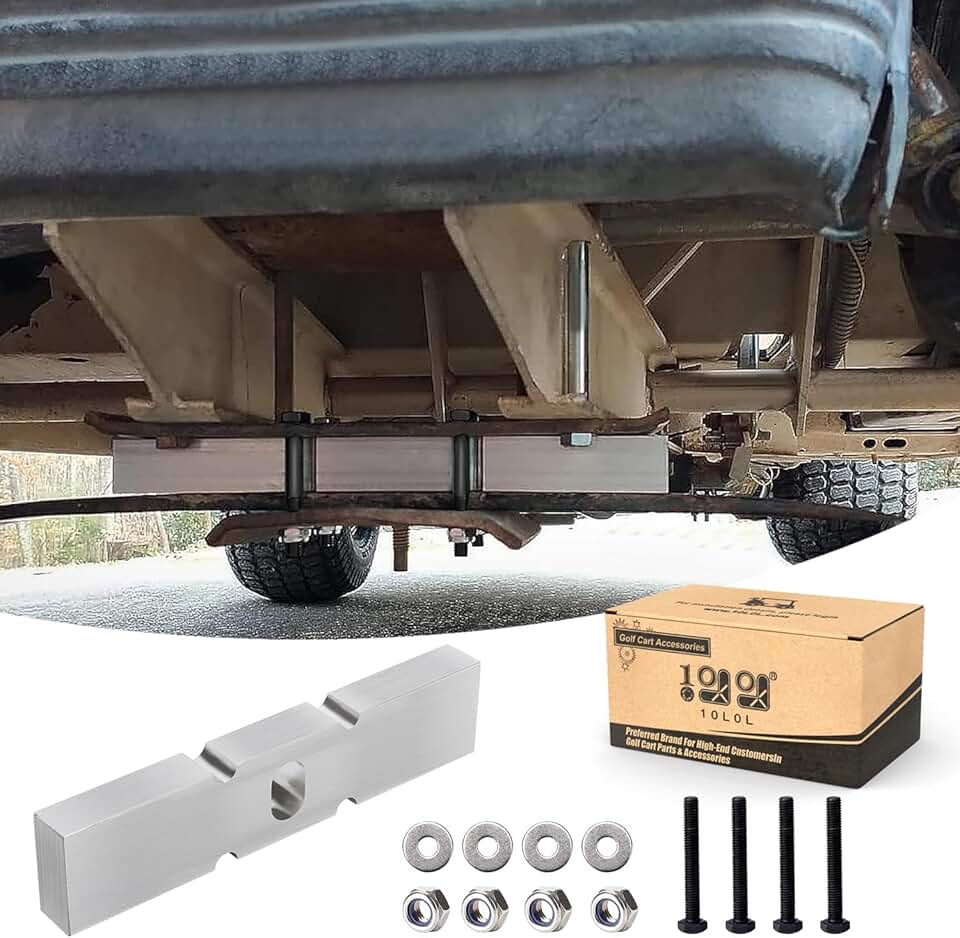
For basic clearance, a 2-inch to 3-inch body lift is often sufficient. These kits raise the body off the frame without altering suspension geometry, making them ideal for fitting slightly larger tires (26-28 inches) while maintaining a factory-like ride. This is also the most affordable route, typically costing under $200 for parts alone.
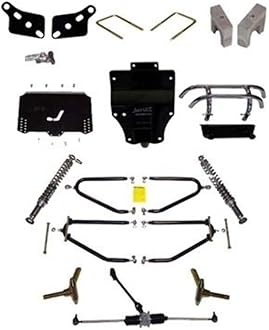
If you are running 30-inch tires or larger, a suspension lift is necessary. A 4-inch to 6-inch lift kit replaces stock springs and shocks with longer, more robust components. This increases suspension travel, helping absorb bumps on rough terrain. Be aware that lifting the suspension changes the center of gravity, so you must ensure steering components and track bars are adjusted to prevent wandering at higher speeds.
Always check fitment specifications before buying. Lift kits for the DS model are generally not compatible with newer Precedent or Onward models without significant modification. Verify that your specific DS model (gas, electric, or LSV) matches the kit requirements, as some kits require additional hardware for brake lines or gas tank straps.

As an Amazon Associate, we may earn from qualifying purchases.
Lift Options for Precedent and Onward
The Precedent and Onward models require a different approach to lifting than the DS. While the DS uses a simple leaf-spring setup, the Precedent and Onward utilize a torsion-arm suspension. This design relies on precise control arm geometry to keep tires planted and steering predictable. Swapping these components requires kits specifically engineered for this geometry rather than generic spacers.
Installing a lift on these newer models is more complex. You will typically need to replace the torsion arms or use specialized drop brackets to maintain the correct suspension arc. Without the correct hardware, the lift can cause wheel scrub or steering wander, turning a simple upgrade into a handling hazard. Always verify that the kit includes necessary brackets to preserve factory alignment.
The most common lift heights for the Precedent and Onward are 1.5 inches and 2 inches. These modest increases provide better ground clearance for rougher terrain without requiring extensive modifications to steering linkage or brake lines. Larger lifts, such as 3-inch or 4-inch options, are available but often demand additional aftermarket parts like extended sway bars or custom steering knuckles to remain safe.
| Lift Height | Hardware Required | Installation Complexity |
|---|---|---|
| 1.5 - 2 inches | Torsion arms or drop brackets | Moderate |
| 3 - 4 inches | Extended arms, sway bars, brake lines | Advanced |
Choosing the right lift height
Selecting the correct lift height is the most critical decision in the build process. It determines not just how your cart looks, but how it handles. A lift kit raises the chassis to accommodate larger tires, increasing ground clearance and suspension travel. However, lifting too high for your intended use can compromise stability and safety.
The "sweet spot" for most owners lies between 2 and 4 inches. This range provides enough clearance for 23-inch tires without requiring extensive modifications to steering linkage or brake lines. It preserves the center of gravity, keeping the cart stable on fairways and paved paths. If you are strictly driving on maintained trails or golf courses, a 2-inch lift is often sufficient to clear rocks and ruts while maintaining original handling characteristics.
For those venturing off-road, 4 to 6 inches offers significant advantages. This height allows for 25-inch or larger tires, providing the ground clearance needed for rough terrain, mud, and uneven trails. However, higher lifts raise the center of gravity, increasing the risk of tipping on sharp turns or steep inclines. If you choose a 4-inch or higher lift, you must pair it with upgraded suspension components, longer brake lines, and potentially a steering stabilizer to maintain control.
Street vs. trail use dictates your limit. For street-legal conversions or mixed-use carts, staying under 4 inches ensures compliance with many local regulations regarding vehicle height and visibility. For dedicated trail carts, the extra height is worth the trade-off in stability, provided you drive with caution. Always test your specific setup on safe ground before tackling difficult terrain.


As an Amazon Associate, we may earn from qualifying purchases.
Safety and installation tips
Raising your Club Car changes the vehicle’s center of gravity, demanding careful attention to alignment and steering geometry. Even with a high-quality lift kit, the added height can strain components not designed for the new angle. Skipping these checks turns a simple upgrade into a liability.
Check tie-rod extensions and alignment
Lift kits often require longer tie-rod ends to maintain proper steering geometry. Without them, steering becomes vague or unstable at speed. Always verify that the extensions match the lift height and that the wheels are aligned immediately after installation. Misalignment causes rapid tire wear and makes the cart difficult to control on uneven terrain.
Use professional installation
While some owners attempt DIY installs, the stakes are high. A loose bolt or misaligned bushing can lead to catastrophic failure while driving. Professional installers have the tools to torque components to specification and test the suspension under load. If you do it yourself, double-check every bolt and inspect the suspension for binding.
Pre-drive checklist
Before hitting the road, run through this final verification:
- Steering play: Ensure there is no excessive looseness in the wheel.
- Brake response: Test brakes at low speed to confirm they engage properly.
- Clearance: Turn the wheels fully left and right to check for rubbing on fenders or body panels.
- Fasteners: Re-torque all suspension bolts after the first 50 miles of driving.
Common lift kit: what to check next
The phrase "lift club" often confuses new buyers because it usually refers to shared school transport rather than golf carts. When searching for modifications, focus on "Club Car lift kits" to find the correct parts for your DS, Precedent, or Onward model.
How much does it cost to lift a golf cart?
Prices vary significantly based on the type of lift. Simple spacer lifts start around $50, while comprehensive suspension kits for Club Car Precedent models can exceed $1,500. Always verify that the kit includes all necessary hardware for your specific chassis year.
What is the difference between lifted and non-lifted?
A lifted cart sits higher, allowing for larger tires and better ground clearance over rough terrain. This modification changes the center of gravity, which can affect handling on steep slopes. Non-lifted carts remain lower for better stability on paved paths and fairways.
How tall is a lifted Club Car?
Most lift kits add 2 to 6 inches of height. A standard Club Car DS sits about 48 inches tall, so a 4-inch lift brings it to roughly 52 inches. Check the specific kit specifications to ensure the new height does not interfere with garage doors or storage sheds.
No comments yet. Be the first to share your thoughts!