

What makes a club lifted setup
The "club lifted" aesthetic isn't just about looking the part; it's about building a gear collection that survives the daily grind of serious strength training. This standard prioritizes durability and community focus over fleeting trends. You want equipment that feels substantial, looks good in a shared gym space, and performs reliably set after set.
This approach strips away unnecessary flair. We are looking for heavy-duty straps, reliable lifting belts, and chalk that does its job without making a mess. The goal is functional gear that supports your lifts and your local lifting community, not accessories that distract from the work.
When building this setup, think about the items that define the culture. From thick rubber mats to simple, no-nonsense bars, every piece should earn its place. This isn't about collecting the most expensive equipment; it's about curating a toolkit that works as hard as you do.
Best weightlifting belts for stability
A weightlifting belt is the primary tool for managing intra-abdominal pressure during heavy compound movements. It provides a physical boundary for your core to push against, creating a rigid cylinder that protects the lumbar spine under load. This support is essential for maintaining proper form when squatting or deadlifting heavy weights.
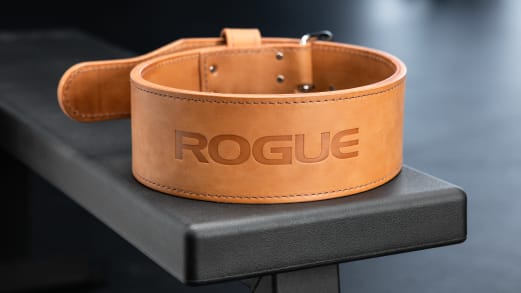
When selecting a belt, the material and buckle type dictate its best use case. Leather belts offer superior durability and stiffness, making them ideal for powerlifting and maximal strength efforts. Nylon belts with pin or lever buckles are often preferred for CrossFit or Olympic lifting because they are lighter and faster to adjust between sets.
Leather belts provide the most stability for heavy single-rep efforts. Nylon belts are more flexible and better suited for dynamic movements or high-repetition training.
Lever buckles allow for quick adjustments and consistent tightness. Pin buckles offer a traditional feel but can be slower to adjust mid-workout.
Standard belts are typically 10mm thick and 4 inches wide. Thicker belts are stiffer and better for maximal lifts, while thinner options offer more comfort for daily training.
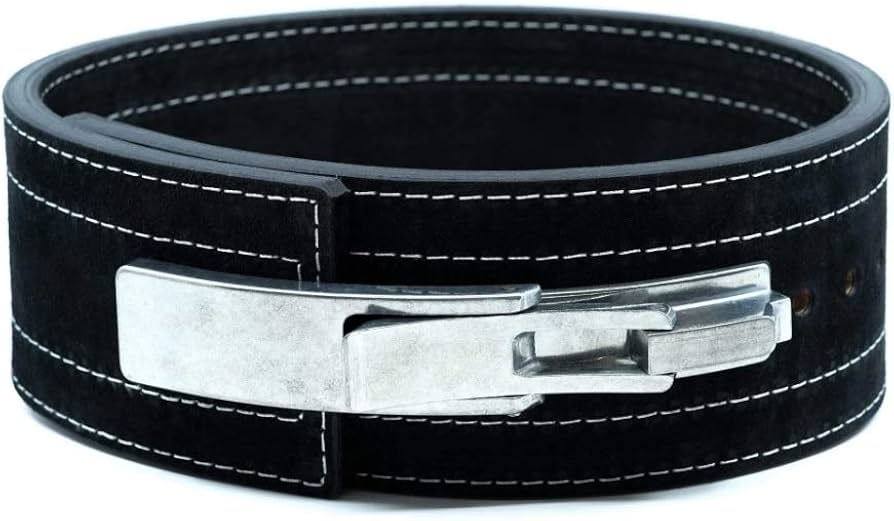

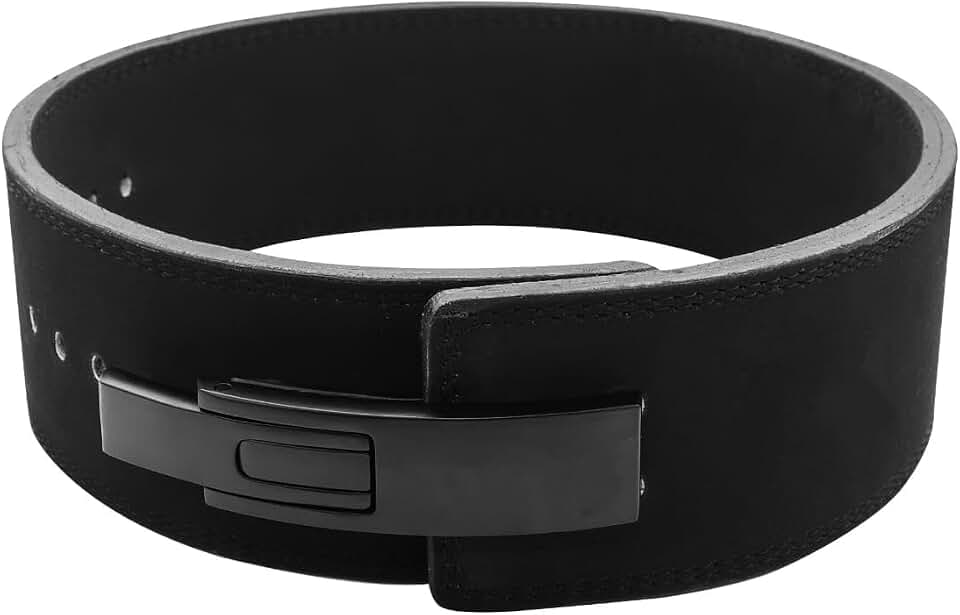

As an Amazon Associate, we may earn from qualifying purchases.
Essential lifting shoes for grip
General gym sneakers are built for cushioning, which works against you under a heavy barbell. That soft foam compresses and shifts, creating an unstable platform that can compromise your form during squats or deadlifts. Specialized lifting shoes solve this by providing a solid, immovable base that keeps your body aligned and your power transfer efficient.
The most critical difference is the heel. Weightlifting shoes feature a raised, rigid heel that improves ankle mobility. This allows you to achieve a deeper, more upright squat position without rounding your back. For athletes with limited ankle flexibility, this elevation is not just a comfort feature—it is a mechanical necessity for proper technique.
The sole material is equally important. Unlike running shoes with grippy but squishy rubber, lifting shoes use hard, flat rubber or wood that does not compress. This ensures that every ounce of force you generate goes into moving the weight, not into deforming the shoe. This stability is what separates safe, effective lifting from risky, inefficient movement.
Comparison of Top Lifting Shoes
| Feature | Nike Romaleos 4 | Reebok Legacy Lifter 3 | Adidas Adipower 3 |
|---|---|---|---|
| Heel Height | 20mm | 20mm | 20mm |
| Sole Material | Hard Rubber | Hard Rubber | TPU/Rubber |
| Strap System | Dual | Dual | Single |
| Best For | Olympic Lifting | Powerlifting | General Strength |
Recommended Lifting Shoes


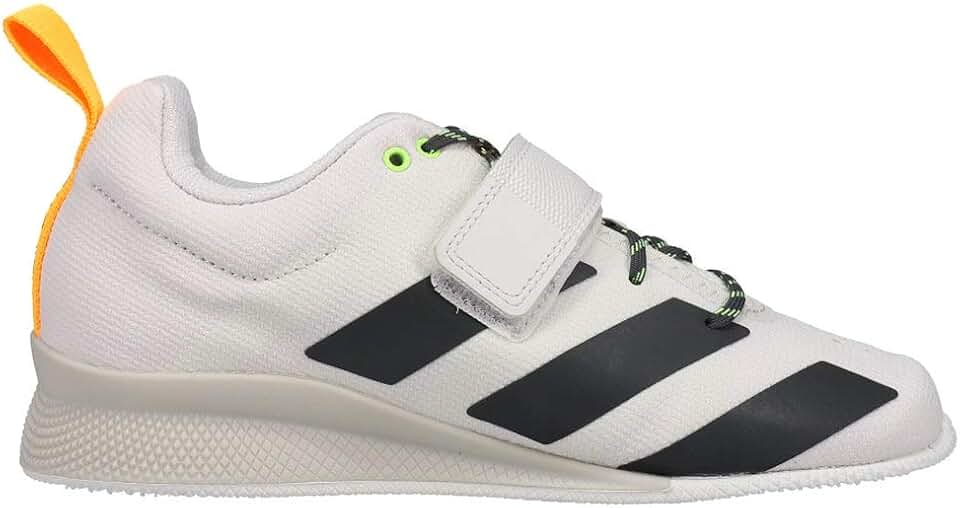
As an Amazon Associate, we may earn from qualifying purchases.
Barbells and plates for home gyms
A home gym needs a barbell that handles daily abuse without bending. Olympic bars with 200,000+ PSI tensile strength and proper knurling provide the stability and grip needed for heavy lifts. Look for sleeves that spin freely to protect your joints during cleans and snatches.
Bumper plates are the standard for home setups. They allow you to drop weights safely without damaging your floor or the equipment. Rubber-coated plates ensure consistent weight and reduce noise, making them ideal for garages or apartments.

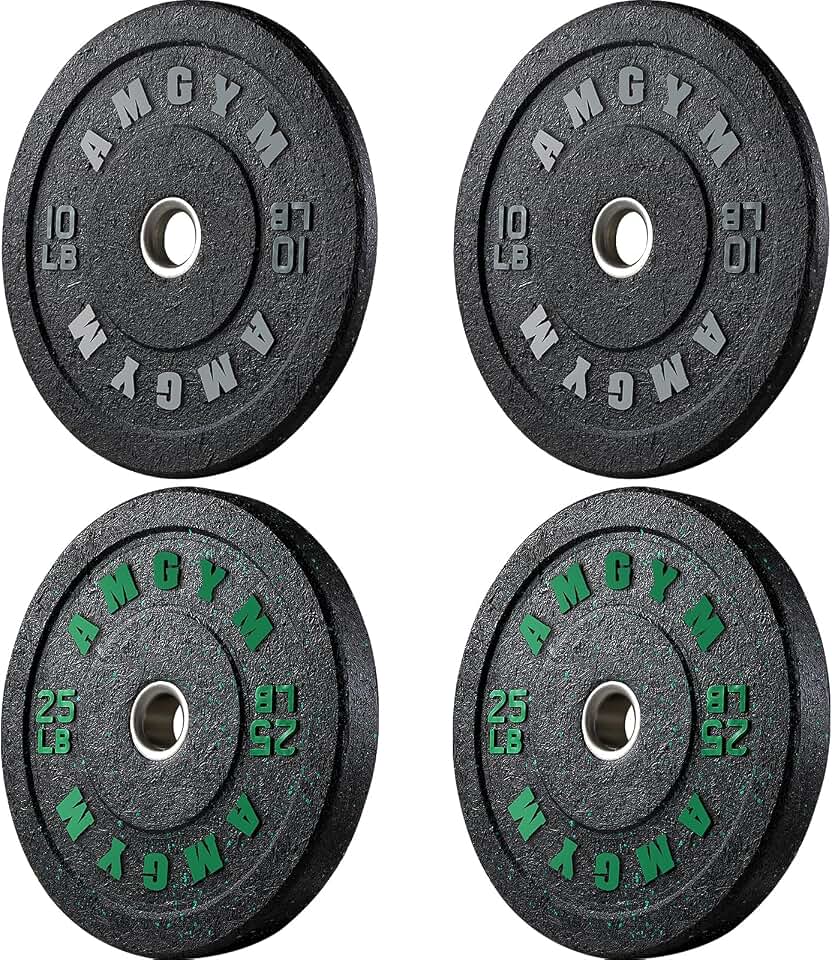
As an Amazon Associate, we may earn from qualifying purchases.
Safety gear and recovery tools
Use this section to make the Club Lifted Gear decision easier to compare in real life, not just on paper. Start with the reader's actual constraint, then separate must-have requirements from details that are merely nice to have. A practical choice should survive normal use, maintenance, timing, and budget. If a recommendation only works in an ideal situation, call that out plainly and give the reader a fallback path.
The simplest way to use this section is to write down the must-have criteria first, then compare each option against those criteria before weighing nice-to-have features.
Frequently asked questions about lift clubs
Understanding gym terminology helps you navigate equipment choices and community culture. Here are the answers to common questions about lift clubs and lifting standards.
These definitions clarify the language used in strength sports. Whether you are buying your first pair of lifting shoes or joining a local group, knowing the terms helps you train smarter.
No comments yet. Be the first to share your thoughts!