

Why pro lifters choose specialized gear
Generic gym equipment is designed for the broadest possible audience, meaning it rarely accommodates the specific biomechanical demands of heavy strength training. When you attempt a heavy squat or a clean and jerk, standard footwear and clothing can shift, slip, or restrict movement. This instability forces the body to compensate, increasing the risk of joint injury and reducing the amount of weight you can safely lift.
Specialized gear acts as an extension of the body rather than just apparel. Lifting shoes provide a solid, non-compressible base that improves balance and allows for deeper squat positions. Lifting belts increase intra-abdominal pressure, creating a rigid torso cage that protects the spine under heavy loads. These tools are not about aesthetics; they are technical instruments that enhance performance and safety.
Club Lifted represents this approach to training. It is not just a brand name but a philosophy that prioritizes proper form and joint safety over generic gym culture. By choosing gear designed for serious lifters, you create a stable environment where you can push your limits without compromising your long-term health.
Selecting the right lifting belt
Choosing the correct belt is less about brand loyalty and more about matching the hardware to your movement patterns. A lifting belt acts as an anchor for your core, allowing you to brace against it to build intra-abdominal pressure. This pressure stabilizes the spine during heavy loads, but the belt only works if it fits snugly and matches the rigidity your lift requires.
Lever belts offer the most consistent tightness and maximum rigidity, making them the standard for powerlifting. Buckle belts provide infinite adjustability but can be time-consuming to tighten between sets. Velcro belts are lightweight and quick to swap, ideal for dynamic movements like CrossFit or Olympic lifting, though they may loosen slightly under extreme load.
The following comparison highlights the structural differences to help you decide which style supports your training style.
| Belt Type | Rigidity | Adjustability | Best Use Case |
|---|---|---|---|
| Lever | High | Fixed | Maximal strength, powerlifting |
| Buckle | Medium-High | Infinite | General strength, bodybuilding |
| Velcro | Low-Medium | Quick | CrossFit, Olympic lifting |
Choosing stable weightlifting shoes
Weightlifting shoes are the foundation of the Club Lifted approach to strength training. Unlike running shoes, which are designed to absorb impact and compress under pressure, lifting shoes are built to transfer force directly into the ground. This distinction is critical for lifts like the snatch, clean & jerk, and heavy back squats, where stability dictates performance.
The primary mechanical advantage lies in the elevated heel and rigid sole. The heel lift—typically between 0.5 and 1 inch—allows the ankle to dorsiflex more easily. This improves squat depth by keeping the torso more upright, reducing shear force on the lower back. The rigid sole, often made of wood or dense TPU, prevents energy loss through shoe compression, ensuring that every ounce of intra-abdominal pressure and leg drive goes into moving the barbell.
Measure your foot width and arch height
Finding the right fit starts with understanding your foot anatomy. Lifting shoes vary significantly in width and heel height, so a one-size-fits-all approach rarely works.
- Measure foot width: Use a brannock device or trace your foot on paper. Note if you have wide forefeets, as many lifting shoes run narrow. A snug fit prevents foot slippage inside the shoe during heavy lifts.
- Assess arch height: High arches often require more lateral support, while flat feet may need a shoe with a wider base for stability. Check if the shoe’s heel cup cups your heel securely without pinching.
- Try them on with lifting socks: Wear the same socks you plan to lift in. Lace them tightly to simulate the pressure of a heavy squat. Your toes should not feel cramped, but your heel should be locked in place.
Grip aids for heavy pulls
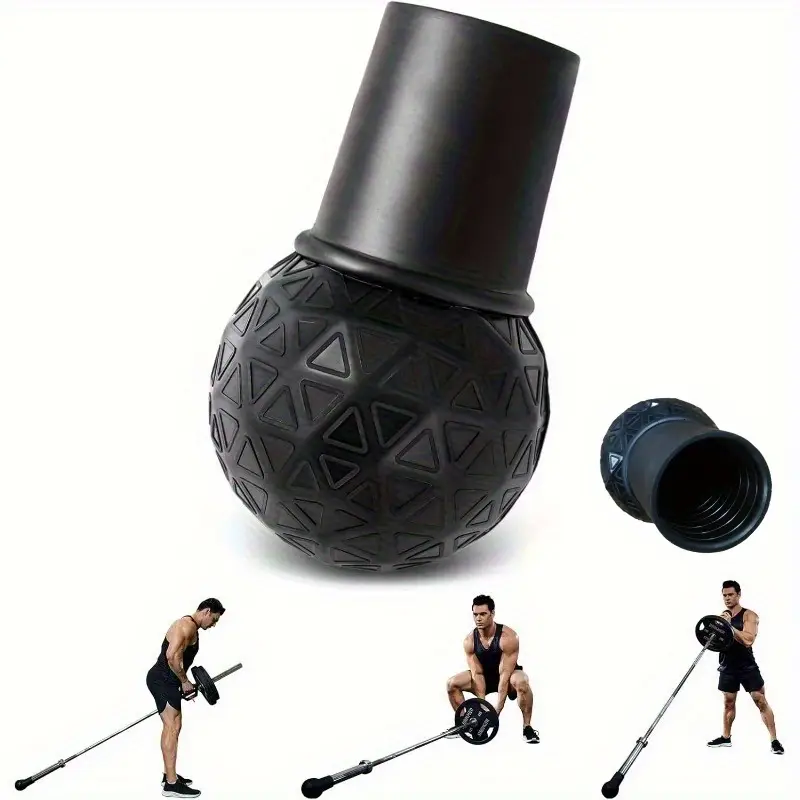
When the bar gets heavy, your grip often fails before your back or legs do. Straps, chalk, and hooks solve this bottleneck, allowing you to focus on intra-abdominal pressure and spinal stability rather than fighting to keep hold of the iron. Each tool serves a specific purpose within the Club Lifted approach to strength training.
Lifting straps
Straps loop around the bar and your wrist, locking the weight in place. They are essential for high-volume deadlifts, rack pulls, or any set where grip fatigue would otherwise terminate the workout prematurely. Use them for the main pulling volume, but leave them off for your warm-up sets to maintain forearm strength.
Gym chalk
Chalk absorbs sweat and increases friction, providing a dry, secure connection between your skin and the knurling. It is the first line of defense for cleans, snatches, and heavy single reps. Apply liquid chalk or loose magnesium carbonate sparingly; a thin, even layer is more effective than a thick, clumpy coating that flakes off mid-lift.
Lifting hooks
Hooks slide under the bar, bearing the entire load of the weight. They are ideal for pull-ups, heavy rows, or bodybuilding isolation movements where grip strength is not the limiting factor. Because they remove the grip element entirely, use them only when you want to isolate the back or biceps without worrying about the bar slipping.
Common mistakes in gear selection
Even the most disciplined lifters undermine their progress by choosing equipment that fights their biomechanics. The difference between a club lifted session that builds power and one that risks injury often comes down to how gear fits and functions. Correcting these selection errors ensures that your equipment supports intra-abdominal pressure rather than dissipating it.
A weightlifting belt is not a crutch; it is a tool to brace against. The most frequent error is selecting a belt that is too loose or wearing it incorrectly. If you can slide two fingers easily between the belt and your abdomen, it fails to create the necessary resistance for your core to push against during heavy squats or cleans. A proper belt should be tight enough that you can only breathe deeply into your belly, expanding against the leather or nylon to stabilize your spine.
Shoe selection creates a similar, often overlooked, vulnerability. Many lifters wear running shoes with flexible, cushioned soles for heavy compound movements. This flexibility acts like a sponge, absorbing the force you generate rather than transferring it into the floor. When you drive into the ground during a snatch or clean & jerk, that energy dissipates into the midsole, causing instability and reducing the weight you can safely handle.
Always choose shoes with a rigid, non-compressible sole and a slight heel elevation. This solid base allows you to establish a firm connection with the platform, ensuring that every ounce of force generated by your legs is transmitted directly to the barbell. The right gear doesn't just look the part; it mechanically supports the lift.
Building your essential lift kit
Club Lifted works best as a clear sequence: define the constraint, compare the realistic options, test the tradeoff, and choose the path with the fewest hidden costs. That order keeps the advice usable instead of decorative. After each step, pause long enough to check whether the recommendation still fits the reader's actual situation. If it depends on perfect timing, unusual access, or a best-case budget, include a simpler fallback.
The simplest way to use this section is to write down the real constraint first, compare each option against it, and choose the path that still works outside ideal conditions.
Frequently Asked Questions About Club Lifted Gear
What does "lift club" mean in this context?
While a traditional "lift club" refers to a group of commuters who carpool together, in the world of strength training, it denotes a community or brand dedicated to serious weightlifting culture and equipment. When we discuss Club Lifted accessories, we are focusing on the tools that support high-level performance, not transportation logistics.
How do I maintain a lifting belt for intra-abdominal pressure?
Proper maintenance ensures your belt provides consistent resistance for intra-abdominal pressure. After each session, wipe down leather belts with a damp cloth to remove sweat and salt, which can degrade the material over time. Allow them to air dry completely before storing to prevent mold and preserve the structural integrity needed for heavy squats and deadlifts.
Can I use Club Lifted gear for Olympic lifts like the snatch?
Yes, but selection matters. For dynamic movements like the snatch or clean & jerk, a flexible neoprene belt or a dedicated weightlifting belt with a single prong allows for greater thoracic mobility. Thick, rigid leather belts often restrict the depth and speed required for these technical lifts, so choose gear that matches the specific kinetic demands of your training.
No comments yet. Be the first to share your thoughts!