

Start with proper lifting form
Before selecting gear or tracking progress, you must establish a foundation of safe movement. Proper weightlifting technique protects your joints and spine while ensuring that the muscles you intend to train are actually doing the work. Treating form as an afterthought is the most common cause of preventable injury.
The Mayo Clinic advises starting with a weight you can lift comfortably 12 to 15 times while maintaining strict form. This approach prioritizes neuromuscular control over ego lifting. When you focus on the movement pattern first, you build the stability required to handle heavier loads later. Breathing and bracing should become automatic parts of the lift, not an afterthought.
Good technique also means knowing when to stop. If your form breaks down, the set is over. This discipline prevents the cumulative micro-trauma that leads to long-term damage. Once you can perform the movement flawlessly with light resistance, you can safely introduce the gear and weights that support your specific training goals.
Essential safety gear for heavy lifts
Proper technique is the foundation of any weightlifting program, but as you approach heavier loads, external support becomes necessary to protect vulnerable joints and the spine. Safety gear does not replace form; it acts as a buffer against the cumulative stress of high-intensity sessions. Wearing the right equipment allows you to train with confidence, knowing that your lower back and knees are supported during maximal efforts.
Support the lower back and core
A weightlifting belt provides intra-abdominal pressure that stabilizes the spine during heavy squats and deadlifts. This support is most effective when used for top-set efforts rather than every warm-up rep, helping to maintain a rigid torso under load. Look for belts made of stiff leather or nylon with a single prong or lever closure that allows you to tighten them securely before each set. The belt should fit snugly around your waist, not your ribs, to maximize the pressure effect.
Protect the knees and elbows
Knee sleeves made from neoprene offer compression and warmth, which can improve proprioception and reduce pain in the joint capsule. They are particularly useful for high-volume squatting or Olympic-style movements where the knees undergo significant flexion. While they do not prevent injury on their own, the added warmth and feedback can help maintain proper tracking and reduce sharp pains during heavy lifting sessions.


As an Amazon Associate, we may earn from qualifying purchases.
Choose the right fit
Gear only works if it fits correctly. Measure your waist at the navel for belt sizing, ensuring you can take a deep breath and brace against the belt without it digging into your ribs. For knee sleeves, measure the widest part of your quadriceps. Sleeves that are too tight can restrict blood flow, while those that are too loose will not provide the necessary compression. Always prioritize a secure, comfortable fit over brand reputation or aesthetic appeal.
Footwear and platform essentials
The difference between a successful lift and a failed attempt often comes down to the interface between your body and the floor. Proper footwear and a stable platform are not accessories; they are foundational equipment that dictates your biomechanics and safety. Choosing the right pair of shoes and ensuring your training surface is rigid prevents energy leaks and protects your joints under heavy loads.
Training shoes vs. weightlifting shoes
Your choice of footwear depends entirely on the type of lifting you perform. General training shoes and flat-soled sneakers offer versatility for cardio, dumbbell work, and functional fitness, but they compress under heavy squats, creating instability. Dedicated weightlifting shoes feature a raised, non-compressible heel and a stiff sole. This design elevates the heel, allowing for greater ankle dorsiflexion and a more upright torso position during the squat and snatch. This mechanical advantage reduces strain on the lower back and improves bar path efficiency.
| Feature | Training Shoes | Weightlifting Shoes |
|---|---|---|
| Heel Height | Flat (0-1 cm) | Raised (0.5-2.5 cm) |
| Sole Material | Compressible foam | Rigid plastic or wood |
| Stability | Moderate, flexible | High, locked-in |
| Best For | General fitness, HIIT | Squats, cleans, snatches |
The importance of stable flooring
Even the best shoes cannot compensate for a soft or uneven training surface. Rubber flooring provides the necessary shock absorption for dropping weights while maintaining a firm base for standing lifts. A stable platform ensures that force is transferred directly into the ground rather than being absorbed by shifting tiles or warped boards. This stability is critical for maintaining balance during dynamic movements and prevents the micro-movements that can lead to ankle or knee injuries.


As an Amazon Associate, we may earn from qualifying purchases.
Build a consistent weightlifting routine
Consistency beats intensity in the long run. A structured routine removes the guesswork from every session, allowing you to track progress and prioritize recovery. Instead of chasing personal bests on day one, focus on building a sustainable habit that fits your schedule and recovery capacity.
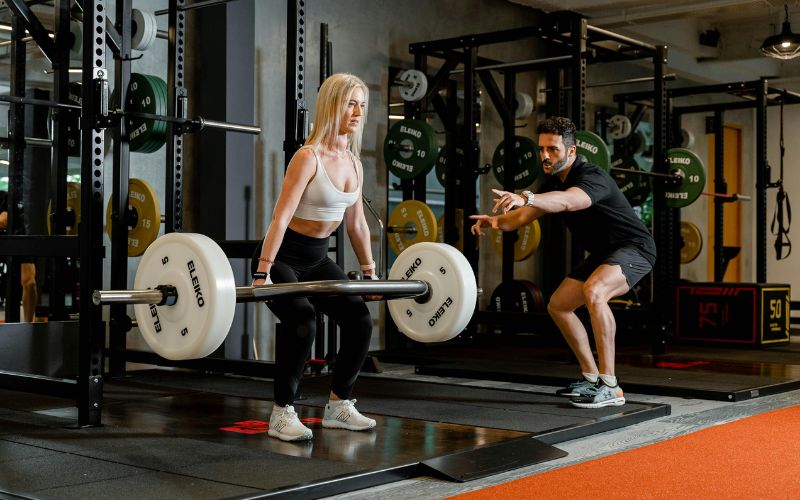
Treat your training sessions like fixed appointments. Three non-consecutive days per week provides enough stimulus for strength gains while allowing 48 hours of rest between sessions. This frequency is manageable for most beginners and prevents burnout before the habit sticks.
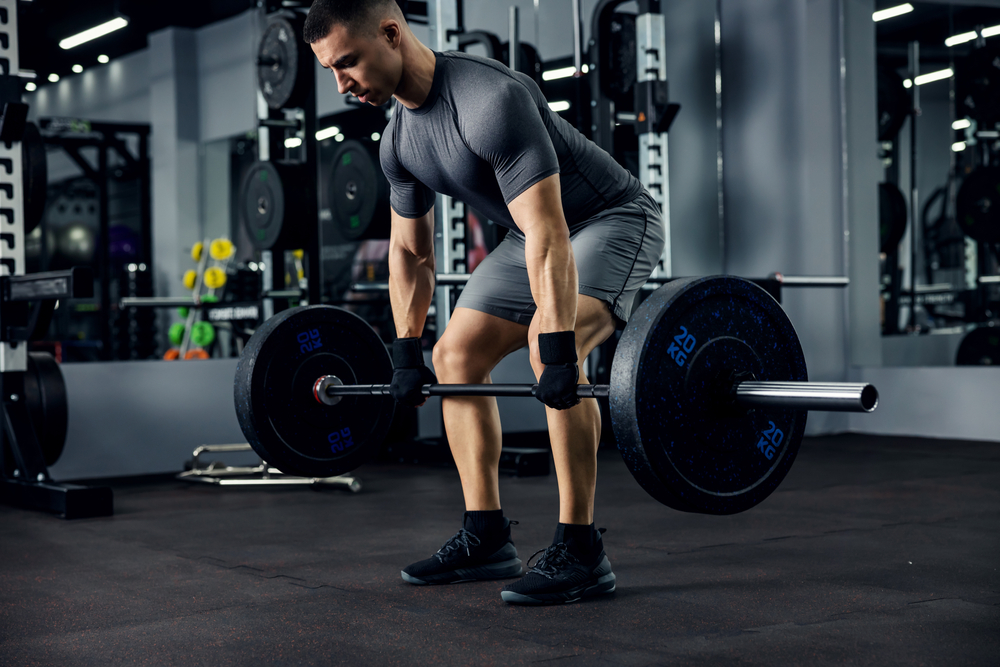
Divide your movements into upper-body and lower-body days. This allows you to focus on specific muscle groups without overtraining. For example, Monday might be upper body (presses, rows), Wednesday lower body (squats, deadlifts), and Friday a full-body maintenance session or repeat the split. This structure ensures balanced development.
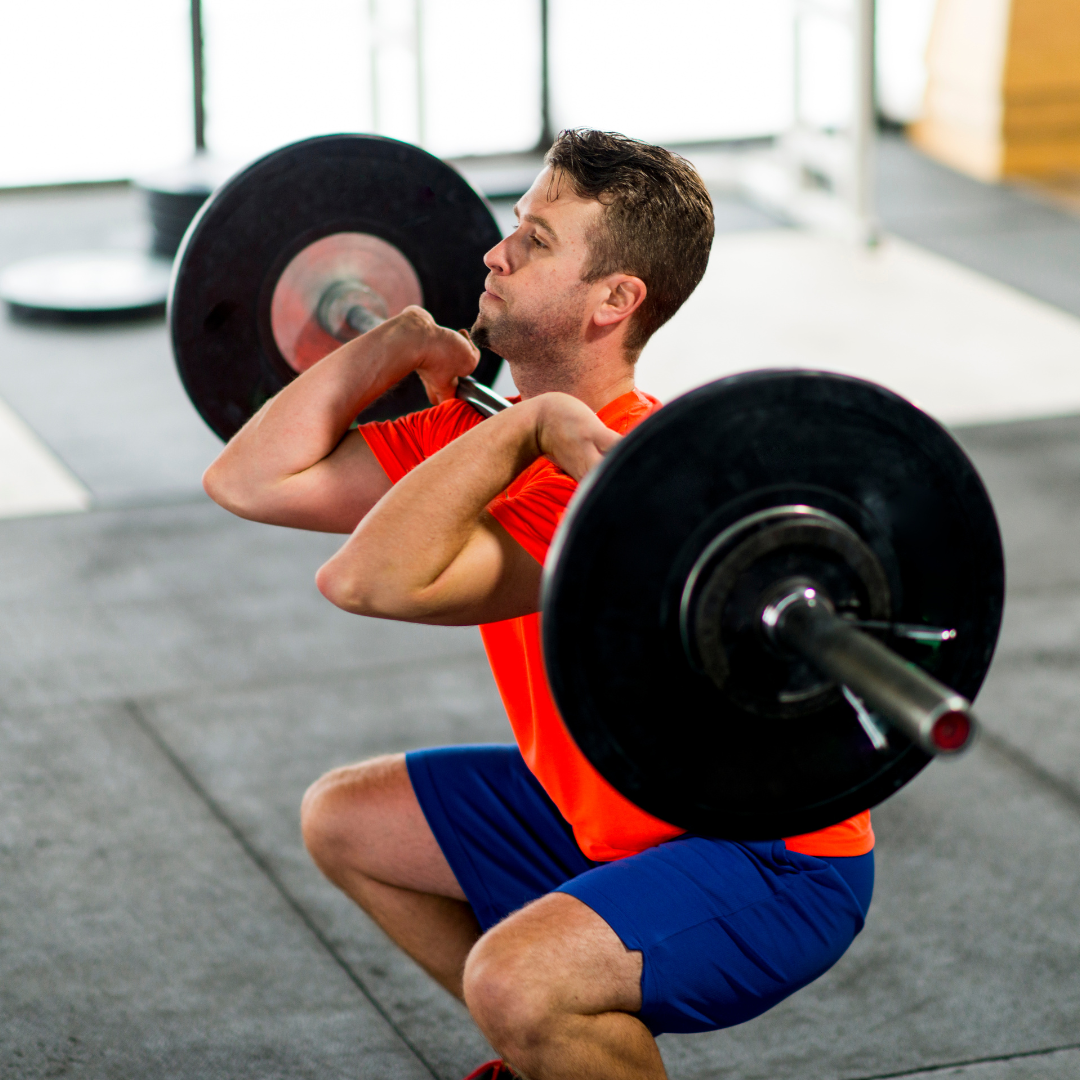
Progressive overload is the engine of improvement. You must gradually increase the stress on your body to force adaptation. This doesn't always mean adding weight; it can mean adding reps, improving form, or reducing rest time. Log every workout to ensure you are moving forward, even if the increments are small.
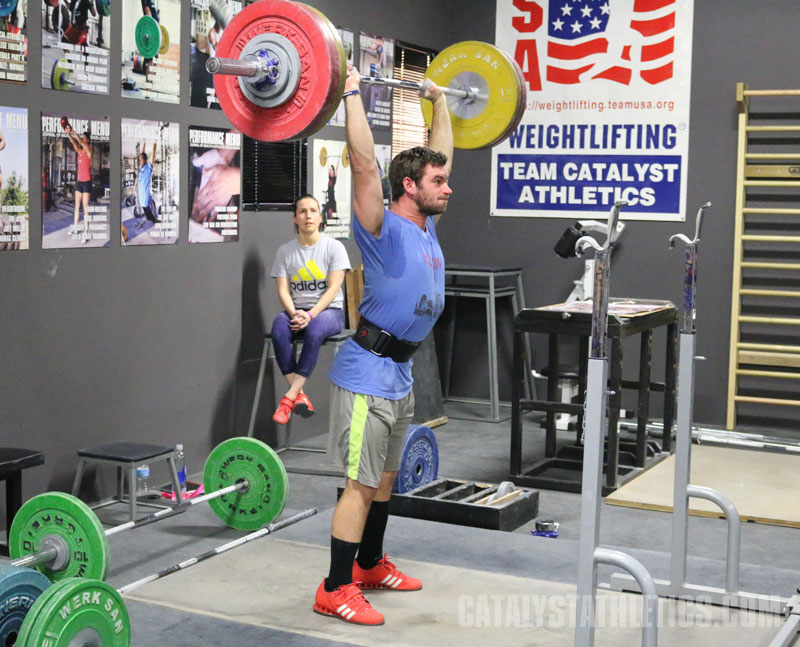
Rest is when your muscles repair and grow stronger. On off days, engage in light activity like walking, stretching, or mobility work. This increases blood flow to sore muscles without adding significant fatigue. Avoid complete sedentary behavior, which can stiffen joints and reduce overall mobility.
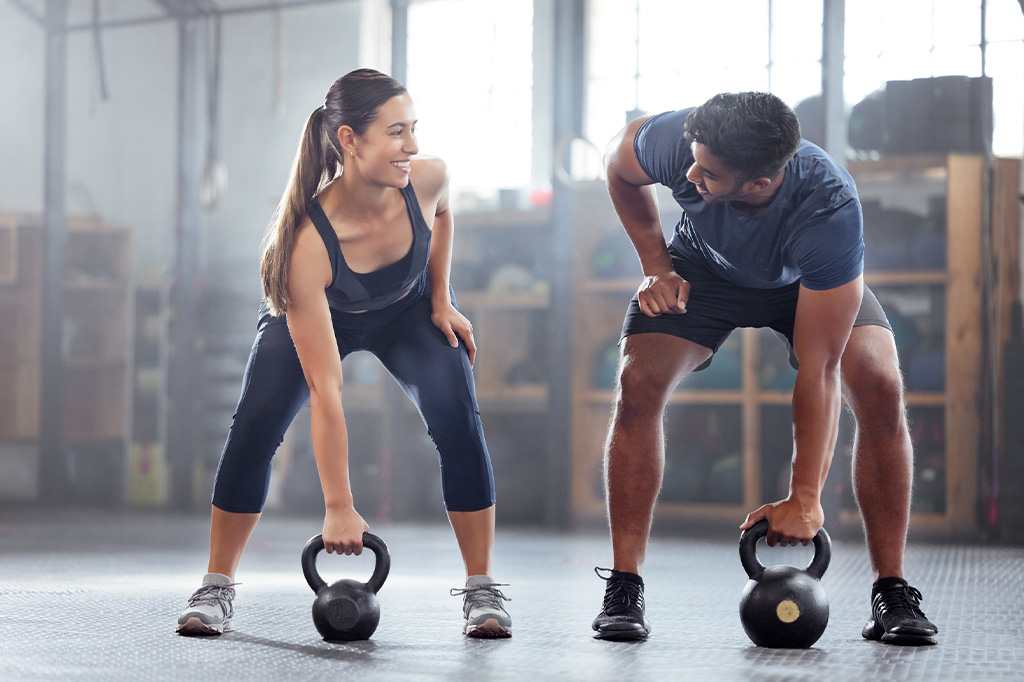
Plan a deload week where you reduce volume and intensity by 40-50%. This allows your central nervous system and joints to recover from accumulated fatigue. Skipping deloads often leads to plateaus or injury. Think of it as a strategic pause that resets your capacity for heavy lifting in the subsequent weeks.
A predictable routine reduces decision fatigue. When you know exactly what to do and when to do it, you can focus on execution rather than planning. This consistency is the foundation upon which all advanced techniques and gear choices are built.
Common questions about lifting gear
Gear selection often confuses beginners who assume expensive equipment guarantees better results. In reality, proper technique and progressive overload matter far more than what you wear. However, the right tools can provide necessary support, improve stability, and extend the lifespan of your training. Here are the most frequent questions about essential weightlifting gear.
Do I really need a weightlifting belt?
A belt is not mandatory for beginners. It works by increasing intra-abdominal pressure to stabilize your spine during heavy lifts like squats and deadlifts. Think of it as a brace for your core, not a crutch for weak muscles. You should only use a belt once you are lifting at least 80% of your one-rep max. For lighter loads or high-repetition sets, a belt offers no benefit and can even hinder your natural core development.
How tight should my lifting shoes be?
Weightlifting shoes have a raised, rigid heel designed to improve ankle mobility and squat depth. They must fit snugly to prevent foot movement inside the shoe, which can cause instability. Unlike running shoes, there should be no extra room. If your foot slides, the heel lock straps should secure your heel firmly. A loose fit defeats the purpose of the rigid sole and increases the risk of ankle sprains during dynamic movements.
How do I care for my lifting mats?
Rubber mats degrade when exposed to direct sunlight, ozone, or harsh chemicals. Clean them with mild soap and water after heavy sweat sessions. Avoid oil-based cleaners, which can break down the rubber compound over time. Store mats in a cool, dry place when not in use to prevent warping. Proper maintenance ensures the mat remains flat and provides consistent cushioning for drops and heavy lifts.
No comments yet. Be the first to share your thoughts!