

Club lifted budget
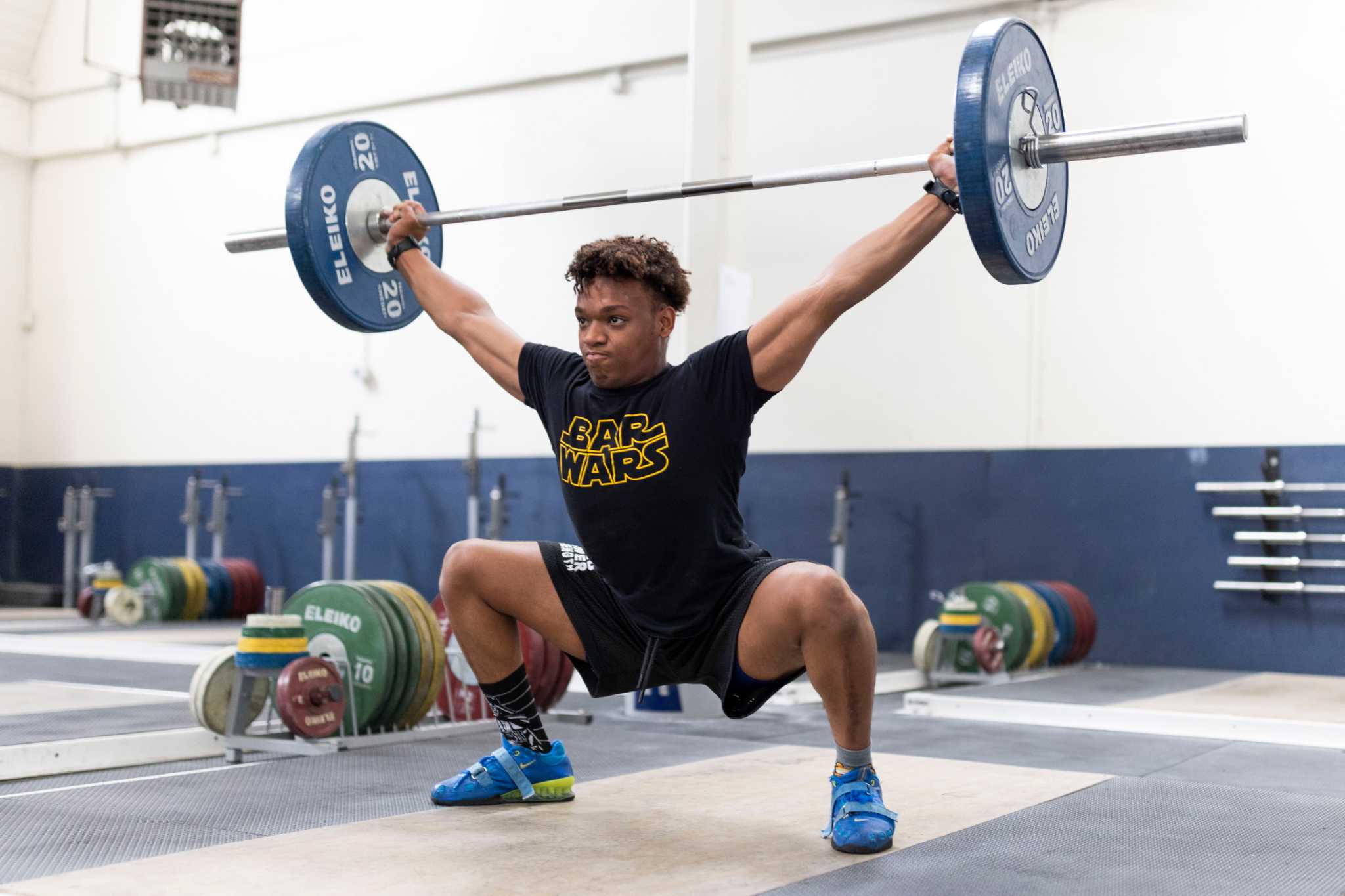
Lifting isn't just about the bar; it's about the gear that keeps you safe and consistent. For the 2026 pro weightlifter, the "lift club" concept extends beyond social training to a curated setup of reliable equipment. This section breaks down the realistic costs of building a home or club-style lifting station, focusing on value and durability over fleeting trends.
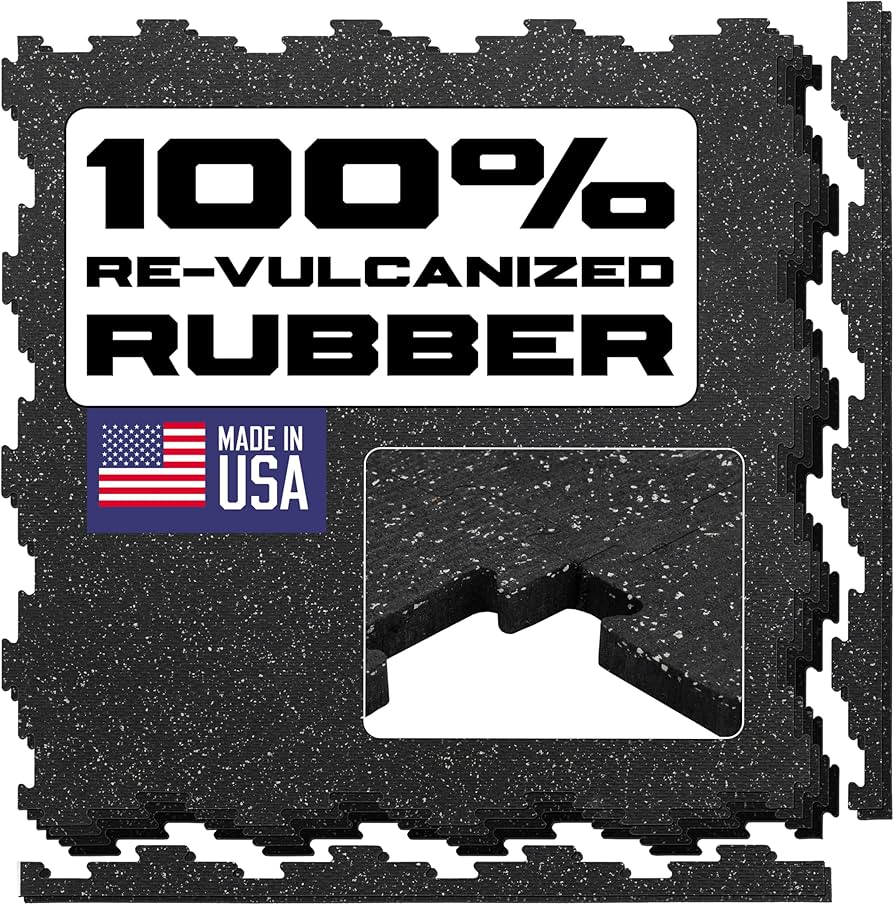
The core of any serious lift is the platform and the barbell. You don't need a commercial gym floor, but you do need impact protection. A basic rubber mat setup costs significantly less than a full wooden platform, though it lacks the same stability for heavy cleans. When choosing a barbell, look for tensile strength and knurling quality rather than brand hype. A mid-range Olympic bar often outperforms cheaper options in longevity.
Accessories like bumper plates, collars, and chalk add up quickly. Budgeting for a complete set of standard 45lb plates can double your initial investment. However, starting with a smaller set and adding weight incrementally is a smarter financial move for most lifters. Prioritize items that directly impact your lift mechanics before splurging on aesthetic add-ons.


As an Amazon Associate, we may earn from qualifying purchases.
Building a lift club environment at home or in a small gym requires balancing these upfront costs with long-term utility. The goal is sustainability—choosing gear that withstands daily abuse without needing frequent replacement. This approach ensures your budget supports your training, not the other way around.
Compare top club lifted apparel
Club lifted apparel blends performance fabric with streetwear aesthetics, allowing weightlifters to move freely during warm-ups and look sharp between sets. The market has shifted from generic gym wear to specialized gear that supports heavy lifts while maintaining a distinct visual identity.
We evaluated the strongest options currently available, focusing on material quality, fit for Olympic lifting movements, and brand reputation. The following comparison highlights the key differences between the leading products to help you choose the right gear for your training style.
| Brand | Product | Best For | Style Profile |
|---|---|---|---|
| LSKD | Lifting Club Collection | All-around training | Minimalist streetwear |
| The Lifting Club (UK) | Elevated Athleisure Line | Community and culture | Bold graphic tees |
| Lift Club LA | Performance Hoodies | Warm-up and recovery | Urban casual |
LSKD Lifting Club Collection
LSKD has established itself as a primary player in the weightlifting apparel space. Their Lifting Club Collection focuses on clean lines and functional design, making it suitable for both competition and daily training. The fabric choices prioritize durability and moisture management, essential for high-intensity sessions. This brand appeals to lifters who prefer a understated, modern aesthetic that transitions easily from the gym to the street.
The Lifting Club (UK) Apparel
Based in the UK, The Lifting Club emphasizes community and cultural identity alongside their clothing. Their collections often feature bold graphics and messaging that resonate with the weightlifting subculture. The fit is designed to accommodate muscular builds without restricting movement during squats or cleans. This option is ideal for those who view their gym wear as a statement of belonging to the lifting community.
Lift Club LA Gear
Lift Club LA brings a West Coast vibe to weightlifting apparel, focusing on comfort and versatility. Their performance hoodies and tees are designed for warm-ups, cool-downs, and casual wear. The materials are soft yet durable, offering a relaxed fit that doesn’t cling during heavy lifts. This brand is a strong choice for lifters who value comfort and a laid-back style over high-performance technical features.
Inspect the expensive parts
Weightlifting equipment fails in predictable ways. The most costly damage usually comes from worn collars, cracked plates, or frayed cables rather than sudden breakage. A monthly inspection routine protects your gear and your safety.
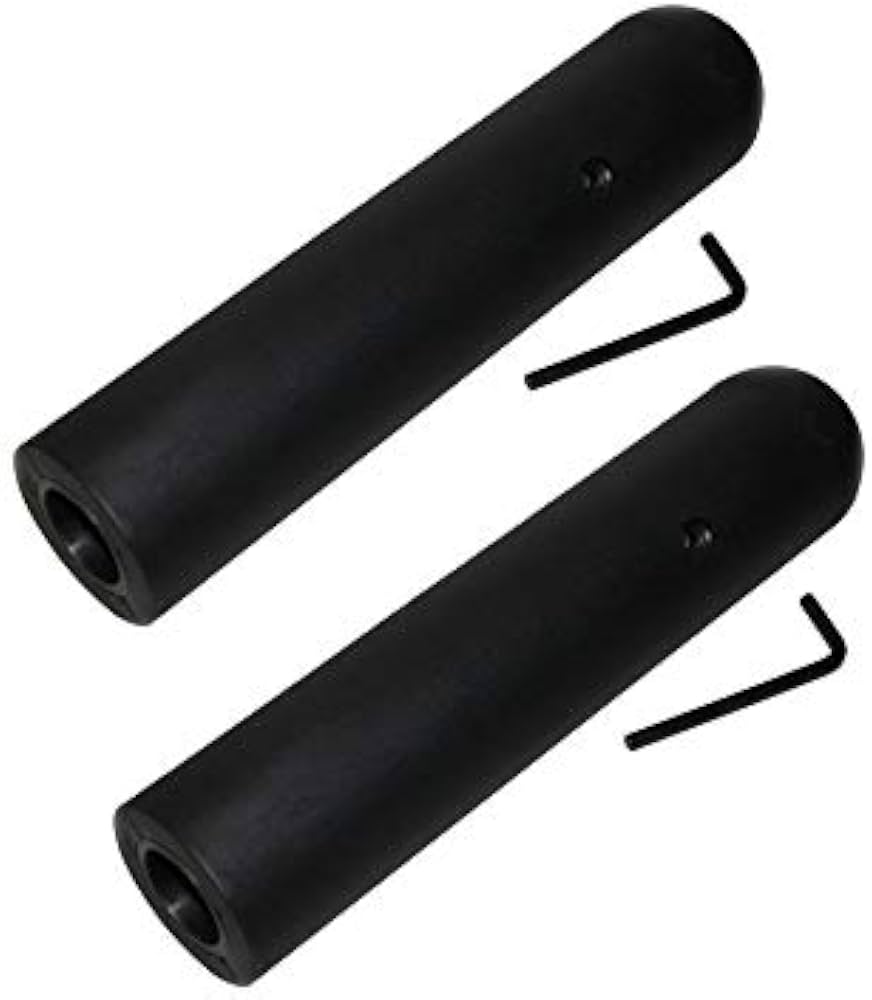
Start with the collars. Spin-lock collars lose tension as the threads wear down. If you have to twist them more than two full turns to lock a barbell, replace them immediately. Snap-lock collars should click firmly into place without wobbling. Loose collars allow plates to slide during dynamic movements, creating a dangerous imbalance.
Check the plates for structural integrity. Rubber bumper plates can develop cracks near the inner rim where they contact the bar. Small hairline cracks are manageable, but splits that expose the inner rubber core or metal insert require replacement. Cast iron plates should be inspected for chips that could shatter under heavy loads. A chipped edge can send shards flying during a dropped lift.
Inspect the barbell sleeves and knurling. Spin the sleeves to ensure they rotate freely without grinding or catching. Grit in the bearings indicates failure is imminent. Look at the knurling for excessive wear, especially in the center where the hands grip. Worn knurling reduces friction and increases the risk of slipping under load.
Examine the safety bars and j-hooks. Ensure they are bolted securely to the rack uprights. Loose bolts can shift during a missed lift, causing the bar to fall off-course. Check the rubber bumpers on safety bars; if they are compressed flat or torn, replace them to maintain proper height and impact absorption.
Recommended Gear for Inspection
Invest in durable gear that withstands regular inspection and heavy use. The following products are selected for their reliability and ease of maintenance.


As an Amazon Associate, we may earn from qualifying purchases.
Plan for ownership costs
Weightlifting equipment is a long-term investment, but the sticker price rarely tells the full story. The true cost of ownership includes maintenance, replacement parts, and the hidden expenses of poor quality gear. Understanding these factors helps you avoid buying cheap equipment that breaks within months, forcing you to spend more on replacements.
Maintenance and wear
Regular wear and tear is inevitable. Barbell sleeves need lubrication, collars can warp, and bumper plates may crack under extreme conditions. Budget for basic maintenance supplies like grease and replacement collars every few years. Ignoring these small costs leads to larger failures that compromise safety and performance.
When cheap stops being cheap
Low-cost equipment often uses inferior steel or poor-quality rubber. A cheap barbell may bend under heavy loads, requiring replacement. Similarly, low-grade bumper plates can degrade quickly, losing their bounce and shape. Investing in durable gear upfront saves money over time by reducing the frequency of replacements.
Hidden expenses
Shipping heavy equipment adds significant cost. Some retailers offer free shipping, but others charge hefty fees for delivery. Additionally, consider the cost of space. Heavy equipment requires a dedicated area, which may involve renting extra space or modifying your home gym setup. Factor these expenses into your initial budget to avoid surprises.


As an Amazon Associate, we may earn from qualifying purchases.
Club lifted: what to check next
Before committing to a new training plan or gear setup, it helps to clarify what a "lift club" actually offers compared to solo gym sessions. While the term can sometimes refer to transportation arrangements in legal dictionaries, in the context of weightlifting, it denotes a structured community focused on shared progress, safety, and social accountability.
What is the meaning of lift club?
In weightlifting culture, a lift club is a group of athletes who train together with a shared focus on technique and progressive overload. It functions less like a formal organization and more like a dedicated training pod where members support each other through heavy lifts, share form cues, and maintain consistent attendance. This structure helps lifters stay motivated and ensures that safety protocols, such as proper spotting, are always in place.
What are the benefits of a lift club?
The primary advantage is accountability; knowing others expect you to show up reduces the likelihood of skipping sessions. Lift clubs also provide immediate feedback on form, which is critical for injury prevention and performance gains. Additionally, the social element transforms training from a solitary chore into a shared experience, where members cheer each other on during "Testing Week" or personal best attempts, making the process more enjoyable and sustainable over time.
Do I need special gear to join a lift club?
No, you do not need expensive equipment to start. Most clubs prioritize correct technique and bodyweight or barbell movements before introducing heavy implements. Basic gear like a lifting belt, wrist wraps, or appropriate footwear can enhance performance, but they are not prerequisites. Focus on mastering the core lifts first; the community will often advise you on when and if specific gear is necessary for your individual goals.
How do I find a lift club near me?
Look for local powerlifting gyms, CrossFit boxes, or community centers that host regular group training sessions. Social media platforms like Instagram often feature local clubs sharing event recaps and training schedules. You can also ask at your current gym if they have affiliated groups or regular meetups. Many clubs welcome newcomers to observe a session before committing, allowing you to assess the culture and coaching style firsthand.
No comments yet. Be the first to share your thoughts!