
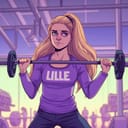
Choose the right lifting tee
Build a Pro Weightlifter Kit with Club Lifted Gear works best as a clear sequence: define the constraint, compare the realistic options, test the tradeoff, and choose the path with the fewest hidden costs. That order keeps the advice usable instead of decorative. After each step, pause long enough to check whether the recommendation still fits the reader's actual situation. If it depends on perfect timing, unusual access, or a best-case budget, include a simpler fallback.
The simplest way to use this section is to write down the real constraint first, compare each option against it, and choose the path that still works outside ideal conditions.
Select supportive training pants
Your training pants need to do two things at once: hold your hips and glutes in place during heavy lifts, then move with you when you stretch or squat. Most lifters get this wrong by picking pants that are either too tight or too loose. Tight pants dig in and restrict blood flow, while loose pants slide down or get caught under the bar. The goal is a fit that feels secure but doesn’t fight your range of motion.
Start with the waistband. It should sit comfortably on your hips or waist without digging in when you’re bracing for a lift. If the waistband rolls down or cuts into your stomach when you squat, it’s too tight. If it slides down when you hinge forward, it’s too loose. Look for a wide, elastic waistband with a drawstring so you can adjust it precisely for your body type.
Next, check the fabric. You need a material that has some stretch but also holds its shape. Cotton blends are soft but often stretch out after a few washes, losing their support. Synthetic blends with spandex or elastane offer better recovery and durability. They should feel smooth against your skin and not bunch up when you’re in a deep squat position. Avoid thick, rigid fabrics that restrict your hip mobility.
Finally, consider the length and fit. Full-length leggings offer maximum coverage and compression, which some lifters prefer for warmth and muscle support. Capri or three-quarter length pants keep your calves free and cool, which is helpful if you tend to overheat. Just make sure the inseam doesn’t ride up too high when you’re in your lowest squat position. The pants should stay put, no matter how deep you go.
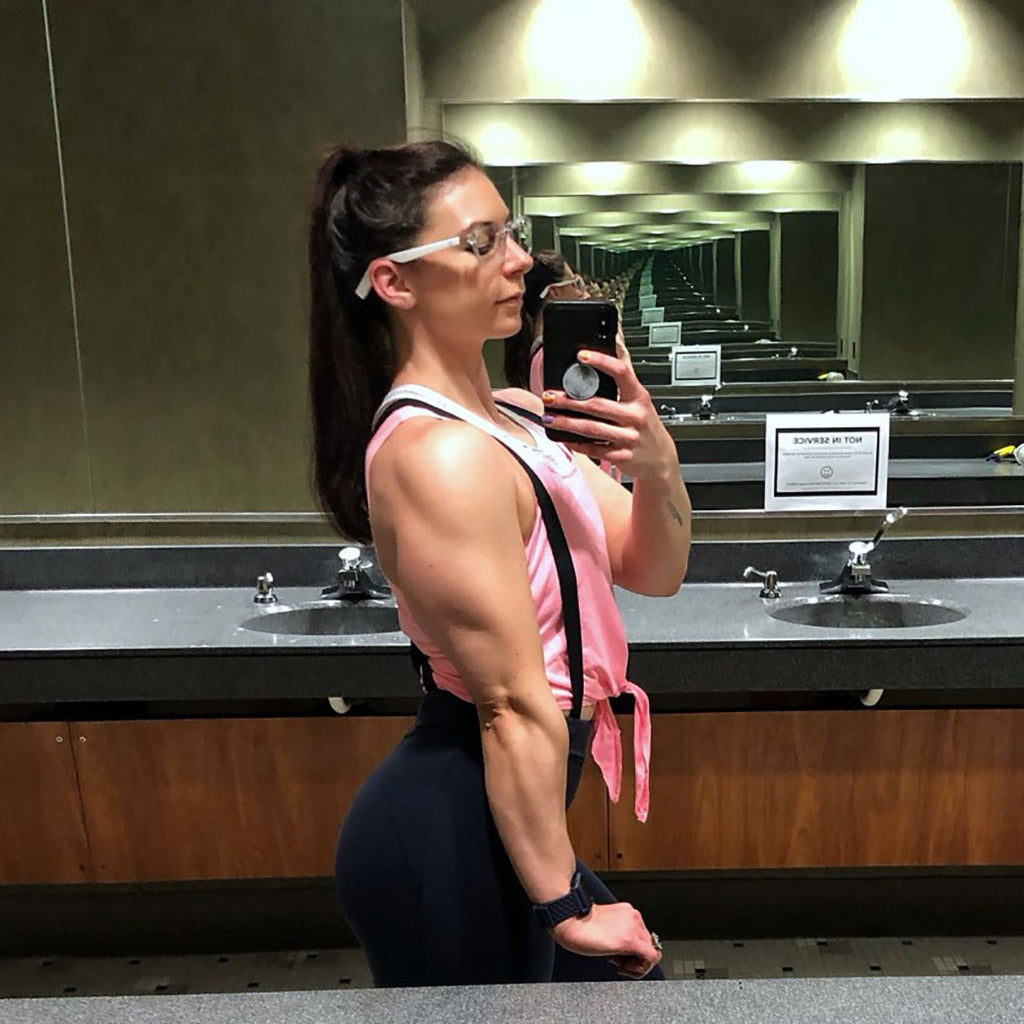
Assemble your lifting accessories
Clothing provides the foundation, but accessories bridge the gap between training and competition readiness. A pro weightlifter kit isn't just about looking the part; it's about engineering safety and maximizing force transfer. The right gear stabilizes your joints, protects your grip, and ensures your body moves exactly as intended under heavy loads.
We will walk through the three essential components that complete your kit: the lifting belt, grip straps, and weightlifting shoes. Each piece serves a distinct mechanical purpose. Getting the fit and function right here prevents injury and keeps you lifting heavier for longer.
A lifting belt creates intra-abdominal pressure to protect your spine during maximal lifts. Choose a lever or prong belt that is thick enough to resist bending but comfortable against your skin. When you put it on, it should sit on your waist, not your hips. Tighten it so you can breathe deeply and brace your core against the resistance. It should feel like a solid wall for your abs to push into, not a vice that restricts movement.
Weightlifting shoes have a raised, non-compressible heel. This elevates your ankle and allows for deeper squat depth without compromising balance. Ensure the strap across the midfoot is tight enough to lock your foot in place. Your toes should have room to splay, but your heel must not lift or slide. Proper fit here translates directly to stability during the snatch and clean and jerk.
Grip strength often fails before your muscles do. Use lifting straps when your back or forearms give out before your target muscles are fully fatigued. For lighter loads or technique work, rely on magnesium carbonate chalk to keep your hands dry and increase friction. Keep your straps organized and easily accessible. This simple addition allows you to push your limits on pulls without worrying about your hands slipping off the bar.
Check your kit before training
Before you load the bar, run through a quick gear inspection. A pro weightlifter kit only works if every piece is secure and undamaged. This final verification step prevents distractions and keeps your focus on the lift.
Check your lifting belt and shoes first. Ensure the belt sits firmly at your waist with no fraying on the leather or buckle mechanism. For shoes, tighten the laces snugly and confirm the heel is locked in place. Loose footwear can shift under heavy squats or snatches, throwing off your balance.
Inspect your clothing and accessories next. Your Club Lifted tee and shorts should allow full range of motion without riding up or restricting movement. Check that your wrist wraps and knee sleeves are clean and have the right elasticity. If any item feels worn or uncomfortable, swap it out now rather than mid-set.
Finally, verify your environment. Clear the area around the platform of any stray weights or water bottles. Ensure your grip is dry and your mindset is sharp. A clean, organized setup is the foundation of a safe and effective training session.
-
Inspect belt buckle and leather for wear
-
Tighten shoe laces and check heel stability
-
Ensure clothing allows full range of motion
-
Check wrist wraps and knee sleeve elasticity
-
Clear platform of obstacles and debris
Common questions about lifting gear
Maintenance and proper usage extend the life of your weightlifting accessories. Here are answers to the most frequent questions about keeping your club lifted gear in top shape.
No comments yet. Be the first to share your thoughts!